


 TR
 EN
 RU
 AR
 FR


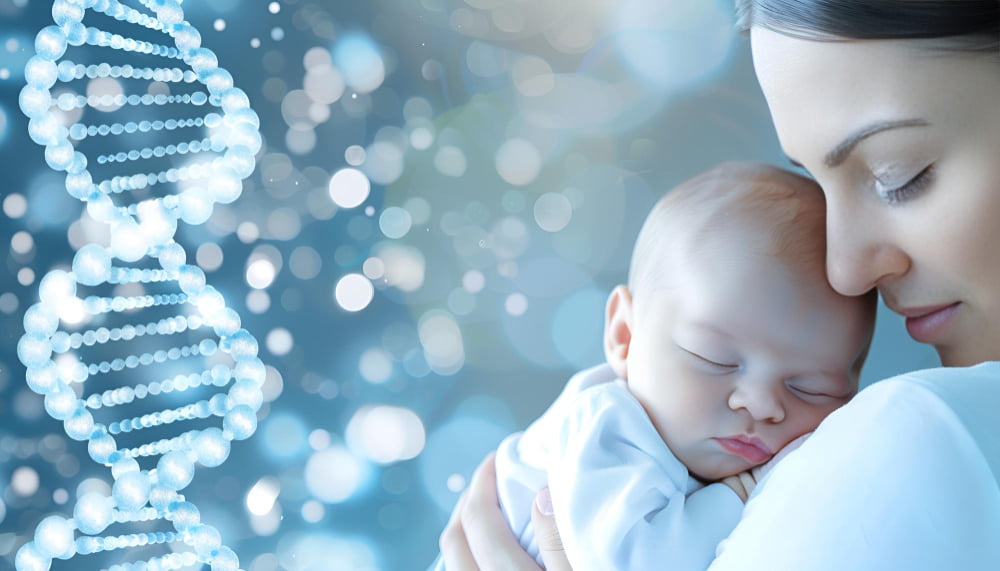

22q11.2 deletion syndrome is a genetic condition caused by a small missing piece of chromosome 22. This change can affect several body systems, including the heart, palate, immune system, calcium regulation, learning, and mental health. The combination and severity of features vary widely, even among members of the same family.
The condition is also known as DiGeorge syndrome or velocardiofacial syndrome (VCFS). Although these names were once used for different groups of symptoms, genetic research established that they often share the same underlying cause. Many associated health problems can be treated or managed, and early, coordinated care can help people reach their developmental and health goals.
What Is 22q11.2 Deletion Syndrome?
A chromosome is a structure inside cells that carries genetic information. In 22q11.2 deletion syndrome, a small section of chromosome 22 is missing. Because this region contains multiple genes involved in development, the deletion can affect different organs and functions rather than causing one isolated health problem.
The condition is considered a multi-system genetic disorder because its effects may involve several parts of the body. Some children are diagnosed before birth because of a heart defect seen on an ultrasound, while others are identified after birth because of feeding difficulties, low calcium levels, immune problems, or developmental concerns. Some people have relatively mild features and are not diagnosed until adolescence or adulthood.
Many Names, One Condition
Several historical names refer to 22q11.2 deletion syndrome or overlapping groups of features associated with it:
- DiGeorge syndrome: Originally described in connection with an underdeveloped thymus, immune dysfunction, and low calcium levels.
- Velocardiofacial syndrome (VCFS): A name associated with palate differences, heart conditions, and characteristic facial features. VCFS is a recognized term for the same genetic condition.
- Shprintzen syndrome: Another name for VCFS and 22q11.2 deletion syndrome, not to be confused with Shprintzen-Goldberg syndrome.
- Conotruncal anomaly face syndrome: A historical term emphasizing certain heart defects and facial features.
- CATCH-22: An older acronym referring to cardiac abnormalities, abnormal facial features, thymic hypoplasia, cleft palate, hypocalcemia, and chromosome 22. The term is now largely replaced by the more precise name 22q11.2 deletion syndrome.
These labels do not usually represent separate disorders. The current genetic name helps bring together the different symptoms and supports more consistent diagnosis and care.
How Common Is It?
22q11.2 deletion syndrome is among the more common chromosomal deletion conditions. Estimates vary by population and diagnostic method, but it is often reported in approximately one in 2,000 to 4,000 live births. Some people with milder features may remain undiagnosed, so the actual frequency may be higher than estimates based only on recognized cases.
What Causes 22q11.2 Deletion Syndrome?
22q11.2 deletion syndrome develops when a section of genetic material is missing from chromosome 22. It is not caused by something a parent did or did not do during pregnancy. In most cases, the deletion occurs as a new genetic change, although it can also be inherited from a parent who has the same deletion.
The Chromosome 22 Deletion
The term 22q11.2 deletion describes the location of the missing genetic material: chromosome 22, on its long arm, in a region called q11.2. The most common deletion removes around 3 million DNA building blocks, although smaller deletions can also cause the condition.
The missing region contains several genes that contribute to early development. One of them, TBX1, plays an important role in the development of structures including the heart, palate, and glands involved in immune and calcium regulation. However, the full range of features cannot be explained by one gene alone. The size of the deletion, other genetic factors, and individual differences all influence how the condition presents.
Is DiGeorge Syndrome Inherited?
The question “Is DiGeorge syndrome inherited?” is important for families planning future pregnancies. Most cases result from a de novo 22q11.2 deletion, meaning the genetic change occurs for the first time in the affected person. In these cases, neither parent carries the deletion in their usual body cells.
However, 22q11.2 deletion syndrome follows an autosomal dominant inheritance pattern when a parent carries the deletion. This means a person with the deletion has a 50% chance of passing it on in each pregnancy. The features in an affected child may be very different from those in the parent.
Genetic counseling can help families understand 22q11.2 deletion syndrome inheritance, recurrence risk, and testing options. Testing both parents may clarify whether the deletion was inherited or occurred de novo, although a negative parental blood test cannot completely exclude rare forms of mosaicism.
Symptoms of 22q11.2 Deletion Syndrome
22q11.2 deletion syndrome symptoms vary considerably. One person may have a congenital heart defect and significant immune problems, while another may have milder palate, speech, learning, or mental health differences. Not everyone develops every feature, and the absence of obvious facial features does not rule out the condition.
Heart Conditions
Congenital heart defects are among the most recognized features of 22q11.2 deletion syndrome. They often involve the structures that develop from the outflow tract of the heart, sometimes called conotruncal defects.
Possible heart conditions include:
- Tetralogy of Fallot: A combination of four heart abnormalities that affects blood flow and oxygen delivery.
- Interrupted aortic arch: A serious defect in which part of the aorta, the main artery carrying blood from the heart, is incomplete.
- Truncus arteriosus: A condition in which one main blood vessel leaves the heart instead of the usual two.
- Ventricular septal defect: An opening between the heart's lower chambers.
Some defects are detected during prenatal ultrasound, while others are diagnosed after birth. A pediatric cardiologist may recommend an echocardiogram, which uses ultrasound to examine the heart's structure and function. Treatment depends on the specific defect and may include monitoring, medication, or surgery.
Palate, Feeding, and Speech
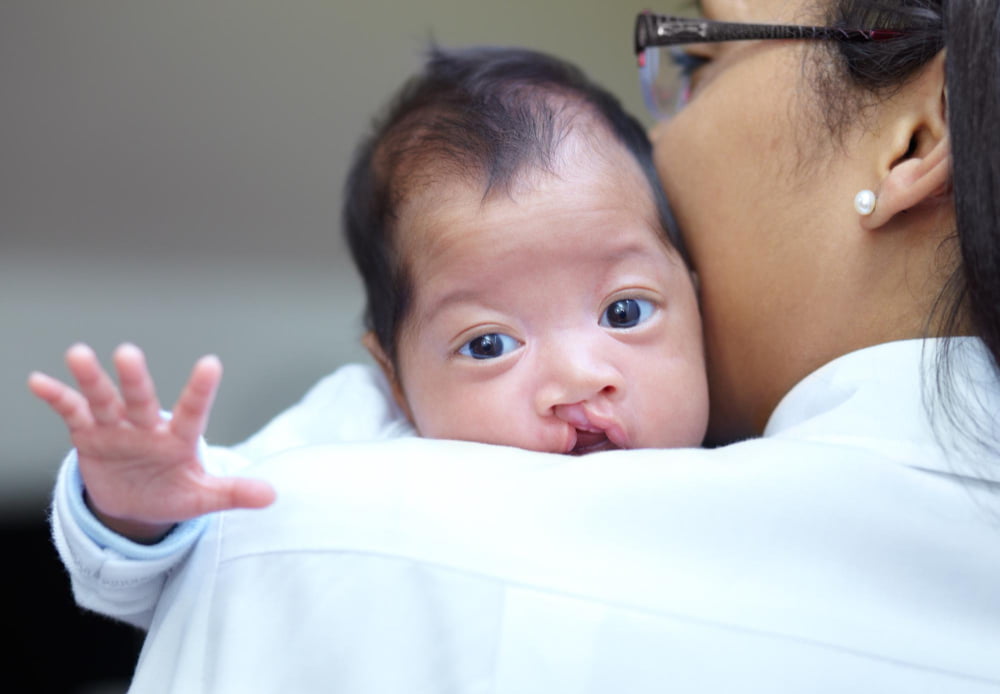
Palate differences are common and can include cleft palate, a submucous cleft palate, or a palate that does not close effectively against the back of the throat during speech. The latter can lead to velopharyngeal insufficiency, in which air escapes through the nose while speaking.
Babies may have difficulty feeding because they cannot create enough suction, and milk may pass into the nose. As children grow, they may experience nasal-sounding speech, difficulty producing certain sounds, or delayed speech development.
Assessment may involve a cleft or craniofacial specialist, feeding support, hearing checks, and speech-language therapy. Some children need palate surgery, but treatment depends on the specific structural and functional problem.
Immune System and Low Calcium
The thymus is a gland that helps T cells, a type of white blood cell, mature so they can fight infections. In some people with 22q11.2 deletion syndrome, the thymus is small or underdeveloped, which can lead to reduced T-cell numbers and immune deficiency. The degree of immune dysfunction varies, and some people have only mild abnormalities.
The condition can also affect the parathyroid glands, which help regulate calcium in the blood. If these glands do not produce enough parathyroid hormone, calcium levels may fall. This is called hypocalcemia, and it can occur in newborns, during illness, or around surgery.
Low calcium may cause muscle cramps, tingling, tremors, or seizures. A seizure or severe muscle spasms in a newborn or child require urgent medical assessment. Severe immune deficiency can also increase the risk of serious infections and requires specialist care.
Learning, Development, and Mental Health
Children with 22q11.2 deletion syndrome may experience delayed speech, motor milestones, or other aspects of development. Learning differences can become more apparent when school demands increase, and some children need individualized educational support.
The condition is associated with a higher likelihood of attention-deficit/hyperactivity disorder (ADHD), autism spectrum disorder, anxiety, and other mental health difficulties. These conditions do not affect everyone with the deletion and should be assessed individually rather than assumed from the genetic diagnosis.
The risk of psychosis and schizophrenia-spectrum disorders is also increased, particularly during adolescence and adulthood, although individual risk varies and most people do not develop schizophrenia. Early recognition of changes in mood, behavior, sleep, thinking, or daily functioning can help people access appropriate support.
Other Features
Additional features may affect different parts of the body and may require monitoring as a child grows.
- Facial features: Some people have subtle differences in the shape of the nose, ears, eyelids, or jaw. These features vary and are not sufficient on their own to diagnose the condition.
- Kidney and urinary tract differences: Structural abnormalities may be present and can be assessed with imaging when indicated.
- Hearing problems: Middle-ear fluid, recurrent infections, or other hearing difficulties can affect speech and learning.
- Skeletal differences: Scoliosis, spinal abnormalities, and other musculoskeletal concerns may require monitoring.
- Autoimmune conditions: Some people have a higher risk of conditions in which the immune system attacks the body's own tissues.
- Hormonal and growth concerns: Thyroid disorders (hypothyroidism or hyperthyroidism), growth differences, and other endocrine problems may occur in some individuals.
The care team recommends investigations according to the person's symptoms, medical history, and examination findings.
Craniosynostosis, Intracranial Pressure, and Shprintzen-Goldberg Syndrome
Some searches related to 22q11.2 deletion syndrome include skull abnormalities and raised intracranial pressure. These concerns need to be distinguished from the condition's more common features, as craniosynostosis is not typical of 22q11.2 deletion syndrome.
Premature Fusion of the Skull Bones in 22q11.2 Deletion Syndrome
Craniosynostosis is the premature fusion of one or more joints between a baby's skull bones. This can affect skull growth and shape. Although craniosynostosis has been reported in association with 22q11.2 deletion syndrome, it is an uncommon feature rather than a defining symptom.
When craniosynostosis restricts skull growth, it can sometimes cause increased intracranial pressure, meaning pressure inside the skull. Raised intracranial pressure is not a standard feature of 22q11.2 deletion syndrome and requires assessment for its underlying cause.
Persistent vomiting, severe or worsening headaches, unusual sleepiness, marked irritability, or changes in vision can be signs of raised intracranial pressure. In a baby, a bulging soft spot when calm and upright may also be concerning.
These symptoms require urgent medical assessment, particularly when severe, worsening, or occurring together.
How Is 22q11.2 Deletion Syndrome Diagnosed?
Doctors may suspect 22q11.2 deletion syndrome when a person has a combination of findings, such as a congenital heart defect, palate differences, low calcium, immune abnormalities, or developmental concerns. However, symptoms alone cannot confirm the diagnosis. Genetic testing is needed to identify the chromosome 22 deletion.
Genetic Testing
A chromosomal microarray is commonly used to detect the missing section of chromosome 22. This test examines DNA across the chromosomes and can identify deletions that may not be visible with standard chromosome analysis.
Other tests may be used in specific circumstances:
- FISH testing: Fluorescence in situ hybridization uses a labeled DNA probe to check for a particular chromosome region. It was widely used to detect 22q11.2 deletions, but may miss atypical deletions outside the probe's target.
- Other molecular tests: Additional methods may be considered when initial results are inconclusive or when a different genetic condition is suspected.
A genetic specialist interprets the results alongside the person's clinical findings and family history. Genetic testing can also help distinguish 22q11.2 deletion syndrome from other conditions with overlapping features.
Prenatal and Newborn Clues
During pregnancy, a heart defect or other findings on an ultrasound may prompt further evaluation. A routine ultrasound cannot reliably diagnose or exclude 22q11.2 deletion syndrome. When there is a specific concern, prenatal genetic testing may be discussed, including diagnostic testing using chorionic villus sampling or amniocentesis.
After birth, low calcium, reduced T-cell counts, a congenital heart defect, or a cleft palate may raise suspicion. These findings are not diagnostic by themselves, and routine newborn screening does not universally identify 22q11.2 deletion syndrome. Further evaluation is needed when the clinical picture suggests the condition.
Tests for Related Problems
After diagnosis, doctors may recommend tests to identify features that need treatment or monitoring. Depending on the individual, these can include an echocardiogram, calcium and parathyroid hormone measurements, immune function testing, kidney imaging, hearing assessments, and developmental evaluations.
The initial assessment provides a baseline for future care. Additional tests are guided by the person's age, symptoms, and previous results rather than repeated automatically without a clinical reason.
Treatment and Management: A Team Approach
There is no single treatment that removes the chromosome deletion. Instead, 22q11.2 deletion syndrome management focuses on identifying and treating each associated health problem. Coordinated care is important because a change in one area, such as immune function or calcium levels, can affect decisions about treatment in another.
Heart and Calcium Care
Congenital heart defects may require regular cardiology screening, medication, or surgery, depending on their type and severity. Children who have undergone cardiac surgery may still need ongoing monitoring as they grow.
Low calcium is managed according to blood test results and symptoms. Treatment may include calcium supplements and active vitamin D, with monitoring of calcium and related hormone levels. Families should follow the treating clinician's instructions, as both low and excessively high calcium levels can be harmful.
Immune Care and Vaccines
An immunologist assesses immune function and helps determine whether special infection precautions are needed. Some people have mild immune differences, while others require more intensive monitoring or treatment.
Vaccination recommendations depend on the person's immune function. Live vaccines may need to be delayed until appropriate immune testing has been completed, but they are not automatically prohibited for everyone with the deletion. Decisions about vaccines, including measles-mumps-rubella and varicella vaccines, should be made with the treating clinician or immunologist.
Families should seek prompt medical advice for a high fever or signs of serious infection, particularly if a child has a known immune deficiency. Difficulty breathing, unusual drowsiness, or a child who appears seriously unwell warrants emergency care.
Palate, Feeding, and Speech Therapy
Treatment may include feeding support in infancy, palate surgery when indicated, hearing monitoring, and speech-language therapy. The team evaluates whether speech difficulties arise from the structure or movement of the palate, hearing problems, or learned speech patterns, because these causes may require different approaches.
Some children benefit from ongoing dental, orthodontic, or craniofacial care as the face and jaws develop. The specific plan depends on the person's anatomy and functional needs.
Development, Learning, and Mental Health Support
Early intervention can support communication, movement, and other developmental skills. As children enter school, individualized educational strategies may help address learning, attention, language, or social differences.
Regular attention to emotional well-being is also important, especially during adolescence and adulthood. Screening for anxiety, depression, behavioral changes, and other mental health concerns can support timely assessment and treatment. Support should be based on the person's needs rather than assumptions about what the deletion will cause.
Living With 22q11.2 Deletion Syndrome
The outlook for people with 22q11.2 deletion syndrome varies considerably. It depends in part on the severity of congenital heart disease, immune deficiency, calcium abnormalities, and other associated conditions. Many people live well into adulthood, pursue education and work, and build independent lives, although some need ongoing medical, developmental, or daily-living support.
Regular follow-up helps identify health concerns that may emerge later, including changes in learning needs, mental health, thyroid function, or other aspects of physical health. As adolescents move into adult care, they may need help understanding their diagnosis, managing appointments, and communicating their medical needs.
Families may also benefit from support organizations and connections with others who have experience of 22q11.2 deletion syndrome. These resources can provide practical information and emotional support, but individual medical decisions should remain guided by the person's healthcare team.
Genetic Counseling and Family Planning
Genetic counseling helps individuals and families understand the diagnosis, inheritance pattern, and implications for future pregnancies. If a child is diagnosed, testing the parents can establish whether the deletion was inherited or arose de novo. If a parent carries the deletion, each pregnancy has a 50% chance of inheriting it, but the severity of features cannot be reliably predicted from the parent's experience.
Families may discuss prenatal diagnostic testing during a future pregnancy or preimplantation genetic testing in conjunction with in-vitro fertilization. These options have different processes, benefits, limitations, and personal considerations. A genetics professional can explain the available choices without directing families toward a particular decision.
Why Choose Medical Park for 22q11.2 Deletion Syndrome Care?
22q11.2 deletion syndrome requires care tailored to the person's specific features, whether the main concerns involve congenital heart disease, immune function, low calcium, palate differences, or development. At Medical Park Hospitals in Turkey, evaluation and treatment planning can involve relevant specialists in Pediatrics, Pediatric Cardiology, Pediatric Endocrinology, Medical Genetics, Ear, Nose, and Throat (ENT) care, and other disciplines according to the patient's needs.
Medical assessment may include reviewing genetic test results, medical history, previous procedures, and existing evaluations to determine which further investigations or consultations are appropriate. Because the condition can affect several body systems, the plan should identify immediate treatment needs as well as the monitoring and follow-up required over time.
For international patients, Medical Park's International Patient Services Center can help coordinate appointments, medical records, and practical arrangements for care in Turkey. Families can discuss the recommended evaluations, the specialists involved, and the follow-up plan with the relevant medical team. The aim is to make the next steps clearer while ensuring that care reflects the individual's diagnosis, symptoms, and developmental needs.




 Makaleye Dön
 E-Result
 WhatsApp