


 TR
 EN
 RU
 AR
 FR




Alzheimer's disease is the most common cause of dementia worldwide and a leading cause of cognitive decline among older adults. Characterized by progressive memory loss and changes in thinking, behavior, and daily functioning, Alzheimer's disease affects not only the individual but also family members and caregivers. While there is currently no cure, advances in diagnosis, treatment, and supportive care can help patients maintain independence and quality of life for as long as possible.
Understanding Alzheimer's disease symptoms, causes of Alzheimer's disease, available treatment options, and preventive strategies is essential for early intervention and long-term management.
What is Alzheimer's Disease?
Alzheimer's disease is a progressive neurodegenerative disorder that gradually damages brain cells and disrupts communication between neurons. Over time, this damage affects memory, reasoning, language, judgment, and the ability to perform everyday activities.
Alzheimer's disease accounts for approximately 60-80% of dementia cases. Although it is most commonly diagnosed in people over the age of 65, some individuals develop young-onset Alzheimer's disease, which occurs before age 65.
The disease typically progresses slowly over many years. Symptoms often begin subtly and worsen gradually, eventually affecting nearly every aspect of a person's cognitive and physical functioning.
How Alzheimer's Affects the Brain
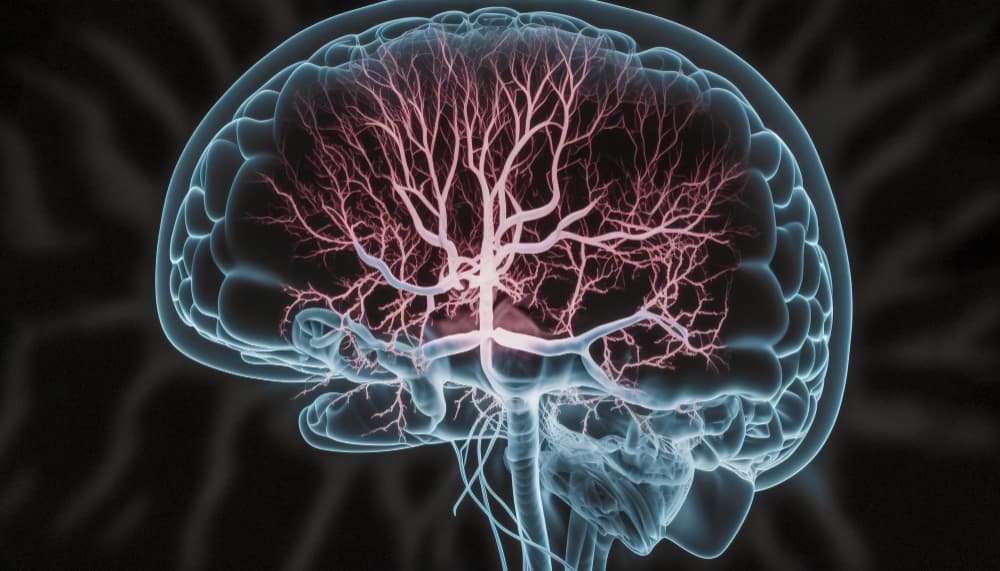
Alzheimer's disease is associated with abnormal changes in the brain, including the accumulation of beta-amyloid plaques outside nerve cells and tau protein tangles inside neurons. These changes interfere with normal brain function and eventually lead to the death of brain cells.
The disease usually begins in brain regions responsible for memory formation, particularly the hippocampus. As it progresses, damage spreads to other areas involved in language, decision-making, spatial awareness, and behavior.
Brain changes associated with Alzheimer's disease can lead to:
- Progressive memory loss
- Difficulty learning new information
- Problems with communication and language
- Reduced ability to plan or solve problems
- Changes in personality and behavior
- Loss of independence in daily activities
As more brain tissue becomes affected, symptoms become increasingly severe.
Symptoms of Alzheimer's Disease
The symptoms of Alzheimer's disease vary from person to person and typically worsen over time. Early recognition of symptoms can help patients access medical evaluation and treatment sooner.
Early Signs and Symptoms
Many people initially dismiss early symptoms as normal aging. However, early Alzheimer's disease often causes changes that are more significant than typical age-related forgetfulness.
Common early Alzheimer's symptoms include:
- Frequently forgetting recently learned information
- Repeatedly asking the same questions
- Misplacing items and being unable to retrace steps
- Difficulty remembering appointments or important dates
- Trouble finding the right words during conversations
- Increased reliance on notes, reminders, or family members
- Difficulty following familiar routines
- Mild confusion about time or place
Because these symptoms develop gradually, they may go unnoticed for months or even years.
Progressive Symptoms of Alzheimer's
As the disease advances, cognitive impairment becomes more noticeable and begins interfering with daily life.
Progressive symptoms may include:
- Significant memory impairment
- Difficulty recognizing familiar people
- Problems managing finances or medications
- Increased confusion about time and location
- Difficulty completing routine tasks
- Getting lost in familiar environments
- Reduced ability to make decisions
- Challenges with personal hygiene and self-care
Patients may require increasing assistance from family members or caregivers.
Cognitive Symptoms
Alzheimer's disease memory loss is one of the most recognized features of the condition, but cognitive difficulties extend beyond memory alone.
Cognitive symptoms may include:
- Impaired attention and concentration
- Difficulty planning or organizing activities
- Reduced problem-solving abilities
- Language difficulties
- Impaired judgment
- Difficulty understanding visual information
- Challenges with reading, writing, or calculations
These symptoms can significantly affect work performance, social interactions, and independence.
Behavioral and Psychological Symptoms
Many individuals with Alzheimer's disease develop emotional and behavioral changes as the condition progresses.
These symptoms may include:
- Anxiety
- Depression
- Irritability
- Mood swings
- Agitation
- Suspicion or paranoia
- Social withdrawal
- Sleep disturbances
- Hallucinations or delusions in advanced stages
Behavioral symptoms can be particularly challenging for caregivers and often require specialized management strategies.
What Causes Alzheimer's Disease?
The exact causes of Alzheimer's disease remain incompletely understood. Researchers believe the condition develops through a complex interaction of genetic, environmental, lifestyle, and biological factors.
Several processes contribute to the disease, including:
- Accumulation of beta-amyloid plaques
- Formation of tau protein tangles
- Chronic inflammation within the brain
- Impaired communication between neurons
- Oxidative stress and cellular damage
- Reduced blood flow to brain tissue
These changes begin years before symptoms become apparent. Rather than a single cause, Alzheimer's disease is now viewed as a multifactorial disorder influenced by numerous interconnected mechanisms.
Risk Factors for Alzheimer's Disease
Understanding the risk factors for Alzheimer's disease can help identify individuals who may benefit from closer monitoring and preventive strategies.
Age as a Primary Risk Factor
Age is the strongest known risk factor for Alzheimer's disease. Although Alzheimer's is not a normal part of aging, the likelihood of developing the disease increases substantially after age 65. The risk continues to rise with each advancing decade. However, it is important to note that younger individuals can also develop the disease.
Family History and Genetics
Alzheimer's disease genetics plays an important role in disease risk. Individuals with a parent or sibling diagnosed with Alzheimer's disease have a higher likelihood of developing the condition themselves. Certain genetic variations, particularly the APOE-e4 gene, are associated with increased risk. Rare inherited genetic mutations can also cause familial forms of young-onset Alzheimer's disease, often affecting individuals in their 30s, 40s, or 50s.
Having a genetic risk factor does not guarantee that a person will develop Alzheimer's disease, but it may increase susceptibility.
Lifestyle Choices and Health Conditions
Research suggests that several modifiable factors influence Alzheimer's disease risk.
Health conditions associated with increased risk include:
Lifestyle factors that may contribute include:
- Physical inactivity
- Smoking
- Excessive alcohol consumption
- Poor diet
- Social isolation
- Limited cognitive stimulation
Because many of these factors are modifiable, they represent important targets for prevention.
The Impact of Head Trauma
A history of moderate or severe head injury may increase the risk of developing Alzheimer's disease later in life. Repeated traumatic brain injuries, including those experienced in certain contact sports or military settings, have also been associated with an increased risk of neurodegenerative diseases.
Protective measures such as seatbelt use, helmet use, and fall prevention strategies can help reduce the risk of traumatic brain injury.
Diagnosing Alzheimer's Disease
Early and accurate diagnosing Alzheimer's disease is essential because several other conditions can cause symptoms similar to dementia.
Diagnosis typically involves a comprehensive evaluation that may include:
- Detailed medical history
- Cognitive and memory assessments
- Neurological examination
- Physical examination
- Laboratory testing
- Brain imaging studies
Doctors may use tests such as:
- Mini-Mental State Examination (MMSE)
- Montreal Cognitive Assessment (MoCA)
- MRI scans
- PET/CT scans
Blood tests help identify potentially reversible causes of cognitive decline, including vitamin deficiencies, thyroid disorders, infections, or metabolic abnormalities. Modern diagnostic techniques increasingly allow specialists to identify Alzheimer's disease in its earliest stages, sometimes before significant symptoms develop.
Treatment Options for Alzheimer's Disease
Although there is currently no cure, Alzheimer's disease treatment focuses on managing symptoms, maintaining function, and improving quality of life.
Medications
Several medications may help improve or stabilize symptoms temporarily.
These include:
- Cholinesterase inhibitors
- Memantine
- Newer disease-modifying therapies for selected patients
Treatment plans are individualized based on disease stage, overall health, and specific patient needs.
Cognitive and Behavioral Support
Non-pharmacological interventions play an important role in treatment.
These may include:
- Cognitive stimulation activities
- Memory training
- Occupational therapy
- Structured daily routines
- Behavioral management strategies
Such approaches can help preserve independence and reduce distress for both patients and caregivers.
Supportive Care
As the disease progresses, patients often require increasing levels of support.
Comprehensive care may involve:
- Nutritional support
- Fall prevention
- Home safety modifications
- Speech therapy
- Physical therapy
- Caregiver education and support
A multidisciplinary approach can significantly improve quality of life throughout the course of the disease.
Preventing Alzheimer's Disease: Is It Possible?
While no strategy can completely prevent Alzheimer's disease, evidence suggests that certain lifestyle habits may reduce risk and support long-term brain health. Preventing Alzheimer's disease focuses largely on maintaining cardiovascular and metabolic health.
Recommended strategies include:
- Regular physical exercise
- A healthy diet rich in fruits, vegetables, and whole grains, such as the Mediterranean diet
- Blood pressure control
- Diabetes management
- Cholesterol management
- Maintaining a healthy weight
- Avoiding smoking
- Limiting alcohol consumption
- Getting adequate sleep
- Staying socially engaged
Mental stimulation may also support cognitive health.
Activities that challenge the brain include:
- Reading
- Learning new skills
- Playing musical instruments
- Solving puzzles
- Participating in educational programs
Although these measures cannot guarantee prevention, they may contribute to healthier brain aging.
Living with Alzheimer's Disease
Living with Alzheimer's disease presents ongoing challenges, but many individuals continue to enjoy meaningful and fulfilling lives for years after diagnosis.
Successful management often involves:
- Early treatment planning
- Regular medical follow-up
- Strong family support
- Safe living environments
- Community resources
- Emotional and psychological support
Caregivers also require support, as caregiving responsibilities can become physically and emotionally demanding over time. Education about the disease, support groups, and respite care services can help families navigate the challenges associated with dementia care.
Planning for future healthcare decisions, finances, and legal matters is also an important aspect of long-term disease management.
Alzheimer's Disease Research and Future Directions
Ongoing Alzheimer's disease research continues to expand understanding of the disease and identify new opportunities for treatment.
Current areas of investigation include:
- Early detection biomarkers
- Blood-based diagnostic tests
- Novel disease-modifying therapies
- Gene-targeted treatments
- Immunotherapy approaches
- Neuroprotective medications
- Personalized medicine strategies
Researchers are also exploring the relationship between Alzheimer's disease and factors such as inflammation, vascular health, metabolism, sleep quality, and the gut microbiome. Advances in brain imaging, genetics, and molecular biology have already improved the ability to identify individuals at risk and may lead to earlier intervention in the future.
Although significant challenges remain, ongoing research offers hope for more effective prevention strategies, earlier diagnosis, and improved treatment outcomes for people living with Alzheimer's disease.
Alzheimer's Disease Care at Medical Park
At Medical Park Hospitals in Turkey, our neurology specialists provide comprehensive evaluation, diagnosis, and management of Alzheimer's disease and other forms of dementia. Advanced diagnostic tools, neurological examinations, cognitive assessments, and brain imaging studies help support accurate diagnosis and monitor disease progression. Medical Park's Neurology departments provide care for a wide range of neurological conditions, including dementia syndromes such as Alzheimer's disease.
Because Alzheimer's disease affects not only memory but also daily functioning, behavior, and quality of life, care often requires a multidisciplinary approach. Medical Park's specialists work closely with patients and their families to develop individualized treatment plans focused on symptom management, cognitive function, safety, and long-term care planning. Ongoing follow-up visits allow treatment strategies to be adjusted as the disease progresses and the patient's needs change.






 Makaleye Dön
 E-Result
 WhatsApp