


 TR
 EN
 RU
 AR
 FR


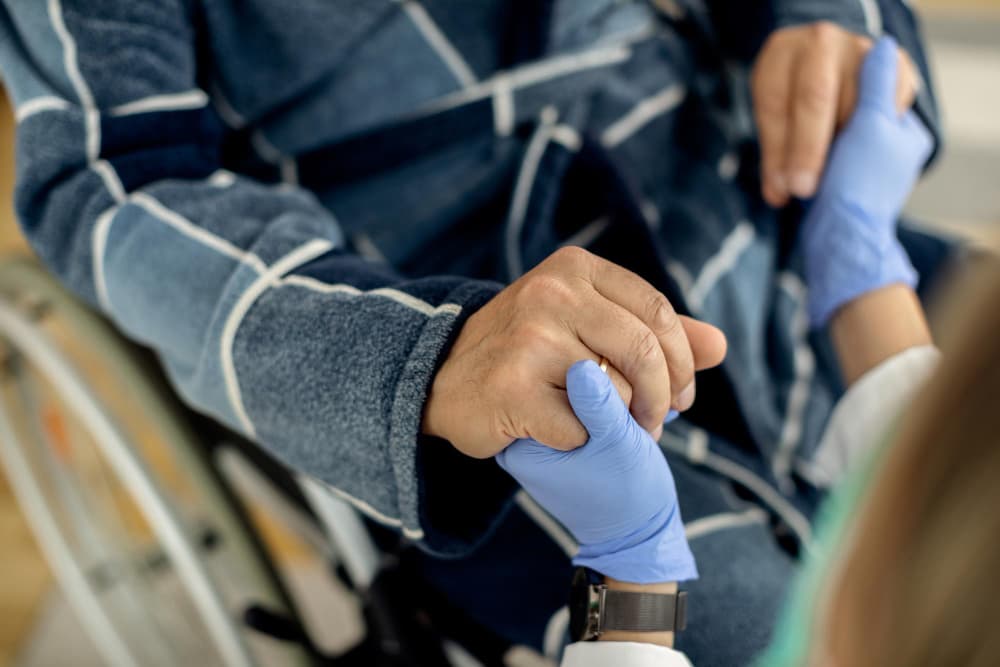

Amyotrophic lateral sclerosis, commonly known as ALS or motor neuron disease, is a progressive neurological condition that affects the nerve cells responsible for controlling voluntary muscles. These nerve cells, called motor neurons, gradually degenerate and die, leading to muscle weakness, loss of movement, and eventually difficulty with speaking, swallowing, and breathing. ALS is also referred to as Lou Gehrig's disease, named after the famous baseball player who was diagnosed with the condition in the 1930s.
ALS can affect people of all ages, but it most commonly develops between the ages of 40 and 70. The condition progresses at different rates for different individuals, and while there is currently no cure, treatments and supportive care can help manage symptoms, maintain quality of life, and support patients and families through the journey.
What is Amyotrophic Lateral Sclerosis (ALS)?
Amyotrophic lateral sclerosis is a neurodegenerative disease that specifically targets motor neurons in the brain and spinal cord. Motor neurons are specialized nerve cells that send signals from the brain to the muscles, enabling voluntary movement such as walking, talking, eating, and breathing.
In ALS, both upper motor neurons (located in the brain) and lower motor neurons (located in the spinal cord) are affected. As these neurons deteriorate, they stop sending messages to the muscles. Without stimulation, muscles weaken, shrink, and eventually waste away. This process leads to increasing disability over time.
ALS is not contagious and is not caused by lifestyle factors such as diet, exercise, or stress. It is a complex condition influenced by genetic and environmental factors that researchers are still working to fully understand.
Types of ALS
ALS is generally classified into two main types based on whether there is a known family history of the disease.
- Familial amyotrophic lateral sclerosis accounts for approximately 5 to 10 percent of all ALS cases. This form of the disease is inherited, meaning it is passed down through families due to changes in specific genes. When one parent carries a genetic mutation associated with familial ALS, each child has a 50 percent chance of inheriting the mutation. However, not everyone who inherits the mutation will necessarily develop symptoms, and the age of onset can vary.
- Sporadic amyotrophic lateral sclerosis makes up the remaining 90 to 95 percent of cases. This form occurs in people with no family history of ALS. The exact cause of sporadic ALS is unknown, though researchers believe it results from a combination of genetic susceptibility and environmental factors.
Within these categories, there are also amyotrophic lateral sclerosis subtypes based on where symptoms begin and how the disease progresses. Some people experience limb-onset ALS, where weakness starts in the arms or legs. Others have bulbar-onset ALS, where symptoms begin with speech and swallowing difficulties. A smaller number of patients may have respiratory-onset ALS, where breathing problems appear early.
Recognizing the Signs and Symptoms of ALS
The symptoms of ALS can be subtle at first and may be mistaken for other conditions. Early signs often include muscle weakness, cramping, or twitching that does not go away. ALS disease symptoms typically progress gradually and may affect different parts of the body at different times.
Common symptoms of ALS include:
Muscle weakness in the hands, arms, legs, or feet
Difficulty with fine motor tasks such as buttoning shirts, writing, or using utensils
Tripping, stumbling, or difficulty walking
Muscle cramps and twitching, known as fasciculations
Stiffness or spasticity in the muscles
Slurred speech or difficulty articulating words
Difficulty swallowing or chewing
Excessive saliva or drooling
Uncontrollable laughing or crying in some cases
Fatigue and reduced endurance
Shortness of breath or difficulty breathing, especially during exertion
As the condition advances, amyotrophic lateral sclerosis symptoms become more widespread. Many people eventually require assistance with daily activities, mobility aids, communication devices, and breathing support.
Causes and Risk Factors of ALS
The exact causes of amyotrophic lateral sclerosis remain unclear. Researchers have identified several amyotrophic lateral sclerosis genes that are associated with the disease, particularly in familial cases. Mutations in genes such as C9orf72, SOD1, TARDBP, and FUS have been linked to ALS. These genes play roles in protein processing, cellular transport, and protection against oxidative stress.
In sporadic ALS, no single cause has been identified. Scientists believe that a combination of genetic susceptibility, environmental exposures, and cellular processes may contribute to the development of the disease.
Amyotrophic lateral sclerosis risk factors include:
Age: ALS most commonly develops between ages 40 and 70, though it can occur at any age.
Sex: Men are slightly more likely to develop ALS than women, though this difference decreases with age.
Family history: Having a close relative with familial ALS increases risk.
Genetic mutations: Certain gene changes are associated with higher ALS risk.
Environmental factors: Some studies suggest possible links between ALS and exposure to certain toxins, heavy metals, or pesticides, though evidence is not conclusive.
Military service: Some research indicates a higher incidence of ALS among veterans, possibly due to environmental or occupational exposures.
It is important to note that most people with these risk factors do not develop ALS, and many people diagnosed with ALS have no identifiable risk factors.
Diagnosing ALS
There is no single test that can definitively diagnose amyotrophic lateral sclerosis. Diagnosis is based on a combination of clinical evaluation, medical history, neurological examination, and tests to rule out other conditions that may cause similar symptoms.
A neurologist will assess muscle strength, reflexes, coordination, speech, and swallowing. They will also look for signs of both upper and lower motor neuron involvement, which is characteristic of ALS.
Diagnostic tests may include:
Electromyography (EMG): Measures electrical activity in muscles to detect nerve damage.
Nerve conduction studies: Evaluate how well nerves transmit signals.
Magnetic resonance imaging (MRI): Produces detailed images of the brain and spinal cord to rule out other conditions.
Urine and blood tests: Check for infections, metabolic disorders, or other diseases that may mimic ALS.
Lumbar puncture (spinal tap): Analyzes cerebrospinal fluid to exclude other neurological conditions.
Genetic testing: May be offered when familial ALS is suspected.
Because ALS shares symptoms with other motor neuron disease and neurological conditions, diagnosis can take time. A thorough evaluation helps ensure that treatable conditions are not missed.
Managing and Treating ALS
While there is currently no cure for amyotrophic lateral sclerosis, amyotrophic lateral sclerosis treatment focuses on slowing disease progression, managing symptoms, and maintaining quality of life. A multidisciplinary approach involving neurologists, physiotherapists, speech therapists, occupational therapists, nutritionists, respiratory specialists, and palliative care teams provides the best support.
Medications approved for ALS include:
Riluzole: Helps reduce damage to motor neurons and may extend survival by several months.
Edaravone: May slow the decline in daily functioning in some patients.
Sodium phenylbutyrate and taurursodiol: Approved for certain patients with specific genetic forms of ALS.
Other treatments focus on symptom management:
Physical therapy: Helps maintain mobility, reduce stiffness, and prevent falls.
Occupational therapy: Assists with adapting daily activities and using assistive devices.
Speech therapy: Supports communication and swallowing strategies.
Nutritional support: Ensures adequate calorie and fluid intake, sometimes through feeding tubes.
Respiratory support: Includes non-invasive ventilation, cough assist devices, and, in some cases, mechanical ventilation.
Medications: For muscle cramps, spasticity, saliva control, pain, sleep, mood, and other symptoms.
Amyotrophic lateral sclerosis management is highly individualized. Regular follow-up appointments allow the care team to adjust treatments as needs change.
Prognosis and Staging of ALS
The amyotrophic lateral sclerosis prognosis varies significantly from person to person. Some individuals experience rapid progression, while others live for many years after diagnosis. The average amyotrophic lateral sclerosis survival is approximately 2 to 5 years from symptom onset, though some people live 10 years or longer.
Factors that may influence prognosis include:
Age at onset
Site of symptom onset (limb vs. bulbar)
Rate of disease progression
Respiratory function
Nutritional status
Access to multidisciplinary care
There is no universally accepted staging system for ALS, but clinicians often describe the condition in terms of early, middle, and late stages based on functional abilities and care needs. Early diagnosis and comprehensive care can help optimize quality of life and extend survival.
Living with ALS
Living with ALS presents physical, emotional, and practical challenges for patients and families. The condition affects not only mobility and communication but also independence, identity, and future planning.
Support strategies include:
Building a strong care team with specialists experienced in motor neuron disease
Using assistive devices such as walkers, wheelchairs, communication aids, and home modifications
Planning ahead for legal, financial, and healthcare decisions
Seeking psychological support for patients and caregivers
Connecting with ALS support groups and patient organizations
Maintaining social connections and meaningful activities as abilities allow
Focusing on comfort, dignity, and quality of life at every stage
Caregivers play a vital role in supporting people with ALS. Respite care, counseling, and practical assistance can help prevent caregiver burnout and support the well-being of the entire family.
Ongoing Research and Future Directions in ALS
Amyotrophic lateral sclerosis research is active and expanding. Scientists are investigating the underlying mechanisms of motor neuron degeneration, identifying new genetic factors, developing biomarkers for earlier diagnosis, and testing potential disease-modifying therapies.
Key areas of research include:
Gene therapy targeting specific ALS-related mutations
Stem cell therapy to replace or protect damaged motor neurons
Anti-inflammatory and neuroprotective drugs
Improved understanding of protein misfolding and cellular stress in ALS
Better tools for tracking disease progression and treatment response
Personalized medicine approaches based on genetic and clinical profiles
Experimental approaches such as deep brain stimulation are being explored in early-stage research for certain neurological conditions, but they are not currently established treatments for ALS.
While significant challenges remain, ongoing amyotrophic lateral sclerosis research offers hope for more effective treatments and, ultimately, a cure. Clinical trials provide opportunities for patients to access emerging therapies and contribute to scientific progress.
ALS Treatment in Turkey and at Medical Park
ALS treatment in Turkey is provided through hospitals with specialized neurology centers and multidisciplinary clinics that offer comprehensive care for patients with motor neuron disease. Care typically involves neurologists with expertise in ALS, physiotherapists, language and speech therapists, occupational therapists, dietitians, respiratory specialists, and palliative care teams. Access to advanced diagnostics, rehabilitation services, and respiratory support varies by center, so patients and families often seek hospitals with dedicated experience in managing ALS.
At Medical Park, patients with suspected or confirmed ALS can receive evaluation and ongoing management through Neurology services supported by Medical Genetics, Physical Therapy, Language and Speech Therapy, Nutrition and Dietetics and other relevant specialties. The care approach focuses on confirming the diagnosis, ruling out treatable conditions that may mimic ALS, and building an individualized plan to address mobility, communication, nutrition, breathing, and symptom control.
While there is currently no cure for ALS, early and comprehensive care can help maintain function, reduce complications, and improve quality of life. Medical Park aims to provide accessible, patient-centered ALS management within a trusted hospital environment, with clear communication and coordinated support for both local and international patients and their families.


 Makaleye Dön
 E-Result
 WhatsApp