


 TR
 EN
 RU
 AR
 FR


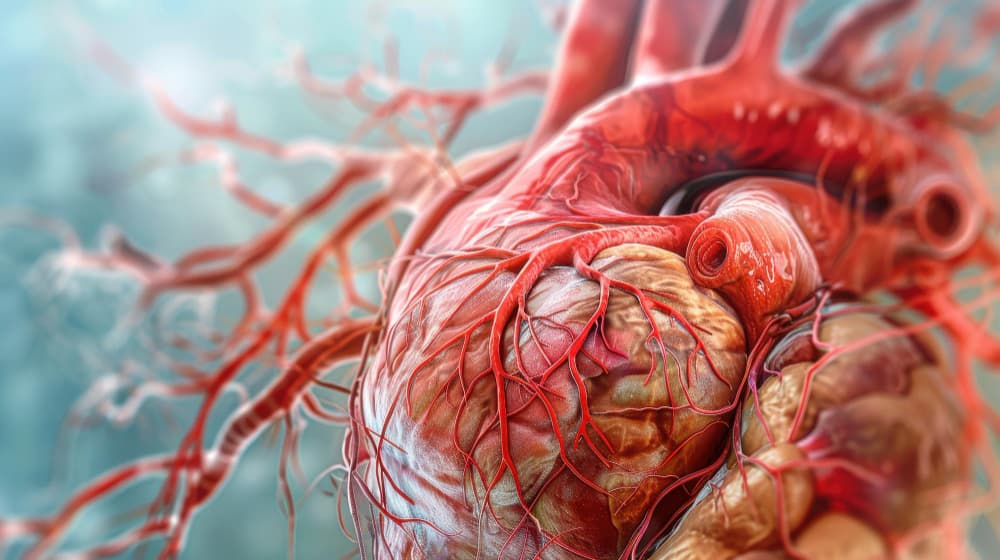


An aortic aneurysm is a potentially life-threatening condition that develops when part of the aorta, the body's largest artery, becomes weakened and enlarges. Many aortic aneurysms grow slowly without causing symptoms, making early detection especially important. Understanding the warning signs, causes of aortic aneurysm, available screening methods, and treatment options can help reduce the risk of serious complications such as aortic aneurysm rupture or aortic aneurysm dissection.
What is an Aortic Aneurysm?
The aorta carries oxygen-rich blood from the heart to the rest of the body. When a section of its wall weakens, it can bulge outward, creating an aortic aneurysm. This enlargement is often described as an enlarged aorta or a dilated aorta. Over time, increasing pressure inside the vessel may cause the aneurysm to grow, raising the risk of rupture or dissection.
Aortic aneurysms are generally classified according to where they occur:
- Thoracic aortic aneurysm: Develops in the chest portion of the aorta.
- Abdominal aortic aneurysm: Forms below the diaphragm and is the most common type.
- Thoracoabdominal aneurysm: Extends through both the chest and abdominal sections of the aorta.
Many people mistakenly use terms such as heart aneurysm, aneurysm heart, or cardiac aneurysm when referring to an aortic aneurysm. Although these conditions all involve the cardiovascular system, a cardiac aneurysm affects the heart muscle itself, while an aortic aneurysm involves the aorta.
Symptoms of Aortic Aneurysm
Many aneurysms develop silently and remain unnoticed until they become large or are discovered during imaging performed for another reason. When symptoms occur, they often depend on the aneurysm's location and size.
Common Symptoms to Watch For
Aortic aneurysm symptoms may include:
- Deep, persistent pain in the chest, back, or abdomen
- A pulsating sensation in the abdomen, particularly with an abdominal aortic aneurysm
- Shortness of breath
- Hoarseness or difficulty swallowing if the aneurysm presses on nearby structures
- Upper back pain
- Persistent cough in some thoracic aneurysms
- Enlarged aorta symptoms such as chest discomfort or pressure
- Dilated aorta symptoms including back pain or unexplained chest pain
Because symptoms can be subtle or absent, routine monitoring is essential for people at increased risk.
When to Seek Immediate Medical Attention
An expanding aneurysm may suddenly rupture or dissect, both of which are medical emergencies.
Seek emergency care immediately if you experience:
- Sudden, severe chest, back, or abdominal pain
- Pain described as tearing or ripping
- Loss of consciousness
- Dizziness or fainting
- Cold, clammy skin
- Rapid heartbeat
- Sudden weakness or difficulty speaking
- Shortness of breath accompanied by severe pain
Prompt treatment can be lifesaving.
Causes and Risk Factors of Aortic Aneurysm
The exact causes of aortic aneurysm vary from person to person. In most cases, aneurysms develop gradually as the aortic wall weakens over many years.
Common aortic aneurysm risk factors include:
- Increasing age, especially over 65
- High blood pressure
- Atherosclerosis (hardening of the arteries)
- Smoking or previous tobacco use
- Family history of aortic aneurysm
- Male sex
- High cholesterol
- Connective tissue disorders such as Marfan syndrome or Ehlers-Danlos syndrome
- Bicuspid aortic valve
- Previous aortic injury or trauma
- Chronic inflammatory diseases
- Obesity
- Poorly controlled diabetes
Smoking remains one of the strongest modifiable risk factors, particularly for abdominal aortic aneurysm. Managing blood pressure, maintaining healthy cholesterol levels, and quitting smoking significantly reduce the likelihood of aneurysm growth.
Diagnosing Aortic Aneurysm
Because many aneurysms do not cause symptoms, diagnosis often relies on imaging studies.
Doctors may use:
- Physical examination
- Medical history and risk assessment
- Ultrasound (particularly for abdominal aneurysms)
- Echocardiography
- CT angiography
- MRI angiography
- Chest X-ray in selected cases
Aortic aneurysm screening is recommended for certain high-risk groups, including men aged 65 to 75 who have smoked and individuals with a strong family history of aneurysms. Early detection allows physicians to monitor aneurysm growth before complications develop.
For people with multiple cardiovascular risk factors, a comprehensive cardiac screening can help assess overall heart and vascular health, identify conditions that may increase the risk of aortic disease, and support early intervention when needed.
Treatment Options for Aortic Aneurysm
The most appropriate aortic aneurysm treatment depends on several factors, including:
- Aneurysm size
- Growth rate
- Location
- Presence of symptoms
- Overall health
- Risk of rupture
Medical Management
Small aneurysms that are not causing symptoms may only require regular imaging and careful monitoring.
Medical management often includes:
- Blood pressure control
- Cholesterol-lowering medications
- Smoking cessation
- Regular exercise appropriate for the patient's condition
- Weight management
- Routine follow-up imaging
Surgical Repair
Surgery is generally recommended when the aneurysm reaches a size associated with a higher risk of rupture, grows rapidly, or causes symptoms.
Treatment options include:
- Open surgical repair: The damaged section of the aorta is replaced with a durable synthetic graft through traditional surgery.
- Endovascular aneurysm repair (EVAR/TEVAR): In selected patients, surgeons may place a stent graft inside the aorta through small incisions in the groin. This minimally invasive approach often results in shorter hospital stays and faster recovery compared with open surgery.
The choice between open and endovascular repair depends on the aneurysm's anatomy and the patient's overall condition.
Recovery and Living with Aortic Aneurysm
Living with aortic aneurysm often involves long-term monitoring and lifestyle changes designed to prevent aneurysm growth.
Patients are usually advised to:
- Attend regular imaging appointments
- Take prescribed medications consistently
- Keep blood pressure under control
- Stop smoking permanently
- Maintain a heart-healthy diet
- Exercise regularly under medical guidance
- Avoid heavy lifting if recommended
- Control diabetes and cholesterol
- Report any new symptoms immediately
Many people continue to live active, fulfilling lives with carefully monitored aneurysms.
Potential Complications of Aortic Aneurysm
Without appropriate monitoring or treatment, aneurysms can lead to serious complications.
Aortic Rupture
A ruptured aortic aneurysm occurs when the weakened aortic wall tears completely, causing massive internal bleeding. This is one of the most dangerous vascular emergencies and requires immediate surgery.
Warning signs include:
- Sudden severe pain
- Loss of consciousness
- Shock
- Rapid drop in blood pressure
Even with emergency treatment, rupture carries a high mortality rate, highlighting the importance of early diagnosis.
Aortic Dissection
Aortic dissection develops when a tear forms in the inner layer of the aorta. Blood enters the vessel wall, separating its layers and disrupting normal blood flow.
Symptoms typically include:
- Sudden tearing chest pain
- Severe back pain
- Stroke-like symptoms
- Weak pulse
- Loss of consciousness
Immediate emergency intervention is essential.
Thromboembolism
Blood clots may form inside an aneurysm and travel through the bloodstream, blocking smaller arteries.
Potential consequences include:
- Stroke
- Limb ischemia
- Kidney damage
- Reduced blood supply to abdominal organs
Although less common than rupture or dissection, thromboembolism is another reason why regular follow-up is important.
Prevention Strategies for Aortic Aneurysm
Although not every aneurysm can be prevented, adopting heart-healthy habits can lower the risk of developing one or slow its progression.
Helpful prevention strategies include:
- Quit smoking
- Maintain healthy blood pressure
- Control cholesterol levels
- Stay physically active
- Eat a balanced diet rich in vegetables, fruits, whole grains, and lean proteins
- Maintain a healthy weight
- Manage diabetes effectively
- Attend regular health check-ups.
- Discuss aortic aneurysm screening with your doctor if you have a family history or other significant risk factors.
Aortic Aneurysm Screening and Treatment in Turkey at Medical Park
Medical Park Hospitals in Turkey provide comprehensive evaluation, diagnosis, and treatment for patients with thoracic and abdominal aortic aneurysm through experienced cardiovascular surgeons, cardiologists, and multidisciplinary heart teams. Using advanced imaging technologies, specialists carefully assess aneurysm size, location, growth rate, and individual risk factors to develop personalized treatment plans.
When intervention is required, Medical Park Hospitals offer both open surgical repair and minimally invasive endovascular procedures, including EVAR and TEVAR, depending on each patient's condition and anatomical suitability. From early aortic aneurysm screening and ongoing monitoring to complex surgical treatment and long-term follow-up, patients receive comprehensive care focused on reducing the risk of rupture, preserving aortic health, and supporting the best possible outcomes.




 Makaleye Dön
 E-Result
 WhatsApp