


 TR
 EN
 RU
 AR
 FR


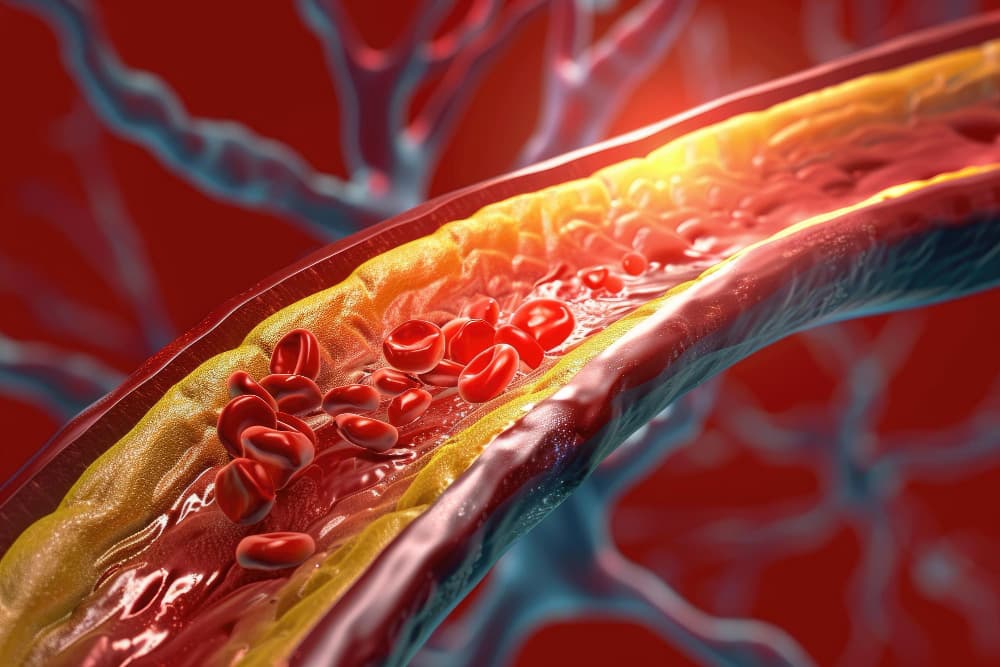

Atherosclerosis is the progressive build-up of fatty, calcified plaques inside the walls of the body's arteries — a process that silently narrows and stiffens blood vessels over decades before making itself known through a heart attack, stroke, or loss of circulation to the legs. It is the underlying disease driving the majority of cardiovascular deaths worldwide, and it is both preventable and, when caught early, highly manageable.
What Is Atherosclerosis?
Atherosclerosis begins in the inner lining of an artery — a single layer of cells called the endothelium — long before any symptoms develop. When this lining is damaged by chronic high blood pressure, cigarette smoke, elevated blood sugar, or high levels of LDL cholesterol circulating in the bloodstream, it becomes inflamed and permeable. LDL cholesterol particles infiltrate the damaged wall and are oxidized, triggering an immune response: white blood cells called macrophages are recruited to engulf the cholesterol particles, and over time these engorged cells die and fuse, forming fatty deposits known as plaques. As plaques grow, they accumulate calcium, fibrous tissue, and additional inflammatory cells — a process sometimes called atherosclerotic calcification — progressively narrowing the channel through which blood flows and reducing the elasticity of the arterial wall.
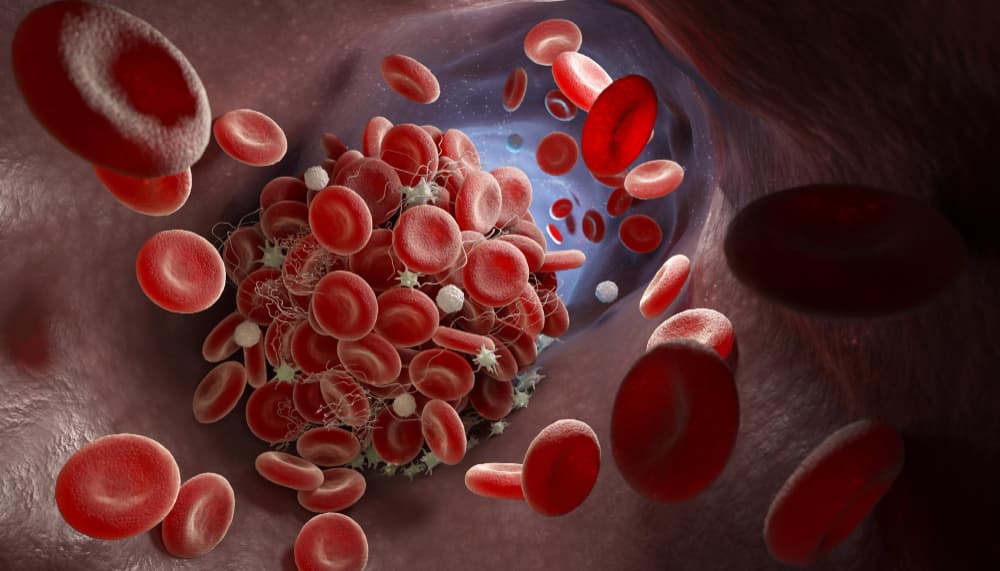
The danger from atherosclerosis comes not only from gradual narrowing but from what happens when a plaque becomes unstable. Plaques with a large lipid core and a thin fibrous cap can rupture suddenly, exposing their contents to flowing blood and triggering the formation of a clot at the rupture site. It is this sudden clot — rather than the slow narrowing itself — that causes the majority of heart attacks and atherosclerotic strokes. A clot large enough to block the artery completely cuts off blood supply to the tissue downstream, whether that is heart muscle, brain, or limb, within minutes.
Atherosclerosis vs Arteriosclerosis
Atherosclerosis and arteriosclerosis are related but distinct terms that are frequently confused. Arteriosclerosis is the broader term, referring to any process that causes the arterial wall to stiffen and lose its normal elasticity — it encompasses atherosclerosis but also includes other forms of arterial hardening driven by age-related calcification and the small-vessel disease seen in long-standing diabetes and high blood pressure. Atherosclerosis is a specific type of arteriosclerosis — defined by the formation of lipid-rich plaques within the arterial wall — and is by far the most clinically important and most common form.
The distinction becomes most relevant when interpreting cardiovascular diagnoses. Atherosclerotic cardiovascular disease (ASCVD) and arteriosclerotic cardiovascular disease both refer to vascular disease caused by this plaque-based process and are used interchangeably in clinical practice to describe patients at elevated risk of heart attack, stroke, and peripheral artery disease driven by the same underlying mechanism.
Which Arteries Does Atherosclerosis Affect?
Atherosclerosis is a systemic disease — it affects the entire arterial system, and the consequences it produces depend on which arteries are most significantly involved. The most clinically important territories are:
- Coronary arteries: The vessels supplying the heart muscle — narrowing causes coronary artery disease (CAD), the most common form of heart disease, and plaque rupture with complete occlusion causes a heart attack
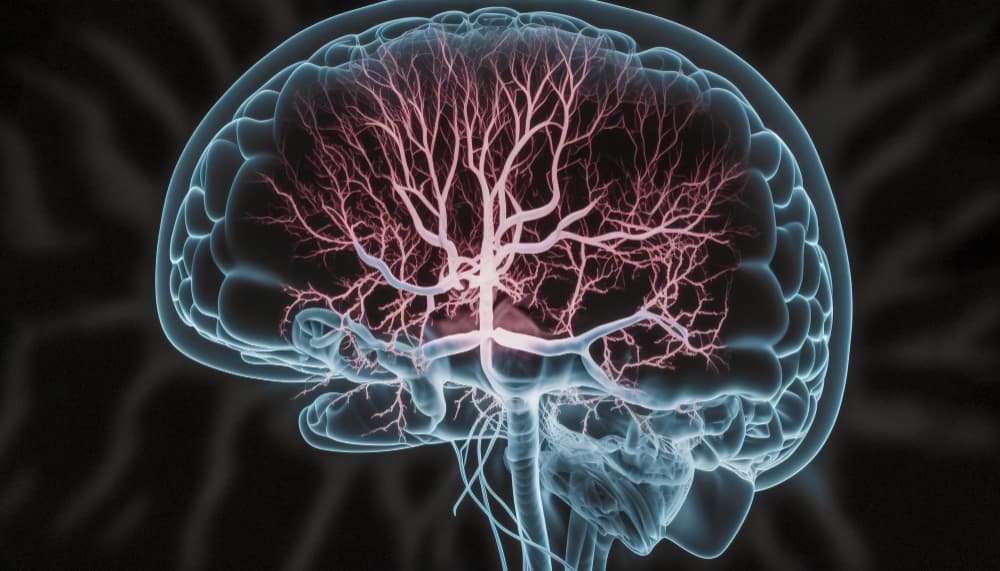
- Carotid and cerebral arteries: Plaque at the carotid bifurcation can shed emboli to the brain, causing atherosclerotic stroke or transient ischemic attack (TIA); atherosclerosis affecting the arteries within the brain itself — cerebral atherosclerosis — is a direct cause of ischemic stroke
- Peripheral arteries: Plaque in the arteries of the legs and pelvis causes peripheral artery disease (PAD), where reduced blood flow produces pain on walking — called claudication — and in advanced cases, critical limb ischemia and the risk of amputation
- Renal arteries: Narrowing of the arteries supplying the kidneys can cause difficult-to-control high blood pressure and contribute to chronic kidney disease
- Aorta: Extensive atherosclerosis of the body's main artery contributes to aortic aneurysm formation and serves as a source of emboli to downstream vessels
Because atherosclerosis is systemic, patients with significant disease in one territory have an elevated probability of concurrent disease in others. A patient with confirmed coronary artery disease, for example, is at meaningfully higher risk of peripheral artery disease and carotid stenosis — which is why a comprehensive cardiovascular assessment evaluates multiple vascular territories rather than only the symptomatic one.

Atherosclerosis Symptoms
One of the most important features of atherosclerotic cardiovascular disease is that it is often completely silent until a major event occurs. Plaques build up over decades without producing any symptoms, and many patients experience their first clinical manifestation as a heart attack or stroke with no prior warning. When symptoms of clogged arteries do appear, they reflect the reduced blood flow in the territory of the affected vessel:
- Coronary artery disease symptoms: Chest pain or tightness — called angina — that develops during exertion and is relieved by rest, breathlessness, and fatigue; a heart attack presents as severe chest pain with sweating, nausea, and radiation to the arm or jaw, and requires emergency treatment
- Cerebrovascular symptoms: Transient ischemic attack or stroke — sudden weakness or numbness on one side, speech difficulty, vision loss in one eye, or sudden severe headache; these are the defining presentations of atherosclerotic stroke and demand immediate emergency evaluation
- Peripheral artery disease symptoms: Pain, cramping, or heaviness in the calves or thighs that comes on with walking and resolves with rest; in advanced cases, pain at rest particularly at night, and slow-healing wounds or ulcers on the feet or toes
- Renovascular symptoms: Difficult-to-control high blood pressure, particularly in younger patients, and progressive kidney function deterioration
It is worth noting that symptoms of clogged arteries in different territories can coexist in the same patient. A person presenting with angina may also have early peripheral artery disease, and a patient who has had a TIA is at elevated risk of coronary events as well as further cerebrovascular events. Treating atherosclerosis as a localised problem rather than a systemic one is one of the most common and consequential errors in cardiovascular management.
What Causes Atherosclerosis?
The process is initiated by endothelial injury combined with an abnormal lipid environment that allows cholesterol to infiltrate the damaged arterial wall. The risk factors that drive this process are well established and predict cardiovascular events across all atherosclerotic territories. Some are modifiable through treatment and lifestyle change; others are fixed but important to know because they increase the urgency of addressing the modifiable ones:
- High LDL cholesterol: The primary driver of plaque formation — the higher and the longer LDL levels are elevated, the greater the arterial plaque burden; familial hypercholesterolaemia is an inherited condition that causes markedly elevated LDL from birth and dramatically accelerates atherosclerosis if untreated
- High blood pressure (hypertension): Damages the endothelium mechanically and accelerates the inflammatory process driving atherosclerosis at every vascular site — it is the single most important modifiable risk factor for both coronary artery disease and atherosclerotic stroke
- Smoking: Causes direct endothelial injury, promotes a pro-inflammatory and pro-thrombotic state, and substantially accelerates atherosclerosis at every arterial territory including the coronary, carotid, and peripheral vessels
- Type 2 diabetes and insulin resistance: Impair endothelial function and accelerate all forms of atherosclerotic cardiovascular disease, often simultaneously affecting the coronary and peripheral arteries
- Age: Atherosclerosis is a lifelong process that accelerates with age — men develop clinically significant coronary artery disease earlier than women on average, though women's risk rises sharply after menopause
- Obesity and physical inactivity: Compound cardiovascular risk through their effects on blood pressure, cholesterol, blood sugar regulation, and systemic inflammation
- Family history: Reflects both inherited lipid metabolism abnormalities and other genetic tendencies that accelerate the atherosclerotic process independently of conventional risk factors
Atherosclerosis and Stroke: Understanding the Connection
The link between atherosclerosis (hardened arteries) and stroke is a critical health connection to understand. Because plaque buildup can cause a stroke in a few different ways, preventing it requires a comprehensive approach that goes far beyond simply taking a daily blood thinner.
Here is how clogged arteries can lead to a stroke:
Blocked Blood Flow (Large Artery Stroke): Plaque buildup in the main neck arteries (carotid arteries) or major brain vessels can rupture. This creates a sudden blood clot that shuts down blood flow to the brain.
Traveling Clots (Embolism): Pieces of plaque or small blood clots can break away from the main buildup, travel downstream into deeper areas of the brain, and get stuck in smaller blood vessels.
In-the-Spot Blockages (Cerebral Atherosclerosis): Plaque can develop inside the small arteries of the brain itself. A blood clot can form directly on top of this plaque and block blood flow right on the spot.
Heart Rhythm Triggers: Atherosclerosis can indirectly cause strokes by contributing to atrial fibrillation — an irregular heart rhythm that itself causes clots to form in the heart. This irregular rhythm allows blood to pool and clot inside the heart, which can then travel to the brain.
Ultimately, this plaque buildup leads to carotid artery stenosis (narrowed neck arteries), which stands as one of the most treatable and preventable structural causes of stroke.
Atherosclerosis Treatment
Treatment operates on two complementary levels: slowing or halting disease progression through risk factor modification and medical therapy, and directly addressing specific arterial narrowings through interventional or surgical procedures. Medical therapy is the backbone of atherosclerosis management across all vascular territories and includes:
- Statin therapy: The most important medical intervention for atherosclerotic cardiovascular disease — statins reduce LDL cholesterol and have direct plaque-stabilising and anti-inflammatory effects that reduce event risk; in high-risk patients including all those with established coronary artery disease, peripheral artery disease, or a history of stroke, statins are prescribed indefinitely
- Antithrombotic therapies: Antiplatelet medications — most commonly aspirin, clopidogrel, or a combination — reduce the risk of clot formation on disrupted plaques and are prescribed to virtually all patients with established atherosclerotic cardiovascular disease; anticoagulants are added when atrial fibrillation coexists and adds cardioembolic stroke risk on top of atherosclerotic risk
- Antihypertensive therapy: Blood pressure reduction is one of the most impactful interventions for preventing coronary and cerebrovascular events, and tight control is a target across all cardiovascular treatment guidelines
- Blood sugar management: In patients with diabetes, optimising glycaemic control slows the accelerated atherosclerosis driven by the diabetic milieu; GLP-1 receptor agonists and SGLT-2 inhibitors have demonstrated direct cardiovascular event reduction in high-risk populations
- PCSK9 inhibitors: In patients who remain at high cardiovascular risk despite maximally tolerated statin therapy, these injectable agents dramatically reduce LDL cholesterol and have demonstrated significant reductions in heart attack and stroke risk in large clinical trials
Lifestyle modification is foundational rather than supplementary. Stopping smoking is among the most powerful single interventions available — excess cardiovascular disease risk begins to fall within weeks of cessation. A heart-healthy dietary pattern such as the Mediterranean diet, which is low in saturated and trans fats, high in vegetables, whole grains, legumes, and fish, and moderate in alcohol reduces LDL cholesterol, blood pressure, and systemic inflammation simultaneously. Regular aerobic exercise — at minimum 150 minutes of moderate-intensity activity per week — has direct benefits across blood pressure, insulin sensitivity, HDL cholesterol, and inflammatory markers.
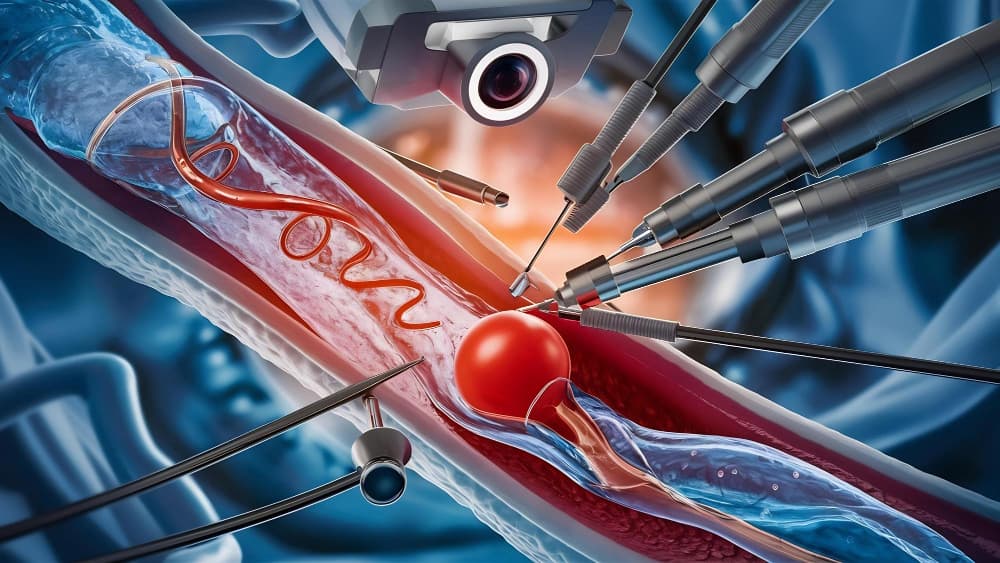
Interventional and surgical treatment is indicated when a specific arterial narrowing is causing significant symptoms or has caused an acute event. In coronary artery disease, this takes the form of percutaneous coronary intervention — coronary angioplasty and stenting — or bypass surgery. In carotid artery stenosis, carotid endarterectomy or carotid artery stenting is offered to patients who have had a TIA or stroke. In peripheral artery disease, balloon angioplasty, stenting, or bypass surgery restores limb circulation in patients with disabling claudication or critical limb ischemia.
Atherosclerosis Treatment and Cardiovascular Care at Medical Park
Medical Park Hospitals provide comprehensive atherosclerotic cardiovascular disease assessment and treatment through an integrated team of cardiologists, cardiovascular surgeons, neurologists, and interventional radiologists working across a single patient pathway. Patients presenting with symptoms of coronary artery disease, carotid artery stenosis, peripheral artery disease, or an atherosclerotic stroke or TIA are evaluated through a systematic approach that assesses all relevant vascular territories rather than treating each manifestation in isolation. Central to this pathway is our dedicated Stroke Center, which coordinates closely with the multidisciplinary team to ensure rapid stroke risk assessment, personalized treatment plans, and continuous neurological monitoring.
Diagnostic capabilities include cardiac catheterization, coronary CT angiography, carotid and peripheral vascular ultrasound, CT and MR angiography, and comprehensive lipid and metabolic profiling. Medical therapy programs covering statin and antithrombotic therapy, blood pressure management, and diabetic cardiovascular risk reduction are structured and monitored within the same integrated system.
International patients who have received a diagnosis of atherosclerotic cardiovascular disease — whether coronary artery disease, peripheral artery disease, carotid stenosis, or a cerebrovascular event — and wish to obtain a second opinion on their treatment plan can arrange a structured independent review through Medical Park's international patient services team, with the full spectrum of interventional and medical care available within the same hospital system.






 Makaleye Dön
 E-Result
 WhatsApp