


 TR
 EN
 RU
 AR
 FR


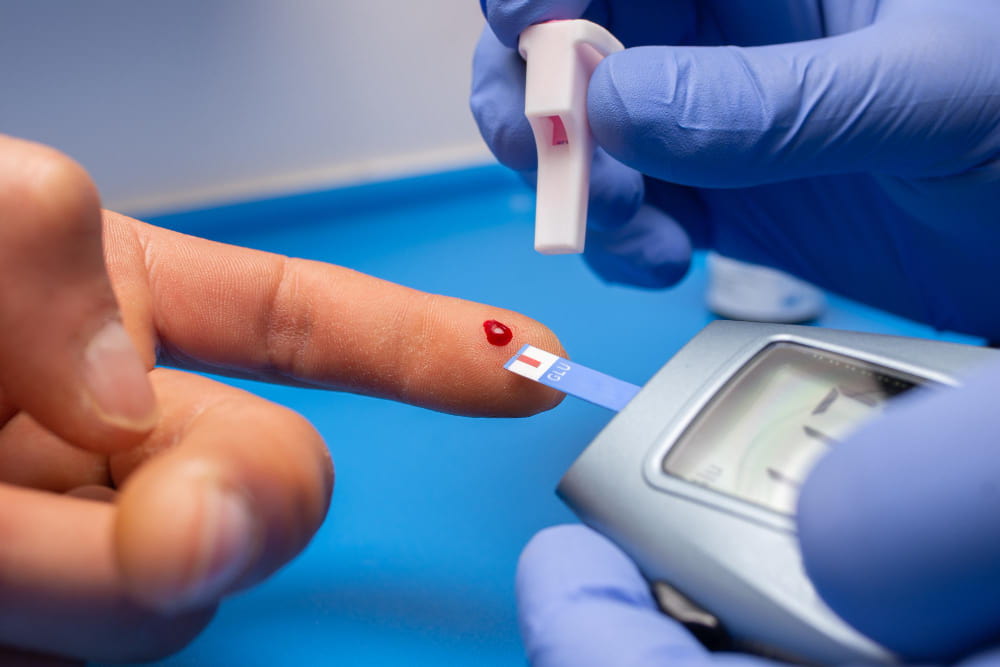

Blood sugar, also called blood glucose, is the body's main energy source. It comes from the food you eat, especially carbohydrates, and is carried in the bloodstream to every cell. Insulin and other hormones tightly regulate glucose levels so that they stay within a healthy range throughout the day and night.
When this balance is disrupted, blood sugar can become too high (hyperglycemia) or too low (hypoglycemia). Both hyperglycemia and hypoglycemia can cause symptoms in the short term and, if persistent, increase the risk of serious health problems such as heart disease, kidney damage, nerve damage, and vision loss.
Many people first learn about their blood sugar levels through a routine checkup, a glucose blood test ordered by a doctor, or home monitoring as part of diabetes management. Understanding what is glucose, how the body regulates blood sugar, and what different test results mean can help you interpret your own numbers and know when to seek medical advice.
This guide explains normal blood sugar levels, how to interpret fasting, post-meal, and A1C results on a blood glucose chart, what to do when levels are too high or too low, and how diet, activity, and daily habits can help keep glucose stable.
What Is Glucose and Why Blood Sugar Matters
Glucose is a simple sugar that circulates in the blood and provides energy for the brain, muscles, and other tissues. Most glucose comes from food, particularly carbohydrates, which are broken down during digestion and released into the bloodstream.
Insulin plays a central role in regulating blood sugar. After glucose enters the bloodstream, the pancreas releases insulin, which helps cells take up glucose and use it for energy. Insulin also helps the body store excess glucose for later use.
When this system does not work properly, elevated levels of glucose can develop. This can occur because the body does not produce enough insulin, the cells do not respond effectively to insulin, or both. Blood glucose can also fall below a healthy level when there is too much insulin relative to available glucose or when other medical or lifestyle factors interfere with glucose regulation.
The terms blood sugar and blood glucose generally refer to the same measurement in everyday medical use. The important distinction is how the glucose was measured and what the result represents.
Normal Blood Sugar Levels
Blood sugar levels are most often interpreted using three main blood tests: fasting blood glucose, postprandial (after-meal) glucose, and the A1C test, which reflects average blood sugar over about three months. The ranges below are based on current American Diabetes Association (ADA) criteria for non-pregnant adults and are commonly used to classify normal glucose levels, prediabetes, and diabetes.
| Category | Fasting Blood Glucose (mg/dL) | 2-Hour Postprandial Glucose (mg/dL) | A1C (%) |
|---|---|---|---|
| Normal | Less than 100 | Less than 140 | Less than 5.7 |
| Prediabetes | 100–125 | 140–199 | 5.7–6.4 |
| Diabetes | 126 or higher (on two separate tests) | 200 or higher | 6.5 or higher |
These ranges apply to most non-pregnant adults. Targets may differ for older adults, people with multiple health conditions, or during pregnancy. A single abnormal result usually needs confirmation with a repeat test on a different day unless there are clear symptoms of diabetes.
Fasting Blood Sugar
Fasting blood sugar is measured after not eating or drinking anything except water for at least 8 hours, usually first thing in the morning. This test shows how well the body controls glucose between meals and overnight. Normal fasting blood sugar is below 100 mg/dL. Levels from 100 to 125 mg/dL indicate prediabetes, and 126 mg/dL or higher on two separate tests suggests diabetes.
Blood Sugar Levels After Eating (Postprandial)
Postprandial blood sugar is checked 1 to 2 hours after the start of a meal. Levels naturally rise after eating, especially after carbohydrate-rich meals, then fall as insulin moves glucose into cells. In people without diabetes, blood sugar levels after eating typically stay below 140 mg/dL at 2 hours. Levels of 140 to 199 mg/dL suggest prediabetes, and 200 mg/dL or higher may indicate diabetes, especially if accompanied by symptoms.
A1C and Average Blood Sugar
The A1C test measures the percentage of hemoglobin in red blood cells that has glucose attached to it, reflecting average blood sugar levels over the past 2 to 3 months. Unlike a single fingerstick reading, A1C is not affected by what you ate that day. An A1C below 5.7% is considered normal, 5.7% to 6.4% indicates prediabetes, and 6.5% or higher suggests diabetes.
A1C can also be converted to an estimated average glucose (eAG) to help relate the percentage to daily blood sugar readings.
How Is Blood Sugar Tested?
Blood sugar can be tested in a clinic, laboratory, or at home using different methods. The choice of test depends on whether the goal is screening, diagnosis, or day-to-day diabetes management.
Fasting and Random Glucose Tests
A fasting plasma glucose test is done after an 8-hour fast and is commonly used to screen for prediabetes and diabetes. A random blood glucose test can be done at any time, regardless of when you last ate. A random level of 200 mg/dL or higher, along with classic symptoms such as excessive thirst and urination, may be enough to diagnose diabetes.
Oral Glucose Tolerance Test
The oral glucose tolerance test (OGTT) measures blood sugar before and 2 hours after drinking a standardized glucose solution. It is often used in pregnancy to screen for gestational diabetes and sometimes in non-pregnant adults when other test results are unclear. A 2-hour value of 140 to 199 mg/dL indicates prediabetes, and 200 mg/dL or higher suggests diabetes.
Continuous Glucose Monitors (CGMs) and Blood Sugar Monitoring Without Finger Pricks
Continuous glucose monitors (CGMs) are small sensors worn on the skin that measure glucose in the fluid around cells (interstitial fluid) every few minutes. They send readings to a receiver or smartphone, showing trends and alerts for high or low levels. Some CGMs are approved for use without routine fingerstick calibration, offering a blood sugar monitor without finger pricks for many users.
CGMs are especially helpful for people with diabetes who use insulin, as they show how food, activity, and medication affect glucose throughout the day and night. However, CGM readings can lag slightly behind blood glucose during rapid changes, and confirmatory fingerstick tests may still be needed in certain situations, such as when symptoms do not match the reading or when making critical treatment decisions.
High Blood Sugar (Hyperglycemia)
Hyperglycemia means that the level of glucose in the blood is higher than normal. It is most common in people with diabetes, but it can also occur temporarily during illness, stress, or with certain medications. If blood sugar remains high over time, it can damage the nerves, kidneys, eyes, and blood vessels. Nerve damage, particularly in the feet and legs, can lead to diabetic neuropathy, causing symptoms such as pain, burning, tingling, numbness, or weakness.
Persistently high blood sugar can also affect the health of the arteries and contribute to atherosclerosis, a condition in which fatty deposits build up inside the artery walls. This can increase the risk of cardiovascular and cerebrovascular problems, including stroke.
Symptoms of Hyperglycemia
High blood sugar symptoms often develop gradually and may not be noticeable until glucose levels are significantly elevated. Common hyperglycemia symptoms include:
Frequent urination: The body tries to remove excess glucose through urine.
Increased thirst and dry mouth: Fluid loss from urination leads to dehydration.
Fatigue and weakness: Cells are not getting enough glucose for energy.
Blurred vision: High glucose can cause swelling in the lenses of the eyes.
Unintended weight loss: More common in type 1 diabetes, as the body breaks down fat and muscle for energy.
What Causes High Blood Sugar
Causes of high blood sugar include not enough insulin (in type 1 diabetes), insulin resistance (in type 2 diabetes), illness or infection, stress, certain medications such as steroids, and eating larger or more carbohydrate-heavy meals than usual. In people without diabetes, temporary hyperglycemia can occur during severe stress, after major surgery, or with conditions that affect hormone balance.
When High Blood Sugar Is an Emergency
Very high blood sugar levels can lead to dangerous complications such as diabetic ketoacidosis (DKA) or hyperosmolar hyperglycemic state (HHS). Seek urgent medical care if blood glucose stays above 240 mg/dL with symptoms of ketones in urine or blood, or if you experience nausea, vomiting, abdominal pain, fruity-smelling breath, rapid deep breathing, confusion, or difficulty staying awake.
These can be warning signs of DKA, a life-threatening condition that requires immediate treatment.
Low Blood Sugar (Hypoglycemia)
Hypoglycemia, or low blood sugar, occurs when glucose levels drop below the normal range, typically below 70 mg/dL. It is most common in people with diabetes who use insulin or certain oral medications, but it can also happen in people without diabetes.
Symptoms of Hypoglycemia
Low blood sugar symptoms can appear suddenly and vary from person to person. Common hypoglycemia symptoms include:
Shakiness or trembling
Sweating and chills
Rapid heartbeat
Hunger
Dizziness or lightheadedness
Confusion, irritability, or mood changes
Blurred vision or headache
Severe hypoglycemia can cause seizures, loss of consciousness, or inability to swallow and requires emergency treatment.
Causes of Low Blood Sugar in People with Diabetes
In people with diabetes, causes of low blood sugar often include taking too much insulin or diabetes medication, delaying or skipping meals, eating fewer carbohydrates than usual, drinking alcohol without food, or engaging in more physical activity than normal. Some people also experience hypoglycemia unawareness, where they no longer feel early warning symptoms, making regular monitoring especially important.
What Causes Low Blood Sugar Without Diabetes
Hypoglycemia without diabetes is less common but can occur. Causes of low blood sugar without diabetes include:
Reactive hypoglycemia: Low blood sugar that occurs 2 to 4 hours after eating, often after meals high in refined carbohydrates. It may be related to an exaggerated insulin response and can be seen in people with prediabetes or after certain stomach surgeries.
Fasting hypoglycemia: Low blood sugar after not eating for an extended period, which can signal an underlying medical problem.
Medications: Some drugs, such as quinine (for malaria), certain antibiotics, or accidentally taking someone else’s diabetes medication, can lower blood sugar.
Alcohol: Heavy drinking, especially without eating, can prevent the liver from releasing stored glucose.
Serious medical conditions: Severe liver disease, kidney failure, advanced heart failure, sepsis, or hormone deficiencies (such as low cortisol or growth hormone) can cause hypoglycemia.
Rare tumors: Insulinomas and other rare pancreatic tumors can produce excess insulin, leading to low blood sugar.
Malnutrition or eating disorders: Prolonged starvation or eating disorders like anorexia nervosa can deplete the body’s glucose stores.
Treating Low Blood Sugar Quickly
To treat low blood sugar fast, the usual approach is to consume 15 to 20 grams of fast-acting carbohydrate, such as glucose tablets, fruit juice, regular (non-diet) soda, or hard candy. Recheck blood sugar after 15 minutes and repeat if it remains below 70 mg/dL. Once glucose is back in a safe range, eating a small snack with protein and complex carbohydrate can help prevent another drop.
Severe hypoglycemia, where a person cannot swallow or is unconscious, requires emergency treatment with glucagon (by injection or nasal spray) and immediate medical attention.
How to Lower Blood Sugar
For people with prediabetes or diabetes, learning how to lower blood sugar through daily habits is a key part of diabetes management. Small, consistent changes in diet, activity, and routine can make a significant difference in glucose range in diabetes and overall health.
Diet and Food Choices
Food has a direct effect on glucose levels, particularly carbohydrate-containing foods. Choosing balanced meals with appropriate portions of carbohydrates, protein, fiber, and healthy fats can help reduce large fluctuations in blood sugar. Eating patterns such as the Mediterranean diet can provide a balanced approach that emphasizes vegetables, legumes, whole grains, and other nutrient-dense foods.
Foods that are high in fiber, such as vegetables, legumes, and whole grains, are generally digested more slowly than highly refined carbohydrates. Limiting foods and drinks with large amounts of added sugar can further support better glucose control.
There is no single food that can reliably lower blood sugar immediately. A diet to control blood sugar should instead be based on consistent eating patterns and individualized nutritional needs.
Physical Activity
Regular physical activity helps muscles take up glucose and can improve insulin sensitivity, while prolonged inactivity may make blood sugar harder to control. Avoiding a sedentary lifestyle and incorporating regular movement into the day can therefore support long-term blood sugar management.
For some people with diabetes, however, exercise can also cause glucose to fall too low, particularly when insulin or certain glucose-lowering medications are being used. Monitoring glucose and understanding how the body responds to different types and intensities of exercise are important parts of safe diabetes management.
Other Factors That Affect Blood Sugar
Other factors that affect blood sugar include sleep, stress, illness, and medication timing. Poor sleep and high stress can raise blood sugar through hormonal changes. Infections and other illnesses often cause temporary hyperglycemia. Taking medications at consistent times and following prescribed dosing instructions helps keep glucose levels stable. Learning how to keep blood sugar stable involves paying attention to these factors and adjusting habits as needed.
Blood Sugar and Diabetes Management
Blood glucose monitoring is an important part of diabetes management, but the appropriate target is not identical for every person. For many nonpregnant adults with diabetes, the ADA recommends a premeal glucose target of 80–130 mg/dL (4.4–7.2 mmol/L), a peak post-meal level below 180 mg/dL (10.0 mmol/L), and an A1C goal below 7%. Individual targets may be more or less stringent depending on age, overall health, treatment risks, duration of diabetes, complications, and the risk of hypoglycemia.
People with prediabetes may also benefit from regular assessment and lifestyle changes aimed at reducing the risk of progression to diabetes. The appropriate frequency of testing depends on the individual's risk factors and previous results.
Blood glucose results should always be interpreted in context. A single abnormal reading may require repeat testing, while a pattern of elevated or low readings may point to a need for further evaluation or a change in treatment. People with diabetes should work with their healthcare team to establish personal glucose targets and determine which monitoring method is most appropriate.
Why Choose Medical Park for Blood Glucose and Diabetes Care?
Medical Park Hospitals in Turkey provide comprehensive screening, evaluation and care for people with diabetes, abnormal blood glucose levels, and other metabolic health concerns. Medical Park's Endocrinology specialists can evaluate glucose and A1C results alongside symptoms, medical history, medications, and nutritional factors to determine whether further testing or treatment is needed. For people who have diabetes or are at increased risk, care can include individualized diabetes management, glucose monitoring, nutritional guidance, and medication planning.
Medical Park's comprehensive check-up packages and preventive health screenings can also help assess overall health and identify potential concerns that may require further evaluation. When necessary, endocrinology specialists can work with other departments to address health problems that may be associated with diabetes, including cardiovascular, kidney, or neurological concerns.
For international patients, Medical Park's International Patient Services can help arrange specialist consultations, blood tests, health screenings, and follow-up appointments in Turkey. Whether you are having an abnormal blood glucose result evaluated, undergoing a preventive health screening, or need ongoing diabetes care, our specialists can assess your results and overall health to develop an evaluation and treatment plan suited to your individual needs.


 Makaleye Dön
 E-Result
 WhatsApp