


 TR
 EN
 RU
 AR
 FR


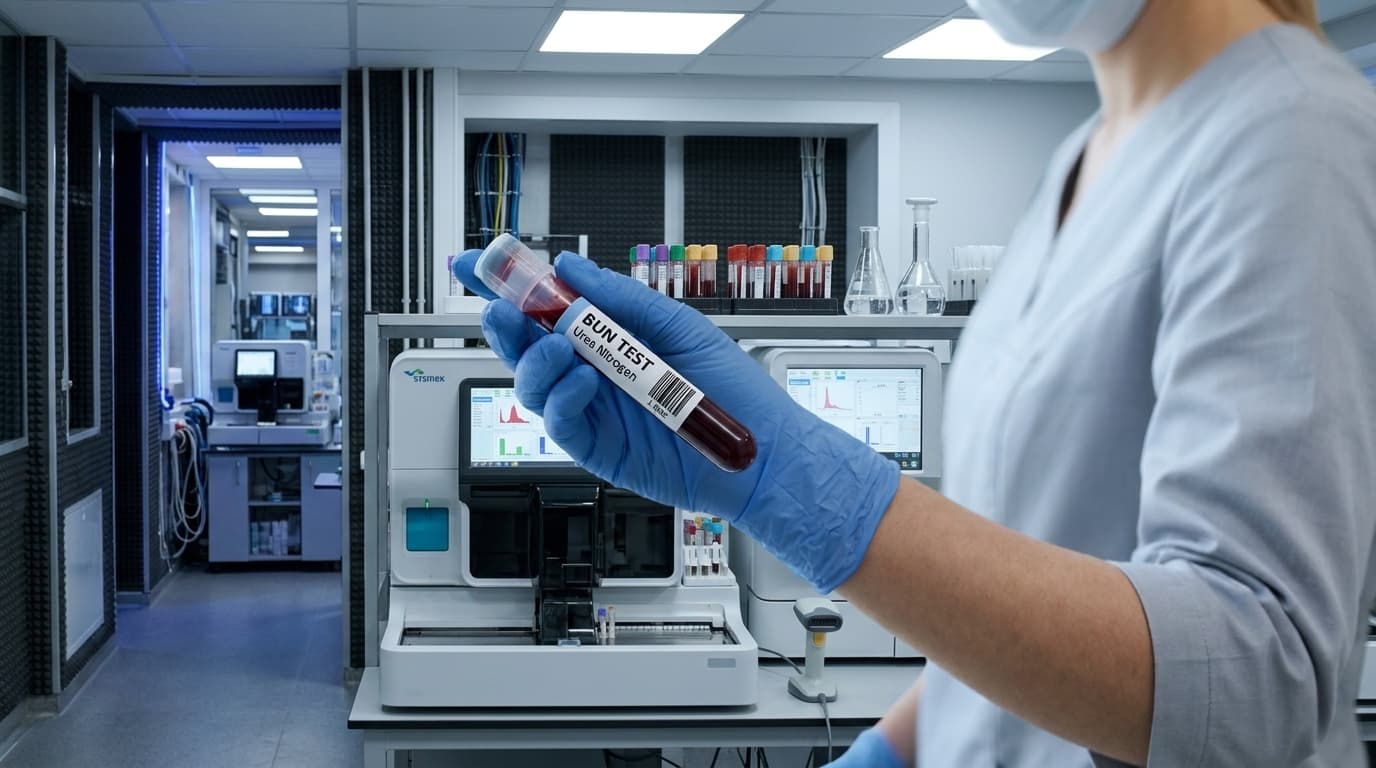

A blood urea nitrogen (BUN) test measures the amount of nitrogen in the blood that comes from urea, a waste product formed when the body breaks down protein. The liver produces urea, and the kidneys remove it through urine. BUN is commonly included in routine blood panels and used alongside creatinine and other measurements to assess kidney function and overall health.
A BUN result does not tell the whole story on its own. Dehydration, protein intake, liver function, certain medicines, and other health conditions can affect the level, even when the kidneys are working normally. Understanding the result requires looking at the laboratory's reference range, related test results, symptoms, and medical history.
What Is BUN (Blood Urea Nitrogen)?
BUN stands for blood urea nitrogen. It measures the nitrogen component of urea, a waste product formed when the body processes protein from food and normal tissue turnover. Urea travels through the bloodstream to the kidneys, which filter it and remove it in urine.
The amount of BUN in the blood reflects a balance between how much urea the liver produces and how effectively the kidneys remove it. BUN may rise when urea production increases or kidney removal decreases. A lower result can occur when the body produces less urea or when excess fluid dilutes its concentration.
BUN is useful because it provides information about more than kidney filtration alone. It can change with fluid balance, protein metabolism, circulation, and liver function. This makes it a helpful part of a blood test panel, but an abnormal result needs to be interpreted in context.
How the Body Makes and Removes Urea
Protein is made up of amino acids, which the body uses to build and repair tissues and produce essential substances. When proteins are broken down, nitrogen is removed from the amino acids, producing ammonia. Because ammonia can be harmful if it accumulates, the liver converts it into urea through a process called the urea cycle.
Urea then circulates in the blood until it reaches the kidneys, which filter it and eliminate it in urine. Some urea is normally reabsorbed into the bloodstream, and the amount can change with hydration and urine flow. During dehydration, for example, the kidneys conserve water and reabsorb more urea, which can increase BUN without permanent kidney damage.
What a BUN Blood Test Measures
A BUN blood test measures the concentration of urea nitrogen in a blood sample. It is one of several measurements doctors use to assess kidney function, fluid balance, and certain metabolic or systemic conditions.
A high result may occur because the kidneys are not removing urea effectively, but it can also reflect increased urea production or reduced blood flow to the kidneys. A low result may be associated with reduced protein intake, overhydration, pregnancy, or impaired urea production in the liver.
BUN is commonly included in a basic metabolic panel (BMP) or comprehensive metabolic panel (CMP). These panels contain other measurements that help doctors assess the body's chemical balance and organ function. The exact tests included depend on the panel and laboratory.
BUN vs. Urea: Reading Your Lab Report
BUN and urea refer to related measurements, but they are not expressed in the same way. Urea contains nitrogen and other elements, while BUN measures only the nitrogen portion of the urea molecule.
In the United States, laboratories commonly report BUN in milligrams per deciliter (mg/dL). In Turkey and many other countries, laboratory reports may list urea in millimoles per liter (mmol/L) or milligrams per deciliter. A result labeled urea should not be interpreted using a BUN reference range without conversion.
The approximate conversion factors are:
Urea (mmol/L) to BUN (mg/dL): Multiply the urea value by 2.8.
BUN (mg/dL) to urea (mmol/L): Divide the BUN value by 2.8.
Urea (mg/dL) to BUN (mg/dL): Multiply the urea value by approximately 0.47.
BUN (mg/dL) to urea (mg/dL): Multiply the BUN value by approximately 2.14.
For example, a urea result of 7 mmol/L corresponds to a BUN level of approximately 19.6 mg/dL. A BUN result of 20 mg/dL corresponds to a urea level of approximately 7.1 mmol/L. These are approximate conversions, so check the test name, units, and reference interval on the original report.
Why Is a BUN Test Done?
A BUN test is often ordered as part of routine blood work or when a doctor needs more information about kidney function and fluid balance. It is usually interpreted with creatinine because the two measurements provide complementary information. BUN can also help monitor people with certain chronic conditions or assess changes during an acute illness.
Doctors may request a BUN blood test for several reasons:
To assess kidney function: BUN is measured alongside creatinine and estimated glomerular filtration rate (eGFR) when checking how well the kidneys filter waste. BUN alone cannot confirm or rule out kidney disease.
To investigate possible dehydration: Fluid loss through vomiting, diarrhea, fever, sweating, or inadequate intake can reduce circulating blood volume and raise BUN.
To monitor existing conditions: People with kidney disease, heart failure, or certain liver conditions may have BUN measured during follow-up. Changes over time can help doctors assess their condition and response to treatment.
To investigate symptoms: The test may be included when a person has swelling, changes in urination, fatigue, or nausea that could be associated with kidney or systemic illness.
To monitor dialysis: BUN measurements before and after dialysis can help assess how effectively urea is being removed. Dialysis adequacy is evaluated using additional measurements and clinical information.
As part of an illness assessment: BUN is included in some clinical scoring systems used to assess pneumonia severity. It is one factor among several and does not diagnose pneumonia.
During routine check-ups: BUN may be included in a metabolic panel ordered as part of a general health assessment, depending on the selected tests and the person's medical needs.
BUN may also be considered alongside other blood markers when a doctor investigates a broader clinical picture. Related measurements include CRP, ferritin, hemoglobin, and blood glucose.
BUN Normal Range and Levels
The typical adult BUN normal range is approximately 7 to 20 mg/dL, equivalent to about 2.5 to 7.1 mmol/L for urea. This is a general reference point, not a universal cutoff. Laboratories use different methods and reference intervals, and results can vary with age, pregnancy, diet, hydration, and other factors.
The first step in interpreting BUN levels is to compare the result with the reference range printed on the laboratory report. A value slightly outside that range does not automatically indicate kidney disease or another serious condition. The doctor considers it alongside creatinine, eGFR, symptoms, medical history, and previous results.
| Group | Typical reference information | Important considerations |
|---|---|---|
| Adults | BUN: approximately 7–20 mg/dL; equivalent urea: approximately 2.5–7.1 mmol/L | The laboratory's own adult reference range takes priority. |
| Older adults | The upper end of the reference range may be higher in some laboratories. | Age, hydration, diet, medicines, and existing conditions can affect the result. |
| Children | Reference intervals vary with age. | Infants and younger children may have different reference intervals. |
| Pregnancy | BUN is often lower than in nonpregnant adults. | Increased kidney filtration and changes in blood volume affect the result. |
There is no single BUN value that defines a dangerous result for every person. The urgency depends on how high or low the level is, whether creatinine and other tests are abnormal, and whether symptoms or an underlying illness are present.
Normal BUN Levels by Age and Sex
BUN levels can vary across different stages of life. Infants and children have age-dependent reference intervals, while older adults may have higher results because of changes in kidney function, hydration, diet, and other health conditions. An age-appropriate laboratory range should be used when interpreting a child's or older adult's result.
Sex can also influence reference intervals, although the difference is generally less pronounced than the effects of kidney function, hydration, and protein metabolism. Laboratories may use separate ranges for males and females or a shared adult interval.
Pregnancy requires particular consideration. Blood volume increases and kidney filtration generally becomes more active, which can lower BUN. A result that appears low against a standard adult range may be expected during pregnancy, but it should still be interpreted by the healthcare professional following the pregnancy.
Why Ranges Differ Between Laboratories
Laboratories may use different testing methods, equipment, and reference populations. Their BUN reference intervals are therefore not always identical. Some reports also display urea rather than BUN, making it essential to check the test name and unit before comparing results.
When monitoring a trend, using the same laboratory where possible can make changes easier to interpret. Results from different laboratories should not be compared directly without checking their units and reference intervals.
Things That Change BUN Without Disease
BUN can change for reasons that do not indicate permanent kidney damage:
Protein intake: A high-protein diet or recent protein-heavy meal can increase urea production, while a low-protein diet may reduce it.
Hydration: Dehydration can raise BUN as the kidneys conserve water and reabsorb more urea. Excess fluid can lower its concentration.
Exercise and tissue breakdown: Intense physical activity, fever, burns, and other conditions that increase protein breakdown may raise urea production.
Pregnancy: Changes in blood volume and kidney filtration commonly lower BUN.
Age and muscle mass: Age-related changes in health, diet, and kidney function can affect BUN. Muscle mass has a more direct effect on creatinine, which is why both values need to be considered together.
Medicines: Some medicines affect urea production, fluid balance, or kidney function. The effect depends on the drug and the person's health.
These influences explain why a single BUN result should not be used to make a diagnosis. A doctor may recommend repeating the test or checking other measurements if the result does not fit the person's clinical picture.
High BUN Levels
High BUN means that the amount of urea nitrogen in the blood is above the laboratory's reference range. It can indicate that the kidneys are not removing urea effectively, but it can also occur when the body produces more urea or when blood flow to the kidneys is reduced.
Doctors often group possible causes according to where the problem occurs: before the kidneys, within the kidneys, or after the kidneys. This distinction helps guide further investigation, but the result must still be interpreted alongside creatinine, urine output, symptoms, and other findings.
What a High BUN Level Can Mean
The medical term azotemia describes an increase in nitrogen-containing waste products, including urea and creatinine, in the blood. It can occur when blood flow to the kidneys is reduced, kidney tissue is damaged, or urine flow is obstructed.
Azotemia is not the same as uremia, which refers to the clinical effects of severe kidney dysfunction and the buildup of waste products and other substances in the body. Uremia may cause nausea, loss of appetite, itching, confusion, and other complications. A high BUN result alone does not establish uremia.
Causes Before the Kidney
The term prerenal refers to problems that reduce blood flow to the kidneys before blood reaches the kidney tissue. The kidneys may initially be structurally intact, but reduced circulation can limit filtration and increase BUN.
Common prerenal causes include:
Dehydration: Fluid loss from vomiting, diarrhea, fever, heavy sweating, or inadequate intake can reduce circulating blood volume. BUN may rise as the kidneys conserve water and reabsorb more urea.
Heart failure: When the heart cannot pump blood effectively, blood flow to the kidneys may decrease. BUN can rise as circulation and fluid balance are affected.
Low blood pressure or shock: Severe blood loss, serious infection, or other causes of shock can reduce blood supply to the kidneys. This can lead to a rapid rise in BUN and may also cause acute kidney injury.
Bleeding in the digestive tract: Blood entering the stomach or intestines is digested as protein. This can increase urea production and raise BUN, sometimes before other signs of blood loss become obvious.
High protein intake: A diet containing large amounts of protein can increase the amount of urea the liver produces. This may raise BUN even when kidney function is otherwise normal.
Fever and major illness: Infection, burns, trauma, and other conditions can increase protein breakdown. The resulting rise in urea production may contribute to a higher BUN level.
A high BUN with normal creatinine may occur in these situations, but it does not prove that dehydration is the cause or that the kidneys are healthy. The doctor considers circulation, fluid status, urine output, and other test results.
Causes in the Kidney
Renal causes arise from damage or disease affecting the kidney tissue itself. When the kidneys cannot filter waste effectively, both BUN and creatinine may increase.
Possible causes include:
Acute kidney injury: A sudden decline in kidney function can develop over hours or days. It may follow severe dehydration, infection, reduced blood pressure, medication effects, or direct kidney damage.
Chronic kidney disease: Long-term damage can reduce the kidneys' ability to remove waste products. BUN may rise as kidney function declines, although it is not used alone to diagnose or stage the condition.
Inflammation of the kidney filters: Conditions such as glomerulonephritis affect the structures that filter blood. They may cause changes in kidney function, blood or protein in the urine, and increases in BUN or creatinine.
The degree of BUN elevation does not reliably show how much kidney damage has occurred. Someone with kidney disease may have a result within the reference range, while a person without chronic kidney disease may have a temporary increase due to dehydration or another cause.
Causes After the Kidney
Postrenal causes occur when urine cannot drain normally from the kidneys through the urinary tract. A blockage can increase pressure in the urinary system and interfere with kidney function.
Possible causes include an enlarged prostate, kidney or urinary stones, tumors, and other conditions that obstruct urine flow. Symptoms may include difficulty starting urination, a weak urine stream, pain, or reduced urine output, although some obstructions cause few early symptoms.
A suspected urinary blockage needs medical assessment. A doctor may request urine tests or imaging and refer the patient to a urologist when appropriate.
Medicines That Raise BUN
Some medicines can increase BUN by changing fluid balance, increasing protein breakdown, or affecting kidney function. The effect varies according to the medicine, dose, duration of use, and the person's overall health.
Examples include:
Corticosteroids: Medicines such as prednisone can increase protein breakdown and may raise BUN.
Diuretics: These medicines increase urine production. If they contribute to excessive fluid loss or reduced circulating blood volume, BUN may rise.
Certain antibiotics: Some antibiotics can affect kidney function, particularly in people with existing kidney problems or when used with other medicines that carry renal risks.
Anti-inflammatory pain relievers: Nonsteroidal anti-inflammatory drugs (NSAIDs), including ibuprofen and naproxen, can reduce blood flow to the kidneys in susceptible people. Regular use may increase the risk of kidney injury, especially in people who are dehydrated or have kidney or heart disease.
A high BUN result is not a reason to stop a prescribed medicine independently. The doctor can review prescription medicines, over-the-counter products, and supplements and decide whether any changes are necessary.
Symptoms Linked to a High BUN
BUN itself does not usually cause symptoms. Symptoms arise from the condition responsible for the increased level, such as dehydration, bleeding, heart failure, urinary obstruction, or kidney injury.
Depending on the cause, a person may experience thirst, dizziness, reduced urination, swelling, nausea, vomiting, fatigue, or shortness of breath. Advanced kidney dysfunction can cause additional symptoms as waste products and fluid accumulate, including poor appetite, persistent itching, difficulty concentrating, and confusion.
A mildly elevated BUN may cause no noticeable symptoms. However, severe or rapidly worsening symptoms should not be dismissed because the result is only slightly abnormal.
Low BUN Levels
Low BUN levels are less common than high levels and are usually not a cause for concern when they occur in isolation. A low result may reflect reduced urea production, lower protein intake, or dilution of the blood by excess fluid. It does not usually indicate that the kidneys are filtering too well or that they are damaged.
The meaning depends on the person's nutritional status, liver function, fluid balance, pregnancy status, and other laboratory findings. A doctor may not need to investigate a mildly low BUN if the person is otherwise well and the remaining results are normal.
Causes of Low BUN
Several factors can reduce the amount of urea in the blood:
Low protein intake: Eating little protein can reduce the amount of nitrogen available for urea production. This may occur with restrictive diets or inadequate food intake.
Malnutrition: Inadequate intake of protein and calories can reduce urea production. A low BUN may be considered alongside weight changes, nutritional history, and other blood tests.
Overhydration: Excess fluid in the bloodstream can dilute BUN and lower its measured concentration.
Pregnancy: Increased kidney filtration and changes in blood volume commonly lead to lower BUN during pregnancy.
Severe liver disease: Because the liver converts ammonia into urea, significant impairment of liver function can reduce urea production. A low BUN may therefore occur even when kidney function is not the main problem.
Malabsorption: Conditions that interfere with nutrient absorption may contribute to inadequate protein intake and lower urea production.
Rare inherited conditions: Certain disorders affecting the urea cycle interfere with the body's ability to process nitrogen. These are uncommon and require specialist assessment.
When a Low BUN Matters
A low BUN deserves further assessment when it occurs with signs of malnutrition, unexplained weight loss, symptoms of liver disease, or other abnormal laboratory results. A doctor may review dietary intake, medications, liver enzymes, and other findings to determine whether further testing is needed.
A low BUN together with a low creatinine may occur in people with low muscle mass, reduced protein intake, or pregnancy. The combination does not establish a diagnosis, and the reason for both results needs to be considered. If a person feels well and the rest of the assessment is reassuring, a mildly low BUN may not require treatment.
BUN/Creatinine Ratio
The BUN/creatinine ratio compares the amount of urea nitrogen in the blood with the amount of creatinine, another waste product removed by the kidneys. Doctors use the ratio because BUN and creatinine respond differently to changes in protein metabolism, hydration, muscle mass, and kidney function.
The ratio can help suggest whether an increase in BUN is related to reduced blood flow to the kidneys, kidney tissue damage, or another factor. It is not a standalone diagnostic test. A high or low ratio must be interpreted alongside the individual BUN and creatinine values, symptoms, medical history, and other investigations.
How the Ratio Is Calculated
When both results are reported in mg/dL, the BUN/creatinine ratio is calculated by dividing the BUN value by the creatinine value:
BUN/creatinine ratio = BUN (mg/dL) ÷ creatinine (mg/dL)
For example, if BUN is 24 mg/dL and creatinine is 1.2 mg/dL, the ratio is 20:1. This is at the upper end of the commonly quoted reference range.
The conventional ratio of approximately 10:1 to 20:1 applies when both measurements are expressed in mg/dL. It should not be applied directly to values reported in different SI units, such as BUN in mmol/L and creatinine in µmol/L. The calculation and reference interval must match the units used by the laboratory.
Creatinine is produced mainly through normal muscle metabolism. Its blood concentration is influenced by muscle mass, age, diet, and kidney function. This is one reason why the ratio can be misleading in people with very low or high muscle mass.
What a High Ratio Suggests
A BUN/creatinine ratio above approximately 20:1 may suggest a prerenal cause, particularly when BUN is elevated more than creatinine. This can happen when reduced blood flow to the kidneys causes the body to conserve water and reabsorb more urea.
Possible explanations include:
Dehydration or fluid loss: Reduced circulating blood volume can increase BUN relative to creatinine.
Heart failure: Reduced effective blood flow to the kidneys may increase urea reabsorption.
Digestive tract bleeding: Digestion of blood increases the protein load and can raise urea production.
High protein intake or increased protein breakdown: These can increase BUN without producing a similar rise in creatinine.
A high ratio does not confirm dehydration or prove that kidney tissue is normal. A person may have an elevated ratio and an underlying kidney condition at the same time. The doctor considers blood pressure, hydration, urine output, medication use, and other test results before deciding what the pattern means.
What a Low Ratio Suggests
A ratio below approximately 10:1 may occur when BUN is relatively low compared with creatinine. This pattern can be associated with kidney tissue injury, reduced urea production, or factors that lower BUN.
Possible explanations include:
Intrinsic kidney injury: Damage to kidney tissue, including some forms of acute tubular injury, can change the relationship between BUN and creatinine.
Severe liver disease: Reduced urea production can lower BUN while creatinine remains relatively unchanged.
Low protein intake or malnutrition: Reduced protein availability can decrease urea production.
Overhydration: Excess fluid can dilute BUN and lower the ratio.
Increased creatinine production: Muscle injury or other causes of increased creatinine can reduce the ratio even if BUN has not changed substantially.
A low ratio does not automatically indicate kidney damage. It may be low because BUN has fallen, because creatinine has risen, or because both have changed.
Limits of the BUN/Creatinine Ratio
The commonly quoted BUN/creatinine ratio range of approximately 10:1 to 20:1 is a general guide for results reported in mg/dL. Laboratories may use different reference intervals, and the ratio is affected by several factors unrelated to kidney filtration.
The ratio may be less reliable in older adults, people with reduced muscle mass, those with severe liver disease, and people whose protein intake is unusually high or low. It can also change during acute illness or after dialysis. Doctors therefore use it as one part of the assessment rather than as a diagnosis.
How the BUN Test Is Done and How to Prepare
A BUN test is a routine blood test. A healthcare professional collects a small blood sample from a vein, usually in the arm, and sends it to the laboratory for analysis. The blood draw generally takes only a few minutes. Mild discomfort or bruising at the needle site can occur, but serious complications are uncommon.
Most people do not need to fast for a BUN test alone. However, fasting may be required when BUN is ordered with other tests that have specific preparation instructions. Follow the instructions provided by the doctor or laboratory rather than fasting unnecessarily.
Before the test, tell the healthcare professional about prescription medicines, over-the-counter products, and supplements you use. Mention recent vomiting, diarrhea, fever, changes in fluid intake, or an unusually high-protein diet, as these details may help explain the result. Do not stop medicines or deliberately change your diet or fluid intake unless your doctor advises you to do so.
The time needed to receive results depends on the laboratory and whether the test is part of a larger panel. Some routine results are available on the same day, while others may take longer. A healthcare professional should interpret the result, particularly when BUN is outside the reference range or when other tests are abnormal.
What to Do If Your BUN Is High or Low
If your BUN result is outside the laboratory's reference range, discuss it with a healthcare professional. A single result cannot establish the cause or show how well the kidneys are functioning overall. The doctor will consider the degree of change, creatinine, eGFR, symptoms, medications, hydration, and previous results.
A mildly abnormal result in someone who feels well may require only a review or repeat test. A substantial increase, a rapid change from previous results, or an abnormal result accompanied by symptoms may require prompt investigation.
Repeat Testing and Finding the Cause
The doctor may repeat the BUN test to determine whether the result is persistent or temporary. This can be useful when dehydration, a recent illness, or a change in diet may have affected the first measurement.
Further tests depend on the suspected cause. They may include creatinine and eGFR, electrolytes, urinalysis, urine protein measurements, or additional blood tests. If a urinary blockage is suspected, imaging or a urology assessment may be recommended. If the results suggest liver disease, the doctor may request liver function tests.
Comparing current results with previous measurements helps show whether BUN is stable, increasing, or returning toward the reference range. The doctor may also consider whether the blood sample was taken during an acute illness or after a change in medication, since these circumstances can affect the result.
Hydration, Diet, and Protein
Adequate hydration can help when a high BUN is caused by dehydration. However, drinking more water is not appropriate for everyone. People with heart failure, advanced kidney disease, or certain conditions affecting fluid balance may need to limit fluid intake.
Protein intake also affects urea production. Reducing protein without medical advice can lead to inadequate nutrition and may be harmful, particularly in older adults, people who are underweight, and those recovering from illness. Some people with kidney disease may need an individualized protein plan.
A doctor or dietitian can recommend an appropriate amount of protein and fluid based on kidney function, nutritional status, other medical conditions, and treatment goals. There is no universally safe diet or fluid plan for lowering BUN, and restrictive diets or excessive water intake can cause harm.
Reviewing Medicines
The doctor may review medicines that can affect kidney blood flow, fluid balance, or protein breakdown. This includes diuretics, corticosteroids, some antibiotics, and NSAIDs such as ibuprofen or naproxen.
Do not stop a prescribed medicine or change its dose because of an abnormal BUN result. The healthcare professional can determine whether a medicine may be contributing to the result and whether an alternative or closer monitoring is appropriate. Mention nonprescription pain relievers and supplements as well, since they may also be relevant.
When to Seek Prompt Medical Care
Seek urgent medical assessment if a high BUN result occurs with any of the following symptoms:
Reduced or absent urination: A marked decrease in urine output can indicate acute kidney injury or urinary obstruction.
New or worsening swelling: Swelling of the legs, ankles, face, or abdomen may indicate fluid accumulation.
Confusion or unusual drowsiness: These symptoms can occur with severe illness or advanced kidney dysfunction and need prompt assessment.
Severe vomiting or diarrhea: Significant fluid loss can cause dehydration and impair blood flow to the kidneys.
Black, tarry stools or vomiting blood: These may indicate bleeding in the digestive tract, which can also increase BUN.
Shortness of breath: Breathlessness, particularly with swelling or known heart or kidney disease, may indicate fluid accumulation or another serious problem.
Do not wait for a repeat blood test if these symptoms are present. Chest pain, fainting, severe weakness, or rapidly worsening illness also require urgent medical attention. The urgency is determined by the symptoms and clinical condition, not by a single BUN number.
BUN Compared With Creatinine, eGFR, and Other Kidney Tests
BUN is only one measurement used to assess kidney function. Other tests provide different information and are often more useful when interpreted together. Creatinine and eGFR help doctors estimate how effectively the kidneys filter waste, while urine albumin testing can identify signs of kidney damage.
Creatinine is a waste product formed mainly through normal muscle metabolism, so its level can be affected by muscle mass, age, and diet. eGFR is an estimate of kidney filtration calculated using creatinine and, in some cases, other factors. Cystatin C is another blood marker that can help estimate filtration, while a urine albumin test checks for protein that may indicate damage to the kidney filters.
BUN adds context, particularly when doctors are assessing hydration, protein metabolism, or acute illness. BUN should be understood as one part of that assessment rather than a complete measure of kidney health.
Nephrology and Laboratory Evaluation of Kidney Function at Medical Park
At Medical Park hospitals in Turkey, Nephrology specialists evaluate kidney-related conditions and help interpret abnormal BUN results when a kidney problem is suspected. Internal Medicine specialists can also assess BUN as part of a broader medical evaluation, reviewing symptoms, medical history, fluid intake, nutrition, and medicines alongside other blood and urine results. The appropriate department depends on the patient's symptoms, test findings, and clinical needs.
Medical Park's laboratory services include blood and urine testing for routine health assessments and the investigation or monitoring of medical conditions. When BUN is outside the expected range, the doctor may recommend repeating the test or checking related measurements such as creatinine, eGFR, electrolytes, and urine findings. Further evaluation or referral may be arranged when results suggest kidney disease, a urinary blockage, liver problems, or another underlying condition. The specific tests available and follow-up plan depend on the selected hospital and the patient's clinical requirements.
BUN may also be included in blood testing as part of a full body check-up, depending on the selected package and the tests recommended by the physician. For international patients, Medical Park's International Patient Services Center helps coordinate consultations, laboratory appointments, and follow-up arrangements in Turkey. Patients whose reports list urea rather than BUN can share the original report with the medical team so that the test name, units, reference interval, and result can be reviewed together.





 Makaleye Dön
 E-Result