


 TR
 EN
 RU
 AR
 FR


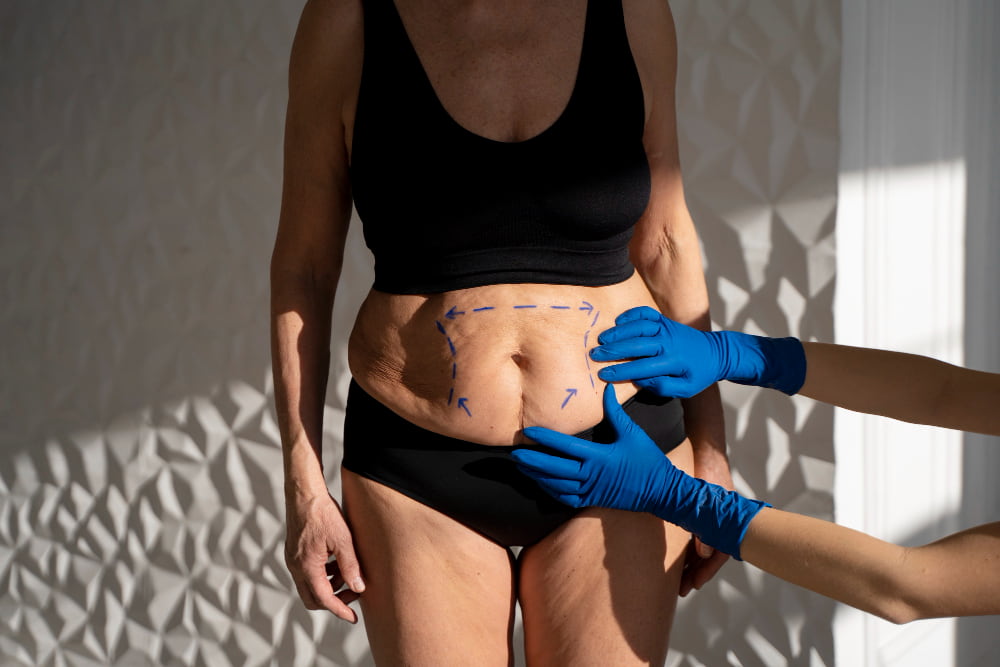

Losing a significant amount of weight is an important achievement, whether it follows lifestyle changes, medical treatment, or bariatric surgery. However, weight loss can leave behind stretched skin that no longer adapts to the body’s reduced size. Excess skin after weight loss may affect comfort, mobility, skin health, clothing choices, and confidence, even when a person has reached their target weight.
Post-weight-loss body contouring refers to procedures designed to remove excess skin, reshape underlying tissue, and restore a more proportionate body contour. These procedures are not intended for further weight loss. Instead, they can address loose skin after weight loss and the functional problems that may occur when skin folds cause irritation, chafing, recurrent rashes, or difficulty with hygiene.
Why Does Loose Skin Occur After Weight Loss?
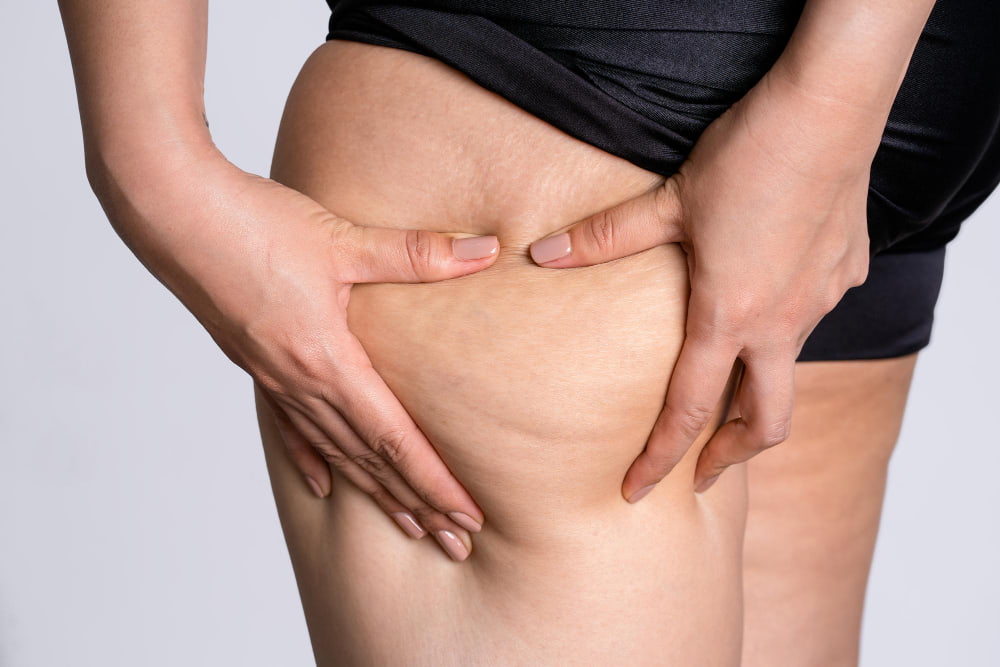
Skin can stretch to accommodate changes in body size, but it does not always fully retract after substantial weight loss. Collagen and elastin fibres give skin its structure and elasticity; when skin has been stretched for a long period, these fibres may not recover enough to fit the smaller body shape.
The amount of loose skin after weight loss varies between individuals. Important factors include:
The total amount of weight lost
How long a person carried excess weight
Age and natural skin elasticity
Genetics and collagen quality
Smoking history and sun exposure
Pregnancy history
Whether weight loss occurred gradually or rapidly
The areas of the body where fat was previously stored
For some people, loose skin is mainly an appearance-related concern. For others, it may create a physical burden. A heavy abdominal fold, for example, can rub against the skin beneath it and contribute to moisture, discomfort, skin breakdown, and repeated inflammation.
What Is Body Contouring After Weight Loss?
Post-weight-loss body contouring is a personalised approach that may include one procedure or several staged procedures. The aim is to remove redundant skin, tighten selected areas, and improve contour after the body has changed following major weight reduction.
Depending on the individual, body contouring procedures may address:
The abdomen and lower back
The waist, hips, and buttocks
The upper arms
The breasts or chest
The inner and outer thighs
The pubic area
The upper back or bra-line area
Body sculpting is a broad term that may refer to surgical and non-surgical treatments. However, patients with a large amount of redundant skin usually require skin removal surgery to achieve a meaningful change. Non-invasive body contouring treatments can help selected people with small, localised fat deposits or mild skin laxity, but they cannot remove substantial hanging skin.
When Should Body Contouring Be Considered?
A stable weight before body contouring is essential. Surgery is generally considered once a person’s weight has remained relatively stable for several months. Continuing to lose a large amount of weight after surgery can lead to further loose skin, while significant weight gain may alter the surgical result.
People who have undergone post-bariatric surgery weight loss may need additional assessment before body contouring surgery. Bariatric procedures can affect nutritional intake and absorption, so protein levels, iron, vitamin B12, folate, vitamin D, and other nutritional factors may need to be reviewed before an operation.
A surgeon may consider the following before recommending excess skin removal after weight loss:
Whether the patient has reached and maintained a stable weight
Overall health and control of chronic conditions
Nutritional status and ability to heal properly
Previous abdominal or bariatric surgery
Current medications and bleeding risk
Skin-fold symptoms such as rashes, infections, and discomfort
The patient’s goals, expected scar acceptance, and recovery support
Smoking and nicotine use are particularly important because they can reduce blood flow to the skin and raise the risk of delayed wound healing.
Common Body Contouring Procedures After Weight Loss
Post-weight-loss body contouring is tailored to the areas most affected by loose skin, and procedures may be performed individually or in planned stages to support safe recovery and proportionate results. Surgical options can address sagging skin and underlying tissue in the abdomen, lower body, arms, breasts, thighs, face, and neck.
Abdominoplasty (Tummy Tuck)
Abdominoplasty, widely known as a tummy tuck, is one of the most common body contouring procedures after weight loss. It removes excess skin and tissue from the abdomen and may also tighten weakened or separated abdominal muscles.
A tummy tuck may be suitable for patients with loose abdominal skin, a hanging lower-abdominal fold, or changes in the abdominal wall after major weight loss or pregnancy. Depending on the amount of skin removed, the scar may extend across the lower abdomen and be positioned where it can often be covered by underwear or swimwear.
An abdominoplasty can help improve:
The contour of the upper and lower abdomen
Loose skin around the navel
A lower-abdominal overhang
Irritation or chafing beneath abdominal skin folds
The appearance of abdominal muscle separation when repair is appropriate
A tummy tuck is not a replacement for diet, exercise, or weight management. It is most effective when performed after weight has stabilised.
Panniculectomy
A panniculectomy is a type of excess skin removal surgery focused on the lower abdomen. It removes the pannus, which is an apron of hanging skin and fatty tissue that may extend over the pubic area or upper thighs.
Unlike a full abdominoplasty, a panniculectomy is primarily intended to remove the overhanging tissue. It may not include muscle repair, navel repositioning, or extensive reshaping of the upper abdomen.
A panniculectomy may be considered when the abdominal fold causes:
Recurrent rashes or skin infections
Problems with hygiene
Chafing or pain during movement
Difficulty exercising or walking comfortably
Clothing discomfort
Interference with everyday activities
For some patients, panniculectomy is a functional procedure. For others, it may be combined with abdominoplasty or another form of abdominal body contouring.
Lower Body Lift (Belt Lipectomy)
A lower body lift is a more extensive procedure that treats loose skin around the lower torso. It may address the abdomen, waist, hips, lower back, outer thighs, and buttocks in a single surgical plan.
The procedure is also called a belt lipectomy because the incision may extend around the body in a belt-like pattern. This allows the surgeon to remove excess skin from the front and back of the lower body while lifting the surrounding tissues.
A lower body lift may be appropriate for people with:
Loose skin affecting the abdomen and flanks
Deflation of the buttocks after weight loss
Excess skin around the lower back
Laxity of the outer thighs and hips
A need for more extensive contouring than a tummy tuck alone can provide
Because a lower body lift covers a larger treatment area, recovery is generally more involved than recovery after a standard abdominoplasty.
Full Body Lift (360 Body Lift)
A full body lift is a broad term used for a planned series of procedures that address several body areas after substantial weight loss. It may include abdominal contouring, arm surgery, breast reshaping, thigh contouring, and upper-body procedures.
A 360 body lift focuses on the full circumference of the trunk. It may include the abdomen, waist, flanks, lower back, and buttocks. This approach can be helpful when loose skin is present on the front, sides, and back of the body rather than in one isolated area.
In many cases, a full body lift is performed in stages rather than in one operation. Staging can help reduce surgery time, support safer recovery, and allow the surgeon to assess healing before proceeding with the next area.
Brachioplasty
Brachioplasty, commonly called an arm lift, removes loose skin from the upper arms. Major weight loss can leave the skin between the underarm and elbow stretched, heavy, or difficult to conceal with clothing.
During brachioplasty, the surgeon removes excess skin and may reshape local fat deposits when necessary. The incision is usually placed along the inner or back portion of the arm, although its exact location and length depend on the degree of skin laxity.
An arm lift may help improve:
Hanging upper-arm skin
Skin rubbing and discomfort during movement
Arm contour in fitted clothing
The proportion between the upper arms and the rest of the body
Patients considering brachioplasty should understand that scar placement is an important part of planning. The trade-off for removing loose skin is a visible but usually fading surgical scar.
Breast Lift After Weight Loss
After major weight loss, the breasts may lose volume and develop loose skin. The breast tissue may sit lower on the chest, and the nipples may point downward because the skin envelope has stretched.
A breast lift, also called mastopexy, removes excess skin and reshapes the breasts. It can improve breast position and contour without necessarily increasing breast size.
Depending on the patient’s goals, a breast lift may be combined with:
Breast augmentation to restore lost volume
Breast reduction when breast size remains large or causes discomfort
Fat transfer in selected cases
Surgery to improve asymmetry
A breast lift can be part of post-bariatric surgery body contouring for patients who wish to address chest changes alongside abdominal or arm skin laxity.
Thigh Lift
A thigh lift removes loose skin from the thighs after weight loss. It may focus on the inner thighs, outer thighs, or both, depending on where skin laxity is most significant.
The procedure can be particularly useful when thigh skin causes rubbing, discomfort while walking, recurrent irritation, or difficulty wearing certain clothing. In some cases, liposuction may be combined with a thigh lift when there is remaining localised fat and the surgeon considers it appropriate.
The main goals of a thigh lift may include:
Removing loose skin from the upper thighs
Reducing skin-on-skin friction
Improving thigh contour
Making movement and exercise more comfortable
Addressing excess skin in the groin or outer-thigh area
The surgeon will explain expected scars, because thigh-lift incisions vary according to the amount and location of skin requiring removal.
Face Lift and Neck Lift
Major weight loss can also lead to loose skin and volume loss in the lower face and neck. A face lift, medically called a rhytidectomy, reshapes and lifts the deeper tissues and skin of the cheeks, jawline, and lower face. It can help improve jowls, deep folds, and a less-defined jawline without changing a person’s essential facial features.
A neck lift, or platysmaplasty, treats loose neck skin, excess tissue beneath the chin, and visible vertical neck bands. It is often performed alongside a facelift when both the jawline and neck have been affected by weight loss.
These procedures may help improve:
Loose skin around the cheeks and jawline
Jowls and loss of lower-face definition
Excess skin or fullness beneath the chin
Vertical bands in the neck
Overall balance between the face, jawline, and neck
As with other post-weight-loss contouring procedures, incision placement, scarring, skin quality, and recovery should be discussed during consultation.
Surgical vs. Non-Surgical Body Contouring
Surgical body contouring is the most effective option for significant excess skin removal after weight loss. Procedures such as abdominoplasty, panniculectomy, lower body lift, brachioplasty, breast lift, and thigh lift physically remove excess skin and reposition the remaining tissue.
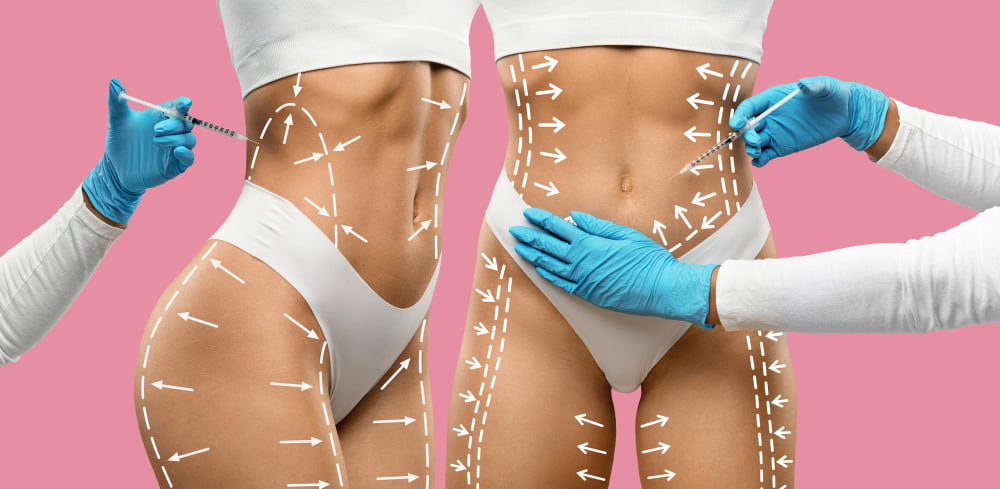
Minimally invasive body contouring procedures may involve small-incision techniques or liposuction for selected areas of persistent fat. These treatments can be useful for patients with reasonably good skin elasticity, but they cannot tighten large folds of redundant skin.
Non-invasive body contouring treatments may use controlled cooling, heat, radiofrequency, ultrasound, or electromagnetic energy. These methods may provide modest improvements in small areas of localised fat or mild skin laxity, usually with little downtime.
Non-invasive treatments may be more appropriate when:
Skin laxity is mild
The main concern is a small, localised fat deposit
The patient does not want surgery
A subtle change is an acceptable outcome
There is no significant hanging skin
For patients with pronounced loose skin after weight loss, non-surgical methods cannot replace skin removal surgery. A thorough consultation helps identify whether surgical, minimally invasive, or non-invasive body contouring treatments are most realistic.
What Cosmetic Procedures Are Commonly Considered in Your 30s?
People in their 30s may start exploring cosmetic procedures to address changes in body shape, skin elasticity, or areas of localized fat that remain despite a healthy lifestyle. The most suitable option depends on individual concerns, skin quality, medical history, and treatment goals rather than age alone.
Liposuction: May be considered to remove localized fat deposits in areas such as the abdomen, waist, hips, or thighs when diet and exercise have not achieved the desired contour. It is not a weight-loss procedure and does not remove significant amounts of loose skin.
Non-surgical body contouring: Treatments using technologies such as radiofrequency, ultrasound, or controlled cooling may offer modest improvements in selected areas of localized fat or mild skin laxity, depending on the technology used.
Tummy tuck (abdominoplasty): May be an option for people with persistent loose abdominal skin or abdominal muscle separation, including after pregnancy or substantial weight changes. It is a surgical procedure with a longer recovery period than non-surgical treatments.
Other cosmetic procedures: Depending on individual goals, some people explore facial aesthetic treatments or breast procedures. These address different concerns and require a separate assessment to determine their suitability.
Being in your 30s does not automatically make someone a candidate for a particular cosmetic procedure. A consultation with a plastic surgeon can help distinguish between localized fat, excess skin, and other changes in body contour, allowing treatment recommendations to be based on individual needs. Liposuction and non-surgical body contouring may help with selected fat deposits, but neither should be presented as a substitute for surgery when substantial excess skin needs to be removed.
Consultation and Treatment Planning Before Surgery
Body contouring after weight loss should begin with a detailed consultation. The surgeon assesses the skin, remaining fat distribution, scar patterns from previous operations, general health, and the patient’s priorities.
The discussion typically includes the procedures that could be performed safely, whether they should be combined or staged, the likely scar pattern, and the recovery commitment required. Before-and-after examples may be used to demonstrate potential changes in contour, but individual outcomes depend on skin quality, healing, weight stability, and the extent of surgery.
Important topics during a consultation include:
Weight-loss history and whether weight is stable
Bariatric surgery history, if applicable
Current medical conditions and medications
Nutrition and laboratory testing
Smoking or nicotine cessation
The need for compression garments or surgical drains
Recovery support at home
Expected scars and their long-term care
The possibility of staged operations
Realistic goals and the limitations of surgery
Body contouring before and after photographs can be useful educational tools, but they should not be interpreted as a guarantee of a particular result.
Body Contouring Recovery Process
Body contouring recovery varies according to the area treated and the complexity of the procedure. Recovery after a single arm lift or breast lift is generally different from recovery after a lower body lift, 360 body lift, or combined set of operations.
Swelling, bruising, tightness, numbness, and discomfort are common in the early healing period. Compression garments may be recommended to support the treated area and help manage swelling. Some patients may also have temporary surgical drains to reduce fluid collection beneath the skin.
During body contouring recovery, patients may be advised to:
Walk gently and regularly to support circulation
Avoid heavy lifting and strenuous exercise initially
Wear compression garments as instructed
Attend all follow-up appointments
Keep incisions clean and follow wound-care guidance
Maintain adequate protein, fluids, vitamins, and minerals
Avoid smoking and nicotine products
Protect healing scars from sunlight
The timeline for return to work and normal activity depends on the procedure and the physical demands of the patient’s lifestyle. Scars are permanent, but they usually fade and soften gradually over time.
Possible Risks and Complications Following Body Contouring Procedures
All surgery involves risk. A careful assessment, properly equipped hospital setting, experienced surgical and anaesthesia teams, and close adherence to post-operative instructions can help reduce complications.
Possible body contouring risks include:
Bleeding or hematoma
Infection
Delayed wound healing
Wound separation
Fluid collection, called seroma
Changes in skin sensation or numbness
Blood clots in the legs (deep vein thrombosis) or lungs (pulmonary embolism)
Asymmetry or contour irregularities
Noticeable or widened scars
The need for revisional bariatric surgery
Risk may be higher for patients who smoke, use nicotine, have uncontrolled diabetes, have nutritional deficiencies, or undergo very extensive procedures. Choosing the right timing, reaching a stable weight before body contouring, and following the surgical team’s instructions are important parts of reducing avoidable risks.
Body Contouring Surgery Costs
Body contouring surgery cost depends on the individual treatment plan. A single tummy tuck has different requirements from a staged combination of abdominoplasty, breast lift, brachioplasty, thigh lift, and lower body lift.
Cost can be affected by:
The number of procedures required
The length and complexity of surgery
Anesthesia and operating-room requirements
Hospital stay and post-operative monitoring
Compression garments and surgical supplies
Pre-operative tests and consultations
Follow-up care and recovery support
A personalised assessment is necessary before a precise cost plan can be provided. Safety, hospital standards, surgeon qualifications, anesthesia care, and access to follow-up should be considered alongside price.
Body Contouring Surgery in Turkey
Turkey has become a major destination for medical tourism, including bariatric surgery and plastic surgery, supported by an expanding network of internationally accredited hospitals and growing experience in caring for international patients. For people considering post-weight-loss body contouring in Turkey, the priority should be a trusted hospital environment with experienced plastic surgeons, anaesthesia teams, comprehensive pre-operative assessment, and appropriate post-operative monitoring.
Procedures such as abdominoplasty, lower body lift, brachioplasty, breast lift, and thigh lift can be extensive. They should therefore be performed in hospitals that have the resources to manage potential complications, including general intensive care unit support where clinically required. Access to specialist anesthesia care, surgical follow-up, laboratory services, and multidisciplinary assessment is particularly important for patients who have undergone bariatric surgery or have medical conditions that may affect healing and recovery.
Medical Park is one of Turkey’s leading hospital networks, providing multidisciplinary care for patients before and after major weight loss. Its teams can bring together experienced plastic surgeons, gastroenterology surgeons, dermatologists, internal medicine specialists, anesthesiologists, endocrinologists, dietitians, and other relevant clinicians to assess weight stability, nutritional status, skin concerns, and surgical suitability.
For some patients, treatment may involve a focused procedure such as panniculectomy or abdominoplasty. Others may benefit from a staged post-bariatric surgery body contouring plan involving a lower body lift, breast lift, brachioplasty, thigh lift, facelift and neck lift, or 360 body lift. This coordinated approach supports safer planning and helps ensure that body contouring after weight loss addresses both the physical effects of excess skin and the patient’s overall health.
To learn more about broader aesthetic and reconstructive options available to international patients at Medical Park, read our comprehensive guide to plastic surgery in Turkey.






 Makaleye Dön
 E-Result
 WhatsApp