


 TR
 EN
 RU
 AR
 FR


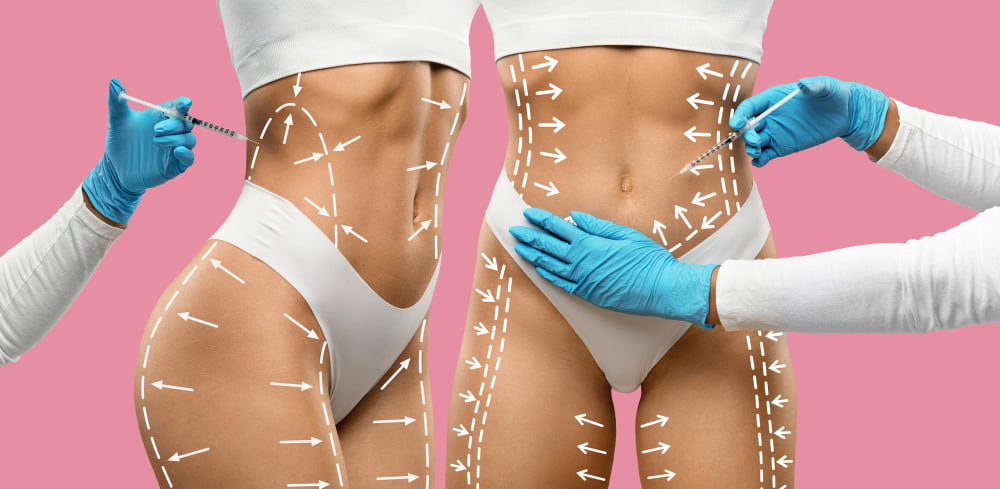

Body sculpting procedures can reduce stubborn fat and improve the shape and definition of specific areas of the body. They are not weight-loss treatments. Instead, they are generally designed for people who are close to a stable weight but have localized fat deposits that do not respond sufficiently to diet and exercise.
Body sculpting and body contouring are often used interchangeably, although there is a useful distinction between the two. Body contouring is a broader term for treatments that improve the shape and proportions of the body, while body sculpting generally refers to a more targeted approach to shaping specific areas, particularly through fat removal or fat reduction.
Some procedures physically remove fat, while others reduce fat cells without surgery. The most suitable option depends on the amount and location of fat, skin elasticity, the treatment area, overall health, and the degree of change a patient wants to achieve.
What Are Body Sculpting Procedures?
Body sculpting procedures are treatments designed to selectively improve the shape, proportions, or definition of specific areas of the body. They can involve removing fat, reducing the number or volume of fat cells, or combining fat reduction with other techniques.
The term body contouring treatment is broader and can include body sculpting as well as treatments that address skin laxity or other changes in body tissues. In everyday use, however, the terms are frequently used as synonyms.
In general:
- Body sculpting places greater emphasis on selectively shaping and defining specific areas through targeted fat removal or fat reduction.
- Body contouring describes the broader goal of improving the shape and proportions of a body area.
- Surgical fat removal procedures, such as liposuction, can be used as body sculpting techniques when fat is removed strategically to improve definition.
- Non-surgical treatments can reduce localized fat without surgical incisions.
- Some procedures combine fat removal with other techniques to achieve a more comprehensive contour change.
- Facial fat-removal procedures, such as buccal fat removal, can also be considered a form of targeted sculpting.
Body shape can be influenced by genetics, aging, pregnancy, weight changes, and skin elasticity. Two people may therefore have similar concerns but require very different approaches. One person may have a small, stubborn fat deposit with firm skin, while another may have localized fat combined with loose skin or abdominal wall changes.
Fat Removal, Fat Reduction, and Weight Loss
Although these terms are sometimes used interchangeably, they describe different approaches.
Fat removal generally refers to a procedure in which fat cells are physically removed from the body. Liposuction is the best-known example. Fat reduction generally refers to treatments that affect selected fat cells without physically suctioning them from the body, such as fat freezing or certain energy-based treatments.
Neither approach is intended to replace weight loss. Body sculpting and body contouring are generally most appropriate for people who have reached a relatively stable weight and want to address localized areas of stubborn fat.
Body contouring treatment may be considered for areas such as:
- Abdomen and waist
- Hips, flanks, and lower back
- Thighs and knees
- Upper arms
- Chin and jawline
- Chest area in selected patients
- Cheeks, when facial fullness is related to prominent cheek fat pads
A stable weight, balanced nutrition, avoiding sedentary lifestyle through regular physical activity, and realistic expectations are important for maintaining results.
Which Body Sculpting Treatment Is Right for You?
The right body sculpting treatment depends primarily on the amount and location of localized fat, skin elasticity, the desired degree of definition, and whether other changes need to be addressed.
During a consultation, a surgeon may assess:
- The amount and distribution of localized fat
- Skin elasticity and laxity
- Previous surgery or scars
- Abdominal muscle separation, when relevant
- Overall health and medical history
- The patient's expectations and desired degree of change
Non-invasive body contouring may be appropriate for patients with a small amount of localized fat who prefer gradual fat reduction without surgery. Surgical body sculpting may be more suitable when a greater amount of fat needs to be removed or when more precise shaping and definition are desired.
A minimally invasive body contouring procedure may also be considered in selected cases when treatment involves small incisions or limited intervention. The appropriate technique depends on the treatment area, anatomy, and desired result.
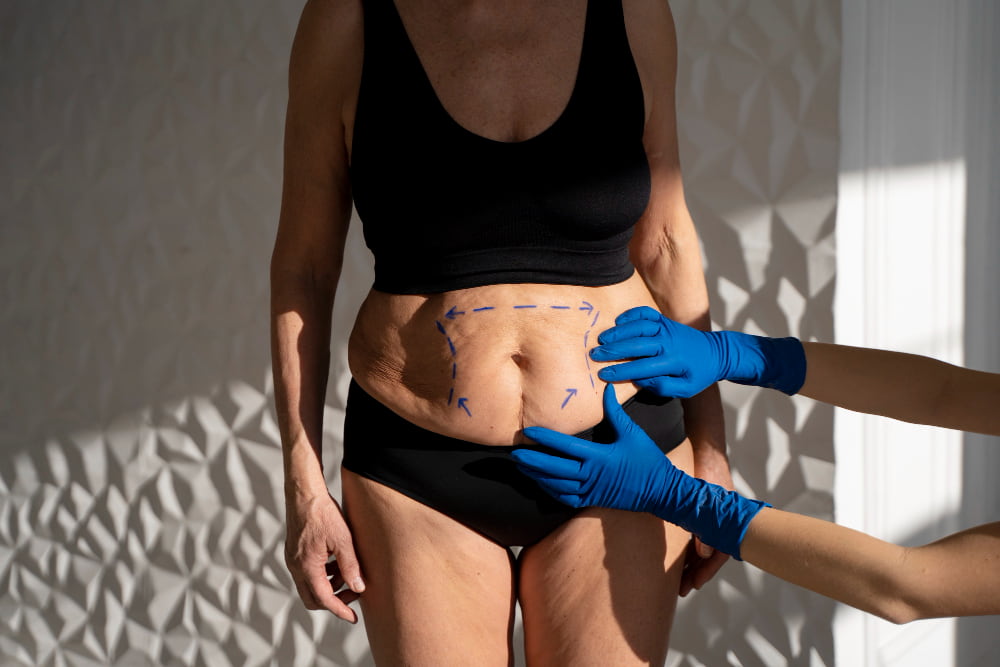
When significant loose skin or abdominal muscle separation is also present, a procedure such as a tummy tuck may be considered instead of, or in combination with, fat removal.
Surgical Body Sculpting Procedures
Surgical body sculpting procedures are generally considered when localized fat cannot be adequately addressed through non-surgical treatment or when a patient wants more substantial and direct fat removal.
Surgical procedures can provide more noticeable contour changes, but they involve incisions, anesthesia or sedation depending on the procedure, recovery time, and potential surgical risks.
Liposuction (Lipoplasty)
Liposuction, also called lipoplasty, is a surgical procedure that removes unwanted fat through small openings in the skin. A surgeon inserts a narrow tube called a cannula to loosen and suction out fat cells from the selected area.
Liposuction may be used for the abdomen, waist, thighs, hips, back, upper arms, knees, chin, and jawline. It is often suitable for people who have localized fat deposits and reasonably firm skin that can adapt to the new contour.
For people searching for ways to remove fat from stomach, liposuction may be considered when stubborn abdominal fat is the main concern and the skin has sufficient elasticity. It provides more direct fat removal than non-invasive treatments but does not address significant loose skin or separated abdominal muscles.
Patients may be good candidates for liposuction if they have:
- Stubborn fat deposits that do not respond sufficiently to diet and exercise
- Good skin elasticity
- A relatively stable body weight
- No major untreated medical condition that could affect surgery or healing
- Realistic expectations
Liposuction can improve abdominal contouring when excess fat is the main issue. Patients with substantial loose skin or abdominal muscle separation may require a different or combined procedure.
Laser Liposuction
Laser liposuction is a type of surgical liposuction that uses laser energy to help break down fat before it is removed. It still involves small incisions and a cannula, so it should not be confused with externally applied, non-surgical laser fat reduction.
The controlled heat may support mild skin tightening in selected patients. However, it does not replace surgical treatment when there is significant loose or hanging skin.
The choice between standard liposuction, laser liposuction, and other techniques depends on the treatment area, amount of fat, skin quality, previous surgery, and overall health.
Liposculpture
Liposculpture is a term used when liposuction is performed with particular attention to shape, proportion, and definition. Rather than simply reducing fat volume, the surgeon considers how removing fat from selected areas can improve the overall outline of the body.
For example, liposculpture may be used to create greater definition around the waist, abdomen, back, or thighs. It is not necessarily a separate procedure from liposuction; in many cases, it describes a more detailed approach to surgical fat removal.
Liposculpture is therefore a good example of the practical difference between body sculpting and body contouring. The goal is not simply to remove fat but to strategically remove it to create a more balanced or defined shape.
Lipoabdominoplasty
Lipoabdominoplasty combines liposuction with abdominoplasty (tummy tuck). It may be considered when a patient has both unwanted abdominal fat and excess abdominal skin. The liposuction component can improve the shape and definition of the waist and abdomen, while the abdominoplasty component removes excess skin and may address abdominal muscle separation.
This combination demonstrates how body sculpting and body contouring can overlap. Liposuction provides targeted fat sculpting, while abdominoplasty addresses broader changes in abdominal shape.
Lipoabdominoplasty is not appropriate for every patient. Factors such as body weight, nicotine use, previous abdominal scars, medical conditions, and the extent of surgery required must be considered.
Buccal Fat Removal
Body sculpting can also include selected facial areas. Buccal fat removal reduces the buccal fat pads, which are naturally occurring fat deposits in the lower cheeks.
In carefully selected patients, reducing cheek fat can create a slimmer or more defined facial contour. The procedure is not intended for overall facial weight loss and is not suitable for everyone.
It may not be recommended for people with naturally narrow faces, limited facial volume, or age-related facial hollowing. Removing too much buccal fat can create an overly hollow appearance as the face changes naturally over time.
Non-Invasive Fat Reduction Procedures
Non-invasive fat reduction includes treatments that do not require surgical incisions. These procedures usually involve little or no downtime and may be suitable for people who want to reduce small, localized areas of fat.
Treatments may use controlled cooling, heat, laser energy, ultrasound energy, or injectable medication to affect fat cells beneath the skin. The body then gradually processes the treated fat cells.
These procedures are generally focused on gradual fat reduction rather than the more substantial and precise fat removal possible with liposuction. These treatments are therefore often selected by patients who want a modest change without surgery.
Fat Freezing (Cryolipolysis)
Fat freezing, medically called cryolipolysis, uses controlled cooling to target fat cells beneath the skin. An applicator is placed on the treatment area and delivers controlled cooling to the targeted tissue. The affected fat cells are gradually processed by the body.
Cryolipolysis may be considered for small, pinchable fat deposits in areas such as the abdomen, flanks, thighs, upper arms, or beneath the chin.
Patients should understand that fat freezing:
- Does not produce immediate results
- May require more than one treatment session
- Is not intended for major weight loss
- Produces gradual changes over several weeks or months
- Is generally intended for localized rather than large-volume fat reduction
Non-Surgical Laser Fat Reduction
Non-surgical laser fat reduction uses externally applied laser energy to warm and affect fat cells beneath the skin. It is sometimes described as laser fat removal, although this can be confusing because the fat is not physically suctioned out.
External laser treatment is different from laser liposuction, which is a surgical procedure involving small incisions, laser-assisted fat treatment, and physical removal of fat with a cannula.
External laser treatments may be used for small areas of localized fat. Results are generally gradual and may require multiple sessions.
Radiofrequency and Ultrasonic Cavitation
Radiofrequency treatments use controlled energy to heat tissue beneath the skin, which may help reduce localized fat and, depending on the technology, provide some skin tightening.
Ultrasonic cavitation uses low-frequency ultrasound energy to target fat cells beneath the skin. The affected cells are gradually processed by the body, making this approach suitable for localized fat reduction rather than overall weight loss.
These treatments may be considered for patients who:
- Have small areas of stubborn fat
- Prefer a non-surgical approach
- Want minimal downtime
- Have realistic expectations about gradual fat reduction
Results vary depending on the treatment technology, area treated, amount of fat, and number of sessions required. These methods generally provide modest fat reduction and are not alternatives to surgical fat removal when a larger amount of fat needs to be removed.
Fat Dissolving Injections (Injection Lipolysis)
Fat dissolving injections, also called injection lipolysis, are a form of lipolysis involving medication injected into a small area of localized fat. The medication affects fat cells, after which the body gradually processes them.
Injection lipolysis is generally considered for small fat deposits rather than extensive areas requiring significant fat removal. It may be used in selected facial or body areas depending on the specific product, local regulations, treatment area, and physician assessment.
Temporary swelling, tenderness, bruising, or firmness may occur after treatment. More than one session may be needed.
What Results Can Be Expected?
Results from body sculpting and body contouring procedures depend on the treatment method, amount of fat being treated, anatomy, and skin quality. Liposuction and other surgical fat-removal procedures can produce a more visible change because fat is physically removed.
When performed as liposculpture, fat can be removed strategically to improve body proportions and definition. Non-invasive fat reduction produces a more gradual and modest change. These treatments are generally better suited to patients looking for localized fat reduction rather than substantial reshaping.
Swelling can temporarily affect the appearance following surgical treatment, and the final contour becomes clearer as the body heals. Even after fat cells are reduced or removed, weight gain can enlarge remaining fat cells in treated and untreated areas. Maintaining a stable weight can help preserve the result.
The Cost of Body Sculpting Procedures
The pricing of body sculpting varies depending on the procedure, treatment area, and extent of correction required. For example, the cost of treating abdominal fat may be different for a patient who needs liposuction alone compared with someone who also has excess skin or abdominal muscle separation and may benefit from a tummy tuck or lipoabdominoplasty.
Several factors can influence the overall cost of treatment, including:
- The type and extent of the procedure
- The treatment area and amount of localized fat
- The surgical technique used
- Whether fat removal is combined with skin removal or muscle repair
- Anesthesia, hospital, and facility fees
- Pre-operative examinations and post-operative care
- The surgeon's experience and the complexity of the procedure
- The number of treatment sessions required for non-surgical fat reduction
When comparing the cost of belly fat removal, for instance, it is important to consider the entire treatment plan rather than the advertised price of a single procedure. Liposuction may be sufficient for someone whose main concern is localized abdominal fat, while patients with loose skin or abdominal muscle separation may require a more comprehensive approach.
The same applies to laser-based treatments. The price of laser fat removal can vary depending on whether the treatment involves non-surgical laser fat reduction or laser liposuction, which are different procedures with different techniques, treatment goals, and recovery requirements.
Because body shape, skin quality, and fat distribution vary from person to person, a consultation with a plastic surgeon is the best way to determine the most appropriate treatment and obtain an accurate estimate of the total cost.
Risks and Recovery
Every fat-removal or fat-reduction treatment has potential risks and side effects. Surgical procedures may involve bruising, swelling, infection, bleeding, fluid buildup, temporary numbness, contour irregularities, delayed wound healing, blood clots, or complications related to anesthesia.
Non-surgical treatments may cause temporary redness, bruising, swelling, tenderness, numbness, or changes in skin sensation. Each method also has specific risks that should be discussed before treatment.
A safe treatment plan begins with a detailed medical assessment. Patients should share information about:
- Previous surgery and scars
- Chronic medical conditions
- Regular medications and supplements
- Allergies
- Smoking or nicotine use
- Pregnancy plans
- History of blood clots or healing problems
Nicotine can reduce blood flow and interfere with wound healing. Patients planning surgery may be asked to stop smoking, vaping, and using nicotine products before and after the procedure.
Surgical and Non-Surgical Fat Removal at Medical Park
At Medical Park Hospitals in Turkey, surgical and non-surgical fat removal and fat reduction treatments are planned according to each patient's fat distribution, body shape, skin quality, health status, and treatment goals. Our plastic surgeons evaluate the amount and location of localized fat to determine whether liposuction, another surgical technique, or a non-invasive treatment is the most appropriate option.
Surgical options may include liposuction, laser liposuction, and liposculpture, while non-invasive treatments can provide gradual fat reduction without surgical incisions. In some cases, fat removal can also be combined with skin-removal procedures such as a tummy tuck or other excisional body contouring procedures. Combining these approaches may provide a more comprehensive improvement when both localized fat and excess or loose skin affect the body's overall contour.
For international patients considering plastic surgery in Turkey, Medical Park can support treatment planning through medical-record review, consultation coordination, pre-operative assessment, hospital-based care when surgery is needed, and guidance throughout recovery and follow-up.
The most appropriate approach depends on the patient's individual anatomy and goals. A personalized treatment plan can help ensure that fat removal is performed where it can provide the greatest improvement, while complementary contouring procedures are considered when needed to achieve a balanced overall result.





 Makaleye Dön
 E-Result
 WhatsApp