


 TR
 EN
 RU
 AR
 FR


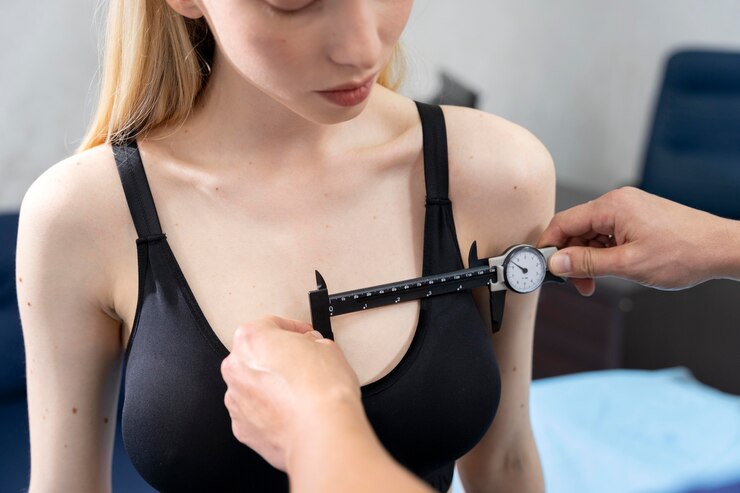


Breast augmentation is a cosmetic surgical procedure that increases breast volume, improves breast shape, and addresses certain differences in breast size or fullness. Also known as augmentation mammoplasty or breast implant surgery, it can be performed using silicone breast implants or, in selected cases, the patient's own fat. The most suitable approach depends on individual anatomy, aesthetic goals, medical history, and preferences.
Breast augmentation in Turkey is an option for people seeking cosmetic surgery while traveling abroad for treatment. Understanding the available techniques, surgical process, potential risks, recovery requirements, and factors affecting the cost can help patients make informed decisions. This guide explains what breast augmentation involves, how the procedure is performed, and what to consider before planning surgery in Turkey.
What Is Breast Augmentation?
Breast augmentation is a surgical procedure designed to increase breast size or improve breast volume and contour. It can also help address differences in breast size and restore fullness after pregnancy, breastfeeding, or significant weight changes. Depending on the patient's needs, a plastic surgeon may recommend breast implants, fat transfer, or a combination of both techniques.
Breast augmentation primarily focuses on enhancing breast volume and shape. Although implants may also be used as part of breast reconstruction after a mastectomy or injury, breast augmentation and breast reconstruction are distinct procedures with different goals and treatment considerations.
People considering breast augmentation in Istanbul or elsewhere in Turkey should undergo an individual assessment to determine whether surgery is appropriate and which technique is most likely to meet their expectations.
What Does Breast Augmentation Do?
Breast augmentation can address several aesthetic concerns, although the degree of improvement depends on the patient's anatomy and the technique used.
Increase Breast Size: Implants or transferred fat can increase breast volume and fullness. The amount of enlargement depends on the selected implant or the volume of fat that can be safely transferred.
Improve Breast Symmetry: Breast augmentation can reduce differences in breast volume. However, naturally occurring differences in breast shape, nipple position, and chest structure may remain.
Restore Lost Volume: Pregnancy, breastfeeding, aging, and weight changes can affect breast fullness. Augmentation can restore some of the lost volume, although patients with significant sagging may also need to consider a breast lift.
Adjust Body Proportions: Increasing breast volume can change the overall relationship between the breasts, waist, and hips. The surgeon considers body proportions when planning the size and shape of the breasts.
Support Breast Reconstruction: Implants can be used in certain breast reconstruction procedures after mastectomy or other tissue loss. Reconstruction may require additional techniques and should be planned according to the patient's medical needs.
Breast augmentation does not prevent future changes in breast shape caused by aging, pregnancy, breastfeeding, or weight fluctuations. It is important to discuss realistic expectations and the potential need for future procedures during the initial consultation.
Types of Breast Augmentation
The main approaches to breast augmentation are implant-based augmentation, fat transfer, and hybrid augmentation. Each technique has different benefits, limitations, and suitability criteria.
Breast Augmentation With Implants
Breast implants are medical devices placed inside the breast to increase volume and create the desired contour. They are available in different sizes, shapes, profiles, and materials.
Silicone Implants: These implants contain silicone gel and are available in different shapes and profiles. Their consistency and appearance vary by product and design.
Saline Implants: These implants have an outer silicone shell filled with sterile saline solution. They may be available in certain markets and clinical settings, depending on the device and applicable regulations.
Implant Shape and Profile: Round and anatomically shaped implants, as well as different projection profiles, can produce different contours. The appropriate option depends on breast anatomy, tissue coverage, and the patient's goals.
Breast implant selection involves more than choosing a cup size. The surgeon considers chest width, existing breast tissue, skin elasticity, implant dimensions, and the amount of coverage available over the implant.
Patients should also understand that breast implants are not lifetime devices. They may require monitoring, replacement, or removal in the future because of complications, changes in preference, or device-related concerns.
Breast Augmentation With Fat Transfer
Fat transfer breast augmentation, also called autologous fat grafting, uses the patient's own fat to increase breast volume. Fat is collected from a donor area, such as the abdomen, flanks, or thighs, through liposuction. It is then processed and injected into the breasts.
This approach avoids the use of breast implants and may be suitable for patients seeking a relatively modest increase in volume. It can also improve the contour of the area from which the fat is collected.
However, not all transferred fat survives, and some of the injected volume may be reabsorbed by the body. The final increase in breast size is therefore less predictable than simply selecting an implant volume. Multiple sessions may be needed to achieve the desired result, and patients must have sufficient donor fat for the procedure.
Hybrid Breast Augmentation
Hybrid breast augmentation combines implants with fat transfer. The implant provides the main increase in volume, while transferred fat can be used to refine the breast contour or improve coverage around the implant in selected areas.
This approach may be considered when an implant alone is unlikely to provide the desired contour or when additional soft-tissue refinement is appropriate. Its suitability depends on the patient's anatomy and surgical goals.
Breast Augmentation and Breast Reconstruction
Breast augmentation and breast reconstruction are related but distinct procedures. Cosmetic augmentation primarily aims to increase breast volume or improve shape, whereas reconstruction focuses on restoring the breast after mastectomy, trauma, or other tissue loss.
Reconstruction may involve implants, tissue from another part of the body, or a combination of techniques. Patients who have undergone mastectomy or cancer treatment need an individualized surgical plan that accounts for their medical history and previous or planned treatments.
For more information, read our dedicated guide to breast reconstruction.
Who Is a Suitable Candidate for Breast Augmentation?
Breast augmentation may be appropriate for adults who want to increase breast volume, improve symmetry, or restore fullness and have realistic expectations about the possible results.
During the consultation, the plastic surgeon reviews the patient's medical history, current health, breast anatomy, and reasons for considering surgery. The assessment also helps determine whether implants, fat transfer, or another procedure would be more appropriate.
Factors considered during the evaluation include:
General Health: The patient should be medically fit for surgery and anesthesia. Existing health conditions, medications, allergies, and previous operations may affect surgical planning.
Breast Development: Breast development should be complete before cosmetic augmentation is considered.
Skin Elasticity and Breast Position: Patients with substantial breast sagging may benefit more from a breast lift, either alone or in combination with augmentation.
Personal Expectations: The patient should understand the likely changes in breast size and shape, the limitations of the chosen technique, and the possibility of future surgery.
Pregnancy and Breastfeeding Plans: Pregnancy and breastfeeding can change breast shape and volume. These plans should be discussed because they may influence the timing of surgery.
Breast augmentation is not suitable for everyone. A plastic surgeon can explain the potential benefits, limitations, alternatives, and risks before a decision is made.
How Is Breast Augmentation Surgery Performed?
Breast augmentation involves preoperative assessment, anesthesia, surgical placement of implants or fat transfer, and postoperative monitoring. The exact steps depend on the technique selected.
1. Consultation and Surgical Planning
The plastic surgeon assesses breast size, shape, symmetry, skin quality, chest dimensions, and the patient's medical history. The discussion covers the desired outcome, available techniques, implant options when applicable, incision location, and implant placement.
Preoperative investigations are arranged according to the patient's health, age, medical history, and the requirements of the surgical team. Patients should disclose all medications and supplements they take and follow instructions regarding smoking, fasting, and medication adjustments.
2. Anesthesia
Breast augmentation with implants is generally performed under general anesthesia. The anesthesiology team evaluates the patient's health and determines the appropriate anesthesia plan.
The anesthesia team also provides instructions about fasting and medication use before surgery.
3. Incision Placement
When implants are used, the surgeon makes an incision to create a pocket for the implant. Common incision locations include:
Inframammary Incision: Made in the fold beneath the breast, this approach provides direct access for implant placement.
Periareolar Incision: Made along the border of the areola in selected cases. Suitability depends on the patient's anatomy and the planned procedure.
Transaxillary Incision: Made in the armpit to reach the breast area. This approach is appropriate only in selected cases and may have specific limitations.
The incision location is chosen according to the patient's anatomy, implant type, surgical technique, and the surgeon's assessment. Every incision leaves a scar, although scars generally change in appearance as they heal.
4. Implant Placement
The surgeon creates a pocket in which to position the implant. Two common placement options are:
Subglandular Placement: The implant is positioned behind the breast tissue and in front of the pectoral muscle.
Submuscular or Dual-Plane Placement: The implant is positioned partly or more extensively beneath the pectoral muscle, depending on the technique. Dual-plane placement combines different levels of muscle coverage.
Each approach has advantages and limitations. Muscle coverage, existing breast tissue, implant characteristics, physical activity, and the risk of complications all influence the decision.
5. Closing the Incisions
After positioning the implants and checking the surgical result, the surgeon closes the incisions with sutures. Dressings and a supportive surgical bra may be applied according to the postoperative plan.
For fat transfer augmentation, the procedure instead involves collecting and processing fat before injecting it into carefully selected areas of the breasts. The donor sites and breasts require postoperative care.
6. Postoperative Monitoring
After surgery, the healthcare team monitors the patient's recovery from anesthesia, pain, swelling, and other early postoperative concerns. Before discharge, the patient receives instructions about wound care, medications, activity restrictions, follow-up appointments, and warning signs that require medical attention.
What Are the Risks and Possible Complications of Breast Augmentation?
Breast augmentation is a surgical procedure, and its potential risks should be considered alongside its expected benefits. Complications can occur with both implant-based surgery and fat transfer.
Possible risks include:
Infection and Bleeding: These can occur after surgery and may require additional treatment.
Scarring and Changes in Sensation: Incisions leave scars, and temporary or persistent changes in nipple or breast sensation may occur.
Changes in Breast Shape or Symmetry: The breasts may heal differently, or their appearance may change over time.
Capsular Contracture: Scar tissue can form around an implant and become unusually tight, causing firmness, discomfort, or changes in breast shape.
Implant Rupture or Leakage: Implants can rupture over time. Silicone implant ruptures may not produce obvious symptoms, while saline implant rupture generally causes visible loss of volume.
Implant Displacement or Wrinkling: An implant may shift from its intended position or produce visible or palpable folds.
Need for Additional Surgery: Revision, implant replacement, or implant removal may become necessary because of complications, aging of the device, or changes in the patient's preferences.
Fat Transfer-Related Complications: Transferred fat may be reabsorbed unevenly, and fat necrosis, oil cysts, or calcifications may develop.
Breast implants are also associated with rare implant-related conditions, including breast implant-associated anaplastic large cell lymphoma (BIA-ALCL), which is a lymphoma associated with certain implants, particularly those with textured surfaces. Patients should discuss implant-specific risks and current safety information with their surgeon.
Breast implants do not eliminate the need for routine breast health care. Patients should continue age- and risk-appropriate breast screening and inform their imaging team about their implants. Depending on the implant type, the manufacturer, and current recommendations, additional imaging may be advised to assess implant integrity.
How Long Does Breast Augmentation Recovery Take?
Recovery varies depending on the surgical technique, the extent of the procedure, individual healing, and whether complications occur. Many patients resume some light daily activities within several days, but returning to work, exercise, and strenuous activity may take longer.
The First Few Days After Surgery
Swelling, bruising, tightness, and soreness are common during the early recovery period. Patients should follow their prescribed pain management plan, wear the recommended support garment, and avoid activities that strain the chest.
The surgical team provides instructions on sleeping positions, showering, incision care, and when to attend the first follow-up appointment.
The First Few Weeks
Discomfort and swelling generally improve gradually, although recovery is not the same for everyone. Patients should avoid heavy lifting and strenuous upper-body exercise until their surgeon confirms that these activities can be resumed.
Returning to work depends on the nature of the job and the patient's recovery. Physically demanding work may require a longer period away from normal duties than desk-based work.
When Do the Final Results Appear?
The breast shape may change as swelling subsides and the tissues settle. This process can take several months, and scars may continue to mature for a year or longer.
Patients should attend scheduled follow-up appointments so that the surgical team can assess healing, breast shape, and any symptoms that require further evaluation. The surgeon should also explain long-term monitoring and any implant-specific follow-up recommendations.
How Much Does Breast Augmentation Cost in Turkey?
The cost of breast augmentation in Turkey varies according to the surgical technique, the patient's individual needs, the hospital, and the services included in the treatment plan. There is no single price that applies to every patient.
The main factors that affect breast augmentation cost include:
Surgical Technique: Implant-based augmentation, fat transfer, and hybrid procedures involve different surgical requirements and resources.
Implant Type and Brand: When implants are used, their type, design, and manufacturer can affect the total cost.
Surgeon and Hospital Fees: The surgeon's fee, operating room use, anesthesia, and hospital facilities contribute to the overall price.
Preoperative Tests and Postoperative Care: The cost may include some medical assessments, medications, follow-up appointments, and recovery support, depending on the package.
Additional Services: For international patients, accommodation, airport transfers, interpreter services, and travel arrangements may be available separately or included in a specific package. These services should be confirmed before booking.
Additional Procedures: Combining breast augmentation with a breast lift or another operation can change the overall cost and recovery requirements.
What Should a Breast Augmentation Package Include?
Before comparing breast augmentation prices in Turkey, patients should request a written breakdown of the proposed treatment plan. This should clarify the surgeon's and hospital's fees, anesthesia, implant costs where applicable, expected hospital stay, follow-up arrangements, and any additional services.
Patients traveling from abroad should also account for flights, accommodation, travel insurance where appropriate, and the possibility of needing to extend their stay if recovery or follow-up requires it. Financing options, payment methods, and insurance coverage should be confirmed directly with the provider, as cosmetic breast augmentation is generally not covered by health insurance unless specific medical circumstances and policy terms apply.
A reliable comparison considers the quality and scope of medical care, not just the advertised price. Patients should understand what is included, what may incur additional charges, and how postoperative concerns will be managed after returning home.
Breast Augmentation in Turkey: What Should International Patients Consider?
Turkey is a destination for international patients seeking plastic surgery, including breast augmentation. However, traveling abroad for an operation requires planning beyond the procedure itself.
Before choosing a provider, patients should consider the qualifications and experience of the operating plastic surgeon, the hospital's surgical and anesthesia facilities, the proposed implant or fat transfer technique, and the arrangements for postoperative care.
International patients should also confirm how long they need to remain in Turkey, when they can safely fly home, and how follow-up care will be coordinated after departure. Travel timing should be based on the surgeon's assessment rather than a fixed number of days, because recovery and potential complications vary.
A clear treatment plan should identify the medical team responsible for the operation, the planned procedure, the expected recovery requirements, the follow-up schedule, and whom to contact if a problem develops after returning home.
Breast Augmentation at Medical Park
Medical Park's expert plastic surgeons assess patients seeking breast augmentation and determine an appropriate surgical approach based on their anatomy, health, and aesthetic goals. For patients considering breast augmentation in Turkey, the evaluation can cover implant-based augmentation, fat transfer, or a combination of techniques when clinically appropriate.
The preoperative process includes reviewing medical history, assessing breast shape and volume, discussing implant options where relevant, and explaining the expected results, surgical limitations, potential complications, and recovery requirements. When surgery is recommended, the treatment plan outlines the procedure, anesthesia arrangements, postoperative monitoring, and follow-up care.
International patients can coordinate their treatment through Medical Park's International Patient Services Center. The team can assist with treatment planning and communication, including arrangements relevant to the patient's visit, subject to the services confirmed for the individual case.
Patients should obtain details of the proposed procedure, costs, and included services before making travel arrangements. For an overview of other cosmetic surgery procedures available in Turkey and at Medical Park Hospitals, read our guide to plastic surgery in Turkey


 Makaleye Dön
 E-Result
 WhatsApp