


 TR
 EN
 RU
 AR
 FR


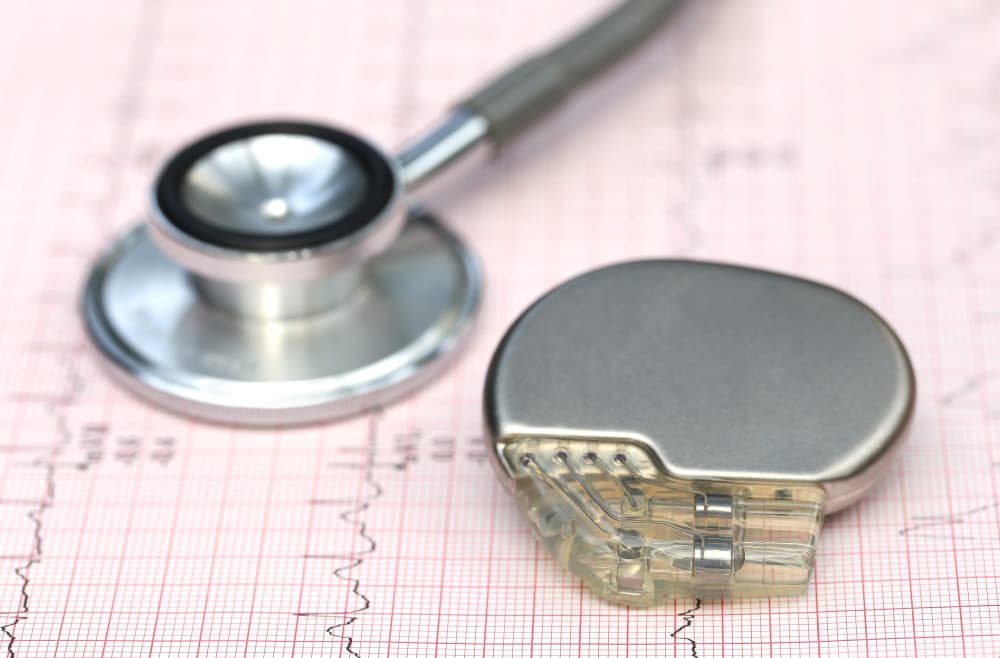


A cardiac implantable electronic device is a small electronic system placed under the skin to monitor the heart rhythm or help the heart beat more effectively. These heart implant devices may be recommended when the heart beats too slowly, too quickly, irregularly, or when weakened pumping function causes heart failure symptoms.
The right device depends on the person’s heart rhythm problem, heart function, symptoms, medical history, and risk of dangerous rhythm disturbances. Some devices provide pacing support, while others can detect and treat life-threatening fast rhythms or improve coordination between the heart’s pumping chambers.
This guide explains the types of cardiac implantable electronic devices, how implantation procedures are performed, what recovery involves, and what patients should consider before treatment.
What Is a Cardiac Implantable Electronic Device?
A cardiac implantable electronic device, often called a CIED, includes a small pulse generator and one or more thin insulated wires called leads. The generator contains a battery and electronic circuits, while the leads carry signals between the device and the heart.
The device is usually placed beneath the skin below the collarbone. In many cases, leads are guided through a vein into the heart. Some newer systems use leadless technology or devices placed beneath the skin without leads entering the heart.
Cardiac implantable electronic devices can help doctors manage several heart conditions, including:
Slow heart rhythms, also called bradycardia
Heart block, where electrical signals do not travel normally through the heart
Certain types of heart failure
Dangerous fast rhythms from the lower chambers of the heart
Unexplained fainting or palpitations that require long-term rhythm monitoring
Diagnosing Heart Rhythm Problems and Device Selection
Before recommending a cardiac implantable electronic device, doctors usually perform cardiac screening. This may include a resting electrocardiogram (ECG), ambulatory rhythm monitoring (such as a Holter or event monitor), echocardiogram to assess heart structure and pumping function, and blood tests. In some cases, additional tests such as stress testing, cardiac MRI, or specialised genetic evaluation may be needed.
Cardiac screening helps identify the type of rhythm problem, assess overall cardiovascular risk, and determine whether a pacemaker, ICD, CRT device, or monitor is most appropriate.
Types of Cardiac Implantable Electronic Devices
The main types of cardiac implantable electronic devices are pacemakers, implantable cardioverter-defibrillators, cardiac resynchronization therapy devices, and implantable cardiac monitors. Each device is designed for a different purpose.
Pacemakers
A pacemaker is used when the heart beats too slowly or pauses for too long. It sends small electrical signals to help maintain a safe heart rate. A pacemaker for heart block may be recommended when the heart’s natural electrical pathway is partly or completely blocked.
A pacemaker for heart failure may also be used in selected patients when slow heart rhythm contributes to symptoms or when pacing is combined with cardiac resynchronization therapy. Depending on the condition, a pacemaker may have one, two, or three leads.
Implantable Cardioverter-Defibrillators
An implantable cardioverter-defibrillator, commonly called an ICD, monitors the heart continuously for dangerous fast rhythms. It can deliver a rapid pacing signal or an electrical shock when needed to restore a normal rhythm.
An ICD is sometimes called an internal defibrillator or heart defibrillator implant. It may be recommended for people who have survived cardiac arrest, have had certain dangerous ventricular rhythm problems, or have a high risk of sudden cardiac death because of reduced heart function or inherited heart conditions.
Cardiac Resynchronization Therapy Devices
A cardiac resynchronization therapy device, also called a CRT device, helps the lower chambers of the heart beat in a more coordinated way. It is used for selected people with heart failure whose heart contractions are out of sync.
A CRT pacemaker, often called CRT-P, provides pacing support. A CRT device with defibrillator capability, called CRT-D, combines cardiac resynchronization therapy with ICD protection. These devices may improve symptoms, exercise capacity, and heart pumping efficiency in appropriately selected patients.
Implantable Cardiac Monitors
An implantable cardiac monitor is a small device placed just beneath the skin of the chest. It does not treat abnormal rhythms. Instead, it records heart rhythm information over a long period, often for months or years.
This type of monitor may be useful for people with unexplained fainting, infrequent palpitations, suspected atrial fibrillation, or unexplained stroke. The information recorded by the device can help doctors identify whether an abnormal heart rhythm is responsible for symptoms.
When Is a Pacemaker Recommended?
Pacemaker implantation may be recommended when slow or interrupted electrical signals prevent the heart from pumping effectively. Symptoms can include dizziness, fainting, unusual fatigue, breathlessness, chest discomfort, or reduced ability to exercise.
A pacemaker for heart block is often used when electrical signals from the upper chambers of the heart do not reach the lower chambers normally. In complete heart block, the heart may beat dangerously slowly without pacing support.
Doctors may also recommend pacemaker surgery for sinus node dysfunction, a condition in which the heart’s natural pacemaker does not produce a reliable rhythm. The decision is based on symptoms, heart rhythm recordings, ECG findings, and the presence of other heart conditions.
When Is an ICD Recommended?
ICD implantation may be considered when a patient has a high risk of life-threatening ventricular arrhythmias. These rhythms start in the lower chambers of the heart and can prevent the heart from pumping blood effectively.
An ICD implant procedure may be recommended after cardiac arrest or sustained ventricular tachycardia. It may also be considered for certain patients with heart failure and markedly reduced pumping strength, or for people with inherited conditions that increase the risk of dangerous heart rhythms.
An ICD does not prevent every rhythm problem from occurring. Its purpose is to recognise dangerous rhythms quickly and provide treatment when necessary. Doctors assess heart function, symptoms, imaging results, family history, and previous rhythm events before recommending an internal defibrillator.
How Are Pacemaker and ICD Procedures Performed?
Pacemaker implantation and ICD implantation are usually performed in a specialised cardiac procedure room. Most patients receive local anaesthetic to numb the area below the collarbone, along with medicine to help them relax or sleep lightly during the procedure.
During a pacemaker procedure, the doctor makes a small incision in the upper chest and guides one or more leads through a vein toward the heart. Imaging is used to place the leads safely. The leads are connected to the pulse generator, which is placed in a small pocket beneath the skin.
The main steps of pacemaker surgery or an ICD implant procedure generally include:
Cleaning and preparing the skin over the upper chest
Giving local anesthetic and sedation when appropriate
Inserting the leads through a vein and positioning them in the heart
Testing the leads and checking that the device works correctly
Placing the generator beneath the skin
Closing the incision and applying a dressing
The procedure may differ for leadless pacemakers, subcutaneous ICDs, or implantable cardiac monitors. A leadless pacemaker is placed through a catheter inserted into a vein in the groin, while a subcutaneous ICD is placed under the skin without leads inside the heart.
Recovery After Device Implantation
After pacemaker implantation or ICD implantation, patients are monitored to check heart rhythm, blood pressure, pain control, and the incision site. A chest X-ray or device check may be performed to confirm that the leads and generator are in the correct position.
Many people return home the same day or after an overnight stay, depending on the device type, reason for implantation, and overall health. Mild discomfort, bruising, and swelling near the incision are common during the first days after the procedure.
During early recovery, patients may be advised to:
Keep the incision clean and dry as instructed
Take medicines exactly as prescribed
Avoid heavy lifting and strenuous arm movements on the implant side for the recommended period
Attend device checks and follow-up appointments
Report fever, increasing redness, drainage, severe swelling, chest pain, fainting, or worsening shortness of breath
Carry a device identification card
The care team will explain when driving, work, exercise, travel, and specific arm movements can safely be resumed. These recommendations vary depending on the device, the reason it was implanted, and local regulations.
Pacemaker Battery Life and Replacement
Pacemaker battery life usually ranges from several years to more than a decade. The exact duration depends on the device type, programmed settings, how often pacing is required, and whether the device also provides defibrillator therapy.
Regular follow-up checks allow the cardiology team to monitor battery status. Many devices can also be checked remotely, allowing information to be sent securely from home to the clinical team.
Pacemaker replacement is planned when the battery becomes low. The procedure generally involves replacing the generator while keeping the existing leads in place if they are functioning well. Generator replacement is often shorter and less complex than the first pacemaker surgery, although every procedure still requires careful assessment.
Pacemaker and ICD Complications
Pacemaker complications and ICD complications are uncommon, but all implant procedures involve possible risks. Individual risk depends on age, general health, blood-thinning medication, kidney function, diabetes, infection risk, anatomy, the complexity of the device procedure, and any existing cardiovascular disease, such as coronary artery disease or heart failure.
Possible complications include:
Bleeding, bruising, or a collection of blood beneath the skin
Infection at the incision site or around the device
Pain, swelling, or skin irritation near the generator
Lead movement or lead damage
A collapsed lung caused by irritation near the lung during lead placement
Blood vessel injury or blood clots
Device malfunction or the need for lead revision
Inappropriate ICD shocks
Rare injury to the heart muscle or surrounding structures
Prompt evaluation is important if there is fever, worsening pain, redness, discharge from the incision, new swelling of the arm, fainting, repeated palpitations, or an ICD shock. A detailed pre-procedure assessment and regular device follow-up help reduce risk and identify problems early.
Living With a Cardiac Device
Most people can return to their usual activities after recovery from a cardiac implantable electronic device procedure. The device is designed to work in the background, supporting or monitoring the heart while the patient continues daily life.
Follow-up appointments are important because the team checks battery life, lead function, recorded rhythm events, and device settings. People with an ICD should ask their cardiologist what to do after a shock, as a single shock may require a different response from repeated shocks or symptoms such as chest pain or fainting.
Most household appliances, mobile phones, and airport security systems can be used safely when basic precautions are followed. Patients should keep mobile phones away from the device site, show their device identification card when needed, and tell healthcare professionals about the implant before an MRI, surgery, dental procedure, or other treatment.
CIED Implantation and Cardiovascular Care at Medical Park
Medical Park Hospitals provide comprehensive cardiac implantable electronic device care in Turkey for local and international patients. Services include assessment and implantation of pacemakers, implantable cardioverter-defibrillators (ICDs), cardiac resynchronization therapy (CRT) devices, and implantable cardiac monitors, as well as follow-up checks and long-term device management.
Evaluation may include electrocardiogram testing, heart rhythm monitoring, echocardiography, blood tests, and consultations with Cardiology and Cardiovascular surgery teams. This multidisciplinary assessment helps determine whether a pacemaker for heart block, an ICD for dangerous rhythm disturbances, a CRT device for selected patients with heart failure, or a monitor for unexplained symptoms is the most appropriate option.
Medical Park supports patients throughout the treatment process, including pre-procedure assessment, device implantation, recovery monitoring, device programming, remote or in-person follow-up, and pacemaker replacement planning when the battery approaches the end of its life. International patients can also receive coordinated support with medical-record review, appointment planning, treatment guidance, and follow-up arrangements.


 Makaleye Dön
 E-Result
 WhatsApp