


 TR
 EN
 RU
 AR
 FR


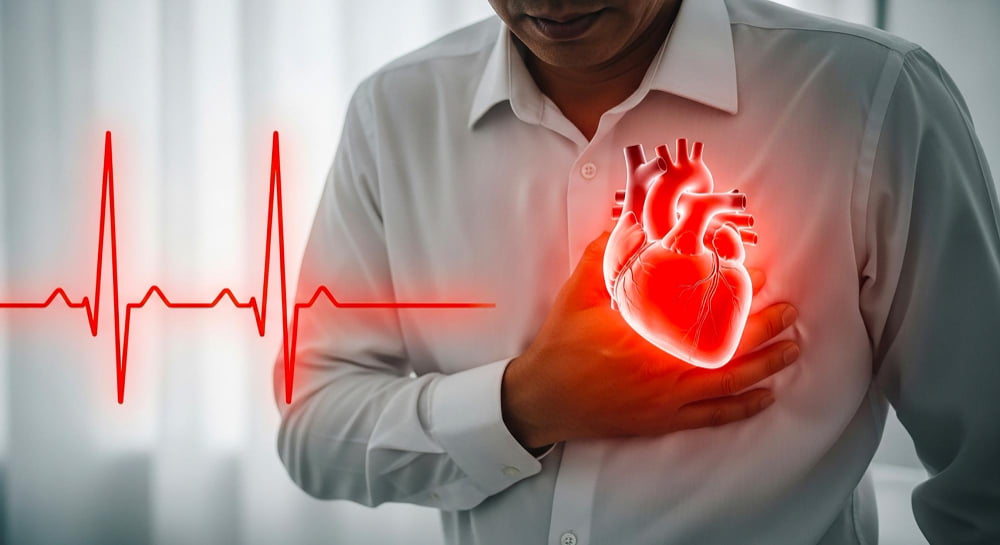


Cardiomyopathy is a group of diseases that affect the heart muscle and can interfere with its ability to pump blood effectively. Depending on the type, cardiomyopathy may cause the heart muscle to become enlarged, thickened, stiff, or weakened. Some forms develop gradually, while others can appear suddenly.
Understanding what is cardiomyopathy and recognizing its symptoms can help with early diagnosis and treatment. Although some people have no symptoms in the early stages, cardiomyopathy can eventually lead to complications such as heart failure, arrhythmias, blood clots, or sudden cardiac arrest.
What Is Cardiomyopathy?
Cardiomyopathy refers to conditions in which the heart muscle becomes abnormal and cannot function normally. The changes may affect how the heart fills with blood, how strongly it contracts, or how electrical signals travel through the heart. Cardiomyopathy can also occur alongside other forms of cardiovascular disease, particularly when conditions affecting the heart or blood vessels place additional strain on the heart muscle.
There are several types of cardiomyopathy, and they can have different causes. Some forms are inherited, while others may develop because of coronary artery disease, high blood pressure, infections, certain medications, alcohol use, pregnancy, or other underlying conditions. In some cases, no specific cause can be identified.
Cardiomyopathy can affect people of different ages. Some forms are more commonly diagnosed in adults, while others can occur in children or young adults. The condition may also run in families, making family history an important part of the medical assessment.
What Are the Types of Cardiomyopathy?
The main types of cardiomyopathy differ according to how the heart muscle is affected. Doctors may also classify cardiomyopathy as ischemic or non-ischemic, depending on whether reduced blood flow from coronary artery disease is the underlying cause.
Dilated Cardiomyopathy
Dilated cardiomyopathy occurs when one or more chambers of the heart, usually the left ventricle, become enlarged and weakened. As the heart chamber becomes stretched, the heart muscle may have difficulty contracting and pumping enough blood around the body.
Dilated cardiomyopathy can have many causes, including inherited conditions, viral infections, certain medications or toxins, alcohol use, and other medical conditions. Conditions affecting the heart valves, such as mitral valve disease, can also place additional strain on the heart and may contribute to changes in heart function. In some patients, however, the exact cause remains unknown.
Hypertrophic Cardiomyopathy
Hypertrophic cardiomyopathy causes the heart muscle to become abnormally thickened. The thickened muscle can make it harder for the heart to fill with blood and, in some cases, can obstruct blood flow out of the heart.
This type of cardiomyopathy is often inherited and can affect people at different ages. Some individuals have few or no symptoms, while others experience shortness of breath, chest pain, dizziness, fainting, or an irregular heartbeat.
Restrictive Cardiomyopathy
Restrictive cardiomyopathy occurs when the heart muscle becomes stiff and less able to relax. Although the heart may continue to contract relatively normally, its chambers cannot fill with blood as easily.
Restrictive cardiomyopathy can result from certain diseases that cause abnormal substances to build up in or around the heart muscle. Because it can interfere with normal filling of the heart, the condition may eventually cause symptoms of heart failure.
Arrhythmogenic Cardiomyopathy
Arrhythmogenic cardiomyopathy is a condition in which normal heart muscle can gradually be replaced by scar tissue and fatty tissue, particularly in the right ventricle, although other parts of the heart may also be affected.
The condition can increase the risk of abnormal heart rhythms. It is often associated with genetic changes and may occur in families. Patients may experience palpitations, dizziness, fainting, or, in more serious cases, life-threatening arrhythmias.
Takotsubo Cardiomyopathy
Takotsubo cardiomyopathy, also known as broken heart syndrome, is a temporary weakening of the heart muscle that can occur after intense emotional or physical stress. It is sometimes referred to as stress-induced cardiomyopathy.
The condition can produce symptoms that resemble a heart attack, including sudden chest pain and shortness of breath. Unlike a typical heart attack, however, the characteristic heart muscle changes in takotsubo cardiomyopathy usually occur without a major blockage in a coronary artery. Most patients recover heart function with appropriate medical care, although complications can occur.
Ischemic and Non-Ischemic Cardiomyopathy
Ischemic cardiomyopathy occurs when coronary artery disease or previous heart attacks have damaged the heart muscle and weakened its ability to pump. Reduced blood flow over time can cause permanent damage and contribute to heart failure.
In contrast, non-ischemic cardiomyopathy is not caused by blocked coronary arteries. It includes several forms of cardiomyopathy with different causes, including inherited conditions, inflammation, toxins, alcohol, pregnancy, and other diseases.
What Are the Symptoms of Cardiomyopathy?
Cardiomyopathy symptoms can vary depending on the type and severity of the condition. Some people have no noticeable symptoms until the heart muscle becomes significantly affected.
When symptoms occur, they may include:
- Shortness of breath, particularly during activity or when lying down
- Fatigue and reduced exercise tolerance
- Swelling of the legs, ankles, or feet
- Chest pain or pressure
- Palpitations or a sensation of a rapid or irregular heartbeat
- Dizziness or lightheadedness
- Fainting
- Abdominal swelling caused by fluid retention
Some symptoms can develop gradually and may initially be mistaken for normal tiredness or reduced fitness. Sudden or severe chest pain, difficulty breathing, fainting, or a rapid irregular heartbeat requires prompt medical attention.
What Causes Cardiomyopathy?
The causes of cardiomyopathy vary considerably. Genetic factors are important in several forms, and some patients have a family history of cardiomyopathy or sudden cardiac death. Congenital heart disease, which refers to structural heart problems present from birth, can also affect how the heart functions and may be associated with cardiomyopathy in some cases.
Other possible causes and contributing factors include:
- Coronary artery disease and previous heart attacks
- Long-term high blood pressure
- Viral or other infections affecting the heart
- Certain medications or cancer treatments
- Alcohol or other toxic substances
- Metabolic or endocrine disorders
- Autoimmune and inflammatory diseases
- Nutritional deficiencies
- Pregnancy and the period following childbirth
Alcohol and Cardiomyopathy
Long-term heavy alcohol consumption can damage the heart muscle and contribute to alcohol-induced cardiomyopathy. The relationship between alcoholism and cardiomyopathy is associated with prolonged exposure to alcohol, which can weaken and enlarge the heart and reduce its pumping ability.
Reducing or stopping alcohol consumption is an important part of management when alcohol is contributing to cardiomyopathy. Doctors may also recommend medication and other treatments depending on the severity of heart muscle damage.
Stress and Cardiomyopathy
The relationship between stress and cardiomyopathy is particularly evident in takotsubo cardiomyopathy. Intense emotional events, such as bereavement, relationship problems, or severe fear, as well as significant physical stress, can trigger temporary changes in heart muscle function.
Although everyday stress is not considered a direct cause of every form of cardiomyopathy, managing stress and addressing other cardiovascular risk factors can be an important part of maintaining heart health.
Peripartum Cardiomyopathy
Peripartum cardiomyopathy is a rare form of heart muscle weakness that develops toward the end of pregnancy or during the months following childbirth. The heart's pumping ability can become reduced, leading to symptoms such as shortness of breath, swelling, fatigue, and rapid heartbeat.
Because some of these symptoms can resemble normal changes during pregnancy or after delivery, they may not always be recognized immediately. Prompt medical evaluation is important when symptoms are new, severe, or worsening.
How Is Cardiomyopathy Diagnosed?
Diagnosing cardiomyopathy usually involves combining information from the patient's symptoms, medical history, family history, physical examination, and cardiovascular tests. Because different forms can look similar at first, doctors may use several tests to determine the type and underlying cause.
Common diagnostic tests include:
- Electrocardiogram (EKG): Records the heart's electrical activity and can identify abnormal rhythms or other electrical changes.
- Echocardiogram (ECHO): Uses ultrasound to assess the heart chambers, muscle, valves, pumping function, and blood flow.
- Cardiac MRI: Provides detailed images of the heart muscle and can help identify scarring or other tissue changes.
- Blood tests: May help identify underlying conditions or factors contributing to heart muscle damage.
- Stress testing: Evaluates how the heart responds to physical activity or controlled stress.
- Heart rhythm monitoring: May be used when symptoms such as palpitations or fainting occur intermittently.
- Genetic testing: May be considered when an inherited form of cardiomyopathy is suspected.
Doctors may also assess close family members when there is evidence of an inherited form of cardiomyopathy.
What Is Cardiomyopathy Treatment?
Cardiomyopathy treatment depends on the type of cardiomyopathy, its underlying cause, the severity of heart muscle changes, and whether complications are present. Treatment may focus on improving heart function, controlling symptoms, preventing complications, and addressing the underlying cause.
Depending on the patient's needs, treatment may include:
- Medications: Different medicines may be used to improve heart function, control blood pressure, manage fluid retention, or reduce the risk of blood clots and abnormal rhythms.
- Lifestyle changes: Depending on the condition, doctors may recommend changes in diet, physical activity, alcohol consumption, and other cardiovascular risk factors.
- Treatment of underlying conditions: Managing coronary artery disease, high blood pressure, thyroid disorders, or other contributing conditions may help protect heart function.
- Cardiac devices: Some patients at increased risk of dangerous arrhythmias or severe heart failure may benefit from an implantable cardiac device.
- Catheter-based or surgical procedures: Certain patients may require procedures to improve blood flow, treat an obstruction, or address another underlying cardiac problem.
- Advanced heart failure treatment: Severe cases may require specialized therapies, including mechanical circulatory support or heart transplantation.
Some types of cardiomyopathy can increase the risk of stroke, particularly when an abnormal heart rhythm such as atrial fibrillation is also present. Preventing blood clots is important because they can travel to the brain and cause an ischemic stroke, so doctors may prescribe blood-thinning medication when appropriate.
Treatment is individualized, and regular follow-up is important because cardiomyopathy can change over time. Patients may need periodic imaging, EKGs, or heart rhythm monitoring to assess how well the heart is functioning and whether treatment needs to be adjusted.
Living With Cardiomyopathy
Many people with cardiomyopathy can manage their condition successfully with appropriate treatment and regular medical follow-up. The recommended lifestyle changes depend on the type of cardiomyopathy and the patient's overall health.
Patients may be advised to maintain a heart-healthy diet, follow an appropriate level of physical activity, avoid smoking, limit or avoid alcohol when recommended, and take prescribed medications consistently. People with inherited forms of cardiomyopathy may also need regular monitoring and family screening.
Because the risk of complications varies between types, patients should follow their cardiologist's recommendations regarding exercise and other activities rather than assuming that the same restrictions apply to everyone with cardiomyopathy.
Comprehensive Cardiovascular Assessment at Medical Park
Early evaluation can help identify changes in heart muscle function and determine whether further cardiovascular assessment is needed. A comprehensive cardiovascular screening can be incorporated into a personalized check-up plan, particularly for people with cardiovascular risk factors, relevant symptoms, or a family history of heart disease.
At Medical Park Hospitals in Turkey, cardiology specialists use diagnostic methods such as EKG, ECHO, cardiac imaging, laboratory testing, and heart rhythm assessment to evaluate cardiovascular health and investigate suspected heart conditions. When cardiomyopathy is identified, specialists can assess its type, possible underlying cause, and impact on heart function before developing an individualized treatment and follow-up plan.
For international patients, Medical Park Hospitals provide support with treatment coordination, specialist consultations, diagnostic planning, and other aspects of the care process.


 Makaleye Dön
 E-Result
 WhatsApp