


 TR
 EN
 RU
 AR
 FR


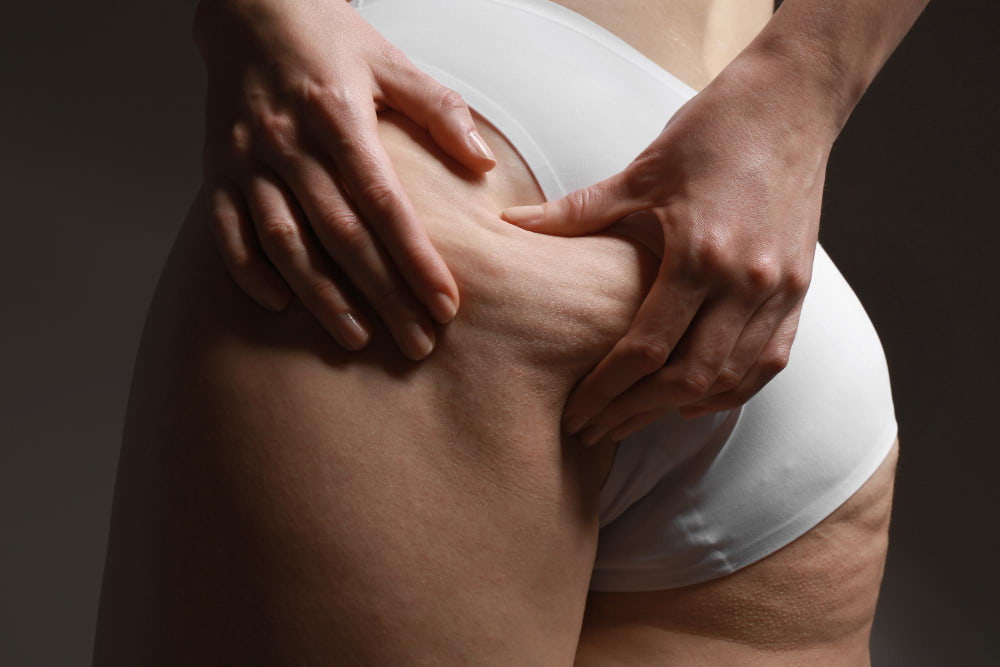

Cellulite is the dimpled, “orange peel” appearance that can develop on the thighs, buttocks, hips, and sometimes the abdomen or arms. It is very common, harmless, and not a sign of poor health, but many people want to reduce its appearance for comfort, confidence, or personal aesthetic reasons.
There is no treatment that permanently removes cellulite or works for everyone. The most realistic approach is to understand what is causing the dimples, use healthy habits and exercise where appropriate, and choose a medical treatment that matches the type of cellulite and the result you hope to achieve.
What Is Cellulite?
Cellulite is a change in the way the skin looks, not a disease or infection. It happens when fat beneath the skin pushes upward while fibrous bands of connective tissue pull the skin downward, creating dimples and uneven texture.
The appearance is often described as “orange peel” skin or a “mattress-like” texture. It is most noticeable on the thighs, buttocks, and hips, but it can also appear on the abdomen, arms, and knees.
Cellulite is extremely common, especially after puberty. It affects people of all body sizes, including people who are slim, and it is not a sign that someone is unfit or unhealthy.
What Does Cellulite Look Like?
Cellulite usually appears as small dimples, ripples, or shallow depressions in the skin. The skin may look smooth when you are standing still but become more uneven when you sit, squeeze the area, or tighten the muscles underneath.
The appearance can vary from mild texture changes to deeper, more visible dimples. In some people, the skin may also look slightly loose or less firm, especially around the thighs and buttocks.
Cellulite is different from loose skin after major weight loss. It can occur with firm skin, and it does not always improve when weight is lost.
Where Does Cellulite Appear?
Cellulite most often appears on the lower body, but it can occur in other areas as well.
Thighs: The outer thighs, inner thighs, and back of the legs are common areas
Buttocks: Dimpling and uneven texture are especially common here
Hips: Cellulite can extend from the hips into the upper thighs
Abdomen: Some people notice dimpling on the stomach
Arms: Cellulite can occur on the upper arms, although it is less common
Knees: Dimpling may appear above or around the knees
The location and pattern of cellulite can help a dermatologist decide which treatment may be most suitable.
Is Cellulite Normal?
Yes. Cellulite is a normal cosmetic skin change and does not usually cause pain, itching, or health problems. It is not caused by poor hygiene, poor fitness, or a lack of willpower.
Cellulite should not be confused with cellulitis, which is a bacterial skin infection. Cellulitis causes redness, warmth, swelling, pain, and sometimes fever, and it needs prompt medical care.
What Causes Cellulite?
The main cause of cellulite is the structure of the tissue beneath the skin. Fat lobules push upward against the skin, while fibrous bands called septae anchor the skin to deeper tissue and pull it downward.
When these forces interact, the skin surface develops dimples. The strength, direction, and thickness of these bands vary from person to person, which helps explain why cellulite looks different in everyone.
Cellulite is not caused by “toxins” or poor circulation alone. It is a structural and hormonal issue involving fat, connective tissue, skin thickness, and genetics.
Skin and Fat Structure
Fat is stored in lobules beneath the skin. In areas prone to cellulite, these lobules can push upward against the skin while fibrous bands pull downward, creating the characteristic dimpled appearance.
The pattern of these fibrous bands differs between women and men. In women, the bands tend to run more vertically, which may make fat more likely to push through and create visible dimples.
This structural difference is one reason cellulite is more common in women. However, men can develop cellulite too, especially around the abdomen, hips, and thighs.
Hormones, Genetics, and Age
Hormones, especially estrogen, may influence cellulite by affecting fat distribution, circulation, and connective tissue. This is why cellulite often becomes more noticeable during puberty, pregnancy, and menopause.
Genetics also play an important role. Family history can influence body shape, skin thickness, connective-tissue structure, and how easily cellulite becomes visible.
As people age, skin becomes thinner and less elastic. This can make existing cellulite more noticeable, even if the amount of fat has not changed.
Lifestyle Factors
Lifestyle can influence how visible cellulite looks, but it does not create a simple cause-and-effect relationship. Weight gain, inactivity, smoking, dehydration, and a diet high in processed foods may contribute for some people, but they do not explain every case.
Weight gain can make cellulite more noticeable in some people, but slim people can have cellulite too. Weight loss may improve the appearance for some, but it does not remove the underlying skin and connective-tissue structure.
Lipedema vs. Cellulite
Lipedema and cellulite can look similar, but they are different conditions. Cellulite is a cosmetic skin appearance, while lipedema is a chronic condition involving abnormal fat accumulation, most often in the legs and sometimes the arms.
Lipedema can cause pain or tenderness, easy bruising, a feeling of heaviness, and a disproportionate buildup of fat in the lower body. It is often mistaken for obesity or cellulite, and it does not usually respond well to diet and exercise alone.
Signs That May Suggest Lipedema
Lipedema typically affects both sides of the body and can make the legs look disproportionately larger than the upper body. The feet are usually spared, sometimes creating a noticeable cuff around the ankles.
Symptoms that need medical assessment include:
Pain or tenderness: The affected areas may hurt or feel sensitive to pressure
Easy bruising: Bruises may develop after minor knocks or without an obvious cause
Heavy legs: Discomfort or heaviness may affect everyday activities
Disproportionate enlargement: Both legs may remain noticeably larger than the upper body
Cellulite alone does not usually explain these symptoms. If they are present, arrange a medical assessment before choosing a cosmetic treatment.
How Lymphedema Is Different
Lymphedema is swelling caused by a problem with lymphatic fluid drainage, rather than the abnormal fat distribution associated with lipedema. The conditions can overlap, so persistent swelling should be assessed rather than identified from photographs or skin texture alone.
When to See a Doctor
See a doctor if you have persistent leg pain, tenderness, easy bruising, heaviness, or unexplained enlargement. A clinical examination can help determine whether you have lipedema, lymphedema, or another condition requiring treatment.
Seek urgent medical care if a leg suddenly becomes swollen, red, hot, or painful, especially if you also feel unwell or have a fever. These are not typical features of ordinary cellulite.
How to Reduce Cellulite Naturally
Healthy habits can improve overall skin health, muscle tone, and body composition, but they do not remove cellulite or provide a permanent cure. The most realistic approach is to focus on habits that support general health rather than chasing quick fixes.
Results, if they occur, are usually gradual and modest. A consistent routine is more useful than short-term products or extreme measures.
Habits That May Help
Maintain a stable, healthy weight: This may improve how cellulite looks for some people, although weight loss does not remove it
Stay active: Regular movement supports circulation, muscle tone, and overall health
Do not smoke: Smoking can affect skin quality and circulation
Eat a balanced diet: A varied diet with adequate protein, fiber, fruits, vegetables, and healthy fats supports overall health
Stay hydrated: Water supports general health, but it does not directly remove cellulite
Protect your skin from the sun: Sun exposure can contribute to skin thinning and loss of firmness over time
Massage, Dry Brushing, and Body Wraps
Massage-based treatments, including vacuum-assisted massage and endermologie, may temporarily improve circulation and skin appearance. Any change is usually short-lived and requires repeated sessions.
Dry brushing and coffee scrubs may make skin feel smoother temporarily, but there is little evidence that they reduce cellulite in a lasting way. Body wraps may cause temporary changes in skin appearance, but they do not remove fat or repair the underlying structure.
Creams and Supplements
Most creams provide, at most, modest and temporary improvement. Caffeine creams may temporarily tighten the appearance of skin, while retinol products may improve skin texture over time, but neither removes cellulite.
Supplements are not a reliable treatment. There is no supplement proven to eliminate cellulite, and some products can interact with medicines or cause side effects.
Claims to Be Wary Of
Be cautious with products or programs that promise fast, permanent, or complete results.
Detox programs: There is no evidence that detoxing removes cellulite
Miracle creams: No cream can permanently change the underlying structure of cellulite
Quick fixes: Results that appear overnight are usually temporary
One-size-fits-all treatments: The best approach depends on the type and severity of cellulite
Guaranteed results: No treatment can guarantee a specific outcome for every person
Cellulite Exercises: Resistance and Strength Training
Exercise can improve muscle tone, strength, and body composition, but it cannot target fat in one specific area. This means doing squats or lunges alone will not remove cellulite from the thighs or buttocks.
Strength training may improve the appearance of cellulite for some people by building muscle and improving overall body composition. However, there is limited evidence that exercise eliminates cellulite, and results vary widely.
What Exercise Can and Cannot Do
Exercise can improve fitness, strength, posture, and muscle tone. It may also help some people feel more confident in their bodies, which is valuable in its own right.
However, exercise cannot selectively burn fat from the thighs or buttocks. This is called spot reduction, and it is a myth. Fat loss, when it occurs, happens across the body according to genetics, hormones, and overall energy balance.
Strength Training for Cellulite on the Thighs and Glutes
Strength training can support muscle tone in the thighs, hips, and buttocks. A balanced program should include lower-body strength work, regular activity, and adequate recovery.
Squats: A foundational lower-body exercise that works the thighs and glutes
Lunges: These can improve balance, strength, and muscle control in the legs
Step-ups: A practical exercise that targets the thighs and glutes
Hip thrusts: A glute-focused exercise that can support strength and shape
Deadlifts: A compound movement that works the posterior chain, including the hamstrings and glutes
Glute workout routines: These can include a mix of hip thrusts, bridges, step-ups, and lunges
Start with a weight and range of motion that feels controlled. Gradually increase the load as strength improves, and ask a qualified trainer or physiotherapist to review your form if you are new to strength training.
Cardio and Everyday Movement
Cardio can support overall fitness and circulation, but it does not target cellulite directly. Walking, cycling, swimming, and other aerobic activities can be useful parts of a balanced routine.
Avoid long periods of sitting when possible. Regular movement throughout the day, such as short walks or standing breaks, can support circulation and overall wellbeing.
Medical Treatments for Cellulite
Medical treatments for cellulite vary in what they target, how long results last, and how much evidence supports them. Some treatments aim to release fibrous bands, while others focus on skin firmness, circulation, or fat-related changes.
No single treatment works for everyone. The best option depends on whether your main concern is dimples, skin laxity, texture, or fat distribution.
| Treatment | How it works | Evidence and duration | Downtime | Key cautions |
|---|---|---|---|---|
| Radiofrequency | Heats deeper skin layers to encourage collagen remodeling | Some evidence for modest improvement; results are temporary and need maintenance | Usually minimal | Risk of burns or pigment changes if not performed correctly |
| Acoustic wave therapy | Uses pressure waves to affect connective tissue and circulation | Some evidence for improvement, but results vary and may be temporary | Usually minimal | May cause temporary bruising or soreness |
| Massage-based devices | Mechanically massage and stimulate the skin | May give temporary improvement; repeated sessions are needed | Usually minimal | Results are short-lived and vary |
| Laser or light-based treatment | Targets skin structure or circulation | Evidence is mixed; improvement is often modest and temporary | Usually minimal to short | Pigment changes can occur, especially in darker skin |
| Subcision | Releases fibrous bands causing dimples | Can improve selected dimples; results may last longer than surface treatments | Bruising and swelling are common | Not suitable for all cellulite patterns |
| Injectable treatments | Aim to release or modify fibrous bands | Evidence is promising for some products, but availability and approval vary | Usually minimal | Bruising, pain, and uneven results can occur |
| Liposuction | Removes fat | Does not treat cellulite and can sometimes make it look worse | Surgical recovery | Not a cellulite treatment |
| Fat freezing | Reduces localized fat | Does not treat cellulite or fibrous bands | Usually minimal | Not a cellulite treatment |
Non-Invasive Treatments
Non-invasive options include radiofrequency, acoustic wave therapy, massage-based devices, and some laser or light-based treatments. These approaches may improve the appearance of skin temporarily, but they usually require a series of sessions and maintenance.
Radiofrequency heats deeper layers of skin to encourage collagen remodeling. Some studies show improvement in skin firmness and cellulite appearance, but results are usually modest and temporary.
Acoustic wave therapy, also called shockwave therapy, uses pressure waves to affect connective tissue and circulation. Some studies show benefit, but results vary and may not last long without maintenance.
VelaShape combines several technologies, including radiofrequency, infrared light, and vacuum massage. It may improve the appearance of skin temporarily, but it does not remove cellulite permanently.
Minimally Invasive Treatments
Minimally invasive options include subcision, device-assisted subcision, and some injectable treatments. These approaches target the fibrous bands that create visible dimples.
Subcision releases the fibrous bands causing dimples. It can improve selected dimples, especially those visible at rest, but it does not treat all types of cellulite. For more detail on how the procedure works, recovery, and possible lumps, see Medical Park’s subcision guide.
Cellfina is a device-assisted form of subcision that stabilizes the skin and guides treatment of fibrous bands. It has been studied for cellulite dimples, with some evidence of longer-lasting improvement in selected patients.
Collagenase injections use an enzyme to break down fibrous bands. Evidence is promising for some products, but availability and approval vary by country, and at least one injectable has been withdrawn from sale in some markets.
Injectable treatments are not a one-size-fits-all solution. They may help selected dimples, but they can cause bruising, pain, uneven results, or other side effects.
Treatments That Do Not Treat Cellulite
Some treatments are often marketed for body shaping but do not address the structure of cellulite.
Liposuction: Removes fat but does not improve cellulite and can sometimes make it look worse
Fat freezing: Targets fat cells, not fibrous bands or skin structure
Weight loss alone: May improve appearance in some people but does not remove cellulite
How to Get Rid of Cellulite on Thighs and Legs
Cellulite on the thighs, buttocks, and legs is one of the most common concerns. The most realistic approach is to combine healthy habits, strength training, and, if appropriate, a medical treatment matched to the type of cellulite.
A sensible stepped approach may include:
Start with healthy habits: Stable weight, regular activity, balanced nutrition, and not smoking
Add strength training: Focus on overall lower-body strength rather than spot reduction
Assess the type of cellulite: Determine whether dimples, laxity, or texture is the main concern
Choose a treatment that matches the concern: Band-release treatments for dimples, skin-firming treatments for laxity, and combination plans for mixed concerns
Set realistic expectations: Improvement is possible, but complete removal is not
Who Is a Good Candidate for Cellulite Treatment?
A good candidate for cellulite treatment is someone with realistic expectations, stable health, and a clear understanding of what each treatment can and cannot do. The best results come from matching the treatment to the type of cellulite rather than choosing based on price or marketing.
A doctor or dermatologist will assess the type and severity of cellulite, skin quality, medical history, and any factors that could affect healing or safety. This is also the time to consider whether lipedema or another condition may be contributing to symptoms.
Who May Benefit?
You may be a good candidate if you have:
Mild to moderate cellulite: Especially if skin laxity or texture is the main concern
Isolated dimples: Clearly defined depressions caused by fibrous bands
Stable health: No active infection or uncontrolled medical condition
Realistic expectations: Understanding that improvement is gradual and may be temporary
Time for follow-up: Willingness to attend multiple sessions if needed
When to Wait or Avoid Treatment
Some situations require extra caution or a delay in treatment.
Pregnancy: Elective aesthetic procedures are usually postponed
Active skin infection: Treatment should wait until the skin is healthy
Blood-thinning medication: This can increase bruising and bleeding risk
Uncontrolled medical conditions: Conditions affecting healing or circulation should be stabilized first
Suspected lipedema: A medical assessment is needed before choosing cosmetic treatment
Risks and Side Effects of Cellulite Treatments
Side effects depend on the type of treatment. Non-invasive options may cause temporary redness, warmth, bruising, or soreness, while minimally invasive options can cause more noticeable bruising, swelling, or lumps.
Cellulite treatment for dark skin requires extra care because some energy-based devices can increase the risk of pigment changes. A dermatologist should assess your skin type and recommend an approach that minimizes this risk.
Common Side Effects
Redness or warmth: Common after radiofrequency, laser, or massage-based treatments
Bruising: More common after subcision or injectable treatments
Swelling: Can occur after minimally invasive procedures
Tenderness: Mild soreness is expected and should improve over time
Temporary skin changes: Some treatments can cause temporary firmness or texture changes
Less Common Risks
Burns or blistering: Can occur with energy-based devices if settings or technique are not appropriate
Pigment changes: Darker or lighter patches can occur, especially in darker skin tones
Infection: A risk after any procedure that breaks the skin
Uneven results: Some areas may respond differently than others
Persistent lumps: More common after subcision and may need follow-up treatment
When to Call Your Doctor
Contact your doctor promptly if you develop increasing pain, spreading redness, heat, pus, fever, or a rapidly enlarging swelling. These signs may need assessment and treatment.
Seek urgent medical care if you have difficulty breathing, severe facial swelling, fainting, or rapidly worsening symptoms after treatment. Do not wait for a routine follow-up appointment if you are concerned about a sudden change.
Factors That Affect Cellulite Treatment Costs
Cellulite treatment cost varies depending on the type of treatment, the area being treated, the number of sessions needed, and whether the procedure is combined with other treatments. Some approaches require a series of sessions, which can increase the overall cost.
Cost is usually quoted per session or per treatment package. The final price also depends on the clinician’s experience, the facility, anesthesia, aftercare products, and follow-up visits.
Whether cellulite treatment is worth it depends on your main concern, realistic expectations, and the likely benefit compared with alternatives. A consultation and examination are needed before an accurate quote can be provided.
Aesthetic Dermatology and Cellulite Treatment at Medical Park
If you are considering cellulite treatment at Medical Park, start by arranging a dermatology or aesthetic medicine consultation. A specialist can assess the type and severity of your cellulite, rule out conditions such as lipedema, and recommend a plan that matches your goals and skin type.
Treatment options may include radiofrequency, acoustic wave therapy, subcision, injectable treatments, or body contouring procedures, depending on what is most suitable for your skin and concerns. Your doctor will explain what each option can realistically achieve and how many sessions may be needed.
Follow-up is an important part of care. Because many cellulite treatments require multiple sessions and results can be temporary, Medical Park specialists monitor progress and adjust the plan as needed.
For international patients, Medical Park's International Patient Services Center can help coordinate consultations, treatment sessions, and follow-up around travel plans. If you are considering cellulite treatment in Turkey, contact Medical Park to arrange an assessment with an appropriate specialist.


 Makaleye Dön
 E-Result