


 TR
 EN
 RU
 AR
 FR


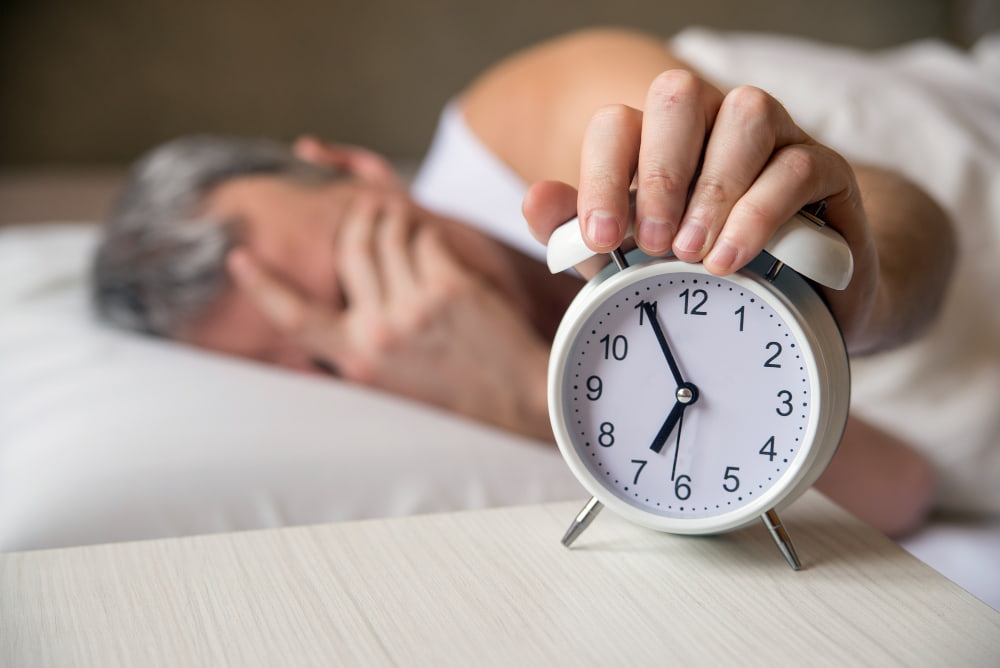

The circadian rhythm is the body's internal timing system, following a roughly 24-hour cycle that helps regulate sleep and wakefulness, body temperature, alertness, digestion, and hormone release. Guided primarily by light and darkness, this rhythm helps the body anticipate when to rest and when to be active. When the internal clock is aligned with a person's daily routine, it supports a consistent sleep-wake cycle and helps maintain alertness throughout the day.
A circadian rhythm disorder develops when this internal clock is out of sync with the sleep schedule a person needs or with the natural day-night cycle. This misalignment can make it difficult to fall asleep at a conventional bedtime, wake up when required, or stay alert during working or school hours.
Although irregular schedules, night shifts, and travel across time zones can temporarily disrupt sleep timing, persistent difficulties may indicate a circadian rhythm sleep-wake disorder. Treatment depends on the underlying pattern and may involve carefully timed light exposure, adjustments to sleep and daily routines, and, in some cases, melatonin to help realign the body's clock.
This guide explains how the circadian rhythm works, the six main types of circadian rhythm disorders, their symptoms and potential health effects, how they are diagnosed, and which treatments can help restore a more consistent sleep-wake cycle.
What Is the Circadian Rhythm?
The circadian rhythm is the body's daily timing system. It helps coordinate the sleep-wake cycle with changes in the environment while influencing other functions, including digestion, body temperature, and hormone production. When this rhythm is aligned with a person's daily routine, it is generally easier to fall asleep, wake up, and remain alert at appropriate times.
The Biological Clock and How It Works
The body's main circadian clock is located in the brain in an area called the suprachiasmatic nucleus (SCN), which receives information about light from the eyes. This master clock coordinates daily rhythms throughout the body, helping different organs and biological processes follow a similar schedule. Light is the most important external signal for setting the clock, although meal timing, physical activity, and daily routines can also influence it.
The term biological clock in this guide refers to the internal timing system that regulates daily sleep and other body functions, rather than the expression sometimes used when discussing fertility and ageing. The circadian clock does not always run at exactly 24 hours on its own. Regular exposure to daylight and darkness helps keep it aligned with the 24-hour day.
An external signal that synchronizes the body's timing is known as a zeitgeber, meaning a time-giving cue. Light is the strongest zeitgeber for most people. The body's natural preference for sleeping and waking at particular times is called a chronotype. This helps explain the difference between a morning person and a night owl, although a preference for late nights does not automatically mean someone has a sleep disorder.
Melatonin and Cortisol: The Sleep Hormone and the Wake Signal
Melatonin is often called the sleep hormone, but its main role is to signal that biological night has begun. Its levels generally rise in the evening when light decreases, helping the body prepare for sleep. Melatonin and circadian rhythm are closely connected because the timing of this rise can indicate where a person is in their internal day, even when their usual bedtime differs from the clock time.
Cortisol follows a different daily pattern. Levels usually rise toward the early morning, helping prepare the body for waking and activity, although stress, illness, medications, and other factors can affect this pattern. Neither hormone alone determines whether a person sleeps well; both are part of a wider system that coordinates daily biological rhythms.
Female Hormones and the Circadian Rhythm
Female hormones and circadian rhythm interact in ways that can influence sleep and body temperature. Changes in estrogen and progesterone across the menstrual cycle may affect sleep for some people, while pregnancy can bring changes in sleep needs, nighttime waking, and temperature regulation. During menopause, hot flashes and night sweats can interrupt sleep and make it harder to maintain a consistent routine.
Some studies suggest that women, on average, may have slightly earlier circadian timing than men, but individual differences are substantial. Hormonal changes do not necessarily indicate a circadian rhythm disorder, and sleep difficulties should not automatically be attributed to hormones. Persistent symptoms may need an assessment that considers sleep patterns, life stage, medications, and other possible causes.
What Are Circadian Rhythm Disorders?
Circadian rhythm sleep-wake disorders occur when a person's internal clock is consistently misaligned with the sleep schedule they need or the schedule required by work, school, or other commitments. A person may sleep well when allowed to follow their natural timing but struggle when they need to sleep or wake at a different time. Others experience a clock that shifts continuously or sleep that is scattered across the day and night.
There are six main disorders discussed in this guide. Four are considered intrinsic because they primarily reflect the timing or organization of the person's internal rhythm. Two are considered extrinsic because they arise mainly from a mismatch between the sleep schedule and external demands, such as shift work or travel across time zones.
| Disorder | What Happens | Who Is Most Affected | Main Treatment Approach |
|---|---|---|---|
| Delayed sleep-wake phase disorder | Sleep and waking occur later than desired. | Teenagers and young adults; others with a persistent late pattern. | Carefully timed light, sleep scheduling, and sometimes melatonin. |
| Advanced sleep-wake phase disorder | Sleepiness and waking occur earlier than desired. | More common with older age; sometimes familial. | Schedule adjustments and carefully timed light when appropriate. |
| Non-24-hour sleep-wake rhythm disorder | Sleep times gradually shift around the clock. | Most often totally blind people, but it can occur in others. | Regular scheduling and clinician-guided timed treatment. |
| Irregular sleep-wake rhythm disorder | Sleep occurs in several short periods without a clear main nighttime period. | People with certain neurological or neurodevelopmental conditions. | Structured daily routines and management of contributing conditions. |
| Shift work sleep disorder | Work hours conflict with the body's usual sleep timing. | Night-shift and rotating-shift workers. | Planned sleep, strategic light exposure, and shift-specific adjustments. |
| Jet lag disorder | The internal clock is temporarily out of step with local time after travel. | People crossing multiple time zones. | Gradual adjustment of sleep and timed light exposure; melatonin may help some travelers. |
Why the Clock Gets Out of Step
What causes circadian rhythm disorders varies by disorder. Genetics can influence the timing of the internal clock, including a person's tendency toward delayed sleep, while circadian rhythm in older adults may change as sleep becomes lighter and early waking becomes more common. Teenagers also commonly experience a shift toward later sleep timing, which can conflict with early school schedules.
Other factors can disrupt the circadian pattern:
Evening light and screens: Bright light in the evening can delay the body's biological night. Screen use is one possible source, but light intensity, timing, and individual sensitivity also matter.
Work and social schedules: Night shifts, rotating schedules, early starts, and inconsistent sleep times can force people to sleep when their internal clock promotes wakefulness.
Travel across time zones: The body clock adjusts gradually after travel, so local time and biological time may remain mismatched for several days.
Blindness: People with no light perception may lack the light signal needed to synchronize their internal clock, increasing the risk of non-24-hour sleep-wake rhythm disorder.
Neurological conditions: Dementia and some neurodevelopmental conditions can disrupt the organization of sleep and wakefulness.
Genetic and age-related differences: Inherited clock timing and changes associated with ageing can contribute to persistent early or late sleep patterns.
Social jet lag describes the gap between a person's preferred sleep timing and the schedule imposed by school, work, or social commitments. Repeatedly sleeping at different times on workdays and days off can make this mismatch more noticeable, although social jet lag alone does not establish a clinical diagnosis.
Types of Circadian Rhythm Disorders
Circadian rhythm disorders differ in how the sleep-wake cycle becomes misaligned. Sleep may occur too late or too early, the internal clock may drift each day, or sleep may be broken into multiple periods. Shift work and jet lag create different patterns because sleep must take place at a time that conflicts with the body's current biological timing.
Delayed Sleep-Wake Phase Disorder
Delayed sleep-wake phase disorder occurs when the body's preferred sleep and wake times are consistently later than the schedule a person needs to follow. Someone may be unable to fall asleep until 4 a.m. but sleep for a normal duration and feel rested if allowed to wake late in the morning or afternoon. This pattern is sometimes called delayed sleep phase syndrome or delayed sleep phase disorder.
It is common in teenagers and young adults, although it can persist into adulthood. People with a delayed pattern may be labeled night owls, lazy, or insomniac when the main difficulty is the timing of sleep rather than an inability to sleep at all.
Treatment may include:
A consistent wake time: Getting up at the same time each day helps anchor the schedule, although changes should be realistic and gradual.
Timed morning light: Daylight or prescribed bright light can help move the clock earlier when used at the appropriate time.
Clinician-guided melatonin: A carefully timed low dose may help shift sleep timing; taking it at the wrong time can have the opposite effect.
Advanced Sleep-Wake Phase Disorder
Advanced sleep-wake phase disorder causes a person to become sleepy unusually early in the evening and wake in the early morning, often before the desired time. Someone may fall asleep at 7 or 8 p.m. and wake at 3 or 4 a.m., even when trying to maintain a later schedule. The pattern is sometimes called advanced sleep phase syndrome.
It becomes more common with age and can run in families. Treatment may involve adjusting the schedule and, for selected patients, carefully timed evening light exposure to delay the clock. The right approach depends on the person's sleep pattern and daily obligations; simply forcing a later bedtime may lead to insufficient sleep.
Non-24-Hour Sleep-Wake Rhythm Disorder
In non-24-hour sleep-wake rhythm disorder, the internal clock does not remain synchronized with the 24-hour day. Sleep and waking gradually shift later or, less commonly, in another direction, so a person's sleep schedule may move through different times of day over successive weeks. It is also known as non-24 sleep disorder or free-running sleep disorder.
The condition is most common in people who are totally blind because the light signal that normally resets the clock may be absent. It can also occur in sighted people, although this is less common. Management usually requires a consistent schedule and carefully timed treatment supervised by a clinician, with the aim of synchronizing the internal rhythm to the day.
Irregular Sleep-Wake Rhythm Disorder
Irregular sleep-wake rhythm disorder involves multiple short periods of sleep and wakefulness throughout the 24-hour day rather than one consolidated nighttime sleep period. A person may nap repeatedly during the day, wake frequently overnight, and lack a predictable circadian pattern.
It is associated with conditions that affect the brain's regulation of sleep, including dementia and some neurodevelopmental conditions. Care often focuses on strengthening daily cues, such as regular daytime activity, exposure to daylight, and consistent meal and sleep routines, while assessing other contributors to nighttime waking. A caregiver may need to help maintain these routines when memory or independence is affected.
Shift Work Sleep Disorder
Shift work sleep disorder occurs when a person's work schedule repeatedly conflicts with the body's natural sleep timing. Night shifts and rotating shifts can require someone to stay alert when the internal clock promotes sleep and to sleep during the day when the body is biologically prepared to be awake. Symptoms may include insomnia during intended sleep hours, excessive sleepiness at work, and difficulty concentrating.
Practical measures include:
Protecting daytime sleep: A dark, quiet, cool bedroom and a consistent sleep period can make it easier to rest after a night shift.
Planning light exposure: Bright light during selected parts of a shift may help maintain alertness or adjust timing, depending on the work pattern.
Allowing recovery time: Strategic naps and moderate caffeine use may help with alertness, but neither replaces adequate sleep.
Reducing driving risk: Anyone who feels dangerously sleepy should not drive. Drowsy driving can impair reaction time and judgment, even when the person is trying hard to stay awake.
Jet Lag Disorder
Jet lag disorder occurs when rapid travel across time zones leaves the body's internal clock out of step with local time. Symptoms may include difficulty falling asleep at the local bedtime, waking too early, daytime sleepiness, reduced concentration, and digestive changes. How long jet lag lasts depends on the number of time zones crossed, travel direction, individual timing, and how consistently the person follows the destination schedule.
Eastward travel is often harder because it requires the body to shift to an earlier schedule, while westward travel usually requires a delay. Travelers can begin adjusting sleep and light exposure before departure when practical, then use local daylight and meal times after arrival to support adaptation. Melatonin may help in some circumstances, but timing matters, so it is worth discussing its use with a healthcare professional.
Symptoms and Health Effects of Circadian Rhythm Disorders
The symptoms of circadian rhythm disorder depend on the type and severity of the mismatch. The main problem is often not an inability to sleep under all circumstances, but difficulty sleeping at the time required by work, school, or everyday life. Ongoing misalignment can affect performance, relationships, and overall well-being.
Common symptoms include:
Difficulty falling asleep at the desired time: A person may lie awake for hours despite feeling tired, particularly with delayed sleep-wake phase disorder.
Waking too early: People with an advanced sleep pattern may wake well before their planned time and struggle to return to sleep.
Excessive daytime sleepiness: Misalignment or insufficient sleep can cause fatigue, reduced alertness, and unintentional dozing.
Poor concentration and memory: Sleep disruption can make it harder to learn, make decisions, and complete work or school tasks.
A changing or fragmented sleep schedule: Non-24-hour and irregular sleep-wake rhythm disorders may cause sleep times to drift or break into several periods.
Effects on Mood, Thinking, and Long-Term Health
Circadian rhythm and mood are closely linked. Persistent sleep disruption can contribute to irritability, low mood, and difficulty managing stress, while circadian disruption is also associated with depression in some people. These relationships are complex: mood disorders can affect sleep timing, and sleep disruption can worsen existing mood symptoms.
Long-term circadian disruption has been associated with cardiometabolic concerns, including problems involving blood pressure, glucose regulation, and body weight. Research on shift work and circadian rhythm and weight gain suggests possible links, but risk varies and an association does not mean a circadian disorder will directly cause a specific condition. Regularly getting too little sleep can also affect health independently of circadian timing.
When to See a Doctor
Consider medical assessment when sleep and waking difficulties persist, interfere with daily life, or do not improve despite a consistent routine. Seek help promptly if sleepiness affects safety, mood, or the ability to function.
Do not ignore the following warning signs:
Drowsy driving or unsafe sleepiness: Stop driving if you are struggling to stay awake. Recurrent sleepiness during driving or work warrants medical assessment.
Persistent mood changes: Ongoing depression symptoms, severe anxiety, or significant changes in mood should be discussed with a healthcare professional.
Possible sleep apnea: Loud snoring, witnessed breathing pauses, or waking up gasping may indicate a breathing-related sleep disorder rather than a circadian problem alone.
Sudden sleep attacks: Uncontrollable episodes of falling asleep need evaluation because conditions such as narcolepsy can cause excessive daytime sleepiness.
How Are Circadian Rhythm Disorders Diagnosed?
Diagnosis depends on understanding when a person sleeps, when they are awake, and how these patterns change over time. A clinician will usually ask about bedtime, waking time, naps, work schedule, light exposure, medications, and how rested the person feels. The aim is to distinguish a circadian rhythm disorder from insomnia, insufficient sleep, or another condition that affects sleep quality.
Sleep Diary and Actigraphy
A sleep diary records sleep and wake times over a period of days or weeks. A clinician may ask the person to track bedtime, estimated time to fall asleep, nighttime waking, final waking time, naps, caffeine, and work or school commitments. This can reveal a recurring pattern that a single appointment cannot show.
Actigraphy uses a wrist-worn monitor to record movement over time and estimate sleep-wake patterns. It is often used alongside a diary for one to two weeks, sometimes longer when the pattern is variable. Although actigraphy is useful for identifying timing patterns, it does not directly measure every stage of sleep or confirm a diagnosis on its own.
Circadian Phase Testing
Some cases require more specialized testing. Dim-light melatonin onset (DLMO) measures when melatonin begins to rise under controlled, dim-light conditions, helping estimate the timing of the body's biological night. This can help clinicians determine when a person's internal clock is shifted and plan treatment more precisely.
A circadian rhythm test is not necessary for everyone. The decision depends on the symptoms, the suspected disorder, and whether routine sleep records provide enough information to guide treatment.
When a Sleep Study Is Needed
Polysomnography, commonly called a sleep study, is not routinely required to diagnose a circadian rhythm disorder because it records sleep during a specific period rather than showing the full timing pattern over several weeks. However, it may be recommended when symptoms suggest another sleep condition, including obstructive sleep apnea or unusual nighttime behaviors. A clinician may also consider narcolepsy testing when severe daytime sleepiness or sudden sleep attacks are present.
Readers who want to understand overnight testing can see our guide to sleep studies (polysomnography). Restless legs syndrome can also disrupt sleep and may need separate evaluation when uncomfortable sensations or an urge to move the legs are prominent.
How to Reset and Fix Circadian Rhythm
Treatment aims to realign the internal clock with the sleep schedule a person needs to follow, or to reduce the impact of a schedule that cannot easily be changed. There is no single routine that works for every circadian rhythm disorder: the right timing of light, darkness, sleep, and sometimes melatonin depends on whether the clock needs to shift earlier, later, or become more stable. Improvement may take several days to weeks, and persistent symptoms may require clinician-guided treatment.
Light Therapy for Circadian Rhythm Disorders
Light is the strongest environmental signal for resetting the circadian clock. Morning light often shifts the clock earlier, while light at other times can delay it; the effect depends on when exposure occurs relative to the person's internal rhythm. For this reason, light therapy for circadian rhythm disorders should be planned around the specific sleep pattern rather than used at an arbitrary time.
Treatment may include:
Morning daylight: Outdoor light soon after waking can help advance a delayed schedule when used at the appropriate time.
A bright light therapy box: A clinician may recommend a light box with a specified intensity and duration when natural daylight is insufficient. The appropriate light therapy lux level and timing depend on the treatment plan.
Reduced evening light: Dimming household lights and limiting bright screen exposure near the intended bedtime may help prevent further delays.
Careful timing for early sleepers: People with advanced sleep-wake phase disorder may need a different light schedule, sometimes including evening exposure, rather than the morning-light approach used for delayed timing.
Light treatment is not suitable for everyone without advice. People with bipolar disorder, certain eye conditions, or medications that increase sensitivity to light should consult a clinician before using a bright light therapy box. Light can affect the circadian clock in different ways at different times, so mistimed treatment may worsen the problem.
Blue-light-blocking glasses are sometimes used to reduce evening exposure, but evidence for their effectiveness varies by product and situation. They should not be considered a substitute for addressing light timing, sleep scheduling, or an underlying disorder.
Timed Melatonin
Melatonin can help shift the internal clock when taken at the appropriate time for the specific disorder. Its role is not simply to make someone sleepy: the timing of the dose is important because melatonin acts as a signal of biological night. For example, melatonin for delayed sleep phase may be recommended well before the desired bedtime, depending on the person's internal timing and clinical plan.
Important considerations include:
Timing and dose: More is not necessarily better, and taking melatonin at the wrong time can shift the clock in an unwanted direction.
Product quality: Melatonin is sold as a supplement in some countries and as a prescription medicine in others. Regulation and product quality vary, so discuss the product and dose with a healthcare professional.
Non-24-hour disorder: Tasimelteon is approved in some countries for certain patients with non-24-hour sleep-wake rhythm disorder, particularly people who are totally blind. Availability and approval differ by country, and its status should be checked locally.
Other medicines and conditions: A clinician can review possible interactions, side effects, and whether melatonin or another treatment is appropriate.
Do not start or change melatonin treatment based only on a generic bedtime recommendation. Its effectiveness depends on the disorder and the timing of administration.
Scheduled Sleep, Meals, and Exercise
Consistent daily cues help reinforce the circadian clock. When adjusting a sleep schedule, small changes that can be maintained are generally more practical than abruptly forcing a much earlier bedtime.
Set a consistent wake time: Getting up at a similar time every day helps anchor the schedule, including on weekends, when possible.
Shift gradually: Move bedtime and waking time in manageable increments rather than cutting several hours of sleep at once.
Keep meals regular: Eating at broadly consistent times provides additional daily cues, although meal timing alone is not a treatment for a diagnosed disorder.
Plan physical activity: A sedentary lifestyle can contribute to an irregular daily routine and may affect sleep quality. Build regular movement into your day to support sleep and overall health, while avoiding vigorous exercise close to bedtime if it makes falling asleep more difficult.
Use light strategically: Combine schedule changes with the appropriate timing of daylight and evening darkness when the goal is to move the clock earlier or later.
Chronotherapy, which progressively shifts sleep timing, may be used in selected cases under professional guidance. Unsupervised attempts to rotate sleep around the clock can worsen misalignment and make it harder to maintain work or school commitments.
Sleep Hygiene
Sleep hygiene means the everyday habits and environment that support good sleep. It is a useful foundation for treatment, but it may not correct a circadian rhythm disorder on its own if the internal clock remains out of step with the required schedule.
Helpful habits include:
Create a sleep-friendly bedroom: Keep the room dark, quiet, and comfortably cool, and reduce interruptions during the planned sleep period.
Limit stimulants near sleep: Caffeine can remain in the body for hours, so avoid consuming it close to the intended sleep time.
Build a wind-down routine: Choose quiet activities before bed and reduce bright light as bedtime approaches.
Avoid relying on weekend catch-up sleep: Large changes in sleep timing between workdays and days off can increase social jet lag.
Track what works: A sleep diary can help identify whether changes in light, caffeine, activity, or schedule improve symptoms.
If sleep remains difficult despite these measures, the next step is not necessarily to try more sleep tips. A persistent pattern may require assessment and treatment directed at the circadian clock.
Managing Shift Work Disorder and Jet Lag
Shift work disorder and jet lag need strategies that account for when a person must be awake and when their body is biologically ready to sleep. The goal is to protect sufficient sleep while using light and scheduling to reduce the mismatch.
For night and rotating shifts:
Plan a protected sleep period: Keep daytime sleep as consistent as possible and reduce light and noise in the bedroom.
Use light deliberately: Bright light during selected parts of a shift may help alertness or adjustment, but the timing should suit the shift pattern and intended sleep period.
Use naps and caffeine cautiously: A planned nap and moderate caffeine may improve short-term alertness, but neither replaces adequate sleep.
Take drowsiness seriously: If you are too sleepy to drive safely after a shift, arrange another way home.
For jet lag:
Adjust before departure when practical: Gradually moving sleep and wake times toward the destination schedule may make the transition easier.
Follow local time after arrival: Local daylight, meals, and activity can help reinforce the destination's daily rhythm.
Account for travel direction: Eastward trips usually require an earlier schedule, while westward trips usually require a later one.
Allow time for adaptation: How long jet lag lasts varies with the number of time zones crossed and individual differences. Avoid assuming that one night of sleep will fully reset the clock.
Living With a Circadian Rhythm Disorder
For many people, managing a circadian rhythm disorder is an ongoing process rather than a one-time reset. A tendency toward delayed or advanced sleep timing may persist even after symptoms improve, so maintaining an appropriate schedule and using light at the right time can be important for preventing a return of difficulties. The most realistic plan is one that fits the person's health, responsibilities, and usual sleep pattern.
For teenagers, families may need to balance a later biological rhythm with school start times and adequate sleep. Older adults may benefit from predictable daily routines, daytime activity, and assessment when early waking or fragmented sleep becomes disruptive. People with dementia or other neurological conditions may need additional support from caregivers to maintain regular daytime cues and a suitable sleep environment.
Travelers and shift workers can plan ahead when their schedules change, but should expect that adjustment may take time. If symptoms repeatedly interfere with work, learning, relationships, or safety, a clinician can help determine whether the pattern reflects a circadian rhythm disorder or another sleep condition.
Why Choose Medical Park for Circadian Rhythm Disorders?
Medical Park Hospitals in Turkey provide evaluation of sleep disorders, including insomnia, excessive daytime sleepiness, and sleep disturbances associated with neurological conditions. Our Neurology specialists can assess persistent difficulties with sleep timing, such as delayed sleep onset, waking too early, or struggling to remain alert during the day, and investigate whether another sleep disorder may be contributing to the symptoms.
Where clinically indicated, sleep studies, including polysomnography, can help investigate conditions such as sleep apnea that may cause similar complaints. For patients with suspected circadian rhythm disorders, distinguishing an internal clock misalignment from other causes of disrupted sleep is essential to determining the appropriate next steps.
Neurologists can use the clinical findings to guide further investigation and advise on suitable management, including sleep scheduling and the timing of light exposure or melatonin when appropriate. International patients can contact Medical Park’s International Patient Services Center to coordinate appointments and receive assistance with their evaluation and follow-up in Turkey.


 Makaleye Dön
 E-Result
 WhatsApp