


 TR
 EN
 RU
 AR
 FR


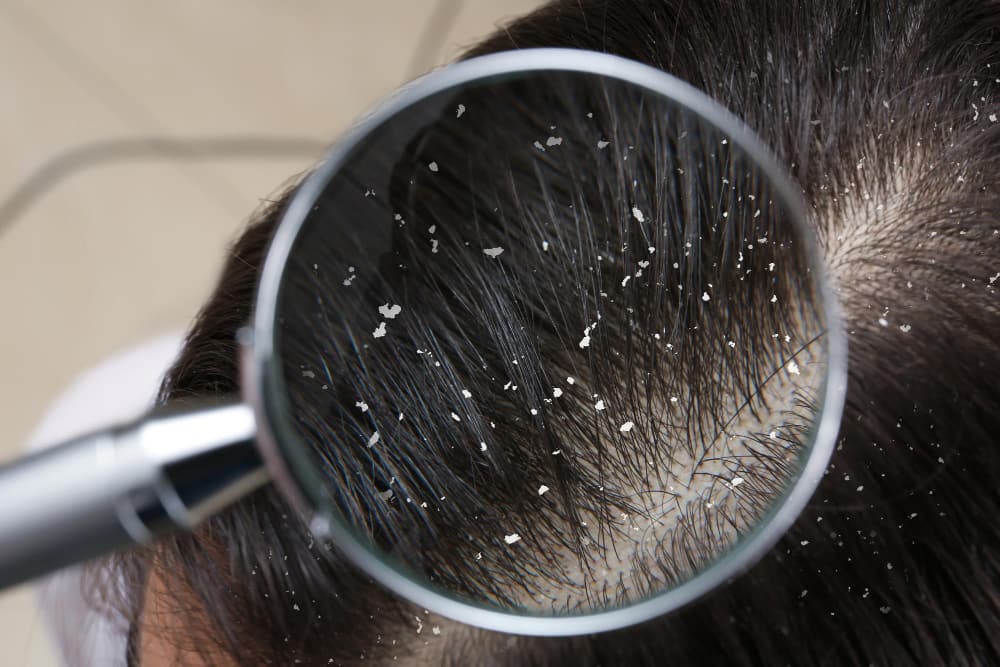

Dandruff is one of the most common causes of scalp flaking, often appearing as white or yellowish flakes on the hair, scalp, or shoulders. It may also cause itching and mild irritation, which can become more noticeable when the scalp is oily or symptoms flare up during colder weather or periods of stress.
Although dandruff is not contagious and is not a sign of poor hygiene, it can be persistent and may return even after the scalp initially improves. It is often associated with the activity of Malassezia, a yeast that naturally lives on the skin, as well as the scalp’s oil production and individual sensitivity.
Choosing the right treatment depends on understanding what is causing the flaking, since dry scalp, seborrheic dermatitis, scalp psoriasis, and other conditions can produce similar symptoms.
This guide explains the causes of dandruff, how to distinguish it from other scalp conditions, and which treatments and scalp care practices can help control flaking and itching.
What Is Dandruff?
Dandruff occurs when dead skin cells shed from the scalp and become visible as flakes. The scalp naturally renews its outer layer, but this process can become more noticeable when the skin is irritated or affected by changes in oil production and the microorganisms that normally live on the skin.
Dandruff is commonly considered a mild form of seborrheic dermatitis, a condition that affects areas rich in oil-producing glands. However, not every flaky scalp has the same cause. Dry skin, psoriasis, allergic reactions to hair products, and fungal infections can also cause scaling.
Common features of dandruff include:
Visible flakes: White or yellowish flakes may appear on the scalp, hair, shoulders, or clothing.
Itching: The scalp may feel itchy, although the severity varies.
Mild irritation: Some people experience redness or sensitivity, particularly after scratching.
Recurring symptoms: Flaking may improve with treatment and return when treatment is stopped.
Oily or dry-looking flakes: Dandruff can occur on an oily scalp, while flakes may also appear dry and loose.
Dandruff can affect people of different ages and hair types. It may become more noticeable during colder months or periods of stress, and it can be more persistent in people who have seborrheic dermatitis.
What Causes Dandruff?
There is no single cause of dandruff. It is associated with the scalp’s natural skin renewal process, oil production, and the activity of Malassezia, a yeast that normally lives on the skin.
Malassezia uses lipids in skin oils as a source of nutrients. In susceptible people, its activity and the skin’s response to it may contribute to irritation and faster shedding of skin cells. The yeast is normally present on healthy skin, so dandruff does not mean that someone has poor hygiene or has caught an infection from another person.
Factors that may contribute to dandruff or make it worse include:
Sebum production: The scalp’s natural oils can contribute to the environment in which Malassezia thrives.
Skin sensitivity: Some people’s scalps react more strongly to yeast-related byproducts or other irritants.
Cold or dry weather: Seasonal changes may make flaking and irritation more noticeable.
Stress: Emotional or physical stress may aggravate existing dandruff in some people.
Hair-care products: Fragrances, dyes, styling products, or other ingredients may irritate the scalp or trigger contact dermatitis.
Infrequent washing: Oil and dead skin cells may accumulate, making flakes more visible.
Underlying skin conditions: Seborrheic dermatitis and other inflammatory skin disorders may cause persistent scaling.
Dandruff is not caused by a lack of cleanliness, and washing the hair excessively will not necessarily resolve it. Frequent washing with harsh products can instead irritate the scalp. The goal is to find a routine that removes excess oil and flakes without damaging or irritating the skin.
Dandruff vs. Dry Scalp
Dandruff and dry scalp can both cause itching and visible flakes, but their underlying causes and treatment approaches differ. Dandruff is often associated with Malassezia, a yeast that naturally lives on the scalp, along with oil production and individual skin sensitivity. Dry scalp, by contrast, occurs when the skin lacks sufficient moisture, which may be aggravated by cold weather, low humidity, or harsh hair-care products.
Several features may help distinguish the two:
Appearance of flakes: Dandruff flakes may be larger, white or yellowish, and sometimes greasy. Dry scalp typically produces smaller, dry, white flakes.
Scalp condition: Dandruff may occur alongside excess oil or mild inflammation, while dry scalp is more likely to feel tight, rough, or generally dry.
Common triggers: Dandruff is associated with Malassezia activity, sebum, and skin sensitivity. Dry scalp is more often linked to reduced moisture, environmental conditions, or irritating products.
Treatment approach: Anti-dandruff shampoos containing ingredients such as ketoconazole or selenium sulfide may help control dandruff. Dry scalp may respond better to a gentle shampoo and avoiding products that strip the skin of its natural oils.
These signs are not definitive, and both conditions can occur at the same time. If flaking persists despite appropriate scalp care, or if itching and redness become severe, a dermatologist can examine the scalp and determine whether dandruff, dryness, or another skin condition is responsible.
Itchy Scalp: Is It Dandruff or Something Else?
An itchy scalp is not always a sign of dandruff. Other conditions can cause flakes, redness, sores, or irritation, and some require specific treatment. Scratching may temporarily relieve itching but can damage the skin and increase the risk of infection.
Scalp Psoriasis vs. Dandruff
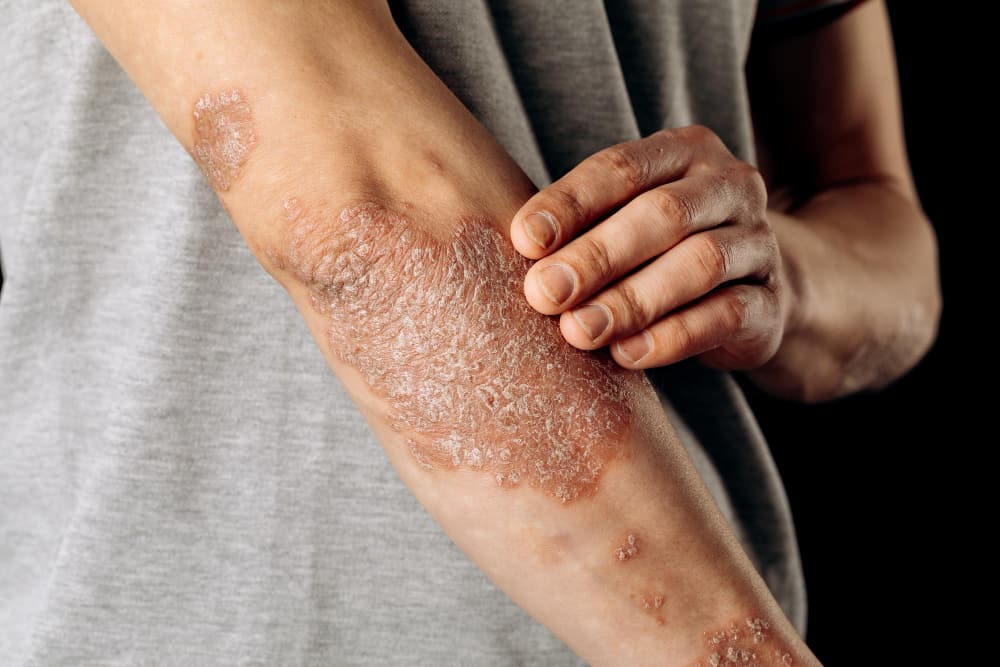
Scalp psoriasis is an inflammatory skin condition that can cause thick, well-defined patches covered with silvery-white scales. Unlike ordinary dandruff, the patches may extend beyond the hairline and affect areas such as the forehead, the back of the neck, or behind the ears.
Signs that may suggest scalp psoriasis include:
Thick, firmly attached scales rather than loose flakes alone.
Clearly defined, raised patches.
Cracking, soreness, or bleeding after scratching.
Similar patches on the elbows, knees, or other parts of the body.
Nail changes, such as pitting, in some people.
Dandruff generally causes more diffuse flaking without the thick, sharply defined plaques typical of psoriasis. However, mild psoriasis can resemble dandruff, so persistent or severe scaling should be evaluated rather than treated indefinitely with over-the-counter shampoo.
Dandruff vs. Head Lice
Head lice are small insects that live on the scalp and feed on blood. They can cause itching, but the itching results from a reaction to lice bites rather than the skin shedding associated with dandruff.
Clues that may indicate head lice include:
Nits attached to hair: Lice eggs are firmly attached to individual hair shafts and do not brush away as easily as dandruff flakes.
Live lice: Adult lice or crawling nymphs may be found close to the scalp, particularly behind the ears and near the nape of the neck.
Persistent itching: The scalp may itch considerably, although some people have few or no symptoms initially.
Small sores: Scratching may cause marks or scabs.
Dandruff flakes usually detach more easily and do not contain insects or eggs. If lice are suspected, careful examination with a fine-toothed detection comb can help. Anti-dandruff shampoo does not eliminate head lice; a suitable lice treatment is needed.
Other Conditions That Can Cause Scalp Flaking
Several additional conditions may resemble dandruff:
Contact dermatitis: An allergic or irritant reaction to shampoo, hair dye, fragrance, or styling products can cause itching, redness, burning, and scaling. Symptoms may begin after introducing a new product.
Seborrheic dermatitis: This condition can cause persistent greasy scales and redness on the scalp, eyebrows, sides of the nose, or behind the ears. It is closely related to dandruff but may be more inflamed and extensive.
Tinea capitis: This fungal infection can cause scaly patches, broken hairs, and areas of hair loss. Some cases produce tender, swollen areas or pus. It often requires prescription oral antifungal medication rather than shampoo alone.
Folliculitis: Inflammation of hair follicles may cause small, pimple-like bumps, tenderness, or pustules on the scalp.
Eczema: Eczema may cause dryness, itching, redness, and scaling, depending on the type and the person’s skin.
Cradle cap: In infants, greasy yellowish scales on the scalp are often a form of seborrheic dermatitis. Persistent inflammation, spreading redness, or signs of infection should be assessed by a healthcare professional.
Because these conditions can look alike, treatment should be based on the likely cause. A dermatologist may examine the scalp, ask about hair-care products and symptom history, and arrange additional tests if an infection or another disorder is suspected.
What is Beard Dandruff?
Beard dandruff describes flaking and itching in the skin beneath facial hair. It can be associated with seborrheic dermatitis, particularly when similar symptoms affect the scalp, eyebrows, or areas around the nose.
Possible signs include:
White or yellowish flakes caught in beard hair.
Itching, redness, or irritation beneath the beard.
Greasy or dry-looking skin.
Recurring flaking around the mustache, eyebrows, or hairline.
Gentle cleansing and avoiding irritating grooming products may help. When seborrheic dermatitis is responsible, an anti-dandruff product may be recommended for the affected skin, but it should be used according to its instructions and kept away from the eyes and mouth. Facial skin can be more sensitive than the scalp, so products intended for scalp use should not automatically be applied to the beard area.
If beard flaking is persistent, painful, unusually thick, or accompanied by patches of hair loss, a dermatologist can assess whether another skin condition or fungal infection is present.
Does Dandruff Cause Hair Loss?
Dandruff does not usually cause permanent hair loss. However, intense itching and repeated scratching can damage the scalp and break hairs. Inflammation from an underlying condition may also contribute to temporary shedding.
Hair loss should not automatically be attributed to dandruff. Other possible causes include hereditary pattern hair loss, telogen effluvium after illness or stress, nutritional deficiencies, hormonal conditions, and inflammatory or infectious scalp disorders.
Seek medical assessment if flaking occurs alongside:
Noticeable thinning or persistent increased shedding.
Bald patches or broken hairs.
Painful, swollen, or pus-filled areas.
Thick scales that bleed or crack.
Hair loss that continues after the scalp symptoms improve.
Identifying the cause matters because treatments for dandruff and hair loss are different. An anti-dandruff shampoo may help control scalp inflammation, but it will not treat every condition that affects hair growth.
How to Get Rid of Dandruff
For many people, an anti-dandruff shampoo is the first treatment. Different products work in different ways: some reduce yeast activity, while others loosen scales or slow the buildup of dead skin cells. The most suitable choice depends on the scalp’s condition, symptom severity, and response to previous treatments.
Choosing an Anti-Dandruff Shampoo
Common active ingredients include:
Ketoconazole: An antifungal ingredient that reduces Malassezia on the scalp.
Zinc pyrithione: Helps control yeast and may reduce flaking and irritation. Its availability varies by country and product formulation.
Selenium sulfide: Helps reduce yeast activity and may slow the buildup of skin cells.
Salicylic acid: Helps loosen and remove scales, although it can cause dryness or irritation in some people.
Coal tar: Slows skin-cell turnover and may help with scaling, including in some people with psoriasis. It can irritate the skin and increase sensitivity to sunlight.
Piroctone olamine: An antifungal ingredient used in some anti-dandruff formulations.
The best dandruff shampoo is not necessarily the one with the strongest formula. A product that works well for one person may be ineffective or irritating for another.
How to Use Dandruff Shampoo
Correct use is important because some products need time on the scalp to work. Follow the label instructions rather than assuming all anti-dandruff shampoos should be used in the same way.
Apply to the scalp: Focus on the skin rather than using the shampoo only on the lengths of the hair.
Follow the recommended contact time: Some products should remain on the scalp for several minutes before rinsing.
Use it at the advised frequency: Depending on the ingredient and scalp condition, use may range from several times a week to less frequent maintenance.
Adjust for hair type: Curly, coiled, or chemically treated hair may become dry with frequent washing. Apply the shampoo mainly to the scalp and use conditioner on the hair lengths as needed.
Avoid eye contact: Rinse thoroughly and stop using a product if it causes significant irritation.
Consider alternating products: If one active ingredient does not control symptoms, a different type may help. Persistent symptoms should prompt medical advice rather than repeated product changes without assessment.
Once dandruff improves, some people need to continue using an anti-dandruff shampoo periodically to prevent recurrence. The maintenance schedule depends on the product and how often symptoms return.
Prescription Treatments for Persistent Dandruff
If over-the-counter products do not provide adequate relief, a dermatologist may recommend a different shampoo, a prescription antifungal, or a short course of medication to reduce inflammation. The choice depends on whether the problem is uncomplicated dandruff, seborrheic dermatitis, psoriasis, contact dermatitis, or another condition.
Prescription corticosteroid scalp solutions or lotions may sometimes be used for significant inflammation. They should be used only as directed because prolonged or inappropriate use can cause side effects. Suspected fungal infections such as tinea capitis require a different treatment approach and may need oral medication.
Home Remedies for Dandruff: What Helps and What to Avoid
Home remedies are often promoted as ways to get rid of dandruff, but evidence for many of them is limited. Some can also irritate the scalp or worsen dryness.
Apple cider vinegar: There is insufficient evidence that it reliably treats dandruff. Its acidity may irritate the skin, particularly if applied undiluted.
Tea tree oil: Some hair products contain tea tree oil, but concentrated oil can cause irritation or allergic contact dermatitis. It should not be applied undiluted to the scalp.
Baking soda: Its high alkalinity can irritate the skin and disrupt the hair’s surface, so it is not a recommended dandruff treatment.
Coconut oil: It may help soften dry hair, but it does not reliably address the factors associated with dandruff and may not suit an oily, dandruff-prone scalp.
Aloe vera: Some people find soothing products helpful, but evidence that aloe vera alone controls dandruff is limited. Products containing fragrances or other irritants may worsen symptoms.
A gentle routine is generally safer than experimenting with harsh ingredients. Avoid scratching, use hair products that do not irritate the scalp, and choose a treatment with an appropriate active ingredient. If symptoms persist, professional assessment can help prevent unnecessary irritation and delays in diagnosis.
When Should You See a Doctor for Dandruff?
Mild dandruff can often be managed with appropriate shampoo and regular scalp care. Arrange a medical assessment if symptoms do not improve after using an anti-dandruff product as directed or if they are severe from the beginning.
A dermatologist should assess symptoms such as:
Persistent or intense itching that interferes with sleep or daily activities.
Marked redness, swelling, pain, or burning.
Thick scales, bleeding, crusting, or sores.
Pus, drainage, or other signs of infection.
Scaling that spreads beyond the scalp or affects the face and ears.
Broken hairs, bald patches, or unexplained hair loss.
A suspected reaction to hair dye, shampoo, or another product.
A clinician may be able to diagnose dandruff or seborrheic dermatitis by examining the scalp and reviewing the symptoms. If the appearance is atypical, further examination or testing may be needed to distinguish it from psoriasis, contact dermatitis, or a fungal infection. An accurate diagnosis helps ensure that treatment targets the actual cause.
Scalp and Hair Care at Medical Park
Persistent dandruff, recurring scalp irritation, and flaking accompanied by hair loss may require more than a change in shampoo. At Medical Park Hospitals in Turkey, the Dermatology Department coordinates evaluation of scalp conditions by examining the affected skin, reviewing symptom patterns, and considering possible triggers such as hair-care products.
Dermatologists can assess whether symptoms are consistent with dandruff or seborrheic dermatitis, or whether another condition—such as scalp psoriasis, contact dermatitis, or a fungal infection—requires a different treatment.
Depending on the diagnosis, care may include guidance on medicated shampoos, prescription treatment for inflammation, or further testing when the cause is unclear. Medical Park’s International Patient Services Center assists international patients with appointment coordination and communication about their care.




 Makaleye Dön
 E-Result
 WhatsApp