


 TR
 EN
 RU
 AR
 FR


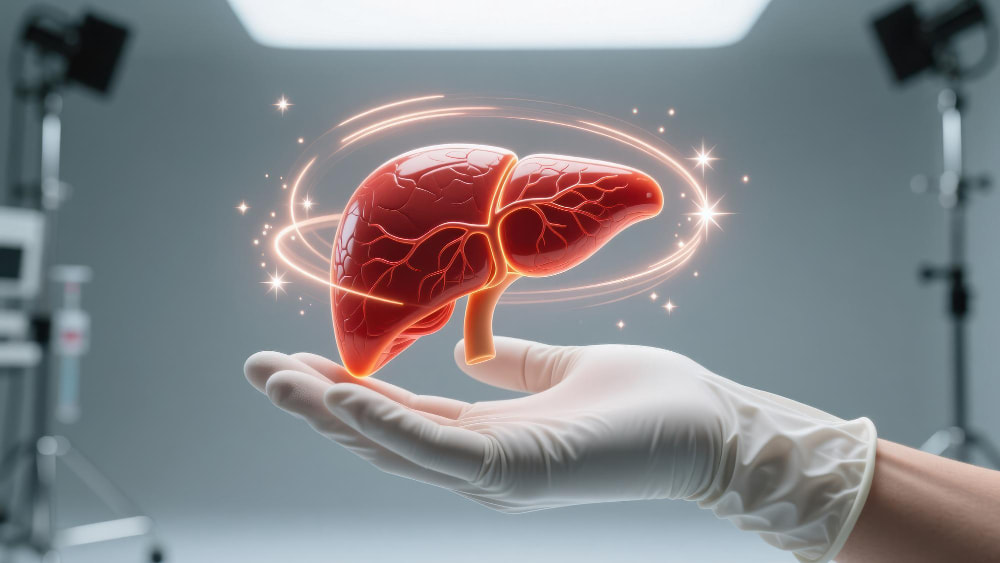

Fatty liver disease, also called hepatic steatosis or steatosis of the liver, develops when excess fat builds up inside liver cells. In many cases, the condition causes no symptoms, but it can lead to inflammation, liver damage, and scarring if the underlying cause is not addressed.
The most common form is non-alcoholic fatty liver disease, now also known as metabolic dysfunction-associated steatotic liver disease, or MASLD. It is often linked to excess weight, type 2 diabetes, high cholesterol, high blood pressure, and other metabolic conditions.
This guide explains what fatty liver disease is, what causes it, how it is diagnosed, and which lifestyle and medical approaches can help protect the liver.
What Is Fatty Liver Disease (Hepatic Steatosis)?
Fatty liver disease occurs when fat accumulates in the liver. A small amount of fat in the liver is normal, but when fat makes up more than a small percentage of liver tissue, it is described as hepatic steatosis.
The term steatosis means abnormal fat accumulation in an organ. When it affects the liver, it is called hepatic steatosis or fatty liver. The condition may be discovered during a routine blood test, abdominal ultrasound, or health check-up.
Fatty liver disease can range from simple fat accumulation to inflammation and scarring. In some people, excess liver fat does not cause significant damage. In others, it may progress to inflammation, fibrosis, cirrhosis, or more serious liver disease.
What Is Hepatic Steatosis?
Hepatic steatosis is the medical term for fat accumulation in liver cells. It can be caused by metabolic conditions, alcohol use, certain medicines, nutritional problems, or other underlying conditions.
The condition may be described as:
- Mild hepatic steatosis: A small amount of excess fat is present in the liver
- Moderate hepatic steatosis: A larger amount of fat is present and may require closer monitoring
- Severe hepatic steatosis: A substantial amount of fat is present, which may increase the risk of inflammation and liver damage
- Diffuse hepatic steatosis: Fat is spread throughout the liver rather than being limited to one area
The severity of fat accumulation does not always match the degree of liver damage. A person with mild fatty liver may still develop inflammation, while some people with more visible fat on imaging may have less active liver disease.
Types of Fatty Liver Disease
Fatty liver disease is generally divided into two main groups, depending on the underlying cause.
Non-Alcoholic Fatty Liver Disease (Metabolic Dysfunction-Associated Steatotic Liver Disease)
Non-alcoholic fatty liver disease, or NAFLD, develops in people who drink little or no alcohol. It is now commonly referred to as metabolic dysfunction-associated steatotic liver disease, or MASLD.
This form is often associated with:
- Obesity
- Type 2 diabetes
- Insulin resistance
- High cholesterol or high triglycerides
- High blood pressure
- Metabolic syndrome
MASLD is common and may remain stable for many years. In some people, fat in the liver does not cause noticeable damage. In others, continued fat accumulation can trigger inflammation and injury to liver cells.
Alcohol-Associated Fatty Liver Disease
Alcohol-associated fatty liver disease develops when regular or heavy alcohol use causes fat to build up in the liver. Alcohol can damage liver cells and increase inflammation.
Reducing or stopping alcohol use is an important part of treatment for this form. The appropriate approach depends on the amount and duration of alcohol use, the degree of liver damage, and the person’s overall health.
What Causes Fatty Liver?
The exact cause of fatty liver disease varies. In many cases, it develops when the body stores more fat than it can use effectively, leading to fat accumulation in liver cells.
Common causes of hepatic steatosis include:
- Excess weight: Fat tissue, particularly around the abdomen, can increase the amount of fat delivered to the liver.
- Insulin resistance: When the body does not respond properly to insulin, fat metabolism may be affected.
- Type 2 diabetes: High blood sugar and insulin resistance are closely linked to fatty liver.
- High cholesterol or triglycerides: Abnormal blood fat levels can contribute to fat accumulation in the liver.
- High blood pressure: Hypertension is often part of metabolic syndrome and may increase liver-related risk.
- Alcohol use: Regular or heavy drinking can directly contribute to fat buildup and liver injury.
- Certain medicines: Some medications may contribute to fatty liver in susceptible individuals.
- Rapid weight loss or malnutrition: In some cases, sudden weight loss or inadequate nutrition can affect liver fat metabolism.
- Other medical conditions: Certain inherited, hormonal, or metabolic disorders may also contribute.
Fatty liver disease is not caused by eating fat alone. Overall calorie intake, blood sugar control, physical activity, alcohol use, and metabolic health all play a role.
Symptoms of Fatty Liver Disease
Fatty liver disease often causes few or no symptoms, especially in its early stages. Many people learn they have the condition after routine blood tests or imaging performed for another reason.
When symptoms do occur, they may include:
- Fatigue: Feeling unusually tired or lacking energy.
- Discomfort in the upper right abdomen: A dull ache or feeling of fullness beneath the right ribs.
- General feeling of being unwell: Some people describe a vague sense of poor health.
- Unexplained weight changes: Weight gain or difficulty losing weight may be associated with metabolic risk factors.
- Signs of advanced liver disease: In later stages, symptoms may include jaundice, swelling in the abdomen or legs, easy bruising, or confusion.
Hepatic steatosis symptoms are often mild or absent. This is why regular monitoring is important for people with diabetes, obesity, high cholesterol, or other metabolic risk factors.
Hepatomegaly and Enlarged Liver
Hepatomegaly means an enlarged liver. It may be detected during a physical examination or on imaging tests such as ultrasound.
An enlarged liver can occur with fatty liver disease, but it can also be caused by other conditions. Hepatomegaly and hepatic steatosis often occur together, but an enlarged liver alone does not confirm fatty liver disease.
Some people with an enlarged liver may feel fullness or discomfort in the upper right abdomen. Others have no symptoms at all.
How Is Fatty Liver Disease Diagnosed?
Fatty liver disease is often suspected when liver enzymes are elevated or when fat is seen on an abdominal ultrasound. Diagnosis involves reviewing medical history, alcohol use, medications, metabolic risk factors, blood tests, and imaging findings.
There is no single test that confirms every case. The doctor may use several tests to assess liver fat, inflammation, liver function, and possible scarring.
Medical History and Physical Examination
The doctor may ask about:
- Alcohol consumption
- Weight changes and diet
- Diabetes, high blood pressure, or high cholesterol.
- Family history of liver disease
- Current medications and supplements
- Fatigue, abdominal discomfort, or other symptoms
- Previous liver test results
During the physical examination, the doctor may check for an enlarged liver, tenderness in the upper right abdomen, or signs of advanced liver disease.
Blood Tests
Blood tests can assess liver function and identify possible causes of liver damage. They may include:
- Liver enzymes: ALT and AST may rise when liver cells are inflamed or damaged
- Bilirubin: A substance processed by the liver; high levels may cause yellowing of the skin or eyes
- Alkaline phosphatase and GGT: Enzymes that can help assess bile flow and liver health
- Blood sugar and HbA1c: Used to assess diabetes or insulin resistance
- Cholesterol and triglycerides: Abnormal levels may support a diagnosis of metabolic fatty liver disease
- Viral hepatitis tests: Used to rule out hepatitis B or C when appropriate
Normal liver enzymes do not completely rule out fatty liver disease. Some people with fatty liver have normal ALT and AST levels.
Imaging Tests
Imaging can show whether fat is present in the liver and help assess its distribution.
- Abdominal ultrasound: Often the first imaging test used when fatty liver is suspected
- MRI or CT scan: May provide more detailed information about liver fat and structure
- FibroScan or elastography: Measures liver stiffness, which can help estimate the risk of fibrosis or scarring
Diffuse hepatic steatosis is often identified on ultrasound when the liver appears brighter than usual because of fat accumulation.
Liver Biopsy
A liver biopsy may be recommended when the diagnosis is unclear, liver enzymes remain high, or there is concern about significant inflammation or scarring. The procedure involves removing a small sample of liver tissue for examination under a microscope.
A biopsy can show whether fatty liver has progressed to inflammation, fibrosis, or cirrhosis. It is not needed for every patient with fatty liver disease.
Fatty Liver Diet
There is no single fatty liver diet that works for everyone. The goal is to support gradual weight management, improve blood sugar and cholesterol levels, and reduce the factors that contribute to liver fat.
A healthy eating pattern may include:
- Vegetables and fruits: Aim for a variety of colorful, fiber-rich options
- Whole grains: Choose foods such as oats, barley, brown rice, and whole-grain bread instead of refined grains
- Legumes: Beans, lentils, and chickpeas provide fiber and plant-based protein
- Healthy fats: Use olive oil, nuts, seeds, and fatty fish in appropriate portions
- Lean protein: Choose fish, poultry, eggs, low-fat dairy, or plant-based protein sources
- Water: Replace sugary drinks with water or other unsweetened beverages
Foods and drinks to limit include:
- Sugary drinks, including soda, sweetened tea, sports drinks, and fruit juice
- Foods high in added sugar, especially those containing fructose
- Fried foods and highly processed snacks
- Refined carbohydrates, such as white bread, white rice, and many packaged baked goods
- Excessive saturated and trans fats
- Alcohol, particularly for people with liver inflammation or fibrosis
A Mediterranean-style eating pattern, which emphasizes vegetables, fruits, whole grains, legumes, fish, olive oil, and nuts, may be beneficial for people with fatty liver disease.
Hepatic Steatosis Treatment
Hepatic steatosis treatment focuses on addressing the underlying cause and reducing liver fat. For most people with metabolic fatty liver disease, gradual weight loss, regular physical activity, and improved blood sugar control are the main treatments.
Treatment may include:
- Gradual weight loss: Losing weight slowly can reduce liver fat, inflammation, and fibrosis
- Regular exercise: Physical activity improves insulin sensitivity and supports weight management
- Blood sugar control: Managing diabetes or prediabetes can reduce further liver stress
- Cholesterol management: Treating high cholesterol or triglycerides may support overall metabolic health.
- Blood pressure control: Managing hypertension reduces cardiovascular and liver-related disease risks
- Limiting alcohol: Avoiding or reducing alcohol can prevent additional liver injury
- Medication review: A doctor may review medicines and supplements that could contribute to liver fat or liver damage
- Treatment for advanced disease: People with significant inflammation or fibrosis may require closer monitoring and specialist care
Weight loss is a central part of hepatic steatosis treatment for people with overweight or obesity. Even modest weight loss can reduce liver fat, while greater weight loss may improve inflammation and scarring.
There is no single medication that treats fatty liver disease in every patient. Treatment is individualized and may focus on diabetes, cholesterol, blood pressure, obesity, or other underlying conditions.
Living with Fatty Liver Disease
Many people with fatty liver disease can improve their liver health through sustained lifestyle changes. The condition may improve when excess weight is reduced, blood sugar and cholesterol are controlled, and alcohol use is limited.
Regular follow-up is important because fatty liver disease can progress without clear symptoms. Monitoring may include liver blood tests, imaging, weight and waist measurements, blood pressure checks, and assessment of diabetes or cholesterol control.
People with fatty liver disease should also consider a comprehensive cardiovascular risk assessment. Fatty liver is often associated with heart disease risk factors, so managing blood pressure, cholesterol, blood sugar, and weight benefits both the liver and the heart.
When to See a Doctor
See a healthcare professional if you have:
- Persistent fatigue or discomfort in the upper right abdomen
- Elevated liver enzymes on a blood test
- An enlarged liver found during an examination or imaging test
- Diabetes, obesity, high cholesterol, or high blood pressure
- A history of heavy alcohol use
- Yellowing of the skin or eyes
- Swelling in the abdomen or legs
- Easy bruising, confusion, or other signs of advanced liver disease
Early assessment can help identify fatty liver disease before it progresses and allow treatment to begin at the right time.
Why Choose Medical Park for Liver Care?
Medical Park Hospitals in Turkey provide comprehensive liver care for patients with suspected or confirmed fatty liver disease, from preventive and diagnostic screening to follow-up and advanced treatment when required. Assessment may include blood tests, abdominal ultrasound, advanced imaging, FibroScan, and specialist consultation based on the patient’s symptoms, risk factors, and previous results.
The evaluation and treatment plan may involve specialists from Gastroenterology, Internal Medicine, Endocrinology, Radiology, Nutrition and Dietetics, and other relevant departments. This coordinated approach allows the care team to assess liver health alongside diabetes, cholesterol, blood pressure, weight, and overall metabolic health.
For patients whose fatty liver disease has progressed to significant inflammation, fibrosis, cirrhosis, or liver failure, Medical Park also provides access to advanced treatment options, including liver transplantation. The appropriate treatment pathway depends on the severity of liver damage, the presence of complications, and the patient’s overall health.
For international patients, Medical Park’s International Patient Services Center can help coordinate consultations, laboratory testing, imaging, specialist appointments, and follow-up planning. Patients can discuss their liver test results, imaging findings, dietary needs, and long-term monitoring plan with the appropriate specialists.
Fatty liver disease is often manageable when the underlying causes are addressed early. A coordinated treatment plan can help reduce liver fat, lower the risk of progression, and support overall metabolic and cardiovascular health.




 Makaleye Dön
 E-Result
 WhatsApp