


 TR
 EN
 RU
 AR
 FR


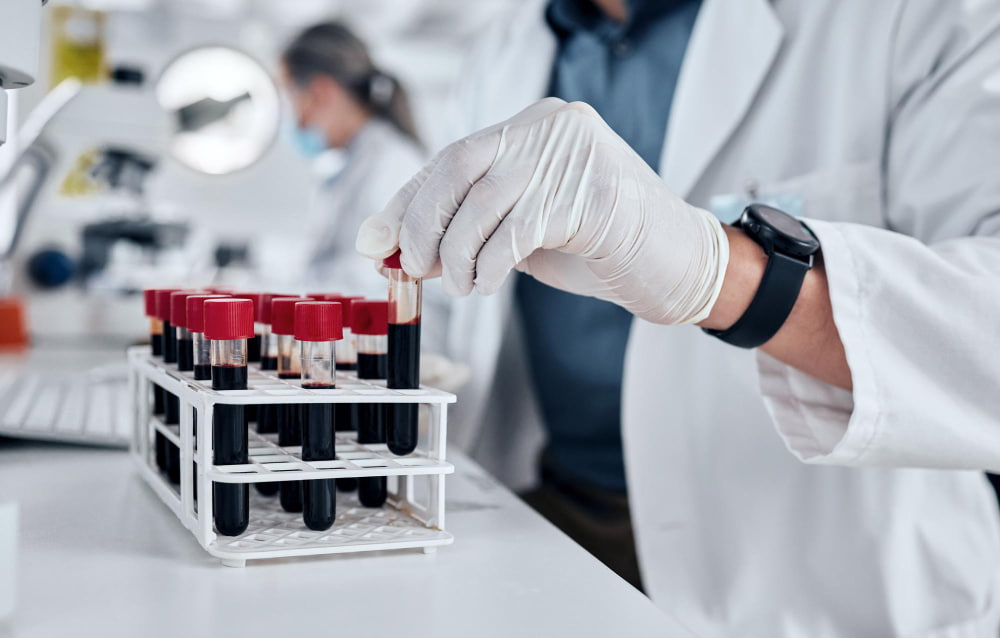

Ferritin is a protein that stores iron in the body and releases it when iron is needed. A ferritin blood test measures the amount of ferritin in the blood and is commonly used to assess the body's iron stores. Low ferritin usually points to depleted iron stores, while high ferritin can have several possible causes, including inflammation, liver problems, and iron overload.
However, ferritin is not a measure of iron stores that can always be interpreted on its own. Ferritin also increases when the body is responding to inflammation, infection, or illness. This means that a ferritin result that appears normal or high does not always mean that the body's iron stores are adequate or excessive.
This guide explains what ferritin is, how the ferritin test is performed, what low and high results can mean, and how doctors determine whether an abnormal result is related to iron deficiency, inflammation, iron overload, or another underlying condition.
What Is Ferritin?
Ferritin is the body's main iron-storage protein. Most ferritin is found inside cells, particularly in the liver, spleen, bone marrow, and other tissues. It stores iron safely and makes it available when the body needs it.
Iron is essential for producing hemoglobin, the protein in red blood cells that carries oxygen throughout the body. The body also needs iron for several other important processes, including energy production and normal cell function.
A small amount of ferritin circulates in the blood. Measuring this serum ferritin gives doctors an indication of how much iron the body has stored.
Ferritin is therefore different from the amount of iron circulating in the bloodstream. A serum iron test measures circulating iron at the time of testing, while ferritin provides information about stored iron. Hemoglobin is different again: it shows how much oxygen-carrying protein is present in red blood cells.
Looking at these measurements together can help provide a more complete picture of a person's iron status.
The Ferritin Test
A ferritin test is a simple blood test. A healthcare professional takes a small blood sample from a vein, and the sample is analyzed to determine the ferritin level.
The test may be ordered when a person has symptoms that could be related to iron deficiency, when anemia is found on a blood test, or when there is a concern about excess iron. It may also be included in an evaluation of certain liver or inflammatory conditions.
A ferritin test is often performed alongside other blood tests when a more complete assessment of iron status is needed. These tests are explained later in this guide because ferritin needs to be considered together with the rest of the laboratory findings in some situations.
In most cases, no special preparation is required for a ferritin test alone. However, if several blood tests are being performed at the same time, your healthcare provider or laboratory may give you specific instructions, including whether fasting is necessary.
Normal Ferritin Levels
There is no single ferritin level that is considered normal for everyone. The reference range can vary between laboratories and may depend on factors such as age, sex, and pregnancy.
Your laboratory report will usually provide its own reference range. Doctors consider this range together with your symptoms, medical history, and other blood test results rather than interpreting the ferritin number by itself.
A low ferritin level generally indicates that the body's iron stores are reduced. A higher result does not necessarily mean that the body contains too much iron because ferritin can increase for reasons unrelated to iron storage.
Why Ferritin Needs Context
Ferritin is also an acute-phase reactant, which means that the body can produce more of it during inflammation or infection. As a result, ferritin may be higher than expected even when the body's iron stores are low or normal.
For example, someone with an inflammatory condition may have depleted iron stores but a ferritin result that does not appear particularly low. This is one reason doctors may order additional blood tests when the ferritin result does not match the person's symptoms or other findings.
Understanding ferritin therefore involves looking at the whole clinical picture rather than asking whether a single number is simply "normal" or "abnormal."
Low Ferritin
A low ferritin level usually means that the body's stored iron is reduced. Ferritin can become low before iron deficiency progresses to anemia, so a person may have depleted iron stores even when their hemoglobin is still within the normal range.
The reason for low ferritin is also important. Treatment may involve replacing iron, but doctors may need to look for blood loss, insufficient iron intake, or problems absorbing iron.
Symptoms of Low Ferritin
Some people with low ferritin have no noticeable symptoms, especially when the reduction in iron stores is mild. As iron deficiency becomes more significant, symptoms may become more apparent.
Possible low ferritin symptoms include:
- Fatigue and weakness: Low iron stores can contribute to tiredness, reduced stamina, and a general lack of energy.
- Difficulty concentrating: Some people experience problems with attention or concentration when iron stores are depleted.
- Headaches or dizziness: These symptoms can occur with iron deficiency and become more common when anemia develops.
- Shortness of breath or a rapid heartbeat: These symptoms are more closely associated with iron deficiency anemia, when reduced hemoglobin affects the delivery of oxygen to tissues.
- Hair loss: Iron deficiency may contribute to diffuse hair shedding in some people, although hair loss has many possible causes.
- Restless legs: Low iron stores have been associated with restless legs syndrome and may be investigated in people experiencing these symptoms.
- Pale skin: Pallor may become more noticeable when iron deficiency progresses to anemia.
- Unusual cravings: Significant iron deficiency can sometimes cause pica, such as a craving for ice or non-food substances.
Symptoms alone cannot determine whether ferritin is low. A blood test is needed to assess iron stores.
Causes of Low Ferritin
Low ferritin usually develops when the body loses or uses more iron than it takes in and absorbs. The underlying cause can vary considerably from one person to another.
Common causes include:
- Blood loss: Heavy menstrual bleeding, gastrointestinal bleeding, surgery, frequent blood donation, and other sources of ongoing blood loss can gradually reduce iron stores.
- Insufficient dietary iron: Not getting enough iron from food over time can contribute to depleted iron stores.
- Increased iron requirements: Pregnancy, childhood growth, and certain other situations increase the body's need for iron.
- Reduced absorption: Conditions affecting the digestive system can make it harder for the body to absorb iron from food or supplements.
- Gastrointestinal surgery: Procedures such as gastric bypass and sleeve gastrectomy can reduce iron absorption by altering the digestive tract.
- Chronic digestive tract blood loss: Conditions such as ulcers or other gastrointestinal problems can cause blood loss that may not be visible.
When the cause of iron deficiency is not obvious, doctors may recommend additional tests to identify ongoing blood loss or problems with iron absorption.
Low Ferritin and Iron Deficiency Anemia
Low ferritin and iron deficiency anemia are related but are not the same condition. Ferritin reflects the body's stored iron, while hemoglobin shows how much oxygen-carrying protein is present in red blood cells.
Iron deficiency can develop gradually. The body's iron stores may become depleted first, causing low ferritin while hemoglobin remains normal. If the deficiency continues, hemoglobin production can eventually fall, resulting in iron deficiency anemia.
This is why low ferritin without anemia can still be important. Identifying and treating iron deficiency before anemia develops may help prevent the problem from becoming more severe.
High Ferritin
A high ferritin level does not automatically mean that the body has too much iron. Ferritin can increase for many reasons, including inflammation, infection, liver disease, metabolic conditions, and iron overload.
The level of elevation, the person's symptoms and medical history, and the results of other blood tests all help determine what may be causing the increase.
Symptoms of High Ferritin
High ferritin itself does not usually cause specific symptoms. Symptoms, when present, are more likely to be related to the condition causing the ferritin elevation or to genuine iron overload.
Depending on the underlying cause, a person may experience:
- Fatigue or weakness: These symptoms can occur with many conditions associated with elevated ferritin.
- Joint pain: Joint discomfort can occur in hereditary hemochromatosis and other conditions.
- Abdominal discomfort: Liver or other abdominal problems may cause discomfort.
- Changes in skin color: Long-term iron accumulation can sometimes cause darker or bronze-colored skin.
- Liver-related symptoms: Significant iron accumulation or liver disease can affect liver function and may eventually cause abdominal symptoms or other signs of liver problems.
- Hormonal problems: Untreated iron overload can affect organs involved in hormone production.
A high ferritin result without symptoms can still require evaluation, particularly if the elevation is persistent or substantial.
Causes of High Ferritin
High ferritin has many possible causes, and iron overload is only one of them.
Common causes include:
- Inflammation or infection: Ferritin increases as part of the body's response to inflammation and infection.
- Liver disease: Liver injury can increase ferritin, particularly because the liver plays an important role in iron storage.
- Fatty liver and metabolic conditions: Fatty liver disease, obesity, and metabolic syndrome can be associated with elevated ferritin.
- Alcohol-related liver disease: Alcohol-related liver injury can raise ferritin without necessarily indicating iron overload.
- Chronic illnesses: Several long-term inflammatory and systemic conditions can increase ferritin.
- Iron overload: Conditions such as hereditary hemochromatosis can cause excessive iron to accumulate in the body.
- Some cancers: Certain cancers can be associated with increased ferritin as part of an inflammatory response.
Because of these possibilities, a high ferritin result should not be treated as proof of hemochromatosis.
Hemochromatosis and Confirming Iron Overload
Hemochromatosis is a condition in which the body absorbs too much iron and gradually stores excessive amounts in organs and tissues. Hereditary hemochromatosis is the most common inherited form and is associated with changes in genes involved in regulating iron absorption.
When iron overload is suspected, doctors usually look beyond ferritin to see how much iron is circulating and how much of the blood's iron-carrying protein is occupied by iron.
One of the most useful measurements is transferrin saturation. Transferrin is a protein that carries iron through the bloodstream, and transferrin saturation shows how much of this protein is carrying iron. A persistently elevated transferrin saturation, particularly when accompanied by high ferritin, can raise suspicion of iron overload.
Further testing may include repeat blood tests, liver tests, genetic testing, or imaging, depending on the individual findings. A hemochromatosis genetic test may be considered when hereditary hemochromatosis is suspected.
Not everyone with high ferritin has iron overload. Inflammation and liver disease, for example, can raise ferritin while the amount of circulating iron remains normal.
Interpreting Ferritin With Other Blood Tests
Ferritin is often evaluated together with other blood tests when doctors need a clearer picture of a person's iron status. These tests look at different aspects of how the body stores, transports, and uses iron.
An iron panel may include:
- Serum iron: Measures the amount of iron circulating in the blood at the time the sample is taken. This level can fluctuate and is therefore not usually interpreted by itself.
- Total iron-binding capacity (TIBC): Shows how much iron the blood could potentially carry. It provides information about the amount of the iron-carrying protein available in the bloodstream.
- Transferrin saturation: Shows how much of the available iron-carrying protein is occupied by iron. It can help distinguish iron deficiency from certain forms of iron overload.
- Ferritin: Gives an indication of stored iron but can also increase because of inflammation, infection, and other conditions.
- CBC and hemoglobin: Show whether anemia is present and provide information about the red blood cells.
The results are interpreted as a pattern rather than as isolated numbers. For example, iron deficiency often causes low ferritin and low transferrin saturation, while TIBC may increase. Iron overload can produce a different pattern, particularly when transferrin saturation is elevated.
Inflammation can make interpretation more complicated because it may increase ferritin even when the body's available iron is reduced. For this reason, additional tests such as CRP may sometimes be used to determine whether inflammation is affecting the result.
Managing Low or High Ferritin
Treatment for an abnormal ferritin result depends on why the level is low or high. The goal is not simply to change the ferritin number but to correct the underlying problem and restore an appropriate balance of iron.
Raising Low Ferritin
When low ferritin is caused by iron deficiency, treatment generally involves replacing iron while also identifying why the deficiency developed.
Depending on the cause and severity, treatment may include:
- Iron-rich foods: Meat, seafood, beans, lentils, fortified grains, leafy green vegetables, and other iron-containing foods can contribute to iron intake.
- Iron supplements: Oral iron supplements are commonly used when dietary intake alone is not enough. The type, dose, and duration should be determined according to the individual's needs.
- Treating blood loss: Heavy menstrual bleeding or gastrointestinal blood loss may require treatment to prevent iron stores from becoming depleted again.
- Treating absorption problems: Conditions that interfere with iron absorption may need to be addressed as part of treatment.
- Intravenous iron: IV iron may be considered when oral supplements are ineffective, poorly tolerated, or not adequately absorbed.
How quickly ferritin rises depends on the severity of the deficiency, the treatment used, and whether iron continues to be lost. Follow-up blood tests can help determine whether treatment is restoring the body's iron stores.
Lowering High Ferritin
The treatment of high ferritin depends on its underlying cause. If inflammation, infection, liver disease, or another condition is responsible, treating that condition is generally more important than trying to lower ferritin directly.
When genuine iron overload is confirmed, treatment may involve phlebotomy, which means removing a measured amount of blood at regular intervals. Because blood contains iron within red blood cells, repeated blood removal gradually reduces the body's stored iron.
The frequency and duration of phlebotomy depend on the individual's iron levels, overall health, hemoglobin, and response to treatment. People with elevated ferritin should not begin a restrictive low-iron diet or attempt to lower their ferritin without first determining why it is elevated.
Ferritin and Iron Panel Testing in Turkey
For international patients seeking blood tests in Turkey, ferritin testing can be performed as part of a broader evaluation of iron status. Depending on the patient's symptoms and medical history, testing may include ferritin, serum iron, TIBC, transferrin saturation, CBC, and other tests when needed.
Patients who already have blood test results can bring their previous reports to help doctors assess changes over time. This can be particularly useful when ferritin has been repeatedly low or high, as trends may provide more information than a single measurement.
Medical Park Hospitals can coordinate laboratory testing and specialist evaluation according to the patient's clinical needs. For international patients, appointments, medical records, diagnostic testing, and follow-up can be coordinated as part of the evaluation process.
Why Choose Medical Park for Ferritin and Iron Evaluation?
Medical Park Hospitals in Turkey provide laboratory and specialist services for patients being evaluated for iron deficiency, anemia, abnormal ferritin levels, and possible iron overload. Depending on the findings, evaluation may involve specialists in Internal Medicine, Hematology, Gastroenterology, or other relevant departments.
Ferritin results are assessed in relation to symptoms, medical history, blood counts, iron studies, and other findings when necessary. This is particularly important when ferritin is elevated, as inflammation, liver disease, and other conditions can increase ferritin without meaning that the body has too much stored iron.
For international patients, previous laboratory results and medical records can be reviewed alongside new testing when appropriate. If you are coming to Turkey for a broader check-up, your medical team can also assess other aspects of your health based on your age, medical history, and individual needs.
For more information about regular health screening and assessments, you can explore our dedicated guide on preventive health screening.





 Makaleye Dön
 E-Result
 WhatsApp