


 TR
 EN
 RU
 AR
 FR


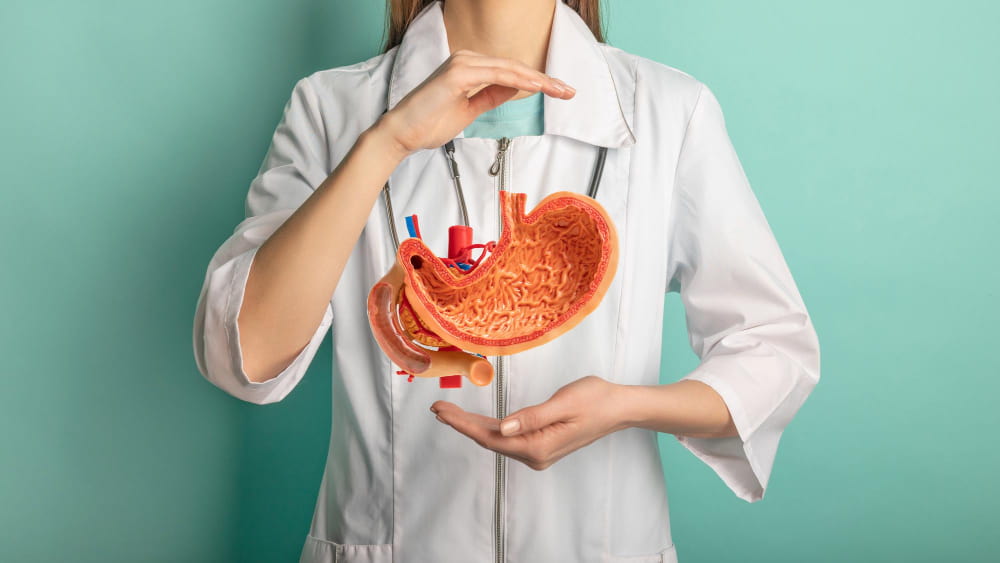

Every day, the stomach relies on coordinated muscular contractions to break down food and move it efficiently into the small intestine. When these contractions slow down or stop working altogether without any physical obstruction, the result is a condition known as gastroparesis.
Often referred to as stomach paralysis, gastroparesis disrupts the body's natural digestive rhythm. This delay can lead to persistent discomfort, post-meal nausea, and challenges in maintaining proper nutrition—or, for individuals living with diabetes, sudden fluctuations in blood sugar. Because gastroparesis is typically a long-term condition, effective care centers on comprehensive symptom management, tailored dietary adjustments, and addressing the root cause to restore quality of life.
This guide provides an overview of gastroparesis, covering its main causes, key symptoms, diagnostic methods, dietary changes, and current treatment options available to help manage the condition effectively.
What Is Gastroparesis (Stomach Paralysis)?
Normally, the muscles in the stomach wall contract in a coordinated way to mix food and gradually move it into the small intestine. This process depends on signals from the nerves that control the digestive tract, including the vagus nerve, as well as specialized cells in the stomach wall that help coordinate muscle activity.
With gastroparesis, these muscles or the nerves controlling them do not work properly, causing delayed gastric emptying. Food may remain in the stomach longer than expected even though there is no mechanical obstruction. This is why gastroparesis is sometimes described as stomach paralysis or gastric paralysis, although the stomach is not necessarily completely paralyzed.
Gastroparesis is considered a motility disorder because it affects the movement of food through the digestive system. The severity of symptoms can vary considerably, and symptoms do not always correspond closely to the degree of delayed gastric emptying measured during testing.
Symptoms of Gastroparesis
Gastroparesis symptoms often become more noticeable after eating because food remains in the stomach longer than usual. Some people have relatively mild symptoms, while others experience persistent nausea, vomiting, weight loss, or nutritional problems.
Common Symptoms
Common symptoms of gastroparesis include:
- Nausea: A persistent nausea feeling after eating is common and may become worse after larger meals.
- Vomiting: Some people vomit food several hours after eating, and the vomited food may appear relatively undigested.
- Early satiety: Also called early fullness, this means feeling full after eating only a small amount of food.
- Bloating: Food remaining in the stomach can contribute to bloating or a feeling of fullness after meals.
- Abdominal pain: Pain or discomfort, usually in the upper abdomen, can occur but does not necessarily indicate how delayed gastric emptying is.
- Reduced appetite: Ongoing nausea and discomfort may make eating less appealing.
- Unintentional weight loss: Significant symptoms can make it difficult to consume enough calories and nutrients.
Symptoms in Diabetic Gastroparesis
Diabetic gastroparesis occurs when diabetes contributes to damage affecting the nerves and other mechanisms involved in stomach movement. One important feature is the relationship between delayed gastric emptying and blood glucose control.
When food remains in the stomach for an unpredictable amount of time, glucose may enter the bloodstream later than expected. This can contribute to blood sugar swings, making diabetes management more difficult. High blood glucose levels can also further slow gastric emptying, creating an additional challenge for people with diabetic gastroparesis.
Mild vs. Severe Gastroparesis
Gastroparesis can range from mild symptoms that can be managed with dietary changes to severe disease associated with repeated vomiting, dehydration, malnutrition, or significant weight loss.
Importantly, the severity of symptoms does not always match the degree of delayed gastric emptying seen on testing. Some people with marked delays may have relatively limited symptoms, while others can experience substantial nausea or abdominal pain despite less pronounced delays. This is one reason doctors consider both test results and the person's symptoms and nutritional status when planning treatment.
What Causes Gastroparesis?
There is no single cause of gastroparesis. In many people, testing does not identify an underlying cause, while others develop it in association with diabetes, previous surgery, certain medical conditions, or medicines that affect gastric motility.
Idiopathic Gastroparesis
Idiopathic gastroparesis means that no clear underlying cause can be identified after appropriate evaluation. This is an important category because gastroparesis is not always caused by diabetes or another identifiable disease.
In some cases, a previous infection or an injury affecting the nerves or muscles of the stomach may be suspected even when a specific cause cannot be confirmed. When the cause remains unknown, treatment is directed primarily at controlling symptoms, supporting nutrition, and maintaining hydration.
Diabetic Gastroparesis
Diabetes is the most common known underlying cause of gastroparesis. Persistently elevated blood glucose levels can damage the nerves that control the stomach, including the vagus nerve. This type of nerve damage, known as diabetic neuropathy, can interfere with normal gastric motility and contribute to diabetic gastroparesis.
Good blood glucose management is therefore an important part of managing diabetic gastroparesis. Treatment needs to account for the fact that food absorption may be delayed or unpredictable, so diabetes management may need to be adjusted by the patient's healthcare team.
Post-Surgical and Other Causes
Gastroparesis can sometimes develop after surgery when the nerves or muscles involved in stomach emptying are affected. This is particularly relevant after procedures involving the stomach or upper digestive tract, including gastric bypass, sleeve gastrectomy, and some esophageal surgeries. Changes to the anatomy of the digestive tract can also affect gastric motility, while injury to the vagus nerve may interfere with the signals that coordinate stomach contractions.
- Post-surgical gastroparesis: Surgery involving the upper digestive tract can sometimes injure or alter the nerves responsible for stomach movement.
- Medications: Certain medicines can slow gastric emptying or worsen symptoms, including some opioid pain medicines and other drugs that affect gastrointestinal motility.
- Neurological conditions: Disorders such as Parkinson's disease and multiple sclerosis can affect the nerves involved in digestion.
- Endocrine and autoimmune conditions: Hypothyroidism and some autoimmune diseases, including scleroderma, can be associated with delayed gastric emptying.
- Infections: Some viral infections have been associated with gastroparesis.
- Other medical conditions: Previous radiation treatment and other conditions affecting the nerves or muscles of the digestive tract may also increase risk.
Gastroparesis vs. Functional Dyspepsia
Gastroparesis and functional dyspepsia can cause very similar symptoms, including nausea, bloating, early fullness, and discomfort after eating. The important distinction is that gastroparesis is defined by objectively confirmed delayed gastric emptying, whereas functional dyspepsia is diagnosed based primarily on its characteristic symptom pattern rather than proven delayed emptying.
Because symptoms alone cannot reliably distinguish the two conditions, testing may be necessary when gastroparesis is suspected. There is also substantial overlap between the conditions, and researchers continue to investigate how gastric motility, sensitivity, and other digestive mechanisms contribute to both disorders.
How Is Gastroparesis Diagnosed?
A gastroparesis diagnosis requires more than symptoms alone. Doctors first consider the person's medical history, medications, previous surgery, diabetes status, and other possible causes, while also looking for evidence of a physical blockage or another digestive disorder.
A gastric emptying study, particularly four-hour gastric emptying scintigraphy, is a key test for confirming delayed gastric emptying. During scintigraphy, the patient eats a standardized meal containing a small amount of a tracer that can be detected by a special camera. Images taken over time show how quickly the meal leaves the stomach. Current clinical guidance favors four-hour testing when gastroparesis is suspected.
Other tests may be used to rule out conditions that can produce similar symptoms or to identify complications:
- Upper gastrointestinal endoscopy: An endoscopy allows the doctor to examine the upper digestive tract and look for ulcers, inflammation, narrowing, retained food, or other abnormalities that could explain symptoms or indicate an obstruction.
- Imaging tests: Ultrasound, CT, or other imaging may be used when a structural problem needs to be excluded.
- Blood tests: Blood tests can help assess dehydration, nutritional problems, inflammation, infection, and blood glucose levels.
- Other gastric emptying tests: Depending on availability, other validated tests may be considered to assess how quickly the stomach empties.
Gastroparesis Diet
Diet is one of the most important parts of day-to-day gastroparesis management. The aim is not simply to eat less, but to choose foods and meal patterns that are easier for the stomach to handle while providing enough calories, protein, fluids, vitamins, and minerals. Dietary needs can change depending on symptom severity, so a dietitian may be helpful when symptoms are persistent or nutritional intake is becoming inadequate.
Foods to Favor
A typical gastroparesis diet plan emphasizes smaller portions, foods that are relatively easy to digest, and meals that do not place a heavy workload on the stomach.
- Small, frequent meals: Eating five or six smaller meals throughout the day may be easier to tolerate than two or three large meals.
- Lower-fat foods: High-fat meals can slow gastric emptying, so lower-fat options are often better tolerated.
- Lower-fiber foods: Large amounts of fiber can slow digestion and may be difficult to tolerate when gastric emptying is significantly delayed.
- Soft, well-cooked foods: Foods that are cooked until soft and thoroughly chewed are generally easier to process than tough or difficult-to-chew foods.
- Liquid or blended foods: During more severe symptoms, soups, liquid nutrition products, or foods blended into a smooth consistency may be easier to tolerate than solid meals.
- Adequate fluids: Maintaining fluid intake is important, particularly when nausea or vomiting increases the risk of dehydration.
The best foods to eat with gastroparesis can vary from person to person. A diet that works well during a period of stable symptoms may need to be modified during a gastroparesis flare up, especially if nausea, vomiting, or early fullness becomes more pronounced.
Foods to Limit or Avoid
Foods to avoid with gastroparesis generally include those that are difficult to digest or that can further slow gastric emptying.
- High-fat foods: Fried foods, fatty meats, rich sauces, and other high-fat meals may worsen fullness, nausea, and delayed emptying.
- High-fiber foods: Large portions of raw vegetables, certain fruits, legumes, whole grains, and other high-fiber foods may be difficult to tolerate.
- Tough or difficult-to-chew foods: Foods that remain coarse after chewing may be harder to digest when stomach emptying is delayed.
- Carbonated drinks: Fizzy beverages can increase bloating and discomfort.
- Alcohol: Alcohol may worsen gastrointestinal symptoms and is generally best avoided when managing gastroparesis.
A low-fiber diet does not mean that everyone with gastroparesis should permanently avoid all fruits, vegetables, or whole grains. The appropriate level of fiber depends on symptoms, nutritional needs, and how well individual foods are tolerated.
Practical Eating Strategies
Simple changes in how meals are eaten can also make a difference. Eating slowly, chewing food thoroughly, and avoiding very large meals can reduce the amount of food sitting in the stomach at one time.
Remaining upright after eating rather than lying down immediately may also help with post-meal discomfort. Gentle physical activity, such as a short walk after eating, may be recommended when appropriate. If solid foods become difficult to tolerate, temporarily using softer, blended, or liquid foods can help maintain calorie and fluid intake while symptoms are being addressed.
Gastroparesis Treatment
There is currently no treatment that reliably cures gastroparesis in every patient. Gastroparesis treatment instead focuses on controlling symptoms, maintaining adequate nutrition and hydration, improving gastric emptying when possible, and treating an underlying condition such as diabetes. In some cases, treating the underlying cause can improve or even resolve delayed gastric emptying, but this cannot be assumed for idiopathic disease.
Medications
Gastroparesis medication may be used to improve gastric motility or control specific symptoms. The choice depends on the cause, symptom pattern, other medical conditions, and potential side effects.
- Prokinetic medications: These medicines are intended to improve the movement of food through the stomach. Metoclopramide is one medication used for this purpose and can also help reduce nausea and vomiting.
- Anti-nausea medications: Antiemetic medicines can help control nausea and vomiting, although they do not necessarily improve gastric emptying.
- Other medications: Depending on the individual case, a gastroenterologist may consider other medicines for specific symptoms or underlying conditions.
Medication should be selected and monitored by a physician because some drugs have important side effects or may themselves affect gastric motility. Current guidelines support selective rather than indiscriminate use of medications, particularly when treatment needs to continue over time.
Managing Blood Sugar in Diabetic Gastroparesis
For people with diabetes, managing blood glucose is an essential part of treatment. Delayed and unpredictable gastric emptying can make the timing of insulin and food absorption more difficult, while high blood glucose levels can further slow gastric emptying.
An endocrinologist or diabetes care team may therefore need to adjust the timing or type of diabetes treatment, along with meal planning and glucose monitoring. The exact approach should be individualized rather than based on a standard insulin schedule.
Procedures for Severe Cases
When symptoms remain severe despite dietary and medical treatment, additional interventions may be considered in selected patients. These treatments are generally reserved for people with significant symptoms or nutritional complications rather than being first-line options.
- Gastric electrical stimulation: A small implanted device delivers electrical stimulation to the stomach and may help reduce nausea and vomiting in selected patients with difficult-to-control symptoms.
- Pylorus-directed procedures: Procedures that target the pylorus, the outlet between the stomach and small intestine, may be considered in carefully selected patients with objectively confirmed delayed gastric emptying when standard treatment has not provided adequate relief.
- Botulinum toxin injection: Although botox for gastroparesis has been studied as a way to relax the pylorus, randomized trials have not shown consistent benefit, so it is not considered a routine treatment.
- Feeding tubes: When adequate nutrition cannot be maintained by mouth, enteral feeding may be delivered directly into the small intestine through a feeding tube, bypassing the stomach.
- Intravenous nutrition: In severe cases where other forms of nutritional support are not sufficient, parenteral nutrition may be considered.
The choice of intervention depends on the severity of delayed gastric emptying, symptoms, nutritional status, previous treatments, and the findings of specialist evaluation.
Living with Gastroparesis
Gastroparesis can fluctuate over time, with periods when symptoms are easier to control and others when nausea, vomiting, early fullness, or abdominal pain become more difficult. Because there is no single treatment that works for everyone, long-term management often involves adjusting the diet, medications, diabetes management when relevant, and nutritional support according to how symptoms change.
The outlook, or gastroparesis prognosis, varies depending on the cause and severity of the condition. Gastroparesis does not have a single predictable effect on life expectancy, but severe or poorly controlled disease can lead to dehydration, malnutrition, significant weight loss, or problems with blood glucose that require medical attention. Persistent vomiting, inability to maintain adequate food or fluid intake, unexplained weight loss, or signs of dehydration should be assessed by a healthcare professional.
Why Choose Medical Park for the Evaluation and Treatment of Digestive Disorders?
Medical Park Hospitals in Turkey provide evaluation and treatment for digestive disorders through the Gastroenterology Department, where specialists assess symptoms, medical history, medications, and test results to determine the most appropriate diagnostic approach. Depending on the patient's needs, evaluation may include endoscopy, laboratory testing, imaging, or investigations of gastric emptying.
Gastroparesis may also require input from other specialties, particularly when diabetes, nutritional deficiencies, or significant weight loss are involved. Medical Park's Endocrinology Department can support diabetes and metabolic management, while the Nutrition and Dietetics Department provides individualized nutrition plans for gastrointestinal conditions and can help patients maintain adequate calories, fluids, and nutrients when eating becomes difficult.
For international patients, previous medical records, medication lists, and relevant test results can be reviewed alongside new evaluations when appropriate. This allows the medical team to consider the patient's symptoms, gastric emptying results, nutritional status, and underlying conditions together when planning ongoing gastroparesis management.


 Makaleye Dön
 E-Result
 WhatsApp