


 TR
 EN
 RU
 AR
 FR


Glaucoma is often referred to as the "silent thief of sight," and for good reason. It is a complex group of eye conditions that damage the optic nerve, the vital link between your eye and your brain. This damage is frequently tied to abnormally high pressure within the eye. Because the initial symptoms are often so subtle, many people don't realize they have the condition until significant vision loss has already occurred.
At Medical Park, we believe that education and early detection are the most powerful tools in preserving your vision. This guide provides a comprehensive look at glaucoma, from its underlying causes to the most advanced treatment options available today.
What is Glaucoma?
Glaucoma is an umbrella term for diseases that cause progressive damage to the optic nerve. The optic nerve is responsible for transmitting visual information from the retina to the brain, allowing us to see. When this nerve is compromised, the connection is severed, leading to permanent blind spots.
While glaucoma eye pressure (intraocular pressure or IOP) is a primary focus of diagnosis, it is important to understand that glaucoma is a disease of the nerve itself. While high pressure is a major risk factor, some individuals develop the condition with "normal" pressure levels, while others with high pressure may never experience nerve damage.
How Glaucoma Affects Vision
To understand how glaucoma affects vision, one must look at the "plumbing" of the eye. Your eye produces a fluid called aqueous humor. This fluid normally flows out of the eye through a mesh-like channel. If this channel becomes blocked or the eye produces too much fluid, the liquid builds up, increasing the pressure inside the eye.
This glaucoma optic nerve damage usually starts with the peripheral (side) vision. Because the brain is excellent at compensating for small gaps in sight, patients often don't notice the loss until the disease progresses to "tunnel vision." If left untreated, glaucoma eventually leads to total blindness.

Glaucoma Symptoms
One of the most challenging aspects of this condition is that glaucoma symptoms vary significantly depending on the type and stage of the disease.
Early Stage Glaucoma
In its most common form (open-angle), there are virtually no symptoms in the early stages. There is no pain, and the vision remains clear. Most patients only discover they have the condition during a routine glaucoma eye test.
Acute Angle-Closure Glaucoma
Unlike the common form, acute angle-closure glaucoma is a medical emergency. Symptoms appear suddenly and can include:
Severe eye pain and headache.
Nausea and vomiting.
Blurred vision.
Halos or "rainbows" around lights.
Eye redness.
Subtle Signs of Vision Changes
As the disease progresses, you might notice:
Difficulty adjusting to dark rooms.
Bumping into objects on your side.
A "shadow" or blurriness in your peripheral vision that doesn't go away with blinking.
Types of Glaucoma
Understanding the types of glaucoma is essential for determining the correct course of treatment.
Open-Angle Glaucoma: The Most Common Form
This accounts for the vast majority of cases. The drainage angle formed by the cornea and iris remains open, but the "drainage pipes" (trabecular meshwork) become partially clogged over time. This causes pressure to build up slowly.
Angle-Closure Glaucoma: Understanding the Blockage
Also called closed-angle glaucoma, this occurs when the iris bulges forward to narrow or block the drainage angle. It can happen gradually or suddenly (acute).
Normal-Tension Glaucoma: When Pressure Isn't the Culprit
In this type, the optic nerve is damaged even though the eye pressure is within the normal range. Doctors believe this may be due to a sensitive optic nerve or reduced blood supply to the nerve.
Glaucoma in Children (Congenital Glaucoma)
Glaucoma in children can be present at birth or develop in the first few years of life. Symptoms include enlarged eyes, cloudiness of the cornea, and excessive tearing.
Pigmentary Glaucoma: The Role of Pigment Granules
Pigmentary glaucoma occurs when pigment granules from the iris flake off into the eye's drainage fluid. These granules can clog the drainage system, leading to spikes in eye pressure, particularly during exercise.
What Causes Glaucoma?
The primary causes of glaucoma are related to the failure of the eye's drainage system. However, several glaucoma risk factors increase the likelihood of developing the condition:
Age: People over 60 are at higher risk.
Genetics: A family history of glaucoma significantly increases risk.
Medical Conditions: Diabetes, heart disease, and high blood pressure are linked to glaucoma.
Eye Injuries: Severe trauma can cause immediate or delayed glaucoma.
Steroid Use: Long-term use of corticosteroid eye drops or medications can increase intraocular pressure.
Diagnosing Glaucoma
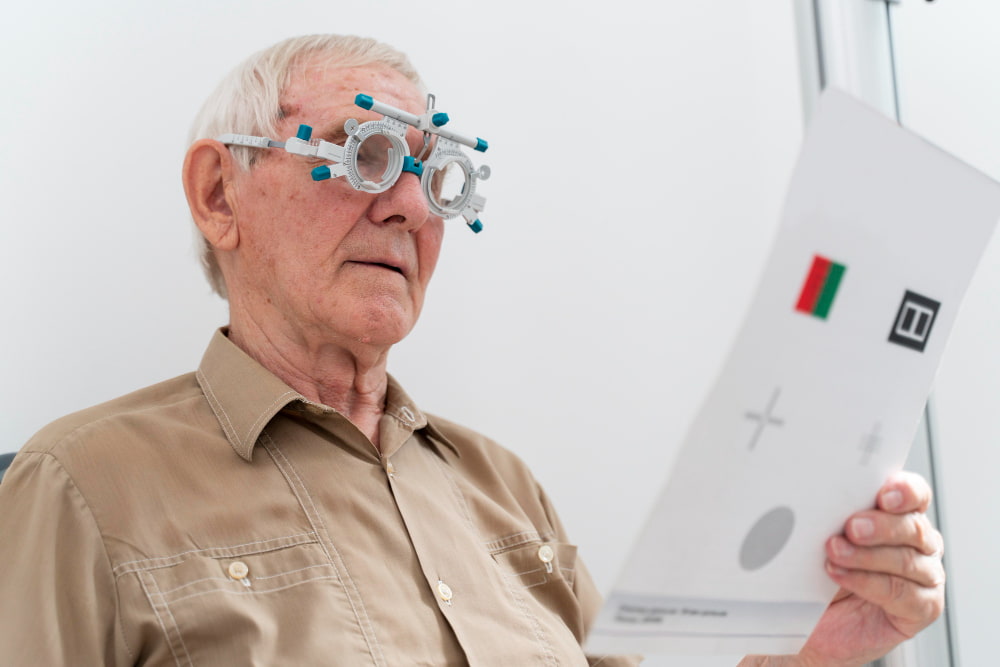
Because symptoms are often absent, a regular glaucoma eye test is the only way to catch the disease early. At Medical Park, glaucoma diagnosis involves more than just a simple "air puff" test. We use:
Tonometry: Measuring the internal eye pressure.
Ophthalmoscopy: Examining the shape and color of the optic nerve.
Perimetry: A visual field test to check for blind spots.
Gonioscopy: Inspecting the drainage angle of the eye.
Pachymetry: Measuring the thickness of the cornea.
Glaucoma Treatment Options
While vision lost to glaucoma cannot be restored, glaucoma treatment can effectively slow or stop further glaucoma vision loss.
Medicated Eye Drops: The most common first step. They either reduce the amount of fluid the eye makes or help it drain better.
Laser Therapy: Procedures like Selective Laser Trabeculoplasty (SLT) help improve fluid drainage.
Surgery: For advanced cases, microsurgery (trabeculectomy) or the implantation of drainage devices may be necessary. In some complex cases where multiple issues are present, a surgeon may discuss the timing of cataract surgery as it can sometimes help lower eye pressure.
Living with Glaucoma
Living with glaucoma requires a proactive approach. Adhering strictly to your medication schedule is vital. Glaucoma support groups and low-vision aids can also help patients maintain independence and quality of life. Regular exercise and a healthy diet may also support overall eye health, though they are not substitutes for medical treatment.
Glaucoma Prevention: What Can You Do?
While you cannot prevent glaucoma itself, you can prevent blindness through:
Regular Dilated Eye Exams: Every 1–2 years depending on your risk level.
Know Your Family History: Shared genetics play a huge role.
Wear Eye Protection: Preventing injury prevents trauma-induced glaucoma.
Medical Park's Approach to Glaucoma Care
At Medical Park, we combine clinical excellence with a patient-centered approach to treat this sight-threatening condition.
Advanced Diagnostic Technologies
We utilize the latest OCT (Optical Coherence Tomography) imaging to detect microscopic changes in the optic nerve before vision loss even begins.
Experienced Ophthalmologists
Our team consists of internationally recognized Ophthalmology specialists who focus exclusively on the management of complex glaucoma cases.
Personalized Treatment Plans
Every eye is unique. We tailor our treatment strategies to your specific lifestyle, type of glaucoma, and rate of disease progression, ensuring the best possible outcome for your long-term vision.






 Makaleye Dön
 E-Result
 WhatsApp