


 TR
 EN
 RU
 AR
 FR


Hair is deeply personal. It frames your face, shapes your appearance, and often reflects how you feel about yourself. So when it starts to fall out, whether slowly over years or suddenly in clumps, the experience can be distressing, confusing, and isolating. The good news is that hair loss, medically known as alopecia, is one of the most studied and treatable conditions in dermatology. Understanding the type, cause, and severity of your hair loss is the essential first step toward effective treatment.
This guide walks you through everything you need to know: what hair loss is, why it happens, how it is diagnosed, and what treatments are available, including the latest options at internationally accredited hospitals worldwide.
What Is Hair Loss?
Hair loss describes any condition in which hair falls out at a rate faster than it regrows, leading to visible shedding, patchy bald spots, a receding hairline, or in more advanced cases complete baldness. The average person naturally sheds between 50 and 100 hairs per day as part of a healthy growth cycle. Hair loss occurs when this balance breaks down — either because shedding accelerates, regrowth slows, or both happen simultaneously.
Hair loss can affect the scalp alone or the entire body, and it may be temporary or permanent depending on its underlying cause. It affects people of all ages and genders, though it is more prevalent in men. Anyone can lose hair on their head, but the experience and its emotional impact is just as significant for the millions of women who deal with it too.
Hair Thinning vs Hair Loss: What Is the Difference?
Hair thinning and hair loss are related but distinct. Thinning refers to a gradual reduction in hair density and shaft diameter: individual strands become finer, overall volume decreases, and the scalp may become more visible through the hair, without necessarily involving rapid or dramatic shedding. Hair loss, by contrast, involves a more pronounced and visible disruption to the growth cycle, often progressing to bald patches or significant recession.
In most cases, thinning is the earlier stage, a warning sign that follicles are under stress, while hair loss represents a more advanced breakdown of the same process. This is why early intervention matters: thinning hair that is left unaddressed can progress to more significant and harder-to-reverse hair loss over time. Both conditions share many of the same causes and respond to many of the same treatments.
Recognising the Signs and Symptoms
Hair loss does not always look the same, and its presentation varies considerably depending on the underlying cause. Recognising the specific pattern of your hair loss can provide important diagnostic clues before you even see a doctor.
How Hair Thinning and Hair Loss Present
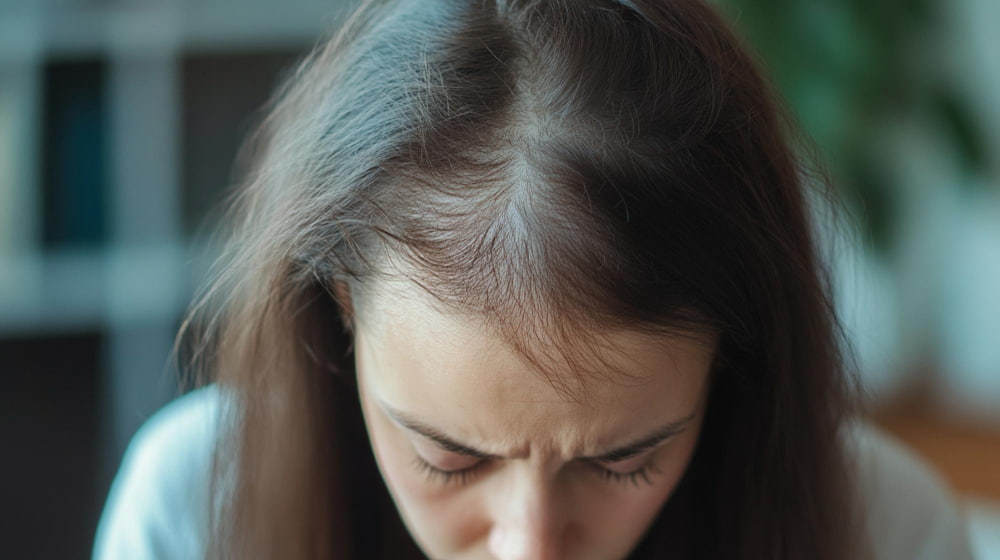
The most common manifestation is gradual thinning on the top of the head. In men, this typically begins with a receding hairline at the temples, progressively exposing more of the forehead and crown — a progression clinically mapped by the Norwood scale and commonly referred to as male pattern baldness. In women, thinning is usually more diffuse — showing as a widening part or reduced density across the crown, classified using the Ludwig scale and referred to as female pattern baldness — though an increasingly recognised condition called frontal fibrosing alopecia causes a distinct receding hairline in older women.
Beyond gradual thinning, hair loss can present in several other distinct ways:
- Circular or patchy bald spots on the scalp, beard, or eyebrows — sometimes preceded by itching or tenderness in the affected area
- Sudden, diffuse shedding where large amounts of hair come out during combing, washing, or gentle handling is usually a sign of telogen effluvium, a temporary condition where physical or emotional stress shocks hair follicles into a resting phase, leading to widespread thinning a few months later.
- Full-body hair loss as a side effect of chemotherapy or other systemic treatments — generally reversible once treatment ends
- Patches of scaling, redness, or swelling on the scalp with broken hair stubs visible — a common symptom of tinea capitis (ringworm of the scalp), particularly common in children
Transitioning from Cosmetic Concern to Medical Priority
While minor hair shedding is often a natural process, certain red flags indicate that the issue has moved beyond a simple aesthetic concern and requires a formal clinical diagnosis to rule out underlying health problems. You should treat a consultation as a medical necessity if:
Atypical Patterns: Hair loss is persistent, sudden, or visibly patchy, which can indicate an inflammatory or autoimmune response rather than standard thinning.
Escalated Shedding: You are shedding noticeably more hair than usual during washing or combing, suggesting a significant disruption in your biological growth cycle.
Pediatric Symptoms: A child is experiencing patchy hair loss or scalp scaling, which often points to infections or deficiencies requiring immediate care.
Frontal Recession: You are a woman noticing a receding frontal hairline; this is a clinical sign where early medical intervention is the only way to prevent permanent loss.
Systemic Warning Signs: Hair loss is accompanied by fatigue, weight changes, or skin problems, suggesting the hair is acting as a "bio-indicator" for an underlying medical condition.
Why Does Hair Loss Happen?
Hair loss is rarely a single-cause condition. In most cases, it results from the interaction of genetic, hormonal, nutritional, or environmental factors. Understanding which factor — or combination of factors — is driving your hair loss is critical for choosing the right treatment.
Genetic and Hormonal Causes
Hereditary pattern baldness, also known as androgenetic alopecia, is the most common cause of hair loss worldwide. It occurs through the interaction of genetic predisposition, male hormones (androgens), and age. In men, it produces the familiar receding hairline and crown balding. In women, it causes diffuse thinning across the top of the scalp. This type of hair loss is progressive but treatable, and the earlier it is addressed, the better the outcome.
Hormonal changes are a major additional trigger, especially in women:
- Pregnancy and childbirth cause dramatic oestrogen shifts that can lead to significant shedding in the months following delivery
- Menopause reduces oestrogen and progesterone levels, making follicles more vulnerable to androgenic effects
- Thyroid disorders — both hypothyroidism and hyperthyroidism— can disrupt the hair growth cycle
- Hormone imbalances, including those associated with polycystic ovary syndrome (PCOS), are a recognised but often overlooked cause in women
Medical Conditions and Medications
Several systemic conditions can manifest with hair loss as a primary or secondary symptom. These include alopecia areata (an autoimmune condition causing patchy hair loss), systemic lupus erythematosus, syphilis, and serious nutritional deficiencies — particularly of iron, zinc, biotin, and protein, most common in those following restrictive diets or women with heavy menstrual bleeding.
Medications are a frequently overlooked cause. Drugs used to treat the following conditions can trigger hair shedding as a side effect:
- Cancer (especially chemotherapy agents such as doxorubicin)
- High blood pressure (beta-blockers)
- Depression (lithium and certain antidepressants)
- Blood-clotting disorders (warfarin, heparin)
- Gout and arthritis
- Neurological conditions (levodopa)
Scalp Infections and Traumatic Causes
Tinea capitis, a fungal infection of the scalp, causes patchy hair loss by breaking hair at the scalp surface, leaving scaly or inflamed patches. It is particularly prevalent in children and requires antifungal treatment for a minimum of six to twelve weeks.
Traumatic alopecia results from hairstyling practices that chronically stress or damage the hair follicle — including tight braiding, cornrowing, frequent use of heat styling tools, bleaching, and chemical perming. Years of traction on follicles can cause irreversible scarring. Trichotillomania, a psychiatric condition involving compulsive hair-pulling, also causes patchy hair loss and requires a combined dermatological and psychological treatment approach.
Risk Factors for Hair Loss
While hair loss can affect anyone, certain factors increase your likelihood of experiencing it. Being aware of your personal risk profile can help you take early preventive or therapeutic action.
- A family history of baldness on either your mother's or father's side
- Advancing age
- Significant or rapid weight loss
- Chronic stress and anxiety
- Poorly managed medical conditions such as diabetes or lupus
- Poor nutrition or restrictive dieting
- Smoking — associated with increased rates of androgenetic alopecia in men
Can Hair Loss Be Prevented?
Genetically determined hair loss cannot be fully prevented, but its progression can often be slowed significantly with early medical intervention. Other forms of hair loss are more preventable through lifestyle and behavioural choices.
Practical Prevention Tips
- Be gentle with your hair — use a wide-tooth comb, avoid brushing hair aggressively, and limit heat styling tools
- Avoid hairstyles that place chronic tension on the roots, such as tight braids, ponytails, or cornrows
- Maintain a balanced diet rich in iron, zinc, protein, and B vitamins to support the hair growth cycle
- Protect your scalp from prolonged sun exposure and ultraviolet light
- Review your medications with your doctor — if a drug you take is known to cause hair loss, alternatives may be available
- Discuss scalp-cooling caps with your oncologist if you are about to undergo chemotherapy — these have been shown to reduce hair loss in some patients
- Prevent fungal infections by keeping hair clean and never sharing combs, brushes, or hats
How Is Hair Loss Diagnosed?
An accurate diagnosis is the foundation of effective treatment. At Medical Park, our dermatologists conduct a thorough evaluation before recommending any course of action.
Diagnostic Tests and Procedures
The diagnostic process typically begins with a detailed medical and family history, a review of diet and hair care habits, and a physical examination of the scalp and hair pattern. Depending on the suspected cause, the following tests may be recommended:
- Blood tests — to check for thyroid dysfunction, iron deficiency, sex-hormone imbalances, lupus, or syphilis
- Pull test — a gentle tug on a small group of hairs to assess how easily they detach and identify the shedding phase
- Scalp biopsy — a small tissue sample from the scalp to identify scarring alopecia, alopecia areata, or infections under microscopy
- Light microscopy — examination of hair shaft structure to detect disorders affecting the hair itself
- Fungal culture — taken when tinea capitis is suspected, particularly in children with patchy hair loss and scalp scaling
- Standardized classification scales — Doctors use the Norwood Scale for men to track the progression of male pattern baldness and the Ludwig Scale for women to categorize the severity of diffuse thinning across the crown.
Treatment Options for Hair Loss
The range of available treatments has expanded considerably in recent years, offering patients more options than ever before. The right approach depends on the type and cause of your hair loss, your overall health, and your personal goals.
Addressing the Root Cause First
Treating the underlying cause is always the first priority. Hair loss stemming from thyroid disease, nutritional deficiency, hormonal imbalance, or infection will often resolve once the primary condition is effectively managed. Stopping a causative medication — under medical supervision — typically allows hair to regrow within several months.
Medications for Hair Regrowth
For pattern hair loss, several well-established medications are available:
- Minoxidil (Rogaine) — the most widely used first-line treatment for both men and women. Available over the counter as a liquid, foam, or shampoo, and now also in an oral formulation. Applied to the scalp once or twice daily, it stimulates follicles and slows shedding. At least six months of consistent use is needed to assess results, and treatment must be continued to maintain benefits.
- Finasteride (Propecia) — an oral prescription medication for men that blocks DHT, the hormone responsible for follicular miniaturisation in pattern baldness. Most men experience slowed hair loss; many see measurable regrowth. Rare side effects include reduced libido.
- Dutasteride (Avodart) — an alternative oral option for men, working through a similar mechanism to finasteride.
- Spironolactone — sometimes prescribed to women with hormone-related hair loss.
- Corticosteroids — used in alopecia areata, either injected into the scalp or applied topically, to suppress the autoimmune response attacking hair follicles.
- JAK inhibitors — baricitinib (Olumiant) and ritlecitinib (Litfulo) — newer targeted therapies approved for moderate to severe alopecia areata.
- Antifungal agents — oral terbinafine, griseofulvin, or itraconazole for tinea capitis, often combined with medicated shampoos containing ketoconazole or selenium sulphide.
Advanced Procedures and Surgical Options
For patients seeking more intensive solutions, a range of procedural and surgical treatments are available:
- Platelet-rich plasma (PRP) therapy — the patient's own blood is drawn, processed to concentrate growth factors, and injected into the scalp to stimulate follicular activity. Increasingly used alongside topical treatments for androgenetic alopecia.
- Low-level laser therapy (LLLT) — a painless, non-invasive treatment using medical-grade light devices to stimulate follicles and improve scalp circulation. Can be used as a standalone or adjunct therapy.
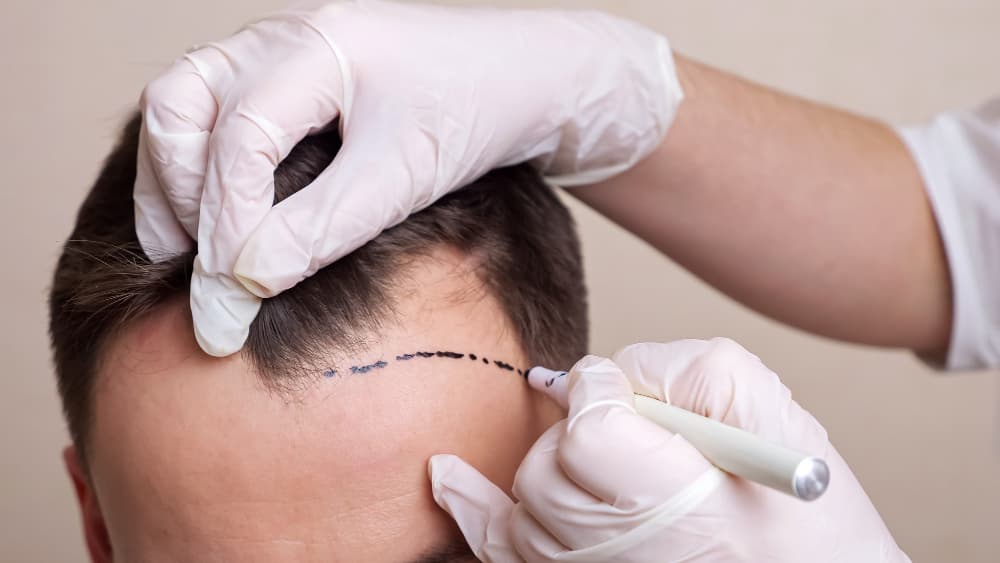
- Hair transplant surgery — follicles are harvested from the donor area at the back of the scalp and transplanted to bald or thinning areas. The two principal techniques are Follicular Unit Extraction (FUE) — the more commonly requested method, leaving no linear scar and allowing for faster recovery — and Follicular Unit Transplantation (FUT), in which a strip of scalp is removed and dissected into individual grafts. Both deliver permanent results for eligible patients with stable pattern baldness. Turkey has become one of the world's most sought-after destinations for hair transplantation, with Medical Park's internationally trained surgical teams delivering high-precision results at internationally competitive standards.
- Scalp reduction surgery — removes non-hair-bearing skin so that hair-bearing tissue can be stretched to cover bald areas, particularly effective at the crown.
- Scalp micropigmentation — a cosmetic tattooing technique that creates the visual impression of denser hair or a shaved head, offering a non-surgical coverage option.
Why International Patients Choose Turkey for Hair Loss Treatment
Turkey has established itself as one of the world's leading destinations for hair restoration, attracting tens of thousands of international patients each year. The combination of highly trained surgical teams, internationally accredited facilities, advanced techniques, and accessible pricing makes Turkey — and Istanbul in particular — a compelling choice for patients from Europe, the Middle East, and beyond. However, not all providers are equal. Patients choosing standalone clinics without multidisciplinary teams or intensive care infrastructure take on risks that simply do not exist at a fully accredited hospital.
Many JCI-accredited hospitals in Turkey, including Medical Park Hospitals at various locations in metropolitan districts offer the reassurance of comprehensive surgical support, on-site emergency care, and integrated specialist teams, a crucial distinction when undergoing any medical procedure abroad.
Starting Your Hair Loss Treatment at Medical Park
Within this landscape, Medical Park stands apart through the depth of clinical infrastructure it brings to hair restoration. Procedures are performed within a fully equipped hospital environment — with dermatological assessment, anaesthesiology support, surgical expertise, and post-operative care all integrated under one roof.
International patients have access to the full spectrum of evidence-based treatments from our Hair Transplantdepartments, ranging from personalised non-surgical options like PRP to FUE and FUT hair transplant surgery, all performed by experienced specialists. Each patient's journey begins with a thorough diagnostic workup to determine the precise cause of their hair loss before any treatment is recommended.
Our International Patient Services team provides end-to-end support including appointment coordination, medical translation, and assistance with travel and accommodation. To take the first step, contact Medical Park's International Patient Services team for a consultation. For a deeper look at surgical hair restoration options, read our comprehensive guide on Hair Transplant in Turkey



 Makaleye Dön
 E-Result
 WhatsApp