


 TR
 EN
 RU
 AR
 FR


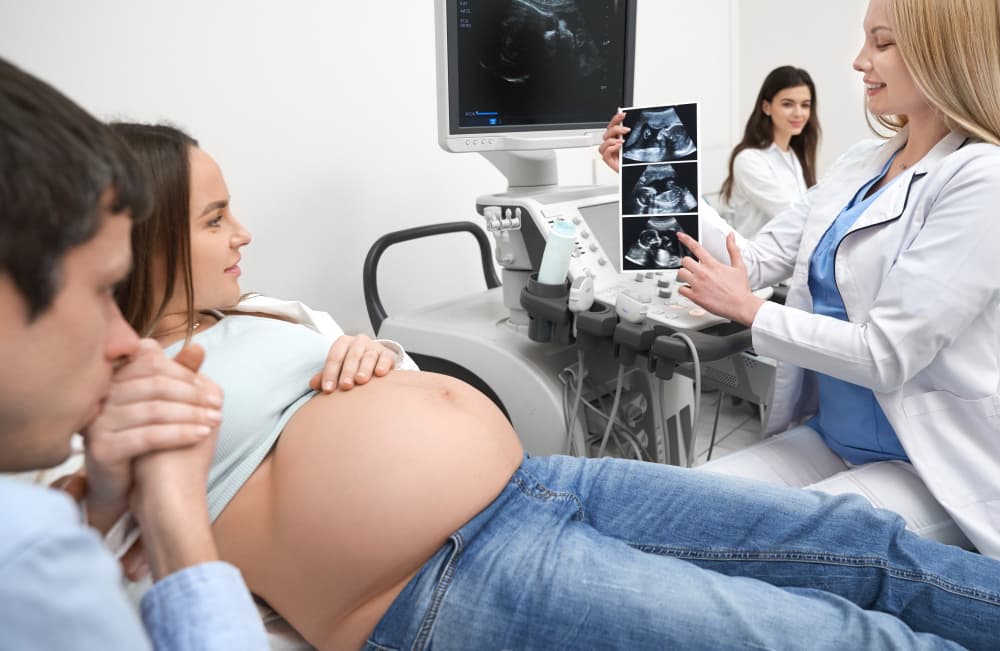

A high-risk pregnancy is one in which certain medical conditions, maternal factors, or pregnancy-related developments increase the likelihood of complications for the mother, the baby, or both. These risks may be present before conception, arise during pregnancy, or become apparent as the baby develops.
Factors such as preexisting health conditions, maternal age, multiple pregnancy, and problems affecting the placenta can influence how closely a pregnancy needs to be monitored. Perinatology, a subspecialty of obstetrics focused on high-risk pregnancies, plays an important role in assessing these risks and guiding specialized care when needed.
This guide explains what is considered a high-risk pregnancy, its causes and potential complications, and how prenatal care, pregnancy monitoring, and postnatal care help support maternal and infant health.
What Is Considered a High-Risk Pregnancy?
A high-risk pregnancy is one in which the pregnant woman, the developing baby, or both have a greater-than-usual risk of health problems before, during, or after birth. The risk may be present before conception, become apparent early in pregnancy, or develop as the pregnancy progresses.
It is important to note that there is no single condition or test that defines every case. Doctors assess a woman's medical and pregnancy history, current health, test results, and the baby's growth and development to determine the level of care required.
Some women enter pregnancy with a condition that requires careful management, while others develop pregnancy-related complications despite having no known risk factors. A pregnancy can also be reclassified as higher-risk if an ultrasound or another examination identifies a concern.
A high-risk classification does not necessarily mean that a complication is already present. It may simply indicate that closer observation is advisable to identify and manage potential problems early.
What Causes a High-Risk Pregnancy?
Several factors can increase the likelihood of pregnancy complications. Some are related to the mother's health or age, while others involve the pregnancy itself or the baby's development.
Preexisting Maternal Conditions
Depending on their severity and how well they are controlled, preexisting maternal conditions may affect pregnancy or require changes to treatment.
Examples include:
High blood pressure: Hypertension can increase the risk of preeclampsia, problems with placental function, and premature birth.
Diabetes: Diabetes that exists before pregnancy may increase the risk of certain birth defects, excessive fetal growth, and other complications, particularly when blood glucose levels are not well controlled.
Cardiovascular and kidney disease: These conditions may make the physical demands of pregnancy more difficult to manage and can require specialist supervision.
Thyroid disorders: Both underactive and overactive thyroid function can affect pregnancy if not appropriately treated.
Autoimmune conditions: Disorders such as lupus may affect the mother, the placenta, or the developing baby, depending on the disease and its activity.
Blood-clotting disorders: Certain conditions can increase the risk of blood clots or pregnancy complications and may require preventive treatment.
Other relevant factors include obesity, some neurological conditions, and infections that can affect pregnancy. Women taking regular medication should review it with their doctor before conception or as soon as pregnancy is confirmed. Some medicines need to be adjusted, but prescribed treatment should not be stopped without medical advice.
High-Risk Pregnancy and Maternal Age
Maternal age is one factor doctors consider when assessing pregnancy risks. Pregnancy can be healthy at a wide range of ages, but certain complications become more likely at particular stages of reproductive life.
A high-risk pregnancy due to age is not determined by age alone. Overall health, previous pregnancies, fertility treatment, and other medical factors also influence the assessment.
Teenage pregnancy: Younger pregnant women may have an increased risk of certain complications, including preterm birth and low birth weight. Nutritional needs, access to prenatal care, and social circumstances can also affect outcomes.
Pregnancy at age 35 and older: Some risks, including gestational diabetes, high blood pressure, chromosomal conditions, and pregnancy loss, become more common with increasing age.
Pregnancy at age 40 and older: The likelihood of certain complications may rise further, although many women in this age group have healthy pregnancies and babies.
Age should be considered alongside medical history and pregnancy findings. For women planning pregnancy at an older age, a preconception consultation can help identify conditions that need attention, review medications, and discuss appropriate screening options.
Pregnancy-Related Factors
A pregnancy may become high-risk even when the mother is healthy and has no relevant medical history. Factors that may increase risk include:
Multiple pregnancy: Carrying twins or higher-order multiples increases the likelihood of preterm birth and other complications.
Placental problems: Conditions such as placenta previa, in which the placenta covers the cervix, can increase the risk of bleeding and affect delivery planning.
Problems with fetal growth: A baby who is growing more slowly than expected may need additional ultrasound examinations and monitoring.
Amniotic fluid abnormalities: Too much or too little fluid surrounding the baby can sometimes indicate an underlying problem.
Previous pregnancy complications: A history of preeclampsia, preterm birth, stillbirth, or recurrent miscarriage may affect the care recommended in a subsequent pregnancy.
Fetal abnormalities: Certain structural or genetic conditions identified during screening or diagnostic testing may require specialist assessment and planning for birth.
These factors do not all carry the same level of risk. The appropriate care depends on the specific finding, its severity, and how the pregnancy progresses.
What Are the Possible Complications of a High-Risk Pregnancy?
The possible complications vary according to the underlying risk factors. Some affect the mother's health, others affect the baby's development, and some can affect both. Identifying these problems early can help doctors determine whether treatment, closer observation, or a change in the birth plan is needed.
Complications Affecting the Mother
Pregnancy places additional demands on the cardiovascular system, kidneys, metabolism, and other organs. Certain conditions may develop or worsen during this time.
Preeclampsia: This pregnancy-related condition involves high blood pressure and signs that organs may be affected. It can develop after 20 weeks of pregnancy and may threaten the health of both mother and baby if severe.
Gestational diabetes: This is diabetes first diagnosed during pregnancy. It requires blood glucose monitoring and, when needed, dietary changes or medication.
Severe bleeding: Bleeding during pregnancy can have several causes, including placental problems, and should be assessed promptly.
Blood clots: Pregnancy increases the tendency for blood to clot. Some women have additional risk factors that make prevention and monitoring especially important.
Worsening of existing illness: Heart disease, kidney disease, diabetes, and other chronic conditions may require more frequent review or changes in treatment.
Some pregnancy problems cause few symptoms at first, which is one reason regular prenatal care is important even when a woman feels well.
Complications Affecting the Baby
Pregnancy complications can also affect fetal growth, development, and the timing of birth.
Miscarriage: This is the loss of a pregnancy before the point at which it can survive outside the uterus. Many early miscarriages occur because of chromosomal abnormalities and are not caused by anything the pregnant woman did.
Stillbirth: This refers to the loss of a baby later in pregnancy, with the exact gestational definition varying by country. Several medical and placental conditions can increase the risk.
Premature birth: A baby born before 37 completed weeks of pregnancy is considered preterm. Premature babies may need specialized care because some organs, particularly the lungs and brain, may not be fully developed.
Fetal growth restriction: The baby does not grow as expected, sometimes because the placenta is not supplying enough oxygen and nutrients.
Low birth weight: Babies may weigh less than expected at birth because they were born early, experienced restricted growth, or both.
A high-risk classification does not mean that these outcomes will occur. The purpose of monitoring is to identify concerns and manage them as effectively as possible.
Childbirth Complications
Some risks become particularly relevant during labor and delivery. Depending on the mother's health and the baby's condition, complications may include severe bleeding after birth, high blood pressure-related emergencies, fetal distress, or difficulties associated with premature delivery.
A high-risk pregnancy does not automatically require a cesarean birth. Some women can deliver vaginally, while others may benefit from a planned cesarean or induction of labor. The decision depends on the medical circumstances, the baby's position and condition, the stage of pregnancy, and the safest approach for mother and baby.
High-Risk Pregnancy Prenatal Care and Monitoring
High-risk pregnancy prenatal care is tailored to the conditions and concerns identified during the medical assessment. It may involve more frequent appointments, additional tests, or collaboration between an obstetrician and other specialists.
The goal of pregnancy monitoring is to follow the mother's health and the baby's development, recognize changes that need attention, and decide whether treatment or delivery planning should be adjusted.
Medical History and Regular Checkups
The first step is usually a detailed review of the woman's medical history, previous pregnancies, medications, and family history where relevant. Doctors may check blood pressure, weight, blood glucose, urine findings, and other measurements according to the patient's needs.
Women with existing conditions may need coordinated care with specialists such as cardiologists, endocrinologists, or kidney specialists. Medication and treatment plans may be reviewed throughout pregnancy as the mother's needs change.
Ultrasound and Fetal Monitoring
Ultrasound examinations can assess fetal growth, anatomy, the placenta, and amniotic fluid. Additional scans may be recommended when there is concern about growth, placental function, or multiple pregnancy.
Some women may also need tests that monitor the baby's heart rate and response to movement. One example is a nonstress test, which records the fetal heart rate to help assess well-being. Other tests may be used when indicated by the clinical situation.
Not every woman needs every test. The timing and frequency of monitoring depend on the specific risk factors, the stage of pregnancy, and previous results.
Screening and Diagnostic Tests
Routine prenatal screening helps identify certain conditions that may affect the mother or baby. Depending on the pregnancy, tests may include blood tests, screening for gestational diabetes, genetic screening, and examinations for infections.
Screening estimates the likelihood of a condition; it does not always establish a diagnosis. When a result suggests an increased risk, the doctor may discuss additional testing or referral to a specialist.
Birth Planning
As the due date approaches, the care team considers whether the pregnancy can continue safely or whether delivery should occur earlier. The plan may account for the mother's health, the baby's growth, placental function, and the availability of specialized newborn care if needed.
Some high-risk pregnancies require delivery at a hospital equipped to provide advanced maternal care and neonatal intensive care. Planning ahead helps the team prepare for potential complications while allowing the mother to understand the reasons for any recommended intervention.
How Can You Reduce the Risk of Pregnancy Complications?
Not every pregnancy complication can be prevented. However, appropriate care before conception and throughout pregnancy can help manage known risks and improve the chances of identifying problems early.
Arrange an appointment as soon as pregnancy is confirmed, or earlier if you are planning a pregnancy and have a medical condition.
Work with your doctor to control existing conditions such as diabetes, high blood pressure, and thyroid disorders before and during pregnancy.
Ask a healthcare professional which products are appropriate during pregnancy. Do not stop prescribed medication without guidance.
Attend appointments and complete tests at the times recommended for your circumstances.
A balanced diet, appropriate physical activity, and recommended prenatal supplements can support maternal health. Specific recommendations may differ for women with certain medical conditions.
Avoid smoking, alcohol, and non-prescribed drugs, which can harm fetal development and increase the risk of complications.
Heavy vaginal bleeding, severe or persistent abdominal pain, difficulty breathing, chest pain, severe headache, visual changes, or reduced fetal movement later in pregnancy require prompt medical assessment. Seek emergency care for severe symptoms.
Doctors may recommend additional precautions depending on the individual pregnancy. Bed rest or major activity restrictions are not appropriate for every high-risk pregnancy and should only be followed when specifically advised for a clinical reason.
Postnatal Care After a High-Risk Pregnancy
Care does not end when the baby is born. Postnatal care is important because some pregnancy-related conditions can persist or first become apparent after delivery. Women who experienced high blood pressure, gestational diabetes, significant bleeding, or other complications may need additional checks and a clear follow-up plan.
The care team may monitor blood pressure, blood glucose, recovery from delivery, medication needs, and signs of complications. Women who had gestational diabetes may need follow-up testing because their future risk of developing type 2 diabetes is higher. Those with pregnancy-related hypertension may also require continued blood pressure monitoring after birth.
Newborn care depends on the baby's gestational age, birth weight, and medical condition. Premature babies or babies who need additional support may require specialized neonatal care.
Before discharge, parents should understand when follow-up appointments are needed and which symptoms require urgent medical attention. Postnatal care also provides an opportunity to discuss recovery, emotional well-being, feeding, and planning for future pregnancies.
Perinatology and High-Risk Pregnancy Care at Medical Park in Turkey
Perinatology is a subspecialty of obstetrics focused on pregnancies that require specialized monitoring and management because of maternal health conditions, fetal concerns, or an increased risk of complications. At Medical Park Hospitals in Turkey, our Perinatology and Gynecology and Obstetrics specialists can help assess these risks, monitor maternal and fetal health, and plan appropriate care throughout pregnancy and around delivery.
Depending on each patient's needs, this may include detailed ultrasound examinations, follow-up of fetal growth, assessment of pregnancy-related complications, and coordination with other medical specialists. For international patients living in Turkey or traveling from abroad, access to high-risk pregnancy care involves both clinical planning and practical coordination.
Medical Park's International Patient Services Center can assist with appointment coordination and provide information about arrangements for receiving care. Patients are encouraged to share previous pregnancy records, relevant medical reports, ultrasound findings, and current medications before their appointments, particularly when continuing care that began in another country.
The care plan may also include delivery planning and postnatal follow-up, depending on the mother's condition and the baby's needs. Whether you live in Turkey or are considering traveling to Turkey for specialized maternity care, a consultation can help clarify the recommended monitoring, available treatment options, and arrangements needed for your individual pregnancy.
For more information about preparing for delivery, maternity care options, and the childbirth process for international patients, explore our comprehensive guide to childbirth in Turkey.






 Makaleye Dön
 E-Result
 WhatsApp