


 TR
 EN
 RU
 AR
 FR


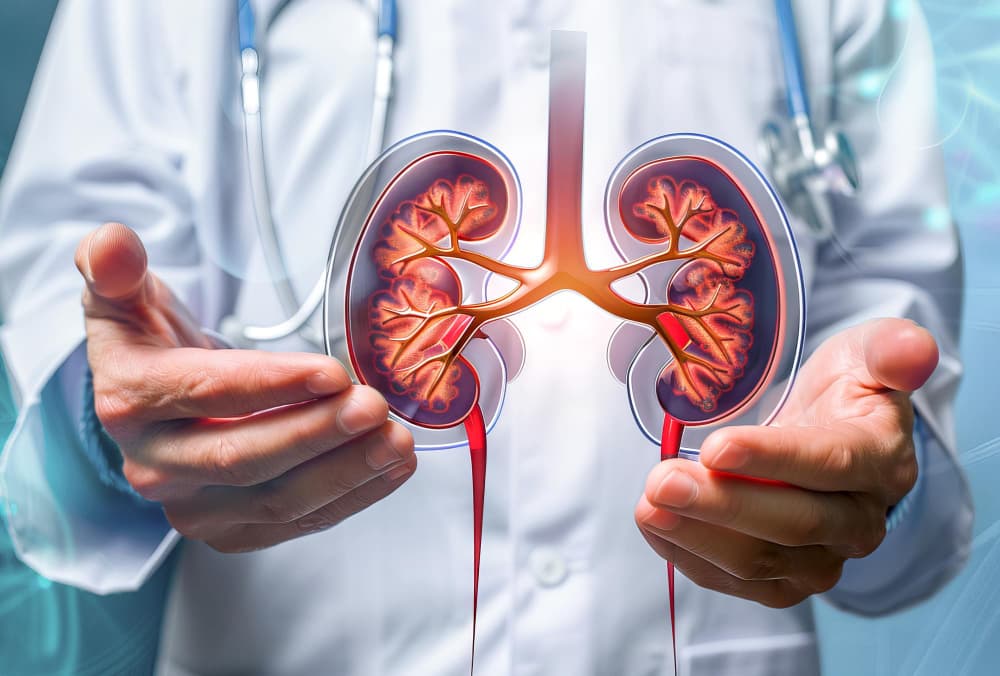


Kidney failure is a serious condition that occurs when the kidneys lose their ability to effectively filter waste products, excess fluid, and toxins from the blood. Healthy kidneys play a vital role in maintaining the body's balance of water, electrolytes, minerals, and blood pressure. When kidney function declines, harmful substances can build up in the body, leading to potentially life-threatening complications if left untreated.
Kidney failure may develop suddenly over hours or days, known as acute kidney injury (AKI), or gradually over months or years as chronic kidney disease (CKD) progresses. While early stages often cause few or no symptoms, advanced disease can significantly affect overall health and quality of life. Understanding the kidney failure symptoms, recognizing the causes of kidney failure, and seeking timely medical care are essential for protecting kidney function and preventing long-term complications.
What is Kidney Failure?
Kidney failure, also called renal failure, occurs when one or both kidneys can no longer perform their normal functions adequately. These functions include filtering waste products from the bloodstream, regulating fluid balance, maintaining healthy electrolyte levels, producing hormones that help control blood pressure and red blood cell production, and supporting bone health.
Doctors generally classify kidney failure into two main categories:
- Acute kidney injury (AKI): A sudden decline in kidney function that develops within hours or days. AKI is often reversible when the underlying cause is identified and treated promptly.
- Chronic kidney disease (CKD): A gradual loss of kidney function that develops over many years. Progressive kidney damage may eventually lead to end-stage kidney disease, also known as stage 5 chronic kidney disease, where the kidneys can no longer support the body's needs without dialysis or a kidney transplant.
Chronic kidney disease is divided into five kidney failure stages based on the estimated glomerular filtration rate (eGFR), a measure of how well the kidneys filter blood. Earlier stages may have minimal symptoms, while advanced stages require close monitoring and specialized treatment.
Recognizing Kidney Failure Symptoms
Many people with declining kidney function experience few symptoms during the early stages. As kidney function worsens, symptoms gradually become more noticeable.
Early Stage Symptoms
Early symptoms of kidney failure may be mild and easily overlooked.
Common kidney issues symptoms include:
- Fatigue or decreased energy
- Difficulty concentrating
- Mild swelling in the ankles or feet
- Frequent urination, particularly at night
- Changes in urine appearance or volume
- Dry or itchy skin
- High blood pressure that is difficult to control
- Loss of appetite
Because these symptoms may be caused by many different conditions, routine health screenings and kidney function tests are important for people at increased risk.
Advanced Stage Symptoms
As kidney function declines further, kidney damage symptoms become more severe.
Advanced kidney failure symptoms may include:
- Persistent nausea or vomiting
- Severe fatigue
- Significant swelling of the legs, feet, hands, or face
- Shortness of breath caused by fluid accumulation
- Muscle cramps
- Persistent itching
- Difficulty sleeping
- Metallic taste in the mouth
- Unintentional weight loss
- Reduced urine output
- Confusion or difficulty thinking clearly
People with low kidney function may also develop anemia, bone disorders, and electrolyte imbalances that affect the heart and muscles.
When to Seek Medical Advice
Medical evaluation is recommended if symptoms persist or kidney disease risk factors are present.
Seek prompt medical attention if you experience:
- Swelling that worsens rapidly
- Blood in the urine
- Severe back or flank pain
- Sudden decrease in urine production
- Persistent nausea and vomiting
- Chest pain
- Difficulty breathing
- Confusion or loss of consciousness
These symptoms may indicate severe kidney injury or another medical emergency requiring immediate treatment.
Identifying the Causes of Kidney Failure
The causes of kidney failure vary depending on whether the condition develops suddenly or progresses gradually.
Acute kidney injury often results from:
- Severe dehydration
- Major infections
- Significant blood loss
- Certain medications that affect kidney function
- Urinary tract obstruction
- Reduced blood flow to the kidneys after surgery or severe illness
Chronic kidney disease develops when ongoing damage gradually reduces kidney function.
Common Underlying Conditions
Several chronic medical conditions are responsible for most cases of kidney failure.
These include:
- Diabetes mellitus
- High blood pressure
- Glomerulonephritis
- Polycystic kidney disease
- Chronic urinary tract obstruction
- Recurrent kidney infections
- Autoimmune diseases such as lupus
- Congenital kidney abnormalities
Diabetes and hypertension together account for the majority of chronic kidney disease cases worldwide.
Risk Factors for Kidney Failure
Several factors increase the likelihood of developing kidney disease.
Important risk factors include:
- Older age
- Family history of kidney disease
- Diabetes
- High blood pressure
- Obesity
- Smoking
- Cardiovascular disease
- High cholesterol
- Long-term use of certain pain medications
- Recurrent kidney stones
- Chronic inflammatory disorders
People with multiple risk factors benefit from regular kidney function testing as part of routine preventive healthcare.
Diagnosing Kidney Failure
Early diagnosis plays an important role in slowing disease progression and preventing complications.
Doctors diagnose kidney failure using a combination of medical history, physical examination, laboratory testing, and imaging studies.
Common diagnostic tests include:
- Blood tests measuring creatinine and blood urea nitrogen (BUN)
- Estimated glomerular filtration rate (eGFR)
- Urinalysis
- Urine albumin testing
- Electrolyte measurements
- Kidney ultrasound
- CT or MRI scans when indicated
- Kidney biopsy in selected cases
Because kidney disease often develops silently, regular kidney function assessment is recommended for individuals with diabetes, hypertension, cardiovascular disease, or a family history of kidney disease.
Kidney Failure Complications
Without treatment, kidney failure can affect nearly every organ system.
Possible kidney failure complications include:
- Fluid overload
- High blood pressure
- Heart disease
- Heart failure
- Stroke
- Anemia
- Bone disease
- Electrolyte abnormalities
- Hyperkalemia (high potassium)
- Malnutrition
- Weakened immune function
- Nerve damage
- Metabolic acidosis
- Infertility
- Depression and anxiety
Advanced kidney failure may eventually require dialysis or a kidney transplant to sustain life.
Treatment Options for Kidney Failure
The most appropriate treatment for kidney failure depends on its cause, severity, and whether kidney damage is reversible.
Treating Acute Kidney Injury
Treatment focuses on correcting the underlying cause while supporting kidney function.
This may include:
- Intravenous fluids
- Treating infections
- Adjusting medications
- Correcting electrolyte imbalances
- Relieving urinary obstruction
- Temporary dialysis when necessary
Many patients recover kidney function after successful treatment.
Managing Chronic Kidney Disease
Although chronic kidney damage usually cannot be reversed, treatment can slow progression and reduce complications.
Management often includes:
- Strict blood pressure control
- Blood sugar management
- Cholesterol control
- Healthy weight management
- Smoking cessation
- Dietary modifications
- Regular monitoring of kidney function
Dialysis
When kidney function becomes severely impaired, dialysis removes waste products and excess fluid from the blood.
The two main forms include:
- Hemodialysis, which filters blood using a dialysis machine several times each week.
- Peritoneal dialysis, which uses the lining of the abdomen as a natural filter and can often be performed at home.
Dialysis helps replace many kidney functions but does not cure kidney disease.
Kidney Transplant
A kidney transplant is often considered the most effective long-term treatment for suitable patients with end-stage kidney disease.
During transplantation, a healthy donor kidney is surgically placed into the recipient's body. Successful transplantation can significantly improve quality of life and eliminate the need for dialysis in many patients.
Not everyone is eligible for transplantation, and patients undergo comprehensive medical evaluation before being placed on a transplant waiting list. To learn more about kidney transplantation and the local regulatory aspects of the procedure in Turkey, check our dedicated page on kidney transplantation in Turkey.
Medications for Kidney Failure
Although there is no single medication that cures kidney failure, several kidney failure medications can help manage symptoms, treat underlying conditions, and slow disease progression. Treatment plans vary depending on the stage of kidney disease, associated health conditions, and individual patient needs.
Common medications include:
Blood pressure medications, such as ACE inhibitors or ARBs, to help protect kidney function and reduce protein loss in the urine
Diabetes medications to maintain healthy blood glucose levels in people with diabetic kidney disease
Diuretics to help remove excess fluid and reduce swelling
Phosphate binders to control phosphorus levels and protect bone health
Vitamin D supplements to support calcium balance and reduce the risk of bone disease
Erythropoiesis-stimulating agents (ESAs) to treat anemia caused by reduced production of erythropoietin
Iron supplements when iron deficiency contributes to anemia
Potassium-lowering medications for patients with dangerously high potassium levels
Patients should never start or stop medications without consulting their healthcare provider. Many commonly used pain relievers, including nonsteroidal anti-inflammatory drugs (NSAIDs), can further reduce kidney function and should only be taken under medical supervision.
Nutrition and Diet for Kidney Failure
Proper kidney failure nutrition is an essential part of managing chronic kidney disease. A well-planned diet can reduce the workload on the kidneys, help control symptoms, and decrease the risk of complications.
Nutritional recommendations vary depending on kidney function, blood test results, and whether a person receives dialysis.
General dietary recommendations may include:
Limiting sodium intake to help control blood pressure and reduce fluid retention
Eating moderate amounts of high-quality protein based on medical advice
Managing potassium intake if blood potassium levels are elevated
Reducing phosphorus-rich foods when phosphorus levels become too high
Drinking appropriate amounts of fluid based on kidney function and medical recommendations
Choosing fresh fruits and vegetables suitable for individual dietary restrictions
Limiting processed and packaged foods that contain excessive sodium and phosphorus additives
People receiving dialysis often have different nutritional needs than those with earlier stages of chronic kidney disease. A registered dietitian specializing in kidney disease can help develop an individualized meal plan that supports overall health while meeting nutritional requirements.
Exercise and Physical Activity for Kidney Failure Patients
Regular physical activity offers many benefits for people living with kidney disease. Appropriate kidney failure exercise can improve cardiovascular health, increase energy levels, maintain muscle strength, and support emotional well-being.
Many patients can safely participate in low- to moderate-intensity activities, including:
Walking
Cycling
Swimming
Gentle strength training
Stretching exercises
Yoga or tai chi
Exercise programs should be tailored to each person's overall health, kidney function, and treatment plan. Patients receiving dialysis may also benefit from supervised exercise before, during, or after dialysis sessions, depending on their medical condition.
Individuals experiencing severe fatigue, dizziness, chest pain, or shortness of breath during exercise should stop immediately and seek medical advice.
Living with Kidney Failure
Living with kidney failure requires ongoing medical care and lifestyle adjustments, but many people continue to work, travel, and enjoy meaningful daily activities with appropriate treatment and support.
Successful long-term management often involves:
Attending regular nephrology appointments
Taking medications exactly as prescribed
Following individualized dietary recommendations
Remaining physically active when possible
Monitoring blood pressure at home
Controlling blood sugar in people with diabetes
Avoiding smoking and limiting alcohol consumption
Staying up to date with recommended vaccinations
Reporting new symptoms promptly
Living with chronic kidney disease can also affect emotional health. Anxiety, depression, and stress are common, particularly among patients receiving dialysis or waiting for transplantation. Psychological support, counseling, patient education, and support groups can help individuals and families adapt to life with kidney disease.
Many patients also find encouragement through kidney failure stories shared by others who have successfully managed dialysis, transplantation, or long-term chronic kidney disease. Educational organizations and patient advocacy groups provide valuable kidney failure resources that offer practical guidance, emotional support, and up-to-date information about treatment options.
Prevention Strategies for Kidney Disease
Although not all kidney disease can be prevented, many cases can be delayed or avoided by addressing modifiable risk factors early.
Helpful prevention strategies include:
Keep blood pressure within a healthy range.
Manage diabetes carefully and monitor blood glucose regularly.
Maintain a healthy body weight.
Exercise regularly.
Eat a balanced diet rich in fruits, vegetables, whole grains, and healthy fats.
Limit salt and highly processed foods.
Drink adequate amounts of water unless otherwise advised by a healthcare professional.
Avoid smoking and excessive alcohol consumption.
Use medications responsibly and avoid unnecessary use of NSAID pain relievers.
Treat urinary tract infections promptly.
Attend routine health check-ups, especially if you have diabetes, hypertension, or a family history of kidney disease.
Regular preventive health assessments can help identify chronic conditions that increase the risk of kidney disease before significant kidney damage occurs. Individuals with diabetes, high blood pressure, cardiovascular disease, or a family history of kidney problems may also benefit from periodic kidney function testing as part of comprehensive preventive care.
Kidney Failure Care at Medical Park
Medical Park Hospitals in Turkey provide comprehensive care for patients with acute and chronic kidney disease through experienced multidisciplinary healthcare teams of nephrologists, urologists, and organ transplantation specialists. Using advanced laboratory testing and imaging technologies, specialists evaluate kidney function, determine the underlying cause of renal failure, and develop personalized treatment plans tailored to each patient's needs.
Treatment options include medical management for chronic kidney disease, dialysis services, and evaluation for kidney transplant when appropriate. Patients also receive individualized nutritional counseling, medication management, and long-term follow-up designed to slow disease progression, reduce complications, and improve quality of life. By combining early diagnosis, evidence-based treatment, and ongoing patient support, Medical Park helps individuals with kidney failure achieve the best possible health outcomes while maintaining their independence and overall well-being.








 Makaleye Dön
 E-Result
 WhatsApp