


 TR
 EN
 RU
 AR
 FR


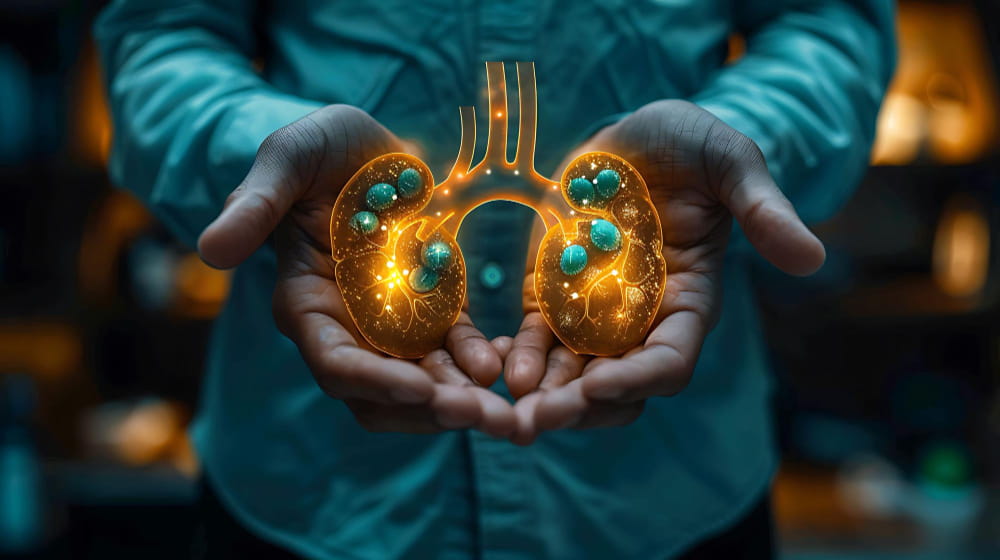

Kidney stones are a common urinary tract condition that affect millions of people worldwide. They develop when minerals and salts in the urine crystallize and gradually form hard deposits inside the kidneys. While some stones are small enough to pass unnoticed, others can cause severe pain, urinary symptoms, infection, or blockage within the urinary tract.
For many people, the first sign of a kidney stone is a sudden episode of intense pain, often prompting questions about how the stone formed and whether treatment will be necessary. The good news is that modern diagnostic tools and treatment options make it possible to manage kidney stones effectively, often with minimally invasive techniques. Early recognition and appropriate care can help prevent complications and reduce the risk of recurrence.
To better understand kidney stone disease and the available treatment options, it is helpful to start with the basics: what kidney stones are, how they form, and why they can cause such significant symptoms. This guide covers the causes, types, symptoms, prevention strategies, and treatment approaches for kidney stones, including situations in which surgical intervention may be required.
What Is a Kidney Stone (Nephrolithiasis)?
A kidney stone, medically known as nephrolithiasis, is a hard, crystalline mass that forms inside the kidney when minerals and salts in the urine become too concentrated and bind together. So what is a kidney stone, and what are kidney stones made of at a chemical level? They begin as microscopic crystals that gradually accumulate layer by layer, much like a pearl forms around a grain of sand, until they become large enough to cause a blockage or intense pain as they move through the urinary tract.
Kidney stones can affect one or both kidneys, and a renal stone can range enormously in size, from a tiny grain that passes unnoticed to a mass several centimeters wide that requires surgical removal. It's worth distinguishing kidney stones from bladder stones, which form directly in the bladder rather than the kidney, usually because of incomplete bladder emptying, and which tend to produce a different symptom pattern, including pelvic discomfort and difficulty urinating rather than the flank pain typical of a stone traveling from the kidney.
What Causes Kidney Stones?
Understanding what causes kidney stones starts with a basic concept: urine normally carries dissolved minerals like calcium, oxalate, and uric acid without any trouble, but when the balance of water, minerals, and other substances shifts, these compounds can crystallize instead of staying dissolved.
Several factors raise the risk of kidney stones causes converging in one person at once. Chronic dehydration is the single biggest contributor, since concentrated urine gives minerals far more opportunity to bind together. A diet high in sodium, animal protein, or oxalate-rich foods (such as spinach, nuts, and certain teas) increases the mineral load the kidneys have to filter. Family history plays a meaningful role too, as does obesity, certain digestive diseases that affect nutrient absorption, and underlying metabolic conditions such as hyperparathyroidism or gout. Some medications and long-term urinary tract infections can also encourage stone formation, which is one reason recurring UTIs are always worth investigating further.
Some medications and long-term urinary tract infections can also encourage stone formation, which is one reason recurring UTIs are always worth investigating further. In rare cases, untreated urinary obstruction from recurrent stones can contribute to progressive kidney damage and increase the risk of kidney failure.
Types of Kidney Stones
Not all kidney stones are chemically alike, and the type matters both for treatment and for prevention going forward.
- Calcium oxalate stones: the most common type by far, formed when calcium binds with oxalate in the urine; closely tied to diet and low fluid intake.
- Uric acid stones: form when urine is persistently too acidic, often linked to high-protein diets, dehydration, or conditions like gout.
- Struvite stones: associated with chronic urinary tract infections and capable of growing quickly into large, branching stones if left untreated.
- Cystine stones: caused by a rare inherited condition called cystinuria, in which the kidneys excrete too much of the amino acid cystine.
Identifying the type of stone, usually through lab analysis of a passed stone or a 24-hour urine collection, helps guide both treatment and long-term prevention.
Kidney Stone Symptoms and Signs
Kidney stone symptoms can vary enormously depending on the size and location of the stone. Small stones sometimes pass without any noticeable symptoms of kidney stones at all, while larger ones can cause some of the most intense pain a person will ever experience.
- Kidney stone pain: typically a sharp, cramping pain in the back or side, below the ribs, that can radiate toward the lower abdomen and groin as the stone moves through the urinary tract.
- Pain during urination: a burning or stinging sensation as the stone approaches the bladder.
- Blood in the urine: pink, red, or brown-tinged urine caused by irritation of the urinary tract lining.
- Cloudy or foul-smelling urine: often a sign of an associated infection.
- Nausea and vomiting: common alongside severe pain episodes.
- Frequent, urgent need to urinate: particularly as a stone nears the bladder.
- Fever and chills: signs of kidney stones combined with infection, which requires prompt medical attention.
Because these signs of kidney stones can overlap with other conditions, from appendicitis to urinary tract infections, a proper diagnostic workup, typically imaging such as a CT scan or ultrasound plus a urinalysis, is essential for confirming the diagnosis.
How to Prevent Kidney Stones
Prevention is largely about controlling the same factors that drive stone formation in the first place, and for most people, a handful of consistent habits make a real difference in how to avoid kidney stones long-term.
- Stay well hydrated: drinking enough water to produce pale, diluted urine is the single most effective way to prevent kidney stones, since it keeps minerals from concentrating.
- Moderate sodium intake: high salt intake increases calcium in the urine, so reducing processed and salty foods lowers stone risk.
- Limit oxalate-rich foods if prone to calcium oxalate stones: this includes spinach, beets, nuts, and chocolate, though these foods shouldn't be eliminated entirely without guidance.
- Get calcium from food, not excessive supplements: dietary calcium actually binds oxalate in the gut and can lower stone risk, while high-dose supplements can raise it.
- Reduce animal protein: red meat, poultry, and shellfish increase uric acid and calcium excretion.
- Maintain a healthy weight: obesity is strongly linked to stone formation, particularly uric acid stones.
For people who have already had one stone, a doctor may recommend a 24-hour urine test to identify the specific chemical imbalance behind it, since how to prevent kidney stones effectively often depends on knowing exactly which minerals are involved.
Kidney Stone Treatment Options
Kidney stone treatment depends on the size, location, and composition of the stone, as well as whether it is causing a blockage, infection, or severe symptoms. While many small stones can pass naturally with supportive care, larger stones often require a medical procedure to remove or break them apart. The goal of treatment is to relieve symptoms, restore normal urine flow, and prevent future stone formation.
Passing a Stone Naturally and Managing Pain
Stones smaller than about 4 to 5 millimeters often pass on their own with conservative management, including increased fluid intake, pain control, and sometimes an alpha-blocker medication that relaxes the ureter to help the stone move more easily. Patients may be asked to strain their urine to collect the stone for laboratory analysis, which can help identify its composition and guide prevention strategies.
Managing pain is often a patient's most immediate concern. Treatment may include over-the-counter or prescription pain relievers, anti-nausea medication, and adequate hydration. However, medical attention should be sought promptly if symptoms are accompanied by fever, chills, persistent vomiting, or difficulty urinating, as these may indicate infection or a significant urinary obstruction.
Surgical Removal of Kidney Stones
When a stone is too large to pass on its own, causes persistent blockage, or leads to infection, kidney stone surgery becomes necessary. There are 4 methods for kidney stone removal in widespread use today:
- Extracorporeal shock wave lithotripsy (ESWL): uses focused shock waves from outside the body to break a stone into smaller fragments that can then pass naturally; typically used for small to medium stones.
- Ureteroscopy: a thin scope is passed through the urethra and bladder up into the ureter to locate the stone directly, which is then removed or broken apart with a laser.
- Percutaneous nephrolithotomy (PCNL): a small incision in the back allows instruments to be passed directly into the kidney to remove large or complex stones in one procedure.
- Open or laparoscopic surgical removal of kidney stone material: reserved for unusually large, complicated, or recurrent stones that other methods can't adequately address.
The most suitable procedure depends on the stone's size and location, as well as the patient's overall health and treatment history.
Recovery and Ureteral Stent After Kidney Stone Removal
Recovery after kidney stone treatment varies depending on the procedure performed, but most minimally invasive treatments allow patients to return home the same day or after a short hospital stay. Many people can resume normal activities within a few days to a week.
After ureteroscopy or PCNL, a doctor may place a temporary ureteral stent. This small, flexible tube helps keep the ureter open, promotes urine drainage, and supports healing while any remaining stone fragments pass. Mild urinary discomfort, frequency, or urgency can occur while the stent is in place but typically resolves after its removal.
Kidney Stone Treatment at Medical Park
Medical Park's Urology and Nephrology departments provide comprehensive kidney stone treatment in Turkey, offering advanced diagnostic, medical, and surgical solutions for patients with simple and complex stone disease. Evaluation begins with detailed imaging and laboratory testing to determine the size, location, and composition of the stone while identifying any underlying metabolic or anatomical factors contributing to stone formation.
Patients considering kidney stone surgery in Turkey benefit from access to modern treatment technologies, including laser lithotripsy, ureteroscopy, extracorporeal shock wave lithotripsy (ESWL), and percutaneous nephrolithotomy (PCNL). These minimally invasive techniques are performed by experienced urology specialists across Medical Park's hospital network, allowing many patients to achieve effective stone removal with shorter recovery times and reduced postoperative discomfort.
In addition to treating existing stones, Medical Park focuses on long-term prevention through individualized care plans that may include dietary recommendations, hydration strategies, metabolic evaluations, and regular follow-up monitoring. By combining advanced technology with a patient-centered approach, Medical Park aims to provide effective treatment while helping reduce the likelihood of future kidney stone episodes.




 Makaleye Dön
 E-Result
 WhatsApp