


 TR
 EN
 RU
 AR
 FR


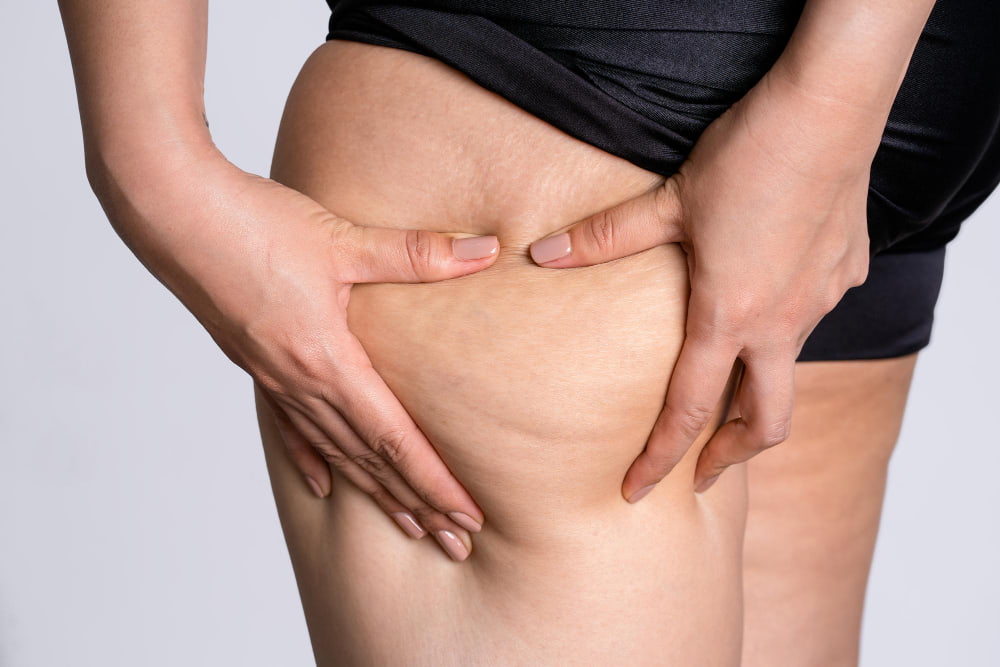


Lipedema is a chronic condition affecting the way fat is distributed in the body. Despite being relatively common, it remains widely misunderstood and frequently misdiagnosed — often dismissed as obesity or poor lifestyle, or confused with lymphedema or cellulite. For the women who live with it, the delay between the onset of symptoms and a correct diagnosis can span years or even decades. Understanding what lipedema actually is, how it differs from other conditions, and what treatment options are available is the first step toward effective management.
What Is Lipedema?
Lipedema — also spelled lipoedema — is a disorder of adipose tissue, or body fat, characterised by a disproportionate and symmetrical accumulation of fat beneath the skin, almost exclusively in the legs, hips, and buttocks, and sometimes in the arms. The fat deposits that accumulate in lipedema are pathological: they do not respond to diet or exercise in the way that ordinary fat does, and they are associated with pain, tenderness, and easy bruising in the affected areas.
Lipedema affects almost exclusively women and typically appears or worsens at key hormonal transition points in life — puberty, pregnancy, and menopause — which strongly suggests a hormonal component to its development. It is estimated to affect around 11 percent of women, though because it is frequently misdiagnosed, the true prevalence may be considerably higher.
What Causes Lipedema?
The precise cause of lipedema is not fully understood, but several factors are consistently associated with its development.
Genetics plays a clear role — lipedema often runs in families, and a significant proportion of women with the condition have a first-degree relative who is also affected. The condition appears to involve an abnormality in the way fat cells in certain areas of the body develop and behave, leading to their disproportionate accumulation and to inflammation within the affected tissue.
Hormonal factors are also strongly implicated. The fact that lipedema almost exclusively affects women and tends to appear or worsen during hormonal changes — puberty, pregnancy, use of hormonal contraception, and menopause — suggests that female sex hormones, particularly estrogen, play a role in triggering or sustaining the process. Why the same hormonal environment causes lipedema in some women and not others is likely explained by an underlying genetic susceptibility.
Signs and Symptoms of Lipedema
Recognising the signs of lipedema is important because early diagnosis allows earlier intervention and better long-term outcomes.
Common symptoms and signs include:
- Disproportionate fat distribution — the legs, hips, and buttocks appear significantly larger than the upper body, in a way that does not match the person's overall weight
- Symmetrical involvement — both legs are affected to roughly the same degree, which is one of the distinguishing features of lipedema
- Sparing of the feet — the lipedema fat stops at the ankles, creating a distinct cuff of swelling above the foot, while the feet themselves remain unaffected
- Pain and tenderness — the affected areas are often tender to the touch and can ache spontaneously, especially after prolonged standing or at the end of the day
- Easy bruising — the affected fat tissue bruises easily, often with minimal trauma
- Heaviness and fatigue in the legs — a persistent feeling of heaviness or tiredness in the affected limbs
- Resistance to weight loss — the affected areas do not reduce with caloric restriction or increased exercise, even when weight is lost elsewhere on the body
Stages of Lipedema
Lipedema is classified into stages based on the appearance of the affected tissue and the degree of structural change that has occurred.
- Stage 1 — the skin surface is smooth, but the subcutaneous fat layer is enlarged and the tissue feels soft. Symptoms are present but the external appearance may not yet appear dramatically abnormal.
- Stage 2 — the skin surface becomes uneven, with visible indentations and a nodular texture to the fat beneath. The characteristic lumpy appearance becomes more pronounced.
- Stage 3 — large folds and extrusions of skin and fat develop, particularly around the inner thighs and knees. Mobility can begin to be affected at this stage.
- Stage 4 — lipedema coexists with lymphedema, producing a combined condition known as lipolymphedema. At this stage, fluid accumulation joins the fat accumulation, and the feet are no longer spared.
Types of Lipedema
In addition to stages, lipedema is also classified into types based on which areas of the body are primarily affected:
- Type I — fat accumulation limited to the hips and buttocks
- Type II — fat accumulation extending from the hips to the knees
- Type III — fat accumulation extending from the hips to the ankles
- Type IV — involvement of the arms in addition to the legs
- Type V — fat accumulation limited to the lower legs
How Lipedema Differs from Similar Conditions
Lipedema is frequently mistaken for other conditions involving swelling or abnormal fat distribution. Two comparisons are particularly important to get right.
Lipedema and Lymphedema
The most clinically significant distinction is between lipedema and lymphedema. Lipedema is a fat disorder — the abnormal tissue is pathological fat, not fluid. Lymphedema is a disorder of the lymphatic drainage system in which fluid accumulates because it cannot drain properly. The key differences are:
- Feet — lipedema characteristically spares the feet, stopping at the ankles; lymphedema typically involves the foot and toes
- Symmetry — lipedema is almost always symmetrical; lymphedema is frequently one-sided, particularly when caused by surgery or cancer treatment
- Pain — lipedema tissue is painful and bruises easily; lymphedema causes heaviness and discomfort but is not characteristically painful
- Pitting — pressing lipedema tissue in the early stages does not leave an indentation; lymphedema produces a temporary pit on pressure, known as pitting edema
Despite these distinctions, the two conditions frequently coexist. Stage 4 lipedema is by definition also lymphedema — the longstanding fat accumulation overwhelms and damages the local lymphatic vessels, adding a fluid component to the condition. Management of advanced lipedema therefore often incorporates lymphatic therapies alongside lipedema-specific treatment.
Lipedema and Cellulite
Cellulite is a cosmetic change in the skin's surface appearance caused by superficial fat pushing against connective tissue bands, producing a dimpled texture. It is very common, affects women of all body types and weights, and is neither painful nor progressive in any meaningful clinical sense.
Lipedema is categorically different. It involves pathological fat in the deep subcutaneous layer, is associated with significant pain and tenderness, is progressive without treatment, and does not respond to the same approaches used for cellulite. The nodular texture that develops in Stage 2 and 3 lipedema can superficially resemble cellulite, which contributes to confusion — but the underlying pathology, clinical behaviour, and management are entirely distinct.
Conservative Lipedema Treatments
There is currently no cure for lipedema, but a range of treatments can significantly reduce symptoms, slow progression, and in many cases produce lasting improvement. Treatment is generally divided into conservative management and surgical intervention.
Conservative treatment focuses on reducing symptoms, managing inflammation, and preventing progression. The core components are:
- Compression garments — flat-knit compression stockings or leggings, tailored to the individual, are one of the most effective tools for reducing pain, heaviness, and swelling in lipedema. Flat-knit compression is preferred over round-knit for lipedema because it accommodates irregular contours and provides more even pressure across the affected tissue.
- Manual lymphatic drainage (MLD) — a specialised gentle massage technique performed by trained therapists that stimulates lymphatic flow, reduces fluid accumulation, and can relieve pain and heaviness in the affected areas
- Exercise — low-impact exercise such as swimming, aqua therapy, cycling, and walking supports lymphatic flow, improves mobility, and contributes to overall metabolic health without placing excessive stress on already painful limbs
- Lipedema diet — while lipedema fat does not respond to conventional caloric restriction, an anti-inflammatory diet — rich in vegetables, oily fish, and whole foods, and low in refined carbohydrates, processed foods, and alcohol — can reduce systemic inflammation and may slow disease progression. Some patients report benefit from a ketogenic or low-carbohydrate dietary approach, and there is emerging clinical interest in this area. It is important to distinguish dietary goals in lipedema from those in general weight management: the aim is reducing inflammation and supporting metabolic health, not weight loss as an end in itself.
- Psychological support — living with a painful, progressive, and frequently misunderstood condition carries a significant emotional burden. Many women with lipedema report years of being told that their symptoms are the result of poor lifestyle choices, and the impact of this on self-image and mental health should not be underestimated. Access to psychological support is a valuable part of a comprehensive care plan.
Lipedema Surgery
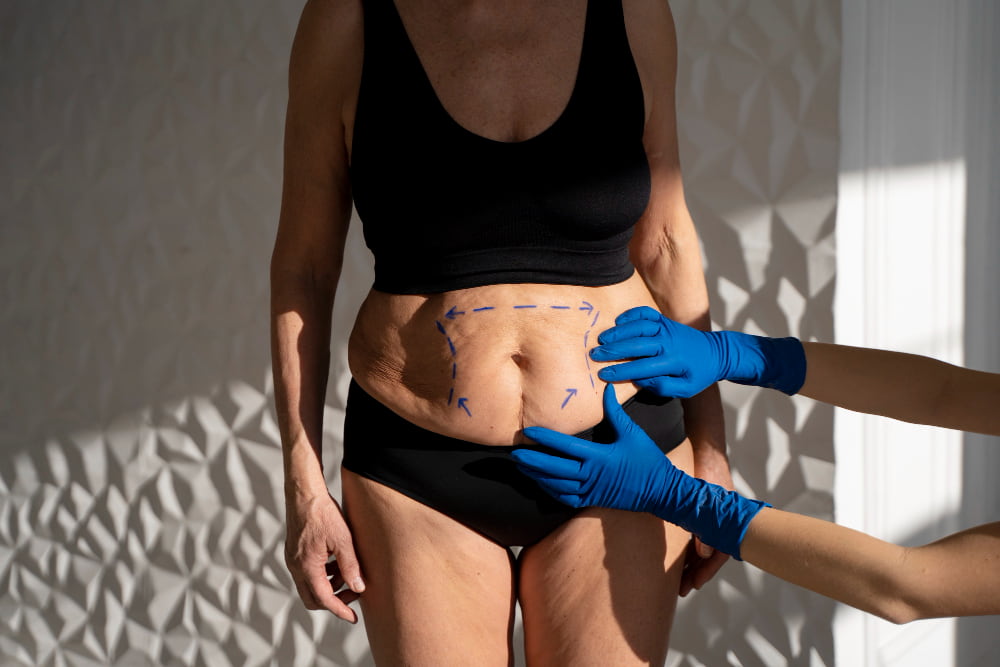
Surgical intervention is the only treatment currently able to remove lipedema fat itself. Because lipedema fat does not respond to diet, exercise, or any conservative measure, surgery offers something that no other treatment can: a direct and lasting reduction in the volume of diseased tissue. The clinical goal is not cosmetic improvement but reduction of pain, heaviness, and disease burden, and the evidence supporting surgery for lipedema in appropriately selected patients is well established.
It is important to understand that not all liposuction techniques are appropriate for lipedema. Standard liposuction, as performed for cosmetic body contouring, can damage the fine lymphatic vessels running through the subcutaneous fat, with the potential to cause or worsen lymphedema in tissue that may already have compromised lymphatic function. Lipedema surgery requires techniques specifically adapted to protect the lymphatic system.
Tumescent Liposuction
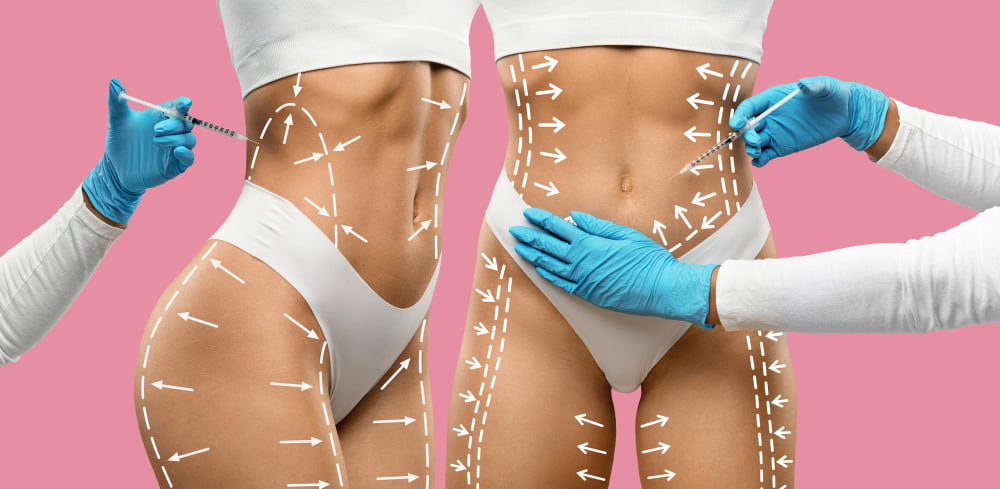
Tumescent liposuction involves injecting a large volume of dilute local anaesthetic and adrenaline solution into the fatty tissue before removal. The solution causes the tissue to swell and become firm — tumescent means swollen — which makes it easier to remove fat with precision while reducing bleeding and pain. In lipedema surgery, tumescent technique allows the surgeon to work methodically through the affected tissue, removing pathological fat while identifying and avoiding lymphatic structures. It can be performed under local anaesthesia with sedation or general anaesthesia depending on the extent of the area being treated.
Water-Jet Assisted Liposuction
Water-jet assisted liposuction, known as WAL or by the device name Body-Jet, uses a fan-shaped jet of pressurised fluid to gently loosen and dislodge fat cells before they are suctioned away, rather than mechanically breaking them up. This gentler mechanical action is considered particularly well suited to lipedema surgery because it is thought to be less traumatic to the surrounding lymphatic and connective tissue structures than conventional cannula techniques. WAL is widely used in dedicated lipedema surgical centres and is often the preferred technique for patients with evidence of lymphatic compromise.
Power-Assisted Liposuction
Power-assisted liposuction (PAL) uses a mechanically vibrating cannula to break up fat tissue before removal. It is faster than manual techniques for large-volume cases and is sometimes used in combination with tumescent preparation by surgeons experienced in lipedema surgery.
Most patients require more than one surgical session, as treating all affected areas at once would exceed safe limits for fluid shifts and anaesthesia duration. Sessions are typically spaced several months apart to allow recovery and assessment of results before planning subsequent treatment.
Lipedema Treatment at Medical Park
Medical Park provides multidisciplinary lipedema care through a team that brings together plastic surgeons experienced in lipedema reduction surgery, cardiovascular surgeons, physiotherapists trained in manual lymphatic drainage, and dietitians specialising in anti-inflammatory and metabolic nutrition.
Patients referred to Medical Park for lipedema assessment receive a structured evaluation that includes clinical staging and typing, assessment of lymphatic function where indicated, and a personalised treatment plan covering both conservative management and surgical options. For patients who are candidates for liposuction for lipedema, surgery is performed using advanced techniques with appropriate lymphatic precautions, followed by a structured post-operative compression and physiotherapy programme.
International patients seeking lipedema treatment in Turkey benefit from access to specialist care at competitive costs compared with Western Europe, with coordinated pre-operative consultation, surgery, and follow-up planning available through Medical Park's international patient services.





 Makaleye Dön
 E-Result
 WhatsApp