


 TR
 EN
 RU
 AR
 FR


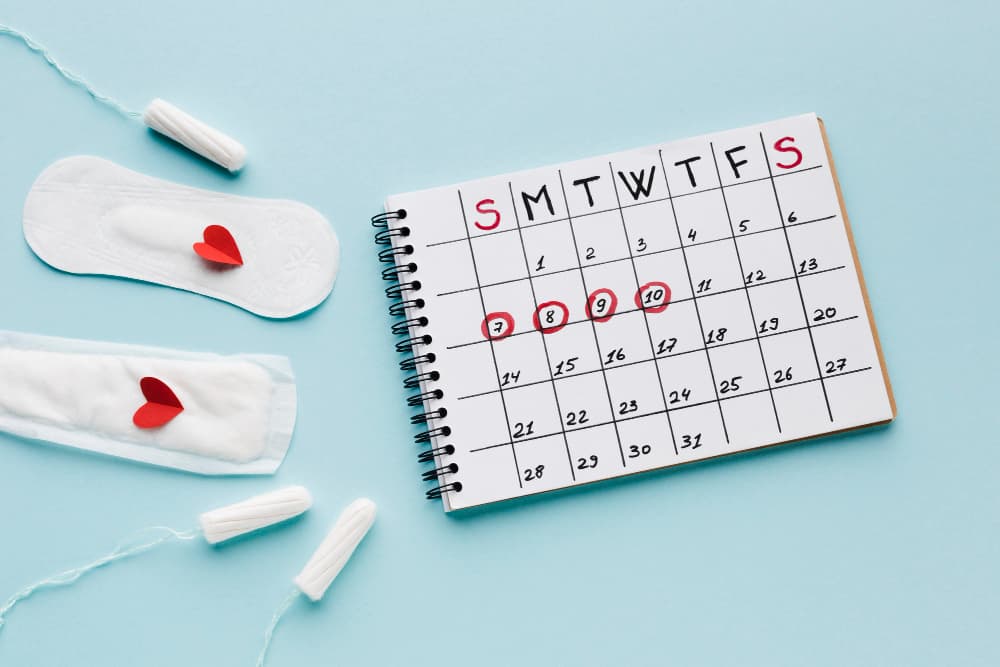

The menstrual cycle is a series of hormonal changes that prepares the body for a possible pregnancy. Menstruation, commonly called a period, is the part of this cycle when the lining of the uterus sheds and leaves the body through the vagina. Although the cycle is often described as lasting 28 days, its length, bleeding pattern, and symptoms can vary from person to person and change throughout life. Mild cramps or temporary changes may be common, but persistent irregularity, very heavy bleeding, absent periods, or pain that interferes with daily activities should not be dismissed. These symptoms can sometimes point to an underlying condition, and many menstrual disorders can be diagnosed and treated.
What Is the Menstrual Cycle?
The menstrual cycle is the recurring process through which the brain, ovaries, and uterus work together to prepare for a possible pregnancy. It begins on the first day of menstrual bleeding and ends the day before the next period starts. During this time, hormones regulate the development and release of an egg from an ovary and prepare the uterine lining, called the endometrium, to support a pregnancy.
The cycle is controlled by signals between the hypothalamus and pituitary gland in the brain and the ovaries. These signals regulate the production of hormones that influence the growth of ovarian follicles, ovulation, and changes in the endometrium. If pregnancy does not occur, hormone levels fall, the uterine lining breaks down, and menstrual bleeding begins.
A 28-day cycle is often used to explain this process, but it is only an average. Ovulation does not necessarily happen on day 14, and the timing can differ between individuals and from one cycle to another. Understanding the phases of the menstrual cycle helps explain why bleeding, cervical mucus, energy levels, and other symptoms may change throughout the month.
Phases of the Menstrual Cycle
The menstrual cycle has four overlapping phases: menstrual, follicular, ovulation, and luteal. Their timing varies according to the total cycle length, particularly because the time before ovulation is not the same for everyone.
Menstrual phase: The cycle begins with menstruation. If pregnancy has not occurred, estrogen and progesterone levels fall, causing the endometrium to shed. Blood and tissue leave the uterus through the cervix and vagina. Bleeding usually lasts several days, although the duration and flow vary.
Follicular phase: This phase begins on the first day of menstruation and continues until ovulation. The pituitary gland releases follicle-stimulating hormone (FSH), which supports the development of follicles in the ovaries. Each follicle contains an immature egg, and usually one becomes dominant. As the follicle develops, it produces estrogen, which helps the uterine lining grow again.
Ovulation: A rise in luteinizing hormone (LH) triggers the release of a mature egg from the dominant follicle. This is called ovulation. The egg enters the fallopian tube, where it may be fertilized. Some people notice clear, slippery cervical mucus, mild one-sided pelvic discomfort, or a change in basal body temperature around this time, but ovulation does not always cause noticeable symptoms.
Luteal phase: After ovulation, the emptied follicle becomes the corpus luteum, which produces progesterone and some estrogen. Progesterone helps maintain the uterine lining in preparation for a possible pregnancy. If pregnancy does not occur, the corpus luteum breaks down, hormone levels fall, and the next menstrual period begins.
The Hormones Behind the Cycle
Four hormones have central roles in regulating the menstrual cycle: FSH, LH, estrogen, and progesterone. Their levels rise and fall in a coordinated pattern, and changes in this pattern can affect ovulation, bleeding, and cycle regularity.
Follicle-stimulating hormone (FSH): Released by the pituitary gland, FSH supports the growth and development of ovarian follicles at the beginning of the cycle.
Luteinizing hormone (LH): A rapid rise in LH triggers ovulation and supports the formation of the corpus luteum after the egg is released.
Estrogen: Produced mainly by developing ovarian follicles, estrogen helps rebuild and thicken the uterine lining. It also contributes to the LH surge that leads to ovulation.
Progesterone: Produced mainly by the corpus luteum after ovulation, progesterone prepares and supports the uterine lining. Its level falls when pregnancy does not occur, contributing to the start of menstruation.
Other hormones can influence this process. For example, thyroid hormones and prolactin affect reproductive hormone regulation, while changes in insulin and androgen levels can interfere with ovulation in some people with Polyendocrine Metabolic Ovarian Syndrome (PMOS), also known as polycystic ovary syndrome (PCOS).
What Is a Normal Menstrual Cycle?
There is no single menstrual pattern that is normal for everyone. Cycle length, bleeding duration, flow, and symptoms vary, and the pattern may change with age, health, medication use, and life circumstances. For adults during the reproductive years, a cycle of approximately 24 to 38 days is generally within the FIGO reference range. Bleeding lasting up to 8 days and variation of around 7 to 9 days between the shortest and longest cycles may also fall within the expected range.
A period lasting 2 to 7 days is common, although the flow may be heavier during the first few days and lighter toward the end. The amount of blood lost is difficult to measure at home, so clinicians usually consider practical signs such as how often menstrual products need to be changed, whether blood leaks through clothing or bedding, and whether bleeding affects everyday activities. A cycle does not have to last exactly 28 days to be healthy, and ovulation does not have to occur on day 14.
The first menstrual period, called menarche, usually occurs during puberty, often between the ages of 12 and 13. However, the timing varies. A first period by around age 15 is generally expected, and the absence of menstruation by this age should be evaluated, particularly if breast development has not begun by age 13.
How Periods Change Through Life
Menstrual patterns are not necessarily consistent throughout life. Some changes are expected during puberty, after pregnancy, while breastfeeding, and during the transition toward menopause. However, a new or persistent change should not automatically be attributed to age or life stage.
During the first years after menarche, the hormonal system that regulates ovulation is still developing. Periods may therefore be irregular, and cycles can be longer or shorter than those of adults. Adolescent cycles commonly fall within a range of 21 to 45 days. A gap of 90 days between periods, bleeding lasting more than 7 days, or very heavy flow should still be assessed rather than assumed to be part of puberty.
During the reproductive years, many people develop a more predictable cycle. Pregnancy stops menstrual periods, while breastfeeding may delay their return or cause them to remain irregular for a time. Hormonal contraception can also change bleeding patterns, and some methods reduce or stop periods altogether.
During perimenopause, the transition leading up to menopause, ovarian hormone levels fluctuate and ovulation becomes less predictable. Periods may become closer together, farther apart, lighter, or heavier. Menopause is reached after 12 consecutive months without a menstrual period when there is no other explanation. Bleeding after menopause is not an expected part of this transition and always needs medical evaluation.
Tracking Your Cycle
Recording menstrual patterns can help distinguish an occasional variation from a recurring problem. A simple calendar or diary can also give a gynecologist more useful information during an appointment.
Record the first day of each period, the number of days bleeding lasts, and whether the flow is light, moderate, or heavy. It can also be helpful to note spotting between periods, pain, clots, headaches, mood changes, medication use, and symptoms that affect daily activities. If you use menstrual products, record how often you need to change them and whether you experience leakage.
Cycle-tracking apps can make recording dates and symptoms easier, but their predictions are estimates. They cannot confirm that ovulation has occurred, diagnose a menstrual disorder, or reliably identify fertile days for everyone. Their accuracy varies, and users should review privacy settings before entering personal reproductive health information.
Common Menstrual Disorders
Menstrual disorders involve changes in the frequency, duration, amount, or timing of bleeding, as well as symptoms such as severe cramps and distressing premenstrual mood changes. Some changes are temporary, but persistent symptoms can be associated with hormonal imbalances, uterine conditions, ovulation problems, or other health issues. The pattern of symptoms can help guide an evaluation, although the same symptom may have several possible causes.
| Menstrual problem | What it may look like | Possible causes |
|---|---|---|
| Heavy menstrual bleeding | Soaking through menstrual products frequently, passing large clots, bleeding for more than 7–8 days, or flow that disrupts daily life | Fibroids, adenomyosis, polyps, bleeding disorders, hormonal changes, or some medications |
| Irregular or infrequent periods | Cycles that vary considerably in length, occur less often than expected, or are difficult to predict | PMOS/PCOS, thyroid disorders, stress, changes in weight, intense exercise, or perimenopause |
| Absent periods | No first period by the expected age or periods stopping for several months | Pregnancy, PMOS/PCOS, hypothalamic causes, thyroid disorders, high prolactin, or premature ovarian insufficiency |
| Painful periods | Cramps that are severe, persistent, or interfere with normal activities | Primary dysmenorrhea, endometriosis, adenomyosis, fibroids, or other pelvic conditions |
| Premenstrual symptoms | Physical or emotional symptoms before menstruation | PMS or PMDD; other health conditions may also contribute |
| Bleeding between periods or after sex | Spotting or bleeding outside the expected menstrual period | Hormonal contraception, cervical or uterine polyps, infection, fibroids, or cervical and uterine conditions |
Heavy Menstrual Bleeding (Menorrhagia)
Heavy menstrual bleeding, historically called menorrhagia, refers to menstrual flow that is excessive, prolonged, or disruptive to everyday life. It may involve bleeding that lasts more than 7 days, soaking through a pad or tampon every 1 to 2 hours, needing to change menstrual products during the night, or passing large blood clots. Bleeding that causes someone to miss work, school, or usual activities also deserves attention, even if its volume is difficult to estimate.
Heavy periods can occur when hormonal changes affect the growth and shedding of the uterine lining. Other causes include uterine fibroids, adenomyosis, endometrial polyps, and bleeding disorders such as von Willebrand disease. Some medications, including anticoagulants, can also increase menstrual bleeding.
Repeated heavy bleeding can deplete the body's iron stores and lead to iron deficiency or iron-deficiency anemia. Symptoms may include fatigue, weakness, dizziness, headaches, and shortness of breath. A blood count and ferritin test can help assess whether heavy periods have affected iron levels. Persistent heavy bleeding should be evaluated to identify the cause and determine appropriate treatment.
Irregular and Infrequent Periods (Oligomenorrhea)
Irregular periods occur when the interval between menstrual periods varies considerably or becomes difficult to predict. Infrequent periods, sometimes called oligomenorrhea, generally refer to cycles that occur less often than expected. Occasional variation can happen, particularly during puberty or perimenopause, but a persistent change may indicate that ovulation is not occurring regularly.
PMOS/PCOS is one possible cause. Other explanations include thyroid disorders, elevated prolactin, significant weight changes, prolonged stress, intense physical activity, and inadequate energy intake. Hormonal contraception and certain medications can also change the timing and frequency of bleeding.
The evaluation depends on the person's age, symptoms, medical history, and menstrual pattern. A clinician may recommend pregnancy testing, hormone blood tests, or pelvic ultrasound. Treatment focuses on the underlying cause and may aim to regulate bleeding, protect the uterine lining, or address other health effects of irregular ovulation.
Absent Periods (Amenorrhea)
Amenorrhea is the absence of menstrual periods. Primary amenorrhea refers to menstruation not having started by around age 15, while secondary amenorrhea describes periods stopping for three months or more in someone whose cycles were previously established. The absence of periods is a symptom rather than a diagnosis, and its cause needs to be investigated.
Pregnancy is an important possible explanation for a missed period and should be checked whenever it is possible. Other causes include PMOS/PCOS, thyroid disorders, elevated prolactin, premature ovarian insufficiency, significant weight loss, low body weight, eating disorders, intense exercise, and stress. Some hormonal contraceptives and other medications can also suppress menstruation.
The hypothalamus in the brain may reduce its reproductive hormone signals when the body is under physical or psychological stress or does not receive enough energy. This can interfere with ovulation and cause periods to stop. Treatment depends on the cause and may involve addressing nutritional or exercise factors, treating a hormonal disorder, or managing another underlying condition.
Painful Periods (Dysmenorrhea)
Dysmenorrhea is the medical term for painful menstruation. Mild to moderate cramps are common and are often caused by prostaglandins, substances that encourage the uterus to contract as it sheds its lining. However, severe pain that disrupts daily activities, causes repeated absence from school or work, or does not improve with usual pain relief should be evaluated.
Primary dysmenorrhea refers to menstrual pain without an identified pelvic condition. It often begins during adolescence and may improve with age. Secondary dysmenorrhea is pain associated with an underlying condition, such as endometriosis, adenomyosis, fibroids, or pelvic inflammatory disease. It may develop later, become progressively worse, or occur outside menstruation.
Pain should not be dismissed as something that everyone has to tolerate. Endometriosis, in particular, can cause significant pain and may take years to diagnose. A gynecological assessment can help identify whether the symptoms are consistent with primary dysmenorrhea or require further investigation.
Premenstrual Syndrome (PMS) and PMDD
Premenstrual syndrome (PMS) describes physical and emotional symptoms that occur during the days before menstruation and usually improve after the period begins. Symptoms can include breast tenderness, bloating, headaches, fatigue, food cravings, irritability, anxiety, and mood changes. Their severity and combination vary, and not everyone experiences PMS.
Premenstrual dysphoric disorder (PMDD) is a recognized medical condition involving severe emotional and physical symptoms that can significantly affect relationships, work, education, and daily life. It may cause intense irritability, depression, anxiety, mood swings, difficulty concentrating, or a sense of losing control. PMDD is not simply a more noticeable version of ordinary PMS; its symptoms can be disabling and require medical care.
A symptom diary covering several menstrual cycles can help establish whether symptoms follow a consistent premenstrual pattern. Anyone experiencing severe or distressing mood symptoms should seek medical support promptly. Thoughts of self-harm or suicide require immediate help from emergency services or a mental health professional.
Bleeding Between Periods, After Sex, or After Menopause
Bleeding between periods, also called intermenstrual bleeding, may appear as light spotting or bleeding similar to a period. It can occur with hormonal contraception, changes in ovulation, infections, cervical or uterine polyps, fibroids, or other conditions affecting the reproductive organs. Bleeding after sex may be associated with cervical inflammation, infection, cervical polyps, or changes in cervical tissue.
Although some causes are benign, unexplained bleeding between periods or after sex should be assessed by a healthcare professional. The evaluation may include a pregnancy test, examination of the cervix when appropriate, infection testing, or pelvic ultrasound.
Any bleeding after menopause requires medical evaluation, even if it happens only once or consists of a small amount of spotting. It may be related to vaginal or endometrial changes, polyps, or endometrial cancer. Prompt assessment helps identify the cause and determine whether further testing is needed.
Conditions That Cause Menstrual Problems
A menstrual change does not always mean that there is an underlying disorder, but persistent or severe symptoms can be a sign of a condition that affects ovulation, hormone production, the uterus, or blood clotting. Identifying the cause matters because treatment for heavy bleeding, irregular periods, and pelvic pain can differ considerably. More than one condition may also contribute to the same symptoms.
Polyendocrine Metabolic Ovarian Syndrome (PMOS/PCOS)
Polyendocrine Metabolic Ovarian Syndrome (PMOS), also known as polycystic ovary syndrome (PCOS), is a hormonal and metabolic condition that can interfere with regular ovulation. People with PMOS/PCOS may have infrequent or absent periods, difficulty predicting their cycles, or prolonged gaps between periods. Some also experience signs of higher androgen levels, such as increased facial or body hair, acne, or thinning scalp hair.
PMOS/PCOS is associated with insulin resistance in some people, which can affect blood glucose regulation and increase the risk of metabolic complications. The condition is not diagnosed by ultrasound alone. Assessment generally considers menstrual and ovulation patterns, signs or blood-test evidence of androgen excess, and the exclusion of other possible causes.
Treatment depends on symptoms, metabolic health, and whether pregnancy is desired. It may include lifestyle support, medication to regulate periods or address androgen-related symptoms, and treatment for metabolic risk factors. Long gaps without menstruation should be assessed because persistent lack of ovulation can allow the uterine lining to become excessively thick. Readers can find more information in a dedicated guide to PMOS/PCOS.
Endometriosis and Adenomyosis
Endometriosis occurs when tissue similar to the lining of the uterus grows outside the uterus, often around the ovaries, fallopian tubes, and pelvic structures. It can cause severe menstrual cramps, pelvic pain outside periods, pain during sex, bowel or bladder symptoms, and difficulty becoming pregnant. The severity of pain does not always reflect the extent of the disease.
Adenomyosis occurs when tissue similar to the uterine lining grows into the muscular wall of the uterus. It may cause heavy or prolonged periods, severe cramps, pelvic pressure, and an enlarged or tender uterus. Some people have both adenomyosis and endometriosis, but they are different conditions.
Diagnosis may involve a detailed symptom history, pelvic examination when appropriate, and ultrasound or MRI. A normal scan does not always rule out endometriosis. Treatment is selected according to symptoms, age, and reproductive plans and may include pain relief, hormonal medication, or surgery. Persistent period pain deserves assessment rather than being accepted as inevitable.
Uterine Fibroids and Polyps
Uterine fibroids are noncancerous growths that develop in or around the muscular wall of the uterus. Their size, number, and location influence whether they cause symptoms. Fibroids may lead to heavy or prolonged menstrual bleeding, pelvic pressure, frequent urination, or discomfort. Some do not cause any symptoms and are found during an examination or imaging test.
Endometrial polyps are growths that develop from the lining of the uterus. They can cause irregular bleeding, spotting between periods, heavy menstruation, or bleeding after menopause. Most are benign, but a clinician may recommend further assessment depending on age, symptoms, and risk factors.
Pelvic ultrasound is commonly used to identify fibroids and polyps. Hysteroscopy, which allows a clinician to examine the inside of the uterus with a thin camera, may be used to investigate or remove an endometrial polyp. Treatment depends on symptoms, the findings, and whether preserving fertility is important.
Thyroid, Prolactin, and Other Hormonal Causes
The thyroid gland produces hormones that regulate metabolism and influence reproductive function. Both an underactive thyroid (hypothyroidism) and an overactive thyroid (hyperthyroidism) can affect menstrual regularity, bleeding, and ovulation. Symptoms such as unexplained weight changes, fatigue, temperature sensitivity, or changes in heart rate may provide additional clues.
Prolactin is a hormone produced by the pituitary gland that supports breast milk production. When prolactin levels are elevated outside pregnancy and breastfeeding, they can interfere with the hormones that regulate ovulation. This may lead to irregular or absent periods and sometimes breast milk discharge unrelated to breastfeeding.
Blood tests can help identify thyroid dysfunction or elevated prolactin. Depending on the results and symptoms, further hormone testing or imaging may be needed. Treatment focuses on the underlying hormonal cause.
Premature Ovarian Insufficiency and Perimenopause
Premature ovarian insufficiency (POI) occurs when the ovaries lose normal function before the age of 40. It can cause irregular periods, missed periods, reduced estrogen levels, and difficulty becoming pregnant. Some people also experience hot flashes, night sweats, vaginal dryness, or sleep changes. POI is different from natural menopause, and ovarian activity may occasionally continue unpredictably.
Perimenopause is the transition before menopause, when ovarian hormone production and ovulation become less consistent. Periods may become irregular, and bleeding can be lighter, heavier, shorter, or longer than before. These changes are common during this stage, but very heavy bleeding, bleeding between periods, or bleeding after menopause still requires evaluation.
A clinician may consider age, menstrual history, symptoms, and hormone tests when assessing possible POI. Management may include addressing symptoms and bone and cardiovascular health, as well as discussing reproductive options when relevant. Menstrual changes should not automatically be attributed to perimenopause without considering other possible causes.
Bleeding Disorders, Medications, and Other Causes
Some people have heavy periods because their blood does not clot normally. Von Willebrand disease is an inherited bleeding disorder that can cause prolonged or heavy menstrual bleeding, easy bruising, frequent nosebleeds, or excessive bleeding after dental procedures or surgery. Heavy periods from the first menstrual cycles, especially alongside a personal or family history of unusual bleeding, may prompt testing for a bleeding disorder.
Medications can also affect menstrual patterns. Anticoagulants may increase bleeding, while hormonal contraception can cause spotting, lighter periods, or absent bleeding. Some other medicines can influence hormone levels or interfere with ovulation. A clinician should review prescribed and nonprescribed medicines when investigating a menstrual change.
Stress, significant weight changes, intense exercise, and eating disorders can affect the brain signals that regulate ovarian function. In some cases, the body reduces reproductive hormone activity when energy intake is insufficient for its needs. This can lead to irregular or absent periods and may also affect bone health. Addressing the underlying physical, nutritional, or psychological factors is an important part of care.
When to See a Doctor About Your Periods
A change in menstrual pattern is worth discussing with a gynecologist when it persists, becomes more severe, or affects everyday life. You do not need to wait until symptoms become disabling. An assessment can help distinguish normal variation from a menstrual disorder and identify conditions that may benefit from treatment.
Arrange a medical evaluation if you experience any of the following:
Very heavy bleeding: You soak through a pad or tampon every hour for two hours or more, need to change menstrual products unusually often, or pass large clots.
Prolonged bleeding: Your period lasts longer than about 7 to 8 days, or bleeding repeatedly continues beyond your usual pattern.
Symptoms of anemia: Heavy periods are accompanied by persistent fatigue, weakness, dizziness, palpitations, or shortness of breath.
Severe period pain: Cramps interfere with school, work, sleep, or daily activities, or pain persists despite usual pain relief.
Absent periods: Your periods stop for three months or more without an explanation, or you have not had your first period by around age 15.
Unexpected bleeding: You experience bleeding between periods, after sex, or at any time after menopause.
Distressing mood symptoms: Premenstrual emotional symptoms become severe, affect your ability to function, or include thoughts of self-harm.
Some symptoms require urgent or emergency assessment. Sudden heavy bleeding accompanied by fainting, marked dizziness, weakness, chest pain, or shortness of breath should not wait for a routine appointment. If pregnancy is possible, a missed period or unusual bleeding should prompt a pregnancy test. Bleeding or pelvic pain with a positive or possible pregnancy requires prompt medical assessment; severe one-sided abdominal or pelvic pain, shoulder-tip pain, or fainting may indicate an ectopic pregnancy, which is a medical emergency.
How Are Menstrual Disorders Diagnosed?
The evaluation of menstrual disorders begins with a detailed discussion of symptoms, menstrual history, general health, and any medicines or hormonal contraception being used. A clinician will ask when the change started, how often periods occur, how long bleeding lasts, and whether pain or other symptoms affect daily life. The aim is to identify patterns and decide which tests, if any, are needed.
Not everyone needs every test, and an internal pelvic examination is not required for every menstrual complaint. The evaluation is tailored to age, symptoms, medical history, and individual preferences. For some people, blood tests and an abdominal ultrasound may provide useful information without an internal examination.
History, Symptom Diary, and Examination
A period diary can help clarify cycle length, bleeding duration, flow, spotting, pain, and premenstrual symptoms. Information about the first menstrual period, recent changes, pregnancy possibility, medication use, weight changes, exercise, and family history may also be relevant. A history of easy bruising, nosebleeds, or excessive bleeding after procedures can help identify a possible bleeding disorder.
A physical examination is based on the symptoms and clinical need. It may include checking blood pressure, pulse, weight, signs of anemia, thyroid changes, or signs of androgen excess. A pelvic examination may be recommended for some symptoms, such as persistent pelvic pain or unexplained bleeding, but it is not automatically necessary for every patient. The clinician should explain why an examination is being considered and discuss alternatives where appropriate.
Blood Tests
Blood tests can help identify pregnancy, anemia, iron deficiency, and hormonal conditions that affect menstruation. The choice of tests depends on the symptoms and suspected cause.
Pregnancy test: A blood or urine test may be recommended when pregnancy is possible, including when a period is late or bleeding is unusual.
Complete blood count: This test checks hemoglobin and other blood components to identify anemia or signs that may need further investigation.
Ferritin: Ferritin reflects the body's stored iron. It can help detect iron deficiency, including cases where hemoglobin has not yet fallen.
Thyroid function tests: Thyroid-stimulating hormone (TSH) and, when indicated, thyroid hormone measurements can help identify thyroid disorders that affect menstrual regularity.
Hormone tests: Depending on the clinical picture, testing may include prolactin, FSH, LH, estradiol, and androgen levels.
Clotting tests: These may be recommended when heavy bleeding or a personal or family history suggests an inherited or acquired bleeding disorder.
A single hormone result does not always explain a menstrual problem. Some hormone levels change throughout the cycle, so the timing of testing and the person's menstrual history are important when interpreting results.
Ultrasound and Other Tests
Pelvic ultrasound is commonly used to assess the uterus, endometrium, and ovaries. It can help identify fibroids, ovarian cysts, some features associated with PMOS/PCOS, and changes in the uterine lining. An abdominal ultrasound may be suitable for some adolescents and adults. A transvaginal ultrasound provides a closer view of the pelvic organs but is only considered when clinically appropriate and with the patient's informed agreement.
Other tests may be recommended depending on the findings:
MRI: Magnetic resonance imaging may provide more detailed information about conditions such as adenomyosis, fibroids, or complex pelvic abnormalities.
Hysteroscopy: A thin camera is passed through the cervix to examine the inside of the uterus. It may be used to investigate unexplained bleeding or remove a polyp.
Endometrial biopsy: A small sample of the uterine lining is collected and examined when there is a concern about abnormal changes, particularly in people with relevant risk factors or persistent abnormal bleeding.
Laparoscopy: This minimally invasive surgical procedure allows a clinician to examine the pelvic cavity and may be used in selected cases of suspected endometriosis. It is not necessary for every person with pelvic pain.
The results are interpreted together rather than in isolation. A normal ultrasound does not exclude every cause of menstrual pain or irregular bleeding, and further assessment may be appropriate if symptoms continue.
Treatment of Menstrual Disorders
Treatment depends on the cause of the menstrual problem, the severity of symptoms, age, general health, and whether pregnancy is desired. Some people need only monitoring and symptom management, while others benefit from medication, hormonal treatment, or a procedure. The aim is to reduce troublesome symptoms, address the underlying condition, prevent complications such as iron deficiency, and consider reproductive goals when selecting treatment.
Pain and Bleeding Medications
Nonsteroidal anti-inflammatory drugs (NSAIDs) may help relieve menstrual cramps by reducing the production of prostaglandins, which contribute to uterine contractions and pain. For some people, these medicines also reduce menstrual blood loss. They are not suitable for everyone, particularly people with certain stomach, kidney, bleeding, or other health conditions, so a clinician or pharmacist should be consulted about their use.
Tranexamic acid is a nonhormonal medicine that helps reduce menstrual bleeding by supporting blood clot stability. It may be considered for heavy periods when appropriate, but it is not suitable for everyone, including some people with a history of blood clots. The choice of medication depends on the person's medical history and the suspected cause of bleeding.
Hormonal Treatments
Hormonal treatments can regulate bleeding, reduce menstrual pain, or suppress menstruation. Options may include combined hormonal contraceptives containing estrogen and progestin, progestin-only treatments, and hormonal intrauterine devices. The most suitable option depends on the cause of symptoms, medical history, and personal preferences.
Estrogen-containing contraceptives are not appropriate for everyone. Certain histories, including blood clots, migraine with aura, some blood pressure conditions, and smoking at older reproductive ages, may affect whether these treatments can be used safely. A clinician should review individual risk factors before recommending hormonal medication.
For some conditions, treatment may involve medicines that reduce ovarian hormone production or otherwise modify hormonal activity. These options have specific indications and possible side effects, so they require individualized assessment and follow-up. Hormonal treatment should not be selected solely on the basis of cycle length or an app prediction.
Treating Iron Deficiency and Anemia
Heavy menstrual bleeding can gradually reduce iron stores and, in some cases, lead to iron-deficiency anemia. Treatment may include iron replacement and measures to reduce ongoing blood loss. The choice depends on the severity of iron deficiency, symptoms, test results, and the cause of bleeding.
Ferritin and hemoglobin tests help assess iron stores and anemia. Iron replacement may be recommended when deficiency is confirmed, while severe anemia or significant ongoing bleeding may require more urgent treatment. Treating the bleeding source is important to prevent iron deficiency from returning. Medical Park's guides to ferritin and hemoglobin provide further information about these tests.
Procedures and Surgery
Procedures may be considered when medication does not adequately control symptoms, when imaging identifies a structural cause, or when a specific diagnosis requires surgical treatment. The choice depends on the condition, symptom severity, and whether the person wants to preserve the possibility of pregnancy.
Hysteroscopy and polyp removal: A hysteroscope can be used to examine the uterine cavity and remove endometrial polyps that may be causing abnormal bleeding.
Myomectomy: This procedure removes uterine fibroids while preserving the uterus. It may be considered for people whose fibroids cause significant symptoms and who wish to retain the possibility of pregnancy.
Endometrial ablation: This procedure destroys or removes the lining of the uterus to reduce heavy bleeding. It is not suitable for people who wish to become pregnant in the future, because pregnancy after ablation can be dangerous.
Endometriosis surgery: Selected cases may benefit from surgery to remove or treat endometriosis lesions, particularly when symptoms persist despite other treatment or when the disease affects pelvic organs.
Hysterectomy: Removal of the uterus permanently stops menstrual bleeding and prevents pregnancy. It may be considered for certain severe conditions when other treatments have not provided adequate relief and after careful discussion of its permanent effects.
Fertility goals should be discussed before any procedure that may affect the uterus, ovaries, or reproductive potential. Not every fibroid, polyp, or endometriosis finding requires surgery.
Lifestyle and Self-Care
Lifestyle measures can support general health and may help manage some menstrual symptoms, but they do not replace assessment or treatment when a disorder is suspected. Regular physical activity, adequate sleep, balanced nutrition, and stress management can support overall well-being. Heat applied to the lower abdomen may also help some people manage menstrual cramps.
For people with PMOS/PCOS, nutrition, physical activity, and weight management may support metabolic health and improve some symptoms. However, PMOS/PCOS can affect people at different body sizes, and weight alone does not determine whether someone has the condition. Advice should be realistic, individualized, and free from blame.
There is limited evidence for popular approaches such as cycle syncing, seed cycling, and detox programs as treatments for menstrual disorders. Supplements should not be assumed to correct hormonal imbalances or regulate periods, and some can interact with medication. Persistent symptoms deserve a medical assessment rather than relying on unproven wellness claims.
Periods, Ovulation, and Fertility
Menstrual disorders can affect fertility when they interfere with ovulation or involve conditions affecting the uterus, fallopian tubes, or ovaries. Irregular or absent periods may indicate that ovulation is infrequent or not occurring, which can make it harder to predict the fertile window. PMOS/PCOS is one common cause of irregular ovulation, while endometriosis and some uterine conditions may also affect the ability to become pregnant.
Having regular periods does not guarantee that ovulation occurs in every cycle, and irregular periods do not necessarily mean that pregnancy is impossible. The evaluation depends on age, menstrual history, reproductive goals, and other health factors. People who are trying to become pregnant and have absent or very irregular periods, known endometriosis, or another condition that may affect fertility can seek advice without waiting for a prolonged period of unsuccessful attempts.
Treatment may focus on restoring ovulation, managing an underlying condition, or addressing structural problems. Fertility specialists can discuss options according to the diagnosis and individual circumstances. A person's desire for pregnancy should be part of treatment planning, but menstrual problems can and should be evaluated even when pregnancy is not a goal.
Evaluation and Treatment of Menstrual Disorders at Medical Park
Menstrual changes can have several possible causes, so evaluation should consider the full pattern of bleeding, pain, other symptoms, and general health. At Medical Park in Turkey, Gynecology and Obstetrics specialists assess menstrual disorders and determine which investigations or treatments may be appropriate. Depending on the symptoms, evaluation may include a menstrual and medical history, blood tests, and pelvic ultrasound. An internal examination is not automatically required for every patient; the clinician can explain when it may be useful and discuss appropriate alternatives.
Gynecology and Obstetrics specialists can assess heavy or irregular periods, absent menstruation, painful periods, premenstrual symptoms, and unexpected bleeding. When findings suggest a hormonal or metabolic cause, Endocrinology specialists may contribute to the evaluation of conditions such as thyroid disorders or PMOS/PCOS. Perinatology and IVF specialists can provide further assessment when irregular ovulation or a gynecological condition raises concerns about conception. If heavy bleeding suggests a possible clotting disorder, additional evaluation may involve the appropriate medical specialty.
The evaluation and treatment plan should reflect the patient's symptoms, medical history, preferences, and reproductive goals. Medical Park's International Patient Services Center supports international patients with appointment coordination and communication during their care in Turkey. This helps patients organize consultations and investigations with the relevant departments as part of their evaluation.


 Makaleye Dön
 E-Result
 WhatsApp