


 TR
 EN
 RU
 AR
 FR


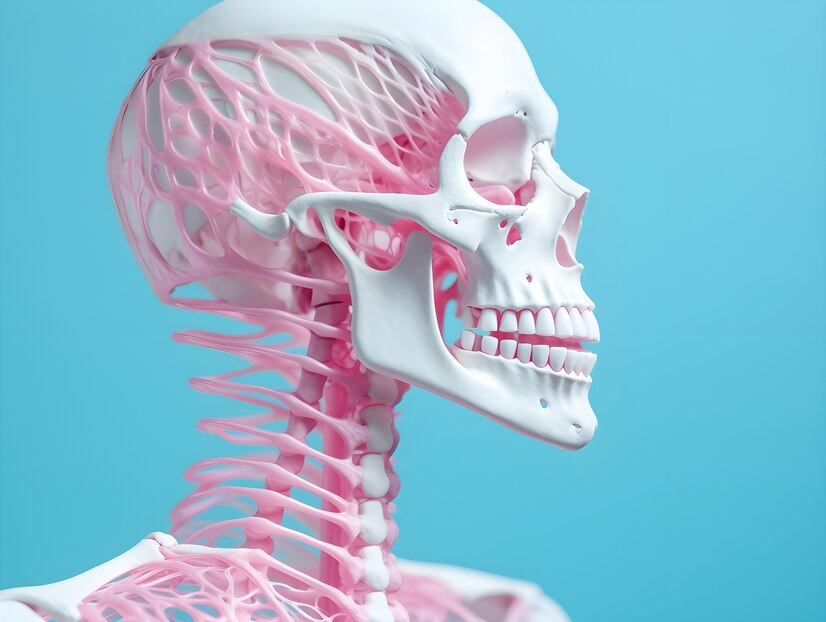


The nose is supported by a combination of bone and cartilage that gives it shape and helps maintain an open passage for breathing. The two nasal bones form the upper part of the nose, commonly known as the nasal bridge. Because these bones are relatively small and exposed, a direct impact to the face can cause them to crack or break. This injury is called a nasal bone fracture, or a broken nose.
Nasal bone fractures can occur after falls, sports injuries, physical assaults, and road traffic accidents. Depending on the force and direction of the impact, the injury may cause pain, swelling, nosebleeds, changes in the shape of the nose, or difficulty breathing. Some fractures heal without surgery, while others require medical treatment to restore the position of the bones or address damage to the nasal septum.
This guide explains nasal bone anatomy, common fracture symptoms and causes, diagnostic methods, and available treatment options.
Nasal Bone Anatomy
The nose has an external structure and an internal nasal cavity. Its framework consists of bones and cartilage, which work together to support the shape of the nose, separate the nasal passages, and allow air to flow toward the respiratory tract.
External Nose
The external nose is made up of an upper bony section and a lower cartilaginous section. The two nasal bones lie next to each other in the upper part of the nose and meet along the midline to form the nasal bridge. They connect with neighboring facial bones, including the frontal bone and the frontal processes of the maxilla, to support the upper nasal structure.
Below the nasal bones, cartilage forms much of the framework of the nose. The upper lateral cartilages support the middle portion, while the lower lateral cartilages help shape the nasal tip and nostrils. These structures contribute to the nose's appearance and help maintain the nasal airway.
Nasal Cavity
The nasal cavity is the internal space behind the nostrils. It consists of two passages separated by the nasal septum, a structure made of cartilage at the front and bone toward the back. The septum helps support the nose and directs airflow through both sides of the nasal cavity.
The lateral walls of the nasal cavity contain three curved structures called nasal conchae, or turbinates: the superior, middle, and inferior nasal conchae. These structures increase the surface area inside the nose and help warm, humidify, and filter inhaled air.
The nasal bones form only part of the external nasal framework. They do not make up the entire nasal cavity or provide the main support for the nasal septum. Injuries involving the nasal bones may also affect nearby cartilage, the septum, or other facial structures, depending on the severity of the impact.
What Is a Nasal Bone Fracture?
A nasal bone fracture occurs when one or both nasal bones crack or break following an impact. It is among the most common types of facial fractures because the nose projects outward from the face and is vulnerable to injury.
The severity of a fracture varies. A minor injury may cause tenderness and swelling without changing the position of the nasal bones. A more significant impact can displace the bones, alter the shape of the nose, damage the nasal septum, or cause injuries to surrounding facial structures.
Children and adults can both experience nasal fractures. Children's nasal structures contain a greater proportion of cartilage, and their bones are still developing. This can affect the pattern of injury and makes careful assessment particularly important.
Common Causes of Nasal Bone Fractures
A direct blow to the nose is the most common cause of a nasal bone fracture. The injury may occur during everyday activities or high-impact incidents.
Common causes include:
Sports injuries: Contact sports, such as football, basketball, boxing, and martial arts, can expose the nose to direct impacts.
Falls: Falling forward or striking the face against a hard surface can fracture the nasal bones.
Road traffic accidents: Impacts involving a steering wheel, dashboard, or other surfaces may cause nasal and additional facial injuries.
Physical assaults: Punches or other direct blows to the nose can cause fractures and damage to the surrounding tissues.
Accidental impacts: Collisions with objects, people, or equipment may injure the nasal bones.
The force of the impact, the direction of the blow, and the patient's anatomy all influence the type and severity of the fracture.
Nasal Bone Fracture Symptoms
Symptoms of a nasal bone fracture may appear immediately after an injury or become more noticeable as swelling develops. Although some symptoms are similar to those of a soft-tissue injury, changes in nasal shape or persistent breathing difficulties may indicate damage to the underlying structures.
Common symptoms include:
Pain and tenderness when touching the nose
Swelling around the nose and nasal bridge
Nosebleeds
Bruising around the nose or under the eyes
A crooked, flattened, or otherwise altered nasal shape
Difficulty breathing through one or both nostrils
Nasal congestion or a blocked sensation
Discomfort when moving or touching the nose
Not every broken nose causes an obvious deformity. A fracture may be present even when the external shape of the nose appears relatively unchanged.
When Does a Broken Nose Require Urgent Medical Attention?
Some symptoms after a nasal injury may indicate a more serious problem and require immediate medical assessment. One important complication is a septal hematoma, which occurs when blood collects between the cartilage or bone of the nasal septum and its surrounding tissue. Without prompt drainage, the accumulated blood can damage the cartilage and lead to a septal perforation or permanent deformity.
Seek urgent medical attention if you experience:
Persistent or heavy bleeding: Nosebleeds that do not stop with appropriate first aid may require medical treatment.
A septal hematoma: A painful swelling inside the nose, particularly when accompanied by increasing nasal blockage, needs urgent examination.
Clear, watery fluid from the nose: Following significant facial trauma, this may indicate a cerebrospinal fluid (CSF) leak and requires emergency assessment.
Severe headache or neurological symptoms: Confusion, loss of consciousness, vomiting, vision changes, or unusual drowsiness may indicate a more serious head injury.
Severe facial pain or deformity: These symptoms may suggest additional fractures involving the surrounding facial bones.
A nasal fracture can occur alongside injuries to the eye sockets, cheekbones, or other facial structures. A healthcare professional should assess significant facial trauma rather than assuming that the nasal bones are the only structures affected.
How Is a Nasal Bone Fracture Diagnosed?
A nasal bone fracture is usually diagnosed through a physical examination and an assessment of the patient's symptoms and injury history. The healthcare professional asks how the injury occurred, when it happened, and whether the patient has experienced nosebleeds, breathing difficulties, or changes in nasal appearance.
During the examination, the doctor checks for tenderness, swelling, bruising, deformity, and signs of injury inside the nose. The nasal septum is examined carefully to identify a possible hematoma, which requires urgent treatment.
Imaging is not always necessary for an isolated nasal fracture because the diagnosis can often be made through clinical examination. However, additional tests may be recommended when the injury is severe or when other facial structures may be involved.
X-ray: Nasal bone X-rays may sometimes be used to assess a suspected fracture, although they are not routinely required and may not change treatment decisions.
Computed tomography (CT): A CT scan provides detailed images of the facial bones and may be recommended when the doctor suspects complex facial fractures or injuries involving surrounding structures.
Additional examinations: Depending on the symptoms, an Ear, Nose, and Throat (ENT) specialist may assess nasal airflow, the septum, and other internal structures.
The timing of the examination is also important. Swelling can make it difficult to determine whether the nasal bones have shifted. If there are no urgent complications, the doctor may arrange a follow-up examination after the swelling has decreased to assess whether realignment is needed.
Nasal Bone Fracture Treatment
Treatment for a nasal bone fracture depends on the severity of the injury, whether the bones have moved out of position, and whether the patient has breathing difficulties or associated complications. A minor fracture without deformity or functional problems may heal without surgery. Displaced fractures may require realignment, while more complex injuries can need surgical treatment.
Ice Packs and Pain Relief
Minor nasal injuries may be managed with conservative treatment when there is no significant displacement or associated complication. Applying a cold compress or ice pack wrapped in a cloth can help reduce swelling and discomfort. It should be applied gently rather than pressed against the nose.
The doctor may also recommend appropriate pain relief medication. Patients should avoid taking medication that may increase bleeding risk unless advised by a healthcare professional. Keeping the head elevated and avoiding further impact to the nose can also support recovery.
Manual Realignment (Closed Reduction)
When a nasal fracture causes the bones to shift out of position, the doctor may recommend a procedure called closed reduction. This involves repositioning the displaced bones without making an external surgical incision.
The procedure is generally performed after the initial swelling has decreased enough for the doctor to assess the nasal structure accurately. Local or general anesthesia may be used, depending on the patient's age, the extent of the injury, and the planned procedure.
The doctor gently moves the displaced nasal bones back into a more appropriate position. A nasal splint may then be applied to help protect and support the nose while it heals. In some cases, internal support may also be required.
Closed reduction is usually performed within approximately two weeks of the injury in adults, before the bones become firmly fixed in their displaced position. Children may need earlier assessment and treatment because their bones can heal more quickly.
Septal Hematoma Drainage
A septal hematoma is a collection of blood within the nasal septum following an injury. It can cause swelling inside the nose and block airflow. Because the accumulated blood can interrupt the blood supply to the septal cartilage, it requires urgent treatment.
The doctor drains the collected blood through a small incision and may place temporary internal packing or another form of support to prevent blood from accumulating again. Antibiotics may also be prescribed when clinically indicated. Prompt treatment helps reduce the risk of cartilage damage, infection, and permanent septal deformity.
Nasal Surgery for Nasal Bone Fractures
Some nasal fractures cannot be adequately treated with closed reduction. Severe injuries, significant displacement, persistent nasal obstruction, or damage to the septum may require surgery. The appropriate procedure depends on the structures affected and whether the injury has changed the external shape of the nose, disrupted the nasal septum, or impaired breathing.
The following procedures may be considered depending on the patient's condition:
| Procedure | Main purpose | When it may be recommended |
|---|---|---|
| Septoplasty | Corrects the position of the nasal septum to improve airflow | When an injury causes septal deviation or persistent nasal obstruction |
| Rhinoplasty | Reshapes the nasal bone and cartilage to correct external deformities or structural problems | When a fracture causes changes in the external shape or structure of the nose |
| Septorhinoplasty | Addresses both internal septal problems and external nasal deformities | When an injury affects the nasal septum and the external nasal structure |
Septoplasty
Septoplasty is a surgical procedure that corrects a deviated nasal septum. It involves repositioning or reshaping the septal cartilage and bone to improve the internal structure of the nose and support airflow. It may be considered when a nasal injury causes persistent septal deviation or obstruction. Septoplasty does not primarily change the external appearance of the nose.
Rhinoplasty
Rhinoplasty changes the shape or structure of the nose by modifying its bone, cartilage, or both. It may be considered when a fracture causes persistent external deformity or when structural changes need to be addressed. Depending on the injury, rhinoplasty may be performed for functional reasons, aesthetic reasons, or both.
Septorhinoplasty
When an injury affects both the nasal septum and the external nasal structure, a combined procedure called septorhinoplasty may be appropriate. It addresses internal structural problems and external nasal deformity during the same operation when clinically suitable.
The timing of surgery depends on the nature of the injury. Initial treatment may focus on stabilizing the fracture and addressing urgent complications, while more extensive corrective surgery may be planned after the tissues have healed.
Nasal Bone Fracture Recovery
Recovery from a nasal bone fracture depends on the severity of the injury and the treatment performed. Minor fractures may heal without surgery, while fractures requiring realignment or surgical correction need additional follow-up.
The nasal bones generally take around six weeks to heal, although swelling and tenderness may persist for longer. Recovery after surgery can vary according to the procedure and the extent of the injury.
During recovery, patients may be advised to:
Protect the nose: Avoid contact sports, strenuous activities that could cause another injury, and situations where the nose may be struck.
Avoid blowing the nose: Blowing the nose can increase pressure and discomfort, particularly during the early healing period. Follow the doctor's instructions about when it is safe to resume.
Keep the head elevated: Sleeping with the head slightly raised may help reduce swelling.
Follow medication instructions: Use prescribed medication as directed and ask the doctor before taking additional medicines.
Attend follow-up appointments: Medical examinations help monitor bone alignment, healing, breathing, and possible complications.
Patients should not attempt to straighten or manipulate a broken nose themselves. If breathing difficulties, increasing pain, fever, persistent bleeding, or other concerning symptoms develop during recovery, they should seek medical assessment.
Nasal Bone Fracture Treatment at Medical Park
Medical Park's Ear, Nose, and Throat (ENT) and Plastic Surgery departments evaluate nasal injuries and determine the appropriate treatment based on the extent of the fracture and its effects on nasal structure and breathing. ENT specialists assess the nasal cavity, septum, and airway to identify problems such as septal deviation or obstruction. When a fracture causes external deformity or requires surgical correction, plastic surgeons may also be involved in evaluating the nasal structure and planning treatment.
Depending on the injury, treatment may involve conservative care, closed reduction, septal hematoma drainage, septoplasty, rhinoplasty, or septorhinoplasty. The recommended approach depends on the patient's examination findings, the timing of the injury, and whether the fracture has affected only the nasal bones or also the surrounding cartilage and facial structures. Patients are informed about the proposed procedure, expected recovery, potential complications, and the need for follow-up before treatment begins.
For international patients seeking nasal bone fracture treatment in Turkey, Medical Park's International Patient Services Center helps coordinate communication with the hospital and care team, as well as the practical arrangements involved in planning treatment. Follow-up requirements and recovery considerations are also important parts of treatment planning, particularly for patients traveling from abroad.







 Makaleye Dön
 E-Result
 WhatsApp