


 TR
 EN
 RU
 AR
 FR




Neuroplasticity — the brain's ability to change its structure, organisation, and function in response to experience, learning, injury, and rehabilitation — is one of the most significant discoveries in modern neuroscience. Far from being a fixed, hardwired organ, the brain is continuously rewiring the brain's own architecture throughout life, forming new connections, strengthening existing neural pathways, and reorganising how functions are distributed across its surface in response to what it is asked to do.
Understanding how neuroplasticity works — and how it can be deliberately harnessed — is essential to understanding how the brain recovers after stroke, brain injury, and neurological disease, and what rehabilitation can and cannot achieve.
What Is Neuroplasticity?
Neuroplasticity — also called brain plasticity, neural plasticity, or cortical plasticity — refers to the nervous system's capacity to modify its structure and function in response to experience, injury, learning, and rehabilitation. The neuroplasticity definition is broad, encompassing changes that occur at the level of individual synaptic connections as well as larger-scale changes across brain regions.
The neuroplastic brain is therefore not a static system. It continuously adapts throughout life in response to new experiences, acquired skills, neurological injury, and therapeutic activities.
Neuroplasticity can broadly be understood through two complementary forms:
- Structural plasticity: involves physical changes in the brain's structure, including the formation of new synaptic connections between neurons, strengthening or pruning of existing connections, and, in certain regions, the generation of new neurons through neurogenesis.
- Functional plasticity: involves changes in how existing neural circuits are used. For example, one brain region may contribute to functions previously performed by a damaged area, or cortical representations may expand or contract depending on how frequently they are used.
These processes can occur simultaneously. When the brain is repeatedly challenged by learning, physical activity, injury, or rehabilitation, neural networks can adapt to meet the demands placed upon them.
The Difference Between Neuroplasticity and Neurogenesis
Neuroplasticity is the broader process through which the brain changes and adapts by modifying neural connections, reorganizing functions, and, in certain areas, producing new neurons. Neurogenesis specifically refers to the formation of new neurons. In other words, neurogenesis is one component of structural plasticity, while neuroplasticity also includes strengthening existing connections, forming new synaptic connections, and reorganizing how different brain regions contribute to a function.
How Neuroplasticity Works
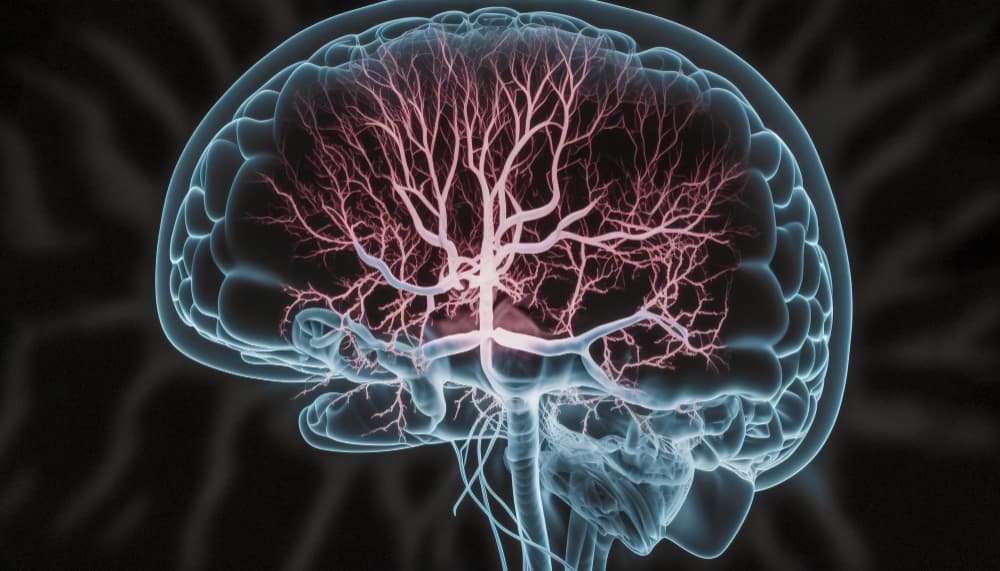
The mechanisms of neuroplasticity operate at every level of the nervous system. At the cellular level, synaptic plasticity — the strengthening or weakening of connections between individual neurons — is the most fundamental process. When two neurons are repeatedly activated in close sequence, the connection between them is strengthened through a process called long-term potentiation. Connections that go unused weaken over time through long-term depression. This activity-dependent modulation of synaptic strength is the molecular basis of learning, memory, and the functional reorganisation that underlies neuroplasticity and rehabilitation across all clinical contexts.
At a broader scale, neuronal plasticity and cortical plasticity allow the brain to redistribute function across its surface in response to injury or intensive practice. Neural adaptation of this kind is visible in brain imaging studies: after a stroke, surviving neurons adjacent to the damaged area gradually assume roles previously performed by lost tissue; after intensive motor training, the cortical representation of the practised movement expands. The neural pathways through which movement, language, and cognition are organised are not fixed — they are constantly being shaped by experience, and this shaping is what rehabilitation exploits.
Brain rewiring of this kind is not metaphorical; it reflects measurable structural and functional changes in the brain's architecture.
Neuroplasticity After Stroke
Brain recovery after an ischemic or hemorrhagic stroke is the most clinically important application of neuroplasticity in adult neurology. When a stroke damages a region of the brain, the functions that region performed are disrupted — sometimes catastrophically and suddenly. What determines how much of that function returns is not only the extent of the initial damage but the degree to which surviving tissue can be recruited, trained, and reorganised to assume the lost roles. This adaptive neuroplasticity is what neuroplasticity in stroke rehabilitation is designed to systematically drive.
The window for neuroplasticity after stroke is most permissive in the first days to weeks following the event, when the brain enters a state of heightened molecular readiness for change. Early mobilisation, early speech therapy, and early cognitive engagement are prioritised in every evidence-based acute stroke protocol precisely because they capitalise on this window.
Neuroplasticity in stroke rehabilitation does not end after this early phase, however — meaningful neural adaptation continues for months and years in patients who maintain consistent, intensive rehabilitation. The key factors that determine the extent of brain recovery after stroke are:
- Timing of rehabilitation onset: Earlier initiation consistently produces better outcomes, capturing the period of greatest neuroplastic readiness before the heightened plasticity window narrows
- Intensity and repetition: The volume of task-specific practice performed is one of the strongest predictors of motor recovery and cognitive recovery — neurons that fire together wire together
- Task specificity: The brain reorganises most effectively in response to practice of the specific function being recovered, rather than generalised exercise that does not replicate the target task
- Consistency over time: Neuroplastic gains consolidate with sustained practice and regress without it, making long-term rehabilitation engagement essential
Neuroplasticity exercises after stroke are built around these principles — high-repetition, progressively challenging, functional movements and cognitive tasks that generate the sustained neural activity required to drive synaptic change and cortical reorganisation.
Neuroplasticity After Traumatic Brain Injury
Neuroplasticity after brain injury follows the same fundamental mechanisms as post-stroke recovery, but the clinical picture differs based on the nature of the injury. Traumatic brain injury typically involves diffuse disruption of neural pathways across multiple networks rather than the focal damage pattern of most strokes, and the inflammatory and metabolic cascades that follow differ in their trajectory.
As in stroke, the early post-injury period represents the most permissive window for neural adaptation, and early initiation of rehabilitation — cognitive, motor, and communicative — is consistently associated with better outcomes.
The brain rewiring achievable after traumatic brain injury can be guided and accelerated by structured rehabilitation, and the principles governing stroke rehabilitation apply equally here.
Neuroplasticity and Other Neurological Conditions
Neuroplasticity is clinically relevant across many neurological conditions beyond stroke and traumatic brain injury. The brain's capacity for neural adaptation can influence how people respond to neurological damage and how effectively rehabilitation supports functional recovery. The role of neuroplasticity varies considerably depending on the condition, the location and extent of neurological damage, and the individual's age and overall health.
- Spinal cord injury: Although the spinal cord has limited regenerative capacity, treatment for spinal cord injury may initially involve stabilization, decompression, or spine surgery when appropriate, followed by a prolonged period of rehabilitation. During later recovery, neuroplasticity allows the brain and surviving neural circuits above and around the injury to adapt and potentially support the recovery of remaining functions. Rehabilitation approaches such as body-weight-supported treadmill training and functional electrical stimulation can help reinforce these adaptations, while emerging technologies such as brain-computer interfaces are being investigated to further support functional recovery.
- Cerebral palsy: Cerebral palsy results from injury or abnormal development of the developing brain, and neuroplasticity plays an important role in rehabilitation. Early, individualized interventions may use intensive motor training, constraint-induced movement therapy, and other approaches to encourage the development and refinement of movement skills. The potential for adaptation is particularly important during childhood, although rehabilitation can remain beneficial throughout life.
- Parkinson's disease: Changes in the brain's motor circuits are a central feature of Parkinson's disease. Exercise and structured rehabilitation, including aerobic and task-specific training, can support motor learning and help patients maintain mobility, balance, and functional abilities. Neuroplasticity-based rehabilitation complements medical treatment but does not reverse the underlying neurodegenerative process.
- Multiple sclerosis: Multiple sclerosis can damage myelin and neural pathways in different areas of the central nervous system. The brain may compensate for some of this damage by reorganizing neural networks and recruiting alternative pathways. Rehabilitation can support this adaptive process while addressing mobility, coordination, fatigue, and cognitive difficulties.
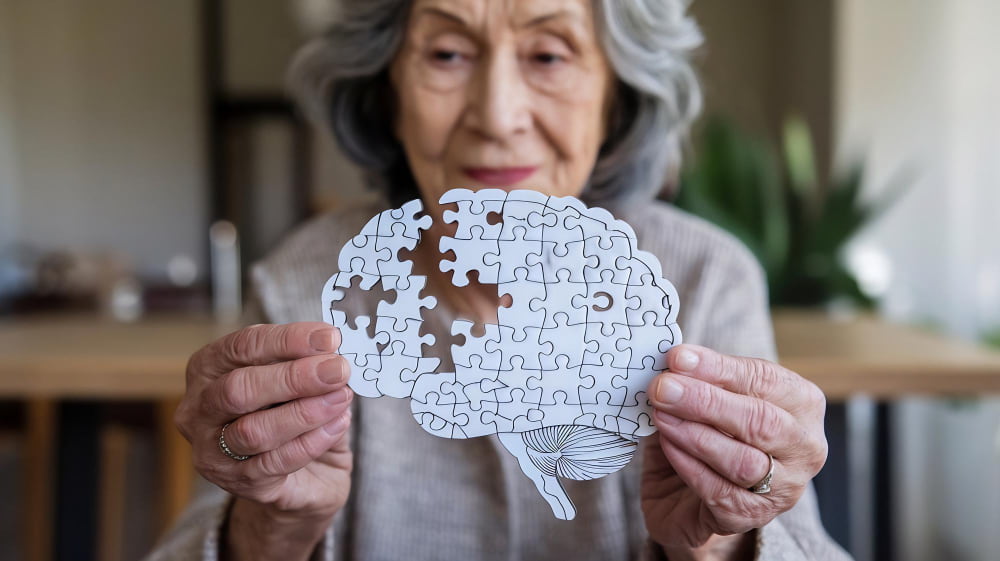
- Alzheimer's disease and dementia: The relationship between neuroplasticity, Alzheimer's disease, and dementia is complex. Cognitive reserve — influenced by factors such as lifelong learning, education, cognitive activity, and social engagement — may help the brain cope with some age-related or disease-related changes. However, neuroplasticity does not prevent, cure, or reverse Alzheimer's disease or other forms of dementia.
Neuroplasticity Exercises and Ways to Enhance Brain's Plasticity
Neuroplasticity exercises are structured activities that place the nervous system under a sustained demand just beyond its current capacity — the precise condition that drives synaptic strengthening and cortical reorganisation. In the rehabilitation context this means the task-specific, repetitive, progressively challenging practice delivered across physiotherapy, occupational therapy, speech therapy, and cognitive rehabilitation. For healthy individuals seeking to maintain the brain's ability to change across the lifespan, several approaches have robust evidence as the most effective ways to enhance brain's plasticity:
- Aerobic physical exercise: Promotes the release of brain-derived neurotrophic factor (BDNF), a protein critical for synaptic growth and maintenance, and is associated with increased hippocampal volume and better memory function
- Skill learning: Acquiring a new language, musical instrument, or complex motor task drives cortical reorganisation in the relevant sensory and motor areas and strengthens the associative networks involved
- Cognitive challenge: Engaging with novel, demanding mental tasks — problem-solving, strategic games, learning new domains — maintains synaptic density in the frontal and parietal networks most vulnerable to age-related decline
- Social engagement: Sustained social interaction activates a wide range of cognitive and emotional networks and is independently associated with preserved cognitive function and delayed dementia onset
- Sleep: The consolidation of synaptic changes produced during waking practice occurs primarily during sleep; chronic sleep disruption measurably impairs neuroplastic processes
- Stress management: Chronic psychological stress elevates cortisol levels that directly suppress synaptic plasticity in the hippocampus and prefrontal cortex, making stress regulation an active neuroplasticity strategy
In the clinical rehabilitation context, technology-assisted approaches amplify the effects of standard neuroplasticity exercises. Robot-assisted therapy delivers repetition volumes at a scale that therapist-delivered practice cannot match. Non-invasive brain stimulation — transcranial magnetic stimulation and transcranial direct current stimulation — can modulate cortical excitability to enhance the plasticity window during therapy sessions. Brain-computer interface systems close the loop between motor intention and peripheral action, enabling active motor training even in patients with minimal residual movement.
Neuroplasticity and Neurological Rehabilitation at Medical Park
At Medical Park Hospitals in Turkey, Neurology specialists work closely with Physical Therapy and Rehabilitation specialists and other relevant disciplines to provide comprehensive neurological rehabilitation tailored to each patient's condition and recovery goals. This multidisciplinary approach supports patients recovering from stroke, traumatic brain injury, spinal cord injury, multiple sclerosis, Parkinson's disease, cerebral palsy, and other neurological conditions.
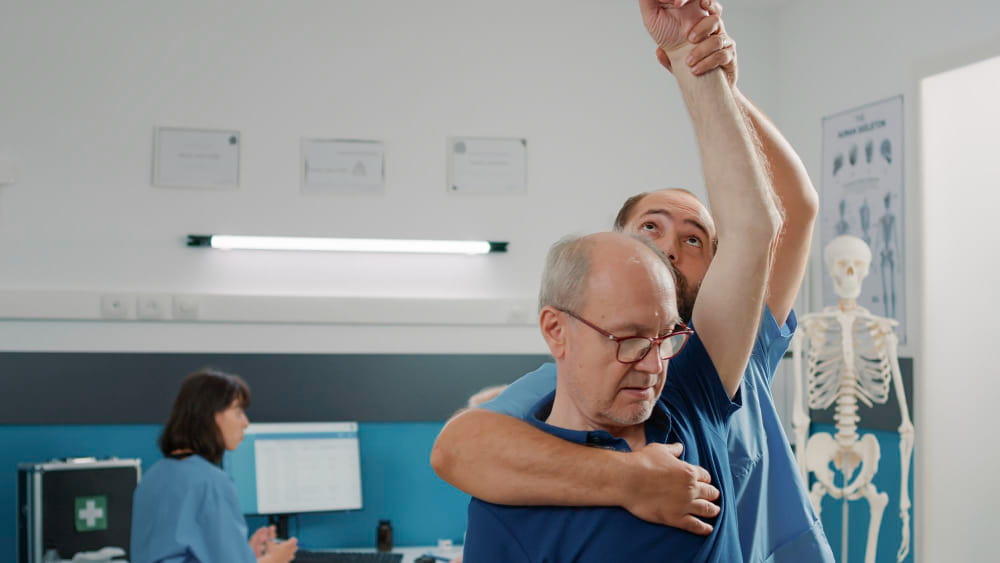
Rehabilitation programs are tailored to each patient's condition and functional goals, with an emphasis on task-specific practice, repetition, progressive challenges, and active participation to encourage useful neural adaptation. Depending on the diagnosis and individual needs, treatment may also incorporate robot-assisted rehabilitation, functional electrical stimulation, cognitive rehabilitation, language and speech therapy, and psychological support such as cognitive behavioral therapy. For selected neurological conditions, advanced treatments such as deep brain stimulation may also form part of a broader treatment plan alongside rehabilitation.
For patients recovering from stroke, Medical Park's Stroke Center units provide specialized evaluation and treatment alongside rehabilitation services designed to support recovery at different stages. For international patients seeking neurological rehabilitation in Turkey, Medical Park coordinates the treatment journey from initial assessment and rehabilitation planning through inpatient care and follow-up. By combining multidisciplinary rehabilitation with individualized treatment goals, the aim is to help patients make the most of the nervous system's capacity for adaptation and achieve meaningful improvements in mobility, communication, cognition, and independence.




 Makaleye Dön
 E-Result
 WhatsApp