


 TR
 EN
 RU
 AR
 FR


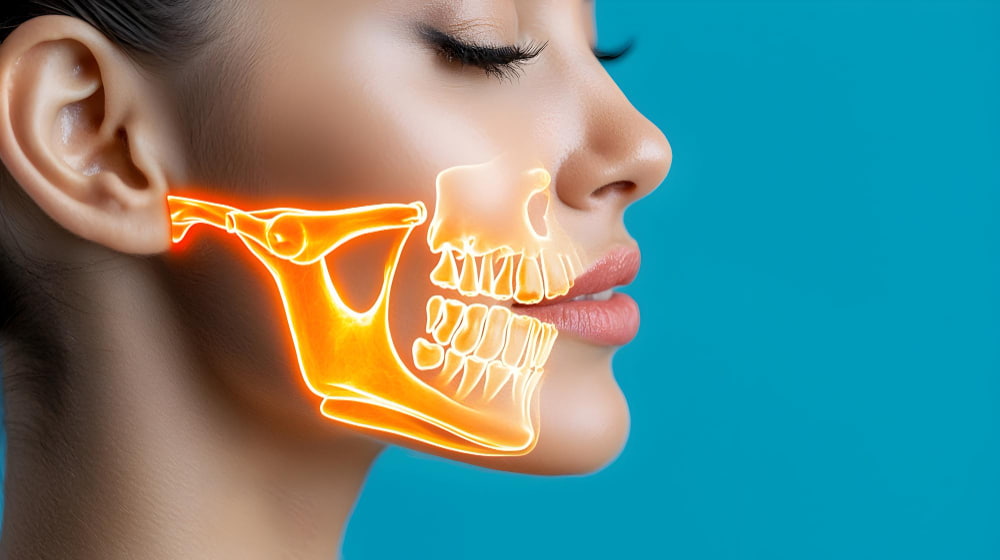

Orthognathic surgery, also known as corrective jaw surgery, corrects the position of the upper jaw, lower jaw, or both when braces alone cannot resolve a skeletal bite problem. By bringing the jaws into better alignment, the procedure can improve chewing and speech, support facial balance, and help address breathing problems in selected patients.
The procedure is usually part of a longer orthodontic treatment plan. Braces are typically used before surgery to prepare the teeth and remain in place afterward while the bite is fine-tuned. Depending on the patient’s needs, treatment may also include genioplasty to correct the chin or SARPE to widen a narrow upper jaw.
This guide covers the types of orthognathic surgery, how treatment is planned and performed, what recovery involves, and the main risks and cost considerations.
What Is Orthognathic Surgery?
Orthognathic surgery corrects problems caused by the position, size, or shape of the jawbones. It may be recommended when the upper and lower jaws have developed out of balance, creating a bite that braces alone cannot correct.
This type of bite problem is called a skeletal malocclusion. Malocclusion means that the upper and lower teeth do not meet correctly when the mouth is closed. When the teeth are misaligned because the jawbones themselves are too far forward, too far back, too narrow, or uneven, orthodontic treatment may not be enough to correct the bite.
Braces can move the teeth within the jawbone, but they cannot reposition a fully developed upper or lower jaw. As a result, patients with a significant skeletal overbite, underbite, open bite, crossbite, or facial asymmetry may need surgery as well as orthodontic treatment.
During orthognathic jaw surgery, the surgeon makes controlled cuts in the jawbone, known as osteotomies. The jaw segments are then moved into a more suitable position and secured with small plates and screws while the bone heals.
The purpose of the operation is to create a better relationship between the jaws and teeth. Depending on the patient’s condition, this may help to:
Establish a more stable and functional bite
Improve chewing and biting
Reduce uneven pressure on the teeth and jaw joints
Improve speech affected by jaw position
Correct facial asymmetry or disproportion
Improve lip closure and facial muscle balance
Support the airway in selected patients with jaw-related breathing problems
The procedure can also change the facial profile because the position of the jawbones affects the appearance of the lower face. However, orthognathic surgery is primarily performed to improve jaw function and correct the underlying skeletal problem, even when the aesthetic changes are also significant.
For patients who are also considering facial aesthetic procedures, options such as bichectomy (buccal fat removal), facelift, and neck lift surgery may be evaluated separately according to their individual facial proportions and aesthetic goals.
Who Needs Orthognathic Surgery?
Orthognathic surgery may be recommended when the relationship between the jaws creates functional problems or cannot be corrected predictably with braces or clear aligners. Patients are usually assessed jointly by an orthodontist and an oral and maxillofacial surgeon.
The appropriate orthognathic surgery age depends on the completion of jaw growth rather than on a fixed age limit. Treatment is generally planned after skeletal growth has finished, although the timing varies between individuals.
The assessment may include:
Clinical examination of the teeth, jaws, and facial proportions
Dental photographs and impressions or digital scans
Panoramic and cephalometric X-rays
Three-dimensional imaging
Evaluation of chewing, speech, lip closure, and breathing
Review of previous orthodontic treatment
Surgery is not recommended solely because the teeth appear irregular. The team must determine whether the underlying problem is skeletal, whether orthodontics alone can provide a stable result, and whether the expected benefits outweigh the risks.
Severe Skeletal Overbite and Other Bite Problems
A severe skeletal overbite develops when the upper and lower jaws have an abnormal vertical or horizontal relationship. For example, the lower jaw may be positioned too far back, the upper jaw may be too far forward, or both jaws may contribute to the excessive overlap of the teeth.
Braces can change the position of the teeth and may reduce the appearance of an overbite. However, they cannot correct a major discrepancy between the jawbones. When the underlying problem is skeletal, orthodontic camouflage may not provide the required function or long-term stability.
Orthognathic surgery may also be considered for:
Underbite: The lower teeth extend in front of the upper teeth because of the position of the lower jaw, upper jaw, or both
Crossbite: The upper and lower teeth do not fit correctly from side to side because of a difference in jaw width or position
Open bite: Some teeth do not meet when the mouth is closed
Deep bite: The upper front teeth cover the lower front teeth excessively
Severe dental arch discrepancy: The upper and lower arches do not match despite appropriate orthodontic treatment
Underbite surgery and overbite surgery do not involve the same procedure in every patient. Depending on the cause of the malocclusion, treatment may involve the upper jaw, lower jaw, or both jaws.
Facial Asymmetry and Functional Issues
Facial asymmetry may result from unequal growth or an abnormal position of one or both jaws. The chin, dental midline, and lower facial structures may shift toward one side, creating an uneven appearance and an unbalanced bite.
Facial asymmetry surgery may involve repositioning the upper jaw, lower jaw, or both. In some cases, genioplasty is added to improve the position of the chin after the jaws have been corrected.
Orthognathic surgery may also be considered for functional problems such as:
Difficulty biting or chewing
Excessive wear of the teeth
Difficulty closing the lips comfortably
Speech problems related to the bite
Jaw muscle strain or fatigue
A bite that places excessive pressure on specific teeth
Breathing problems associated with jaw position
Jaw surgery for sleep apnea may be considered in selected patients when the position of the jaws contributes to airway obstruction. A complete assessment is necessary to determine whether jaw advancement is appropriate and whether additional treatments are required.
Types of Orthognathic Surgery
Orthognathic procedures are classified according to the jaw involved. Surgery may be performed on the upper jaw, lower jaw, or both jaws during the same operation.
Maxillary Osteotomy: Upper Jaw Surgery
A maxillary osteotomy is performed to reposition the upper jaw. The most common technique is a Le Fort 1 osteotomy, which allows the surgeon to move the upper jaw forward, backward, upward, downward, or through a controlled rotation.
Upper jaw surgery may be recommended for patients with:
An underdeveloped or retruded upper jaw
A crossbite caused by the position of the upper jaw
An anterior open bite
Excessive vertical growth of the upper jaw
A gummy smile related to skeletal position
A tilted or uneven upper dental plane
A significant discrepancy between the upper and lower jaws
The planned movement is determined through orthodontic records, three-dimensional imaging, and facial analysis. Once the upper jaw has been repositioned, small plates and screws are used to stabilize the bone during healing.
A maxillary osteotomy primarily changes the position of the upper jaw. It should be distinguished from SARPE, which is intended to widen a narrow upper jaw.
Mandibular Osteotomy: Lower Jaw Surgery
A mandibular osteotomy is performed to reposition the lower jaw. The most common technique is the bilateral sagittal split osteotomy, or BSSO.
BSSO allows the surgeon to move the lower jaw forward or backward and to correct certain forms of asymmetry or rotation. The procedure may be used when the lower jaw is too far forward, too far back, or incorrectly positioned in relation to the upper jaw.
Mandibular osteotomy may be recommended for:
A lower jaw that causes an underbite
A retruded lower jaw
Significant lower facial asymmetry
A bite that cannot be corrected through upper jaw surgery alone
Functional problems caused by the position of the lower jaw
Important nerves pass through the lower jaw and provide sensation to the lower lip, chin, and gums. Temporary numbness is common after mandibular osteotomy. Sensation usually improves gradually, although recovery may be prolonged and, in some cases, incomplete.
Bimaxillary Osteotomy: Double Jaw Surgery
A bimaxillary osteotomy involves repositioning both the upper and lower jaws during one operation. It is also called double jaw orthognathic surgery or double jaw surgery.
Bimaxillary surgery is considered when correcting only one jaw would not provide a balanced bite or an appropriate facial relationship. Treating both jaws allows the surgeon to coordinate their position in three dimensions.
Double jaw surgery may be used for:
Severe skeletal overbite or underbite
Complex open bite
Major discrepancies between the upper and lower jaws
Significant facial asymmetry
Problems involving the vertical and horizontal position of the jaws
Selected patients with obstructive sleep apnea
Cases in which the bite and facial proportions cannot be corrected through single jaw surgery
The upper and lower jaws are repositioned according to a detailed surgical plan. The objective is to establish a stable bite while maintaining appropriate facial proportions and supporting jaw function.
Bimaxillary surgery is more extensive than single jaw surgery and may involve a longer operation and a more demanding recovery. However, double jaw surgery is not automatically required for every patient with a severe bite problem. The decision depends on the underlying skeletal relationships.
Genioplasty (Chin Surgery)
Genioplasty is a surgical procedure that changes the position or shape of the chin. It is separate from mandibular osteotomy, which repositions the lower jaw to correct the bite.
A sliding genioplasty may move the chin forward, backward, upward, downward, or to one side. It may be performed together with mandibular or bimaxillary surgery when the chin is:
Receded
Excessively prominent
Asymmetrical
Too long or too short vertically
Disproportionate after jaw correction
Receding chin surgery can improve the balance of the lower face, but it does not correct the primary bite problem. Genioplasty is therefore planned as an additional procedure when the position of the chin requires separate correction.
In some patients, the chin becomes proportionate after the jaws are repositioned and no genioplasty is needed.
SARPE: Surgically Assisted Rapid Palatal Expansion
SARPE stands for surgically assisted rapid palatal expansion. It is used to widen a narrow upper jaw in skeletally mature patients when orthodontic expansion alone is unlikely to produce a stable result.
A narrow upper jaw may cause a posterior crossbite, dental crowding, or a significant difference between the widths of the upper and lower arches. During SARPE, the surgeon makes controlled surgical releases in the upper jaw. An orthodontic appliance then gradually expands the jaw over a planned period.
SARPE is related to orthognathic treatment but is distinct from a maxillary osteotomy.
A maxillary osteotomy mainly changes the forward, backward, vertical, or rotational position of the upper jaw
SARPE primarily increases the width of the upper jaw
SARPE may be performed as a separate procedure before orthognathic surgery when transverse expansion is required first. In other patients, the necessary width correction may be incorporated into a different upper-jaw procedure.
The decision depends on the width of the upper jaw, the severity of the crossbite, skeletal maturity, orthodontic requirements, and the overall surgical plan.
The Orthognathic Surgery Process
Orthognathic surgery is usually performed as one stage of a longer orthodontic-surgical treatment process. The main stages include orthodontic preparation, surgical planning, jaw surgery, postoperative healing, and orthodontic finishing.
The total treatment duration varies according to the severity of the malocclusion, the type of surgery, the orthodontic response, and the need for additional procedures.
Pre-Surgical Orthodontic Treatment
Orthodontic treatment before jaw surgery is used to align the teeth within each jaw and prepare them for the planned skeletal correction. Braces are usually required.
During this stage, the orthodontist does not attempt to disguise the jaw discrepancy. The teeth may temporarily appear less aligned because they are being positioned to match the planned movement of the jaws.
This phase is important because the surgeon must be able to reposition the jaws accurately and establish a stable bite. Orthodontic treatment before surgery may continue for many months, depending on the starting position of the teeth.
Surgical Planning
The orthodontist and surgeon plan the procedure together using dental records, photographs, X-rays, digital scans, and three-dimensional imaging. 3D jaw surgery planning allows the team to assess the relationship between the teeth, jawbones, facial structures, nerves, and airway.
The planning process determines:
Which jaw or jaws require surgery
The direction and amount of jaw movement
Whether genioplasty is appropriate
Whether SARPE is required
How the teeth should meet after surgery
How the planned movement may affect facial proportions
Whether additional medical or dental considerations need to be addressed
The treatment plan should also include a discussion of expected functional changes, facial changes, recovery, complications, orthodontic follow-up, and retention.
The Surgery Itself
Orthognathic surgery is performed under general anesthesia. Most incisions are made inside the mouth, which generally means that visible external scarring is limited.
The surgeon makes the planned osteotomies, repositions the bone segments, checks the bite, and secures the jaws with plates and screws. The braces remain in place and assist with positioning the jaws during the operation.
The length of surgery depends on whether one or both jaws are treated and whether procedures such as genioplasty are performed at the same time. A hospital stay is commonly required, with the duration depending on the procedure and the patient’s recovery.
Post-Surgical Orthodontics
Braces after jaw surgery are used to refine the bite and coordinate the teeth with the repositioned jaws. Elastics may be prescribed to guide the bite during the early healing period.
Orthodontic appointments generally resume after the initial healing period. The braces may remain in place for several months while the orthodontist makes final adjustments.
After the braces are removed, retainers are required to help maintain the result. Compliance with orthodontic and retention instructions is important for long-term stability.
Recovery from Orthognathic Surgery
Recovery from orthognathic surgery is gradual. Swelling, bruising, restricted mouth opening, numbness, fatigue, and difficulty eating are common during the early postoperative period.
Recovery varies according to the type of operation. Patients undergoing double jaw surgery may experience more swelling and require a longer recovery period than patients undergoing a less extensive single-jaw procedure.
Recovery Timeline
Swelling usually increases during the first two to three days after surgery before gradually decreasing. Bruising, nasal congestion following upper jaw surgery, and altered sensation may also occur.
A typical recovery pattern includes:
Hospital recovery: Monitoring, pain control, hydration, and gradual progression of food and fluids.
Early home recovery: Significant swelling, limited mouth opening, fatigue, and a liquid or soft diet.
Following weeks: Gradual improvement in swelling, speech, mouth opening, and energy levels.
Following months: Continued bone healing, orthodontic adjustments, improvement in facial definition, and gradual sensory recovery.
The time required to return to work depends on the type of surgery and the demands of the patient’s occupation. Some patients return to office-based work within several weeks, while physically demanding work may require a longer period of restriction.
Jaw bones continue to strengthen for several months after surgery. The visible swelling may improve considerably within the first few weeks, but subtle swelling and numbness can persist for longer.
Diet During Recovery
The jaw surgery diet is progressed gradually according to the surgeon’s instructions. Patients may begin with liquids and move to blended and soft foods as healing allows.
A liquid diet after jaw surgery may include:
High-protein drinks
Smoothies
Blended soups
Yogurt
Pureed meals
Nutritional supplements
As the mouth opens more comfortably, soft foods that require minimal chewing may be introduced. These may include scrambled eggs, pasta, mashed vegetables, soft rice, tender fish, and finely minced meals.
Hard, crunchy, sticky, and chewy foods should be avoided until the surgeon confirms that the jaws have healed sufficiently. Adequate fluid and protein intake supports recovery, while careful oral hygiene helps reduce the risk of infection.
Returning to Normal Activities
Light walking is generally encouraged during recovery. Strenuous exercise, heavy lifting, and contact sports should be avoided until the surgeon confirms that they are safe.
Patients may require assistance with transportation, food preparation, childcare, and household activities during the early recovery period. Driving should be avoided while taking sedating medication or when fatigue and restricted mouth opening could affect safety.
Risks of Orthognathic Surgery
Orthognathic surgery is a major procedure and carries potential risks. The individual risk profile depends on the surgical technique, the amount of jaw movement, the patient’s anatomy, general health, and compliance with postoperative care.
Possible orthognathic surgery risks include:
Infection
Bleeding
Anesthesia-related complications
Injury to teeth or tooth roots
Delayed bone healing
Problems involving plates or screws
Jaw stiffness
Temporomandibular joint symptoms
Changes in nasal shape or breathing after upper jaw surgery.
Temporary or permanent numbness
Relapse of the bite or jaw position
Nerve damage jaw surgery is a recognized concern, particularly during lower jaw procedures. The nerves supplying the lower lip, chin, and gums may be affected, causing altered sensation or numbness. Sensation often improves with time, but recovery may be incomplete.
Relapse after jaw surgery refers to movement away from the planned position. It may be influenced by the original jaw discrepancy, the direction and extent of movement, muscle forces, healing, orthodontic treatment, and retention.
Smoking and nicotine use can impair blood flow and delay healing. Patients should follow the surgeon’s instructions regarding smoking cessation before and after surgery.
Orthognathic Surgery Before and After
Orthognathic surgery before and after results should be assessed in relation to both function and appearance. Treatment may improve the bite, chewing, speech, lip closure, facial symmetry, and, in suitable cases, breathing.
Facial swelling can affect the appearance during the first weeks after surgery. The final facial result becomes clearer as swelling decreases and the soft tissues adapt to the new jaw position.
Before-and-after photographs can demonstrate the range of possible changes, but they cannot guarantee an identical result for another patient. Outcomes depend on the original skeletal problem, surgical movements, orthodontic treatment, soft-tissue response, and healing.
Orthognathic Surgery Cost
Orthognathic surgery cost depends on the complexity of the case and the duration of the complete treatment. The surgical fee represents only one part of the overall cost.
Factors that may affect the cost include:
Single jaw surgery or double jaw surgery
The need for genioplasty
The need for SARPE
The complexity of the jaw movements
Three-dimensional imaging and surgical planning
Anesthesia and operating room fees
Hospitalization and postoperative care
Orthodontic treatment before and after surgery
Retainers and follow-up appointments
Travel and accommodation for international patients
Double jaw surgery cost is generally higher than the cost of a single-jaw procedure because the operation and treatment planning are more extensive. However, cost comparisons are meaningful only when the services included in each treatment plan are clearly defined.
Cost Considerations for International Patients
Patients considering jaw surgery abroad should request a written cost breakdown before making a decision. The estimate should clarify whether it includes orthodontic treatment, imaging, surgery, anesthesia, hospital care, medication, follow-up, and retainers.
Orthodontic treatment may continue for an extended period after surgery. International patients should therefore establish how follow-up will be provided if they return home and whether their local orthodontist can continue the treatment.
The treatment plan should also explain the arrangements for postoperative reviews and the management of any unexpected problem. Comparing complete treatment pathways is more useful than comparing surgical prices alone.
Jaw Surgery and Orthodontic Treatment in Turkey
Jaw surgery in Turkey may be arranged as part of a coordinated orthodontic and surgical treatment plan. This is particularly important because corrective jaw treatment extends over a longer period and does not end when the patient leaves the hospital.
The process may begin with a remote consultation based on photographs, dental records, imaging, and previous orthodontic information. An in-person examination is then required to confirm the diagnosis and finalize the treatment plan.
Some international patients begin orthodontic treatment in Turkey, while others receive pre-surgical orthodontics in their home country and travel for the operation. The appropriate arrangement depends on the complexity of the case and the level of coordination between the orthodontist and surgeon.
Patients considering orthodontic treatment in Turkey should clarify:
Which orthodontist will manage the braces
Which oral and maxillofacial surgeon will perform the operation
Whether the pre-surgical orthodontic phase is included
How long the patient should remain in Turkey
When postoperative reviews will take place
How treatment will continue after returning home
What is included in the quoted cost
A coordinated team is essential for achieving a stable bite and maintaining continuity throughout the treatment.
Why Choose Medical Park for Jaw Surgery?
At Medical Park Hospitals in Turkey, orthognathic surgery is planned and performed according to each patient's jaw relationship, bite, facial structure, and functional needs. The treatment plan is developed by the relevant specialists, including oral, dental, and jaw surgeons and orthodontists, to determine the most appropriate surgical and orthodontic approach for the individual patient.
Depending on the underlying skeletal problem, treatment may involve maxillary or mandibular osteotomy, bimaxillary or double jaw surgery, genioplasty, or other procedures when clinically appropriate. Detailed examinations and imaging are used to plan the position of the jaws and coordinate the surgical stage with orthodontic treatment before and after surgery.
For international patients, Medical Park's International Patient Center helps coordinate consultations, examinations, treatment planning, hospital arrangements, and follow-up throughout the treatment process. This allows patients considering jaw surgery in Turkey to receive their surgical and orthodontic care within a coordinated treatment plan, with specialist follow-up as they progress through recovery and the remaining stages of treatment.
For more information about dental surgery options and treatment planning in Turkey for international patients, read our dedicated guide on dental surgery in Turkey.



 Makaleye Dön
 E-Result
 WhatsApp