


 TR
 EN
 RU
 AR
 FR


The thyroid gland may be small, but its influence over the body is enormous, and when it begins producing too much hormone, the consequences can ripple through virtually every system. Hyperthyroidism, or overactive thyroid, is a condition that affects millions of people worldwide, yet it is frequently misunderstood or mistaken for other health issues due to the broad and varied nature of its symptoms. Left undiagnosed or untreated, it can lead to serious complications involving the heart, bones, eyes, and more.
The good news is that with the right diagnosis and a treatment plan tailored to the individual, the vast majority of patients achieve excellent outcomes. This guide covers everything you need to know about hyperthyroidism from its earliest warning signs to its causes, diagnosis, treatment options, and long-term management.
What Is Hyperthyroidism?
Hyperthyroidism is a condition in which the thyroid gland produces an excessive amount of thyroid hormone. This hormonal overproduction accelerates many of the body's functions, leading to a wide range of physical and psychological symptoms. It affects approximately 1.2% of the population and is significantly more common in women than in men.
Understanding the Thyroid Gland and Its Function
The thyroid is a small, butterfly-shaped gland located at the front of the neck, just below the larynx. Despite its modest size, it plays a central role in regulating metabolism, heart rate, body temperature, energy levels, and the functioning of nearly every organ system. It produces two primary hormones — triiodothyronine (T3) and thyroxine (T4) — which are released into the bloodstream and controlled by thyroid-stimulating hormone (TSH) secreted by the pituitary gland. When the thyroid overproduces T3 and T4, the body's systems go into overdrive.
How Hyperthyroidism Affects the Body
Because thyroid hormones influence virtually every cell in the body, hyperthyroidism and metabolism are deeply intertwined. An excess of these hormones speeds up metabolic processes, placing sustained strain on the cardiovascular system, nervous system, muscles, and bones. Over time, this chronic over-stimulation can lead to serious complications if left unaddressed.
Recognizing Hyperthyroidism Symptoms
The symptoms of hyperthyroidism can appear gradually or come on suddenly, and they vary widely in severity. Recognizing them early is critical for timely diagnosis and treatment.
Common Early Signs
The most frequently reported hyperthyroidism symptoms include:
- Unexplained weight loss despite a normal or increased appetite
- Irregular or rapid heartbeat and palpitations
- Excessive sweating and heightened sensitivity to heat
- Increased nervousness, anxiety, or irritability
- Fine tremors in the hands and fingers
- Frequent bowel movements or diarrhea
- Persistent fatigue and muscle weakness
- Difficulty sleeping or insomnia
Hyperthyroidism and weight loss are particularly closely linked. The accelerated metabolism caused by excess thyroid hormone means the body burns calories at an unsustainable rate, often resulting in significant unintended weight reduction even when appetite is strong.
Less Common Symptoms
Some individuals also experience:
- Thinning hair or diffuse hair loss
- Changes in skin texture or appearance
- A visibly enlarged thyroid gland (goiter)
- Reduced or irregular menstrual flow in women
- Decreased libido and fertility difficulties
- Bulging, redness, or double vision in cases linked to Graves' disease — a condition known as hyperthyroidism eye disease or Graves' ophthalmopathy
Hyperthyroidism in Elderly Individuals: Unique Presentation
In older adults, hyperthyroidism often presents atypically. Rather than the classic signs of anxiety and hyperactivity, elderly patients may instead show depression, fatigue, unexplained weight loss, and heart rhythm disturbances. This so-called "apathetic hyperthyroidism" is frequently misdiagnosed or overlooked, making awareness of hyperthyroidism risk factors in aging populations particularly important.
Diagnosing Hyperthyroidism
Reaching an accurate hyperthyroidism diagnosis involves a combination of clinical evaluation and targeted testing.
Physical Examination and Medical History
A physician will begin with a thorough review of the patient's symptoms, personal and family medical history, and any medications or supplements being taken. During the physical exam, the doctor checks for a visible goiter, abnormal heart rhythms, tremors, and eye changes.
Blood Tests: TSH, T3, and T4 Levels
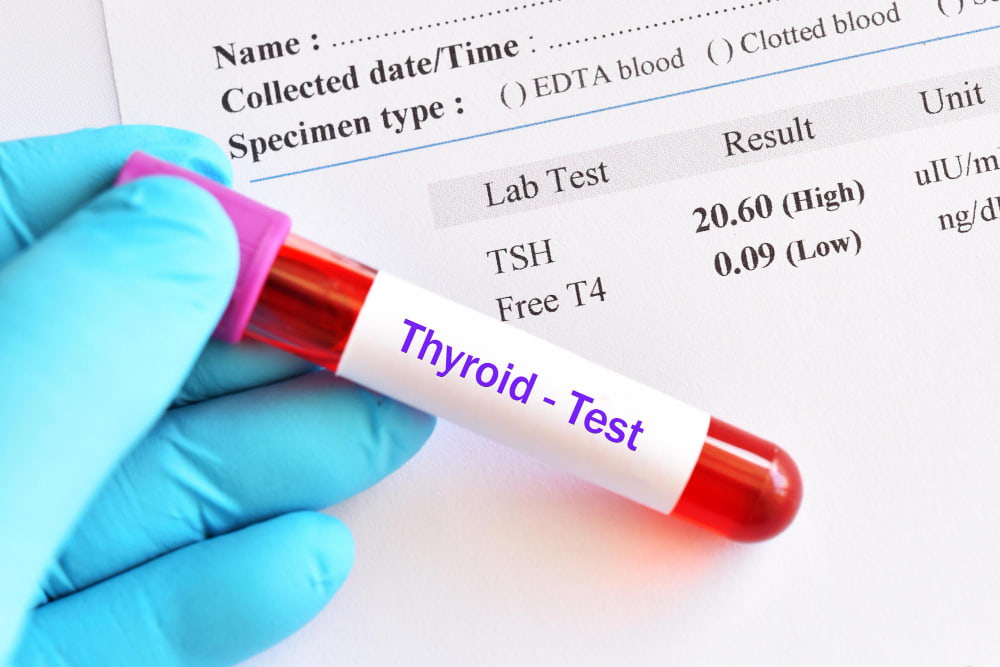
Blood tests are the primary tool for confirming hyperthyroidism. Key findings typically include:
- A suppressed TSH level — the most sensitive early indicator
- Elevated free T3 and/or free T4 levels
- The presence of thyroid-stimulating immunoglobulins (TSIs) when Graves' disease is suspected
Because the pituitary gland reduces TSH output when thyroid hormones are excessive, a very low TSH is usually the first measurable sign of the condition.
Imaging Tests: Thyroid Scan and Ultrasound
When blood tests confirm hyperthyroidism, imaging studies help identify the underlying cause. A radioactive iodine uptake scan assesses how actively the thyroid is absorbing iodine and indicates whether overactivity is diffuse or localized to specific nodules. A thyroid ultrasound provides detailed structural information about the gland and helps detect nodules or abnormalities requiring further investigation.
Exploring the Causes of Hyperthyroidism
Several distinct conditions can trigger the overproduction of thyroid hormones.
Graves' Disease: The Most Common Cause
Graves' disease is an autoimmune disorder and the leading cause of hyperthyroidism, accounting for up to 80% of cases. The immune system mistakenly produces antibodies that continuously stimulate the thyroid to produce excess hormone. Graves' disease also accounts for most cases of hyperthyroidism eye disease.
Toxic Nodular Goiter
Also called multinodular goiter or Plummer's disease, this condition involves one or more autonomous thyroid nodules that produce thyroid hormone independently of the normal regulatory feedback loop. It is more common in older adults and in regions with historically low iodine intake.
Thyroiditis
Thyroiditis refers to inflammation of the thyroid gland that causes stored hormones to leak into the bloodstream. It can arise in several forms:
- Subacute thyroiditis — typically triggered by a viral illness
- Postpartum thyroiditis — occurring after childbirth
- Silent thyroiditis — developing without an obvious cause
The resulting hyperthyroidism in these cases is usually temporary.
Excessive Iodine Intake
Since iodine is the primary building block of thyroid hormones, consuming it in excess through certain medications (notably amiodarone), medical imaging contrast agents, or high-iodine supplements can trigger hyperthyroidism, particularly in individuals with pre-existing thyroid abnormalities.
Hyperthyroidism Treatment Options
Treatment is tailored to the individual based on the underlying cause, disease severity, age, pregnancy status, and overall health.
Anti-Thyroid Medications
Hyperthyroidism medication typically begins with anti-thyroid drugs such as methimazole or propylthiouracil (PTU). These medications block the thyroid's ability to synthesize hormones and are often used as a first-line approach, especially in younger patients or those with mild disease. A remission rate of 40–50% is achievable with long-term use in Graves' disease.
Radioiodine Therapy (RAI)
Radioiodine therapy involves the oral ingestion of radioactive iodine (I-131), which is selectively absorbed by thyroid tissue and gradually destroys overactive cells. It is one of the most commonly used long-term treatments in adults. Most patients eventually develop hypothyroidism following RAI and will require lifelong thyroid hormone replacement.
Thyroid Surgery: Thyroidectomy
Hyperthyroidism surgery — partial or total removal of the thyroid gland — is recommended in cases involving:
- Very large goiters causing compressive symptoms
- Suspected thyroid malignancy
- Contraindications to other treatment methods
- Patient preference for a definitive, rapid solution
It offers fast normalization of thyroid hormone levels but carries procedural risks, including potential damage to the parathyroid glands or recurrent laryngeal nerve. For a detailed overview of what the procedure involves, how to prepare, and what to expect during recovery, visit our comprehensive guide on Thyroidectomy (Thyroid Surgery).
Beta-Blockers: Symptom Management
Beta-blockers such as propranolol or atenolol do not address the underlying hormonal imbalance but provide rapid relief from symptoms including palpitations, tremors, anxiety, and heat intolerance. They are commonly prescribed as a bridge while awaiting the effects of definitive therapy.
Comparing Treatment Options: Benefits and Risks
Each approach carries its own profile of benefits and trade-offs. Anti-thyroid medications are reversible but require consistent monitoring; radioiodine therapy is highly effective but frequently results in hypothyroidism; surgery provides an immediate solution but carries procedural risks. The optimal choice should always be made collaboratively between the patient and their endocrinologist.
Potential Complications of Untreated Hyperthyroidism
When hyperthyroidism is not adequately managed, serious hyperthyroidism complications can develop over time.
Cardiovascular Issues: Arrhythmias and Heart Failure
Prolonged exposure to excess thyroid hormone places tremendous strain on the heart. Key cardiovascular disease risks include:
- Atrial fibrillation, a dangerous irregular rhythm that significantly raises stroke risk
- High-output heart failure due to the sustained increase in cardiac workload
- Worsening of pre-existing coronary artery disease (CAD)
Osteoporosis and Bone Health
Thyroid hormones play a role in bone remodeling, and chronically elevated levels accelerate bone loss. This increases the risk of osteoporosis and fragility fractures, particularly in postmenopausal women who are already at elevated baseline risk.
Thyroid Eye Disease
Graves' ophthalmopathy is a complication associated with Graves' disease in which the immune system attacks the tissues and muscles around the eyes. Symptoms can range from dryness and irritation to proptosis (eye bulging), double vision, and in severe cases, permanent vision loss.
Thyroid Storm: A Medical Emergency
Hyperthyroidism thyroid storm is a rare but life-threatening complication characterized by an extreme surge in thyroid hormone levels. Warning signs include:
- Very high fever
- Dangerously rapid heart rate
- Severe agitation or confusion
- Potential progression to coma
It can be triggered by infection, surgery, or abrupt discontinuation of anti-thyroid medication and requires immediate hospitalization, emergency care, and intensive treatment.
Hyperthyroidism and Pregnancy
Thyroid dysfunction during pregnancy demands particularly careful attention given the stakes for both mother and baby.
Impact on Mother and Baby
Uncontrolled hyperthyroidism during pregnancy is associated with an elevated risk of:
- Preeclampsia and gestational hypertension
- Preterm birth and low birth weight
- Miscarriage
- Fetal thyroid dysfunction, as Graves' disease antibodies can cross the placental barrier and stimulate the baby's thyroid
Management During Pregnancy
Hyperthyroidism medication during pregnancy relies primarily on PTU in the first trimester, as methimazole carries a small risk of birth defects during early fetal development. Radioiodine therapy is absolutely contraindicated throughout pregnancy. Surgery may be considered in the second trimester when medication control is insufficient.
Postpartum Thyroiditis
Some women develop postpartum thyroiditis in the months following delivery, experiencing a transient phase of hyperthyroidism followed by hypothyroidism before the gland typically recovers. Women with pre-existing thyroid antibodies or a personal history of thyroid disease are at higher risk and should be monitored closely after giving birth.
Diet and Lifestyle for Hyperthyroidism Management
While diet cannot replace medical treatment, thoughtful lifestyle adjustments meaningfully support overall wellbeing during hyperthyroidism management.
Iodine Intake: Balancing Act
Since iodine fuels thyroid hormone production, patients are generally advised to moderate their intake of high-iodine foods, including seaweed, kelp-based supplements, and excessive amounts of iodized salt. However, iodine should not be eliminated entirely without medical guidance, as complete restriction can sometimes worsen certain thyroid conditions.
Nutritional Considerations
A hyperthyroidism diet should focus on compensating for the body's accelerated metabolism. Beneficial dietary priorities include:
- Adequate calcium and vitamin D to protect bone health
- Sufficient lean protein to counteract muscle wasting
- Antioxidant-rich vegetables and fruits to support immune function
- Reducing or eliminating caffeine and stimulants, which can worsen palpitations and anxiety
Stress Management and Exercise
Chronic stress can aggravate autoimmune thyroid conditions. Patients benefit from incorporating:
- Mindfulness practices, yoga, or meditation for stress reduction
- Regular, moderate-intensity exercise — avoiding overly intense workouts that may place additional strain on an already overworked cardiovascular system
- Adequate sleep and consistent daily routines to support hormonal stability
Hyperthyroidism and Weight Loss
Understanding the Connection
The link between hyperthyroidism and weight loss is direct. Elevated thyroid hormones accelerate the body's basal metabolic rate, meaning more calories are burned even at rest. This can result in rapid, unintentional weight loss that may contribute to muscle wasting and nutritional deficiencies if not addressed.
Managing Weight Loss
Once treatment normalizes thyroid hormone levels, metabolic rate stabilizes and weight typically returns to baseline — sometimes more quickly than patients anticipate. Working with a registered dietitian during and after treatment can help ensure adequate caloric and nutrient intake throughout the recovery process, preventing both under- and over-correction.
Prognosis and Long-Term Outlook
Living with Hyperthyroidism
The hyperthyroidism prognosis is generally very favorable when the condition is diagnosed and treated appropriately. Many patients achieve full remission, particularly those managed with anti-thyroid medications for Graves' disease. However, lifelong follow-up — and potential thyroid hormone replacement if hypothyroidism develops post-treatment — is often necessary.
Regular Monitoring and Follow-Up
Consistent follow-up with an endocrinologist is essential for long-term wellbeing. Thyroid hormone levels can fluctuate over time, especially in patients with Graves' disease, which carries a meaningful risk of relapse. Routine blood tests every six to twelve months — or more frequently during active treatment or pregnancy — ensure that therapy remains appropriate and that any emerging complications are identified and managed early.
Expert Thyroid Care in Turkey at Medical Park
For patients seeking high-quality thyroid care in Turkey — whether for an initial diagnosis, a second opinion, or a comprehensive follow-up — Medical Park offers a fully integrated experience designed with both local and international patients in mind. Key advantages include:
- Expert endocrinologists with international patient experience, providing consultations in multiple languages and applying globally recognized diagnostic and treatment protocols
- Comprehensive check-up packages that combine TSH, T3, and T4 blood panels with thyroid ultrasound and specialist consultation in a single, efficiently coordinated visit
- Advanced imaging and laboratory infrastructure under one roof, eliminating the need to navigate multiple facilities for diagnosis and follow-up
- Personalized treatment planning that accounts for each patient's medical history, lifestyle, and long-term management goals — whether they are visiting for a short stay or continuing care remotely
- Seamless support for international patients, including assistance with travel coordination, and medical records
If you are experiencing symptoms of an overactive thyroid or are looking to review an existing diagnosis, Medical Park's endocrinology team is ready to guide you through every step of your care from first evaluation to long-term wellbeing.




 Makaleye Dön
 E-Result
 WhatsApp