


 TR
 EN
 RU
 AR
 FR


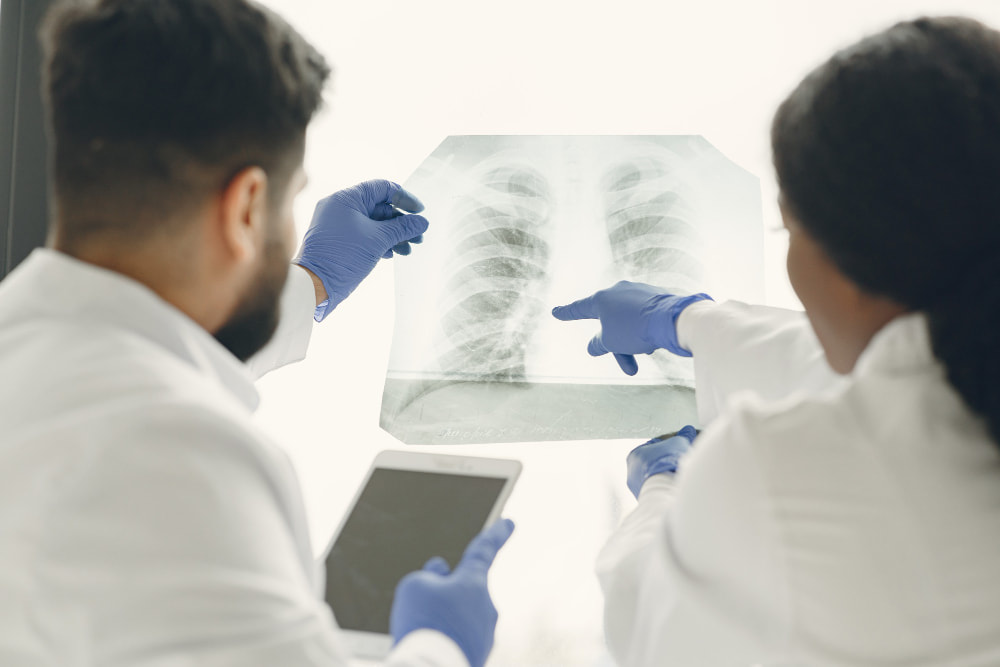

Pneumonia is a lung infection that inflames the tiny air sacs in one or both lungs. These air sacs, called alveoli, can fill with fluid or pus, making it harder to breathe and reducing the amount of oxygen that reaches the bloodstream. Pneumonia ranges from mild illness that can be managed at home to a life-threatening condition that requires hospital care.
Understanding pneumonia symptoms, what causes pneumonia, and the different types of pneumonia can help you recognize when to seek medical care and what to expect during recovery. This guide explains how pneumonia is diagnosed, how it is treated, and how vaccination and other steps can reduce your risk.
What Is Pneumonia?
Pneumonia is an infection that causes inflammation in the air sacs of the lungs. When these sacs fill with fluid or pus, breathing becomes more difficult and the body may not get enough oxygen. This can lead to cough, fever, chest pain, and shortness of breath.
Pneumonia can affect one lung or both lungs. It can develop after a cold or flu, or it can occur on its own. The severity depends on the germ causing the infection, your age, and your overall health.
Is Pneumonia Contagious?
Bacterial pneumonia and viral pneumonia can spread from person to person through respiratory droplets when an infected person coughs, sneezes, or talks. Fungal pneumonia, on the other hand, does not spread between people. It is usually acquired from the environment, such as soil or bird droppings, and tends to affect people with weakened immune systems.
Walking pneumonia, caused by mycoplasma bacteria, is also contagious but often spreads more slowly and causes milder symptoms. Good hand hygiene, covering your mouth when coughing, and staying home when sick can help reduce the spread of contagious types of pneumonia.
Types of Pneumonia by Cause
Pneumonia can be classified by the germ that causes it. Different causes lead to different symptoms, treatment approaches, and levels of severity.
Bacterial Pneumonia
Bacterial pneumonia is one of the most common types of pneumonia in adults. It often develops after a viral respiratory infection, such as the flu, and can be more severe than viral pneumonia. Symptoms usually come on suddenly and may include high fever, chills, cough with thick mucus, chest pain, and shortness of breath. Bacterial pneumonia is typically treated with antibiotics.
Viral Pneumonia
Viral pneumonia is caused by viruses such as influenza, respiratory syncytial virus (RSV), or SARS-CoV-2. Symptoms often develop more gradually than bacterial pneumonia and may include fever, dry cough, fatigue, headache, and muscle aches. Viral pneumonia does not respond to antibiotics. Treatment focuses on rest, fluids, fever control, and antiviral medication when appropriate.
Walking Pneumonia (Atypical Pneumonia)
Walking pneumonia, also known as atypical pneumonia, is a mild form of pneumonia often caused by mycoplasma bacteria. People with walking pneumonia may feel well enough to continue daily activities despite having a persistent cough, low-grade fever, fatigue, and sore throat. Walking pneumonia symptoms are usually less severe than typical pneumonia, and recovery may take several weeks. It is treated with specific antibiotics.
Fungal Pneumonia
Fungal pneumonia is less common and usually affects people with weakened immune systems, such as those with HIV/AIDS, cancer, or organ transplants. Pneumocystis pneumonia (PCP) is a specific type of fungal pneumonia that can be life-threatening in immunocompromised patients. Symptoms include dry cough, fever, and shortness of breath. Treatment involves antifungal medications.
Aspiration Pneumonia
Aspiration pneumonia occurs when food, liquid, or stomach contents are inhaled into the lungs. This type of pneumonia is more common in people with swallowing difficulties, neurological conditions such as stroke, Parkinson's disease, or dementia, or those under the influence of alcohol or sedatives. Symptoms may include cough, fever, chest pain, and shortness of breath. Treatment may involve antibiotics and addressing the underlying cause of aspiration.
Types of Pneumonia by Where It’s Acquired
Pneumonia can also be classified by where the infection was acquired. This distinction is important because it affects treatment choices and the types of germs involved.
Community-Acquired Pneumonia (CAP)
Community-acquired pneumonia is the most common type of pneumonia. It develops outside of hospitals or healthcare facilities. CAP can be caused by bacteria, viruses, or fungi. It often follows a respiratory infection and is treated based on the likely cause and severity.
Hospital-Acquired Pneumonia (HAP)
Hospital-acquired pneumonia develops during or after a hospital stay for another condition. HAP tends to be more severe because it is often caused by bacteria that are resistant to common antibiotics. It requires careful monitoring and targeted antibiotic treatment.
Ventilator-Associated Pneumonia (VAP)
Ventilator-associated pneumonia occurs in people who are on a breathing machine (ventilator) in the hospital. VAP is a serious complication that requires intensive care and specific antibiotics. Preventive measures in the ICU help reduce the risk of VAP.
Lobar Pneumonia and Other Patterns
Lobar pneumonia refers to pneumonia that affects one or more lobes of the lung. It is a pattern seen on chest imaging rather than a specific cause. Bronchopneumonia, on the other hand, affects patches around the bronchi (airways). These patterns help doctors understand the extent of the infection and guide treatment.
Symptoms of Pneumonia
Pneumonia symptoms can range from mild to severe and may develop suddenly or gradually. The specific symptoms often depend on the cause of pneumonia, your age, and your overall health.
Common Symptoms in Adults
Common pneumonia symptoms in adults include:
Cough: Often with mucus that may be yellow, green, or bloody.
Fever: May be high, with chills and sweating.
Chest pain: Especially when breathing deeply or coughing.
Shortness of breath: Feeling winded even with minimal activity.
Fatigue: Extreme tiredness or weakness.
Confusion: Especially in older adults.
Some people may also experience nausea, vomiting, or diarrhea.
Symptoms of Walking Pneumonia
Walking pneumonia symptoms are usually milder and develop more slowly. They may include a persistent dry cough, low-grade fever, fatigue, headache, and sore throat. People with walking pneumonia often feel well enough to continue daily activities, which is why it is sometimes called “walking” pneumonia.
When Symptoms Signal an Emergency
Some pneumonia symptoms require immediate medical attention. Seek emergency care if you or someone else experiences:
Severe difficulty breathing or shortness of breath at rest
Bluish lips or fingertips
Confusion or altered mental status
High fever that does not improve
Chest pain that is severe or worsening
These signs may indicate a serious complication, such as pneumonia and sepsis.
Who Is at Risk of Pneumonia?
Certain factors can increase your likelihood of developing pneumonia or experiencing more severe illness. Understanding pneumonia risk factors can help you take preventive steps and seek care early if symptoms develop.
Pneumonia risk factors include:
Age: Young children and adults over 65 are at higher risk of pneumonia and its complications
Smoking: Damages the lungs' natural defenses and increases susceptibility to infection
Chronic conditions: Such as asthma, Chronic Obstructive Pulmonary Disease (COPD), heart disease, or diabetes can weaken lung function and immune response
Weakened immune system: Due to illness such as HIV/AIDS, cancer treatment, or medications that suppress immunity
Recent respiratory infection: Such as flu or COVID-19, which can make the lungs more vulnerable to secondary bacterial infection
Hospitalization or ICU stay: Especially if on a ventilator, which increases the risk of hospital-acquired or ventilator-associated pneumonia
Difficulty swallowing: Due to stroke, neurological conditions, or other disorders that increase the risk of aspiration pneumonia
Pneumonia in smokers and pneumonia after flu or COVID are common scenarios that highlight the importance of vaccination and early treatment
Bronchitis and Pneumonia: What is the Difference?
Bronchitis and pneumonia are both respiratory infections, but they affect different parts of the lungs. Bronchitis involves inflammation of the bronchial tubes, which carry air to the lungs. Pneumonia involves inflammation and fluid in the air sacs of the lungs themselves.
Bronchitis usually causes a persistent cough with mucus, but fever and shortness of breath are less common. Pneumonia tends to cause higher fever, more severe cough, chest pain, and difficulty breathing. Pneumonia is generally more serious and may require antibiotics or hospitalization, while bronchitis often resolves with rest and supportive care.
How Is Pneumonia Diagnosed?
Pneumonia is diagnosed based on symptoms, physical examination, and tests. A doctor will listen to your lungs and may order:
Chest X-ray: To confirm pneumonia and see how much of the lung is affected.
CT scan: For more detailed imaging if needed
Blood tests: To check for signs of infection and identify the cause
Oxygen level check: To see how well your lungs are working
In some cases, a sputum test may be done to identify the specific germ causing the infection
Pneumonia Treatment
Pneumonia treatment depends on the cause and severity of the infection. The goal is to clear the infection, manage symptoms, and prevent complications.
Treating Bacterial Pneumonia
Bacterial pneumonia is treated with antibiotics. It is important to take the full course of antibiotics as prescribed, even if you start to feel better. Most people begin to improve within a few days, but recovery may take several weeks.
Treating Viral and Fungal Pneumonia
Viral pneumonia does not respond to antibiotics. Treatment focuses on rest, fluids, fever control, and antiviral medication when appropriate. Fungal pneumonia is treated with antifungal medications, especially in people with weakened immune systems.
Home Care and Recovery
Home care for pneumonia includes:
Rest: Allow your body time to heal
Fluids: Drink plenty of water to stay hydrated
Fever control: Use acetaminophen or ibuprofen as directed
Cough management: Use cough suppressants only if recommended by a doctor
Pneumonia recovery time varies. Many people feel better within one to two weeks, but fatigue and cough can last longer
When Hospitalization Is Needed
Hospitalization may be needed for severe pneumonia, especially in older adults, young children, or people with chronic health conditions. Signs that pneumonia is serious enough for hospital include severe shortness of breath, low oxygen levels, high fever, confusion, or inability to keep fluids down. Pneumonia in the ICU may require oxygen therapy, intravenous antibiotics, or breathing support.
Pneumonia and Sepsis
Pneumonia is one of the most common triggers of sepsis, a life-threatening response to infection. Sepsis occurs when the body’s response to infection damages its own tissues and organs. Pneumonia and sepsis together can be fatal if not treated quickly.
Warning signs of sepsis include:
High fever or very low body temperature
Rapid breathing
Confusion or extreme fatigue
Severe pain or discomfort
If you suspect sepsis, seek emergency medical care immediately.
Pneumonia Vaccine and Prevention
Vaccination is one of the most effective ways to prevent pneumonia. The pneumococcal vaccine protects against the most common bacterial cause of pneumonia.
Who Should Get the Pneumonia Vaccine
The pneumonia vaccine is recommended for:
Adults 65 and older
People with chronic health conditions: Such as cardiovascular disease, lung disease, or diabetes
People with weakened immune systems
Talk to your doctor about the right pneumonia vaccine age and schedule for you.
Other Ways to Reduce Pneumonia Risk
Other steps to prevent pneumonia include:
Hand hygiene: Wash hands frequently with soap and water
Avoid smoking: Smoking damages the lungs and increases pneumonia risk
Manage chronic conditions: Keep asthma, diabetes, and other conditions under control
Get vaccinated: Stay up to date on flu and COVID-19 vaccines
Expert Pneumonia Care at Medical Park
Medical Park provides hospital-grade treatment of respiratory conditions through our Chest Diseases (Pulmonology) Department, where pneumonia care is coordinated through multidisciplinary teams. Pulmonologists work alongside specialists from Infectious Diseases, Radiology, Microbiology, and Intensive Care to ensure accurate diagnosis, appropriate antibiotic or antiviral therapy, and timely escalation of care when needed.
From outpatient management of community-acquired pneumonia to intensive care for severe hospital-acquired or ventilator-associated pneumonia, every treatment plan is tailored to the individual patient's age, comorbidities, and severity of illness.
Medical Park Hospitals are equipped with advanced diagnostic tools, including high-resolution chest imaging, bronchoscopy, and 24-hour laboratory services, to support rapid and precise evaluation of respiratory conditions. Our specialists manage the full spectrum of lung diseases, from common infections like pneumonia and bronchitis to complex conditions such as COPD, interstitial lung disease, and respiratory failure.


 Makaleye Dön
 E-Result