


 TR
 EN
 RU
 AR
 FR


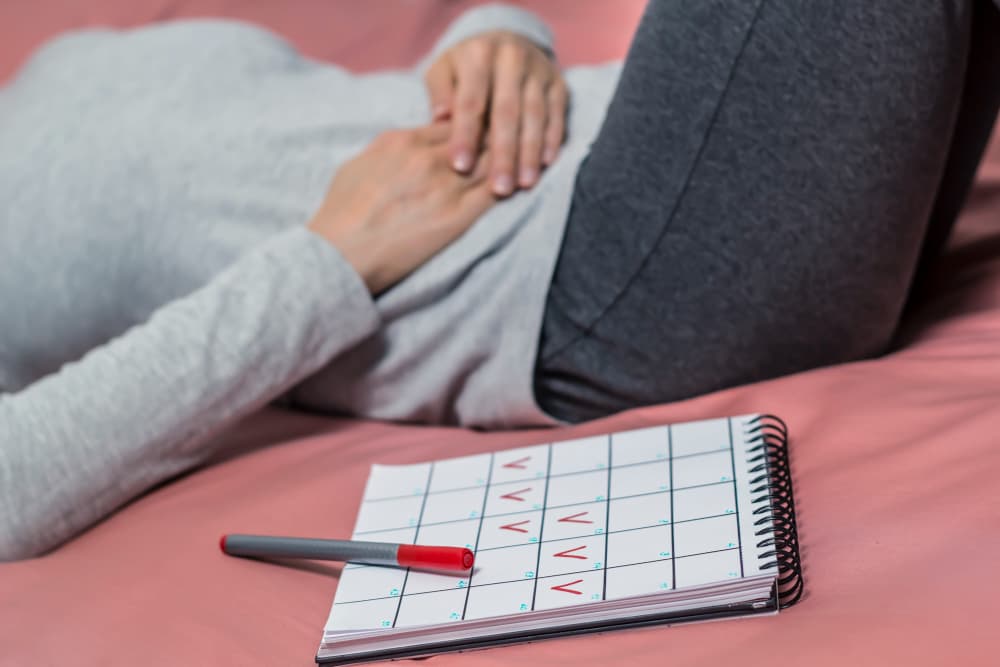

Premenstrual syndrome, commonly called PMS, describes physical, emotional, and behavioral symptoms that occur before a menstrual period. PMS can affect mood, energy, sleep, appetite, concentration, and physical comfort. Symptoms usually improve shortly after bleeding begins.
PMS varies widely in severity. Some people experience mild symptoms that do not interrupt daily life, while others have symptoms that affect work, school, relationships, or well-being. A more severe condition, called premenstrual dysphoric disorder or PMDD, can cause intense emotional and physical symptoms and requires medical assessment.
This guide explains what PMS is, how the PMS cycle works, common symptoms, the difference between PMS and PMDD, treatment options, and practical ways of managing premenstrual syndrome.
What Is Premenstrual Syndrome (PMS)?
Premenstrual syndrome is a group of recurring symptoms linked to the menstrual cycle. Symptoms develop during the luteal phase, which occurs after ovulation and before the next period. They usually improve when menstrual bleeding begins or within a few days afterward.
The term PMS disorder may refer to symptoms that follow a consistent premenstrual pattern and cause noticeable discomfort or interfere with daily activities. A healthcare professional may recommend tracking symptoms across at least two menstrual cycles to confirm this pattern.
During each menstrual cycle, estrogen and progesterone levels naturally rise and fall. These hormonal changes can influence the brain, fluid balance, appetite, sleep, and emotional well-being.
How Long Is the PMS Cycle?
Symptoms may begin after ovulation, often one to two weeks before a period. They commonly improve when menstrual bleeding starts or within a few days afterward. The timing and duration vary between individuals and may change from month to month.
A clear cycle is an important feature of PMS: symptoms develop before menstruation and improve afterward. Symptoms that continue throughout the month may have another cause or may represent a separate condition that becomes worse before a period.
Tracking the PMS cycle can help identify patterns. A diary or phone app can record mood, sleep, pain, bloating, appetite, nausea, medication use, menstrual bleeding, and how symptoms affect daily activities.
PMS Symptoms
PMS symptoms may be physical, emotional, or behavioral. The combination and severity can vary between menstrual cycles.
Common symptoms of premenstrual syndrome include:
- Mood swings, irritability, anxiety, sadness, or tearfulness
- Premenstrual stress, feeling overwhelmed, or increased emotional sensitivity
- Tiredness, low energy, or difficulty concentrating
- Sleep changes, including insomnia or sleeping more than usual
- Food cravings, appetite changes, or overeating
- Bloating before period, weight changes, or fluid retention
- Breast tenderness or swelling
- Headaches, joint pain, muscle pain, or cramps
- Acne or changes in skin and hair
- Nausea before period, constipation, diarrhea, or other bowel changes
Nausea before period can occur with hormonal changes, migraines, stress, digestive sensitivity, or pain. Nausea before a game, exam, performance, or other stressful event may instead be related to anxiety, dehydration, poor sleep, infection, or another health concern.
Not all symptoms before menstruation are necessarily PMS. Persistent, severe, or new symptoms should be assessed by a healthcare professional.
What Causes PMS?
The exact cause of PMS is not fully understood. It is not necessarily caused by unusually high or low hormone levels. Instead, symptoms may result from increased sensitivity to normal hormonal changes during the menstrual cycle.
After ovulation, estrogen and progesterone levels change. These shifts may affect brain chemicals, including serotonin. Serotonin helps regulate mood, sleep, appetite, and emotional responses, which may explain why PMS can cause mood changes, fatigue, food cravings, and sleep problems.
Factors that may influence symptoms include:
- Sensitivity to changing estrogen and progesterone levels
- Changes in serotonin levels and other brain chemicals
- Stress, anxiety, or depression
- Poor or irregular sleep
- Low physical activity
- A diet high in salt, sugar, caffeine, or alcohol
- A personal or family history of PMS or PMDD
PMS is not a sign of weakness or a failure to manage emotions. It is a health condition that can improve with self-care, medical treatment, and psychological support.
PMS and PMDD: What are the Key Differences?
PMS and PMDD both cause symptoms during the luteal phase, but PMDD is more severe. Premenstrual dysphoric disorder can cause intense emotional symptoms that significantly affect work, school, relationships, or daily functioning.
The main difference between PMS and PMDD is the severity and impact of symptoms. Someone with PMS may feel uncomfortable or more emotionally sensitive before a period. Someone with PMDD may experience severe depression, anxiety, irritability, anger, hopelessness, or a feeling of being unable to cope.
Possible PMDD symptoms include:
- Severe mood swings or tearfulness
- Persistent sadness, hopelessness, or feelings of worthlessness
- Marked anxiety, tension, anger, or irritability
- Conflict in relationships or difficulty completing everyday tasks
- Difficulty concentrating, low energy, or major sleep changes
- Changes in appetite or intense food cravings
- Physical symptoms such as bloating, breast tenderness, headaches, or joint pain
Anyone experiencing thoughts of self-harm, suicide, or feeling unable to stay safe should seek urgent help or contact local emergency services. PMDD is treatable, and prompt support is important.
PMS and Early Pregnancy
PMS and early pregnancy can produce similar symptoms, including breast tenderness, fatigue, mood changes, bloating, nausea, food cravings, and mild abdominal discomfort. This can make it difficult to distinguish between them when a period is late.
A pregnancy test is the most reliable first step when pregnancy is possible. Home tests are generally more accurate after a missed period. A healthcare professional can advise about repeat testing or blood testing if the result is unclear, periods are irregular, or symptoms continue.
Seek urgent medical attention for severe one-sided abdominal pain, shoulder pain, fainting, heavy bleeding, or severe dizziness during a possible pregnancy.
Diagnosing PMS and PMDD
There is no single blood test that confirms PMS or PMDD. Diagnosis is based on the timing of symptoms, their severity, their effect on daily life, and whether they improve after menstruation begins.
A healthcare professional may ask about menstrual history, contraception, medications, sleep, stress, mental health, diet, exercise, and other medical conditions. They may also consider conditions that can cause similar symptoms, including thyroid disese (hypothyroidism and hyperthyroidism), anemia, depression, anxiety disorders, endometriosis, polyendocrine metabolic ovary syndrome (PMOS), and perimenopause.
Keeping a daily symptom record for at least two menstrual cycles can support diagnosis. Record symptoms, severity, when they begin and end, menstrual bleeding, and effects on work, relationships, and routine activities.
Premenstrual Syndrome Treatments
Premenstrual syndrome treatments depend on symptom severity, health history, contraception needs, and personal preferences. Many people benefit from combining lifestyle changes with medical support.
Managing premenstrual syndrome may include:
- Regular physical activity, such as walking, cycling, swimming, or yoga
- A balanced premenstrual diet and adequate fluid intake
- Consistent sleep and stress-management techniques
- Symptom tracking to identify patterns and triggers
- Over-the-counter pain relief when medically appropriate
- Psychological support or cognitive behavioral therapy
- Hormonal treatment for selected individuals
- Medication for premenstrual syndrome when symptoms are moderate or severe
PMS relief may take time because several factors can influence symptoms. Making one change at a time and tracking its effect over two or three cycles can help identify what works best.
Premenstrual Diet and Self-Care
A premenstrual diet does not need to be restrictive. The goal is to choose regular, balanced meals that support stable energy and may reduce bloating, headaches, nausea, or mood changes.
A diet for premenstrual syndrome may include:
- Whole grains, oats, brown rice, and whole-grain bread
- Vegetables, fruits, beans, lentils, nuts, and seeds
- Fish, eggs, poultry, tofu, yogurt, and other protein sources
- Calcium-rich foods such as yogurt, milk, fortified alternatives, and leafy greens
- Regular meals and smaller snacks when nausea, fatigue, or appetite changes occur
- Water and non-caffeinated drinks throughout the day
Some people find it helpful to reduce salt when bloating before period is a concern. Limiting excessive caffeine, alcohol, high-sugar foods, and highly processed snacks may also reduce symptoms.
Other self-care strategies include gentle exercise, heat packs for cramps, relaxation techniques, consistent sleep, and support for persistent premenstrual stress. Discuss supplements with a healthcare professional before starting them, especially if you take regular medication or have another medical condition.
PMS Medication and Medical Treatment
PMS medication may be recommended when lifestyle changes do not provide enough relief or symptoms interfere with daily life. Treatment depends on whether pain, mood symptoms, heavy bleeding, fluid retention, or contraception needs are the main concern.
Medicine for premenstrual syndrome may include:
- Nonsteroidal anti-inflammatory drugs, such as ibuprofen or naproxen, for cramps, headaches, and muscle pain when appropriate
- Acetaminophen for pain relief when suitable
- Hormonal contraceptives for selected individuals
- Selective serotonin reuptake inhibitors, or SSRIs, for PMDD or severe mood symptoms
- Diuretic medication in selected cases of significant fluid retention
SSRIs affect serotonin levels in the brain and may be taken daily or only during the luteal phase, depending on medical advice. They can help with PMDD and severe emotional PMS symptoms but may cause side effects and require follow-up.
Treatment for PMS and PMDD may also include cognitive behavioral therapy (CBT). This can help people manage distress, mood changes, anxiety, and premenstrual stress. More specialized hormonal treatment may be considered when symptoms remain severe despite other approaches.
Do not start, stop, or change hormonal medicine, antidepressants, or other prescribed treatment without medical advice.
What Is Post Menstrual Syndrome?
Post menstrual syndrome is an informal term sometimes used for symptoms that continue after a period, such as fatigue, low mood, headaches, bloating, or digestive changes. It is not a standard medical diagnosis in the same way as PMS or PMDD.
Because PMS symptoms generally improve shortly after menstruation begins, ongoing symptoms may have another cause. Possible explanations include low iron levels, thyroid disease, sleep problems, anxiety, depression, migraines, medication effects, or another gynecological condition.
Seek medical advice if symptoms persist after menstruation, worsen over time, or do not follow a clear menstrual-cycle pattern.
When to See a Doctor
Medical assessment is recommended when symptoms interfere with work, school, relationships, sleep, or daily activities; when pain or bleeding is severe; or when self-care and over-the-counter treatments do not provide enough relief.
See a healthcare professional if you experience:
- PMS or PMDD symptoms that significantly affect daily life
- Severe depression, anxiety, anger, or mood changes before periods
- Heavy, irregular, or unusually painful menstrual bleeding
- Persistent nausea, vomiting, or unexplained weight changes
- Symptoms that continue after menstruation or occur throughout the month
- Possible pregnancy with unusual pain or bleeding
Urgent help is needed for suicidal thoughts, self-harm urges, feeling unsafe, severe abdominal pain, fainting, heavy bleeding, or symptoms that may indicate a medical emergency.
PMS and PMDD Care at Medical Park
Medical Park Hospitals in Turkey provide gynecological assessment and personalized care for PMS, PMDD, menstrual-cycle concerns, and symptoms that may overlap with other conditions. Evaluation may include a review of menstrual patterns, symptoms, medical history, medications, lifestyle factors, contraception needs, and relevant testing.
Care may involve gynecologists, psychologists, dietitians, and other specialists when needed. Treatment planning can include lifestyle guidance, a premenstrual diet, pain management, hormonal options, PMS medication, psychological support, and follow-up to assess treatment response.
For international patients seeking treatment for PMS and PMDD in Turkey, Medical Park supports coordinated appointments, medical-record review, gynecological assessment, individual treatment planning, and follow-up guidance.




 Makaleye Dön
 E-Result
 WhatsApp