


 TR
 EN
 RU
 AR
 FR


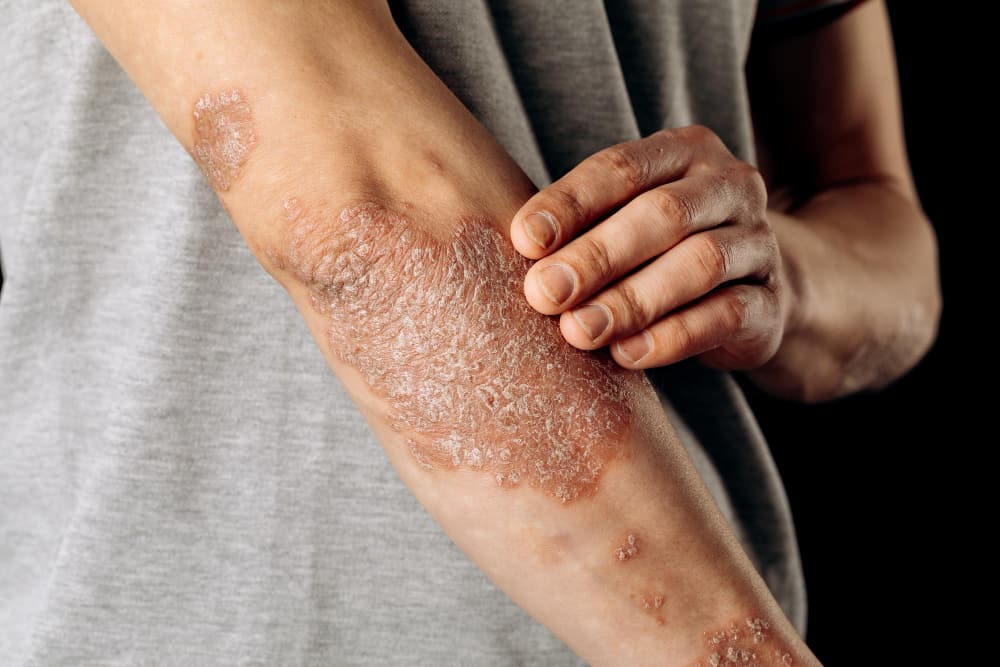

Psoriasis is a chronic inflammatory skin condition that causes skin cells to build up faster than usual, forming thickened, scaly patches that may itch, burn, crack, or feel painful. It can affect different parts of the body, including the scalp, elbows, knees, hands, face, and skin folds. Although psoriasis often follows a pattern of flare-ups and periods of improvement, its appearance and severity vary from person to person.
Psoriasis is associated with immune system activity and genetic factors. It is not contagious, and it is not caused by poor hygiene. While there is currently no permanent cure, several psoriasis treatments can control inflammation, reduce scaling, and help maintain clearer skin. Recognizing the type of psoriasis and understanding its potential effects on the joints and overall health are important parts of long-term management.
What Is Psoriasis?
Psoriasis is a chronic, immune-mediated inflammatory disease that affects the skin and can also involve the nails and joints. Normally, skin cells develop and shed gradually over several weeks. In psoriasis, immune system signals accelerate this process, causing skin cells to accumulate before they can shed normally. This buildup produces the characteristic thickened patches known as plaques.
Psoriasis can develop at any age, although it often begins in adulthood. Symptoms may remain relatively mild or become more extensive, and the condition can improve for a time before returning. Some people have only a few small patches, while others experience widespread inflammation that affects daily activities and quality of life.
The condition is not simply a skin problem. Psoriasis is associated with other health concerns, including psoriatic arthritis and an increased risk of certain metabolic and cardiovascular conditions. Appropriate medical care therefore considers both the skin symptoms and the person's overall health.
What Are the Symptoms of Psoriasis?
Psoriasis symptoms depend on the type of psoriasis, the affected body area, and the severity of inflammation. The most recognizable feature is a raised, thickened patch of skin covered with dry scales, but not every form produces the same appearance.
Common psoriasis symptoms include:
Thick, scaly patches: Plaques may have a silvery-white surface on lighter skin or appear gray, brown, purple, or darker than the surrounding skin on darker skin tones.
Itching and irritation: Affected areas may itch, sting, burn, or feel tight. Scratching can worsen inflammation and cause the skin to crack or bleed.
Dryness and fissures: Severe dryness may cause painful cracks, particularly on the hands, feet, and other areas exposed to friction.
Changes in skin color: Inflammation can leave darker or lighter marks after a flare-up has settled, especially in people with darker skin.
Nail abnormalities: Nails may develop tiny dents, discoloration, thickening, crumbling, or separation from the nail bed.
Joint symptoms: Some people develop joint pain, stiffness, or swelling associated with psoriatic arthritis.
Psoriasis is not always bright red. Its appearance varies across skin tones, and inflammation may be more noticeable through changes in texture, scaling, or pigmentation. A persistent rash should be examined by a dermatologist rather than diagnosed from appearance alone.
What Are the Different Types of Psoriasis?
Several types of psoriasis have distinct patterns. A person may develop more than one type during their lifetime, and the location of the rash can influence which treatment is appropriate.
Plaque Psoriasis
Plaque psoriasis is the most common type. It produces raised, well-defined patches covered with dry scales, commonly on the elbows, knees, lower back, and scalp. The plaques may be small and separate or merge into larger areas.
Itching is common, although some people experience more discomfort, tightness, or cracking than itching. Even a limited number of plaques can affect quality of life if they develop on visible or sensitive areas.
Scalp Psoriasis
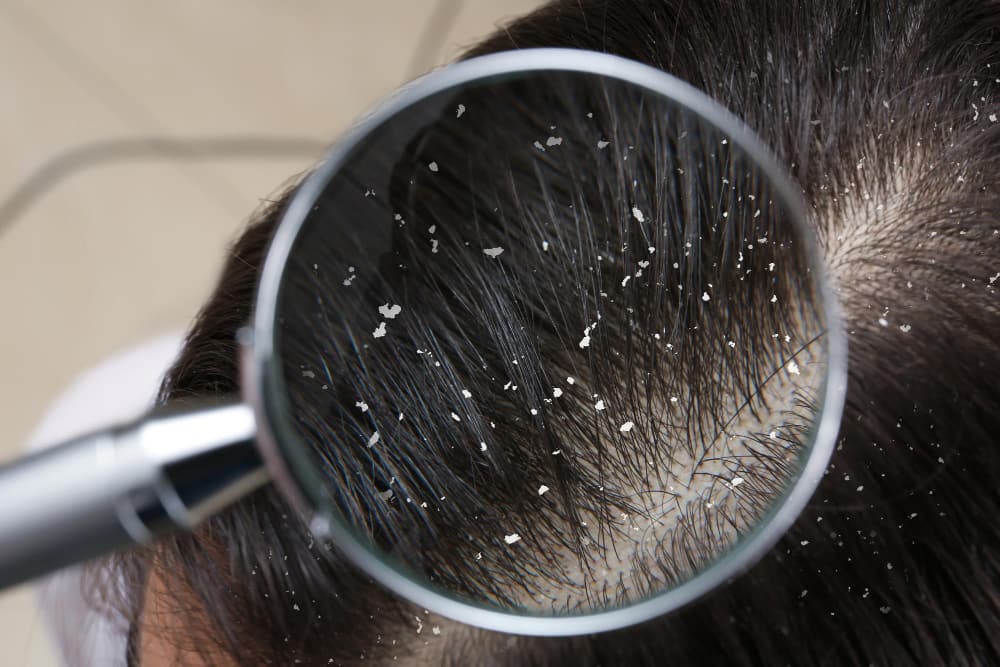
Scalp psoriasis causes scaly patches on the scalp that may extend beyond the hairline to the forehead, neck, or behind the ears. The scales can be thin and flaky or thick enough to form firmly attached layers. Itching and soreness may lead to scratching, which can cause bleeding.
Scalp psoriasis is sometimes mistaken for ordinary dandruff or seborrheic dermatitis. However, psoriasis often produces thicker, more clearly defined plaques. Treatment may require medicated solutions, foams, shampoos, or other formulations that can reach the scalp through the hair.
Inverse Psoriasis
Inverse psoriasis, also called flexural psoriasis, develops in skin folds where surfaces rub together. Common locations include the armpits, groin, beneath the breasts, and between the buttocks.
Unlike plaque psoriasis, inverse psoriasis usually causes smooth, shiny, inflamed patches with little visible scaling. Sweat, friction, and moisture can aggravate irritation. Because the affected skin is sensitive, treatment often differs from that used for thicker plaques on the elbows or knees.
Guttate Psoriasis
Guttate psoriasis causes numerous small, drop-shaped, scaly spots that appear relatively suddenly, often across the trunk, arms, and legs. It is more common in children and young adults and may develop after a streptococcal throat infection.
Guttate psoriasis can improve over several weeks or months, although it sometimes persists or is followed by plaque psoriasis. A clinician may assess for a recent infection and recommend appropriate treatment based on the findings.
Pustular and Erythrodermic Psoriasis
Pustular psoriasis produces visible, pus-filled bumps surrounded by inflamed skin. The bumps do not necessarily indicate a bacterial infection. Depending on the presentation, pustular psoriasis may affect limited areas such as the palms and soles or become widespread.
Erythrodermic psoriasis is a rare, potentially life-threatening form that causes extensive redness, peeling, and inflammation across much of the body. It can interfere with temperature regulation and fluid balance. Widespread skin redness or peeling accompanied by fever, chills, or feeling seriously unwell requires emergency medical assessment.
What Causes Psoriasis?
The exact cause of psoriasis is not fully understood, but it involves an abnormal immune response that accelerates skin cell production and drives inflammation. Genetic factors can increase susceptibility, although not everyone with a family history develops the condition.
Psoriasis is not caused by poor hygiene, and having it does not mean that the immune system is generally weak. Rather, specific immune pathways become overactive and contribute to persistent inflammation.
Several factors can trigger a first episode or aggravate existing psoriasis:
Infections: Streptococcal throat infections can precede guttate psoriasis, while other infections may trigger flare-ups.
Skin injuries: Cuts, scratches, sunburn, tattoos, and other skin trauma can lead to new patches at the affected site. This response is known as the Koebner phenomenon.
Stress: Emotional or physical stress may contribute to flare-ups in some people.
Certain medications: Some medicines can worsen psoriasis or trigger symptoms. Prescribed medication should not be stopped without consulting the treating clinician.
Smoking and alcohol: Both are associated with psoriasis severity and may complicate long-term management.
Weather and dryness: Cold weather and dry air can aggravate symptoms, although individual patterns vary.
Identifying personal triggers may help reduce flare-ups, but psoriasis cannot always be prevented by lifestyle changes alone.
Psoriasis vs. Eczema: What Is the Difference?
Psoriasis and eczema are inflammatory skin conditions that can both cause itching, dryness, and irritation. However, they differ in their underlying mechanisms and typical appearance. Distinguishing between them matters because treatment may vary.
Appearance: Plaque psoriasis usually produces well-defined, thick patches with visible scales. Eczema often causes less sharply defined areas of dry, itchy, inflamed skin, although its appearance varies by type.
Common locations: Psoriasis frequently affects the elbows, knees, scalp, and lower back. Atopic eczema commonly affects the skin folds around the elbows and knees, as well as the hands, face, or neck.
Itching: Both conditions can itch intensely. Eczema is often associated with prominent itching, while psoriasis may also cause burning, tenderness, or painful cracks.
Triggers: Psoriasis is linked to immune system activity and can flare after infections or skin injuries. Eczema often involves a weakened skin barrier and may worsen with irritants, allergens, heat, or dry conditions.
Associated health concerns: Psoriasis is linked to psoriatic arthritis and certain metabolic conditions. Eczema is more commonly associated with other allergic conditions, such as asthma and allergic rhinitis, particularly in people with atopic dermatitis.
The two conditions can sometimes look similar, and a person can have both. A dermatologist may diagnose them through a skin examination and medical history, with a skin biopsy occasionally needed when the diagnosis remains uncertain.
How Is Psoriasis Diagnosed?
A dermatologist usually diagnoses psoriasis by examining the skin, scalp, and nails and reviewing the person's symptoms, medical history, and family history. The clinician considers the appearance and distribution of the rash and asks about previous flare-ups, possible triggers, and treatments already tried.
Additional investigations may be recommended when the presentation is unusual or another condition needs to be ruled out.
Skin biopsy: A small skin sample may be examined under a microscope if the diagnosis is uncertain.
Infection assessment: When guttate psoriasis follows a sore throat or another infection is suspected, appropriate tests may be considered.
Joint evaluation: Joint pain, swelling, or morning stiffness may prompt assessment for psoriatic arthritis and referral to a rheumatologist.
Severity assessment: The extent of skin involvement, affected body areas, symptoms, and impact on daily life help determine treatment intensity.
There is no single blood test that confirms psoriasis in every patient. Diagnosis is generally based on clinical findings, with tests used when they can clarify the condition or identify associated health concerns.
Psoriasis Treatment Options
Psoriasis treatment aims to reduce inflammation, control scaling and itching, improve skin appearance, and prevent complications. The most suitable approach depends on the type of psoriasis, the affected area, its severity, and how much it affects daily life. Some people with mild psoriasis can manage their symptoms with topical treatments, while others need phototherapy or medication that works throughout the body.
Topical Treatments for Mild Psoriasis
Topical treatments are applied directly to the skin and are often the first option for limited psoriasis. They may be used alone or combined with other treatments.
Moisturizers and emollients: These help reduce dryness, soften scales, and prevent cracking. They support the skin barrier but may not control inflammation on their own.
Topical corticosteroids: These reduce inflammation and are commonly prescribed for plaque psoriasis. The strength and duration of use depend on the affected area, and extra care is needed on the face, genitals, and skin folds.
Vitamin D analogs: Medicines such as calcipotriol help regulate skin cell growth and may be used alone or with topical corticosteroids.
Scale-softening products: Ingredients such as salicylic acid may help loosen thick scales, making other treatments easier to apply. They are not suitable for every body area or patient.
Scalp preparations: Medicated solutions, foams, gels, or shampoos may help treat psoriasis on the scalp, depending on the severity and the prescribed ingredients.
Use prescription products according to medical instructions. Treatments suitable for thick plaques may irritate delicate skin, particularly around the eyes, face, and genitals.
Phototherapy
Phototherapy uses controlled ultraviolet light to reduce inflammation and slow excessive skin cell growth. Narrowband UVB is one option for people whose psoriasis is more widespread or has not responded adequately to topical treatment.
Treatment usually involves repeated sessions over a period determined by the clinician. Medical supervision is important because excessive ultraviolet exposure can cause burns and increase long-term skin risks. Tanning beds are not a safe substitute for prescribed phototherapy.
Oral and Injectable Medications
Moderate-to-severe psoriasis may require systemic treatment, meaning medication that works throughout the body. These treatments can be particularly useful when psoriasis affects extensive areas, sensitive sites, or quality of life, or when other treatments have not provided sufficient control.
Options may include conventional systemic medicines, targeted oral therapies, and biologic medicines that act on specific immune pathways involved in psoriasis. The choice depends on disease severity, other medical conditions, possible side effects, and whether psoriatic arthritis is present.
Some medicines require blood tests or other monitoring before and during treatment. Pregnancy plans, current medications, and infection risks may also affect which treatment is appropriate. A dermatologist can explain the expected benefits and risks and adjust the plan if symptoms do not improve.
Psoriasis and Psoriatic Arthritis
Psoriatic arthritis is an inflammatory joint disease associated with psoriasis. It can cause pain, swelling, stiffness, and reduced movement in the joints. Symptoms may affect the fingers, toes, knees, ankles, or lower back, and inflammation can also occur where tendons and ligaments attach to bones.
Possible warning signs include:
Morning stiffness: Joints feel stiff after waking or after long periods of inactivity.
Swollen fingers or toes: An entire digit may become swollen, sometimes described as a sausage-like appearance.
Heel or tendon pain: Pain may develop around the heel or other tendon attachment points.
Nail changes: Pitting, discoloration, or separation of the nails may occur alongside joint symptoms.
Psoriasis and psoriatic arthritis do not always begin at the same time. Joint symptoms may develop after skin psoriasis, but in some people they appear first. Early assessment is important because untreated inflammation can cause lasting joint damage.
Dermatologists may work with rheumatologists to evaluate joint symptoms and coordinate treatment. Tell your clinician about persistent joint pain, swelling, or stiffness even if the skin symptoms seem mild.
When Should You See a Doctor for Psoriasis?
Seek a dermatology assessment if you develop a persistent scaly rash, repeated flare-ups, nail changes, or symptoms that do not improve with appropriate skin care. Psoriasis affecting the face, scalp, hands, feet, or genitals may require specific treatment even when the affected area is small.
Arrange prompt assessment for possible psoriatic arthritis if you experience joint swelling, persistent pain, or morning stiffness. Seek emergency care for widespread skin redness or peeling accompanied by fever or feeling seriously unwell, as this can indicate a severe form of psoriasis or another urgent condition.
Psoriasis Care at Medical Park
Medical Park’s Dermatology Department provides evaluation and treatment for psoriasis, from mild plaque psoriasis to persistent or more extensive forms affecting the scalp, face, hands, nails, and skin folds. Dermatologists examine the affected areas, assess the severity of inflammation, review previous treatments, and identify factors that may be contributing to recurring flare-ups.
Based on these findings, they develop an individualized treatment plan that may include topical medications, skin care measures, phototherapy, or systemic treatments for more extensive or treatment-resistant psoriasis. The choice of treatment also takes into account sensitive areas, the effect of symptoms on daily life, and any other health conditions that may influence care.
Psoriasis management may require collaboration between specialties, particularly when symptoms extend beyond the skin. Medical Park’s Dermatology and Rheumatology specialists can coordinate the evaluation of patients with possible psoriatic arthritis, including those experiencing persistent joint pain, swelling, or morning stiffness.
Depending on the patient's symptoms and medical history, other departments may contribute to assessing associated health concerns and supporting a comprehensive treatment plan. This multidisciplinary approach helps address the different ways psoriasis can affect a person's health rather than focusing on visible skin symptoms alone.
For international patients seeking psoriasis treatment in Turkey, Medical Park’s International Patient Services Center helps coordinate appointments, communication with the medical team, and arrangements for recommended investigations and treatment.




 Makaleye Dön
 E-Result
 WhatsApp