


 TR
 EN
 RU
 AR
 FR


A pulmonary embolism (PE) is a potentially life-threatening medical emergency that occurs when one or more blood clots become lodged in the arteries of the lungs, blocking or severely restricting blood flow. The word "pulmonary" refers to the lungs, and an "embolism" describes a blockage caused by a clot or other material traveling through the bloodstream.
Because the lungs are responsible for oxygenating the blood that circulates throughout the entire body, any significant obstruction in their blood supply can rapidly become dangerous. In severe cases, a large or bilateral pulmonary embolism — meaning clots affecting both lungs — can lead to cardiac arrest or death if not treated immediately. Even smaller clots can cause lasting damage to lung tissue. Understanding this condition, including how to recognize its symptoms and when to seek care, is critical for both patients and their families.
How Does a Pulmonary Embolism Occur?
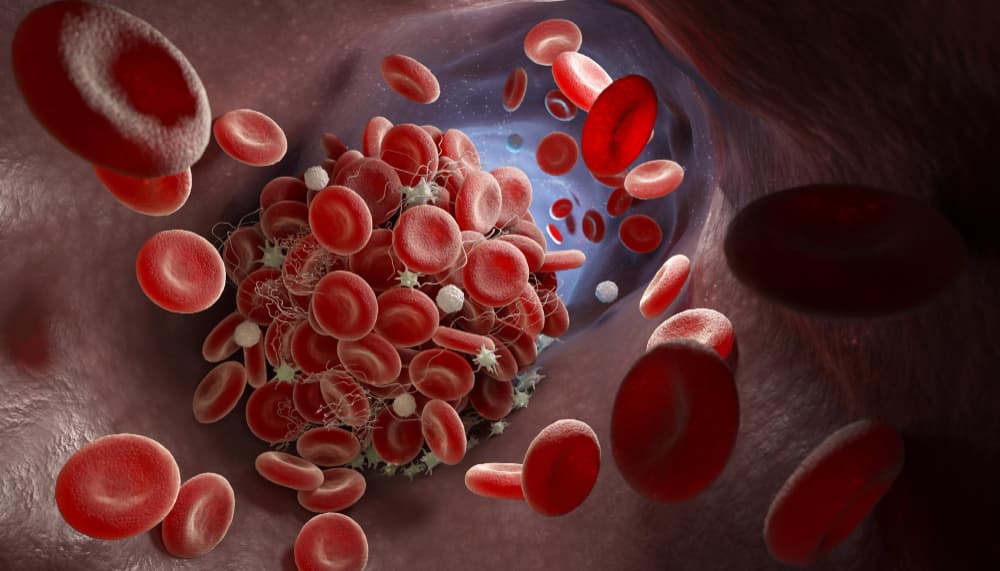
In the vast majority of cases, a pulmonary embolism does not originate in the lungs. Instead, it begins as a blood clot in the deep veins of the body — most commonly in the legs or pelvis. This is known as deep vein thrombosis (DVT). When part of the DVT clot breaks away, it travels through the venous system, passes through the heart, and becomes lodged in the pulmonary arteries that supply blood to the lungs.
This close relationship between DVT and pulmonary embolism is why the two conditions are often discussed together and collectively referred to as venous thromboembolism (VTE). Not every DVT progresses to a pulmonary embolism, but the risk is significant enough that DVT should always be taken seriously and treated promptly.
Less commonly, emboli can also be formed by fat particles, air bubbles, or amniotic fluid, though blood clots remain the most frequent cause by far.
Recognizing the Symptoms of a Pulmonary Embolism
One of the challenges with pulmonary embolism is that its symptoms can vary widely depending on the size of the clot, how many vessels are affected, and the patient's underlying health. Some individuals experience dramatic, sudden symptoms, while others may notice only mild discomfort that builds gradually over time.
Common Symptoms to Watch For
The following symptoms may indicate a pulmonary embolism, especially if they appear suddenly and without an obvious alternative explanation:
- Shortness of breath that comes on suddenly, even while at rest
- Chest pain that may feel sharp or stabbing, often worsening when you breathe deeply, cough, or bend over
- A persistent cough, which may produce bloody or blood-streaked mucus
- Rapid or irregular heartbeat (palpitations)
- Lightheadedness or dizziness, sometimes accompanied by fainting
- Excessive sweating without a clear cause
- Leg pain, swelling, or warmth, particularly in one calf — a hallmark sign of underlying DVT
It is worth noting that some people with pulmonary embolism, particularly those with smaller clots, may experience very mild lung blood clot symptoms or none at all, which is why awareness of risk factors is equally important.
Symptoms That Require Immediate Medical Attention
Certain presentations of pulmonary embolism are medical emergencies requiring immediate emergency care. Call emergency services or go to the nearest hospital without delay if you or someone around you experiences:
- Sudden, severe difficulty breathing or a feeling of suffocation
- Intense chest pain that does not ease
- Loss of consciousness or sudden collapse
- A bluish tinge to the lips or fingernails (cyanosis), indicating critically low oxygen levels
- Signs of shock, such as a sudden drop in blood pressure combined with rapid heart rate and confusion
These symptoms may reflect a massive or bilateral pulmonary embolism — a situation where multiple vessels in both lungs are blocked — which carries a high risk of rapid deterioration.

Diagnosing a Pulmonary Embolism
Because the symptoms of pulmonary embolism overlap with those of other serious conditions such as heart attack, pneumonia, and aortic dissection, accurate diagnosis requires a combination of clinical evaluation and targeted testing.
Diagnostic Tests Used
Doctors use several investigative tools to confirm a pulmonary embolism diagnosis:
- CT Pulmonary Angiography (CTPA): The standard for diagnosing PE. This specialized CT scan uses contrast dye to produce detailed images of the pulmonary arteries, clearly showing the location and extent of any clots.
- D-dimer Blood Test: This blood test measures fragments of protein produced when blood clots break down. An elevated D-dimer result suggests a clot may be present, though it is not specific to PE and is most useful for ruling out the condition in low-risk patients.
- Ventilation-Perfusion (V/Q) Scan: A nuclear medicine scan that evaluates airflow and blood flow in the lungs. It is particularly useful for patients who cannot tolerate the contrast dye used in CTPA.
- Ultrasound of the Legs: Used to detect DVT in the deep veins, which provides indirect evidence supporting a PE diagnosis.
- Echocardiogram: An ultrasound of the heart that can identify strain on the right ventricle — a consequence of large pulmonary emboli — and help guide treatment decisions.
- Chest X-ray and ECG: While neither can definitively diagnose PE, both are used to rule out other conditions and identify complications.
When to Seek Immediate Diagnosis
If you develop sudden breathlessness, chest pain, or any of the emergency symptoms described above, do not wait to seek help. Time is critical with pulmonary embolism — the sooner a diagnosis is made, the sooner treatment can begin and the lower the risk of serious complications or death.
Treatment Options for Pulmonary Embolism
Pulmonary embolism management aims to stop the existing clot from growing, prevent new clots from forming, dissolve the clot where possible, and address any immediate threat to life. The appropriate treatment depends on the severity of the embolism, the patient's overall health, and any contraindications to specific therapies.
Anticoagulant Medications
Anticoagulants — commonly referred to as blood thinners — are the cornerstone of pulmonary embolism treatment. They do not directly dissolve existing clots, but they prevent existing clots from enlarging and stop new ones from forming, giving the body time to break down the clot naturally.
Commonly used anticoagulants include heparin (administered by injection or IV in hospital settings for rapid effect), low molecular weight heparins such as enoxaparin, and direct oral anticoagulants (DOACs) such as rivaroxaban and apixaban, which have become increasingly favored due to their convenience and predictable dosing. Warfarin, an older anticoagulant requiring regular blood monitoring, may still be used in certain patients.
Anticoagulant therapy typically continues for a minimum of three to six months, and in some cases indefinitely, depending on whether the underlying cause has been identified and addressed.
Thrombolytic Therapy
For high-risk or massive pulmonary embolisms — cases where the clot is large enough to cause serious cardiovascular instability —thrombolytic therapy (sometimes called "clot-busting" treatment) may be used. Drugs such as alteplase are administered to actively dissolve the clot rapidly. While highly effective in life-threatening situations, thrombolytic therapy carries a significant risk of bleeding, including intracranial hemorrhage, so it is reserved for cases where the benefits clearly outweigh the risks.
Surgical Interventions
When anticoagulation and thrombolysis are insufficient or contraindicated, more invasive pulmonary embolism treatments may be considered:
- Catheter-directed therapy: A thin tube (catheter) is guided through blood vessels to the site of the clot, where medication can be delivered directly or mechanical devices used to break up or remove the clot.
- Surgical embolectomy: Open surgery to physically remove the clot from the pulmonary arteries. This is rare but can be life-saving in extreme cases.
- Inferior vena cava (IVC) filter: A small, cage-like device implanted in the large vein that carries blood from the lower body to the heart. It catches clots before they can reach the lungs. This is typically used in patients who cannot take anticoagulants or who have had recurrent emboli despite treatment.
Risk Factors for Pulmonary Embolism
Understanding pulmonary embolism risk is essential for prevention. Several medical conditions and lifestyle factors can significantly increase a person's likelihood of developing DVT and, subsequently, a pulmonary embolism.
Medical Conditions That Increase Risk
- A personal or family history of DVT or pulmonary embolism
- Cancer and its treatments (chemotherapy and certain tumor types strongly promote clotting)
- Heart disease or heart failure
- Inherited or acquired clotting disorders, such as Factor V Leiden mutation or antiphospholipid syndrome
- Recent major surgery, particularly orthopedic procedures involving the hips or knees
- Serious injuries, especially to the legs or pelvis
- Pregnancy and the postpartum period
- Inflammatory conditions such as inflammatory bowel disease
- Hormonal therapy, including combined oral contraceptives and hormone replacement therapy
Lifestyle Factors Contributing to Risk
- Prolonged immobility — including long-haul flights, extended bed rest, or sedentary work habits
- Obesity, which increases pressure in the venous system and promotes inflammation
- Smoking, which damages blood vessel walls and promotes clot formation
- Dehydration, which thickens the blood and makes clotting more likely
- Advanced age, as vascular health generally declines with age
Preventing Pulmonary Embolism
For many people, it is possible to meaningfully reduce pulmonary embolism risk through a combination of lifestyle changes and, where appropriate, medical prophylaxis.
During long periods of immobility — such as long-haul travel or post-surgical recovery — moving the legs regularly, staying well-hydrated, and wearing compression stockings can help maintain healthy circulation. Patients undergoing major surgery are typically given prophylactic anticoagulants as a matter of course.
Maintaining a healthy weight, stopping smoking, and staying physically active all contribute to good vascular health and reduce the risk of blood clots forming. If you have a known clotting disorder or a history of DVT or PE, your doctor may recommend long-term anticoagulant therapy and regular monitoring.
Awareness is equally important: knowing the symptoms of DVT — such as a swollen, painful, or warm leg — and acting on them early can prevent a clot from traveling to the lungs before it has the chance to do serious damage.
Living with Pulmonary Embolism
Recovery from a pulmonary embolism varies depending on the size of the original clot, how quickly treatment was initiated, and the patient's overall health. Many people recover fully with appropriate treatment, but some experience post-PE syndrome — a condition characterized by ongoing breathlessness, fatigue, and reduced exercise tolerance that can persist for months or even years after the initial event.
In a small percentage of cases, unresolved clots can cause chronic thromboembolic pulmonary hypertension (CTEPH), a form of high blood pressure in the lung arteries that requires long-term management.
Living with a history of PE often means ongoing anticoagulation therapy and regular follow-up appointments. Patients are advised to be vigilant about any return of symptoms, avoid risk factors where possible, and maintain open communication with their healthcare team about any changes in their condition or medications.
Support groups and cardiac or pulmonary rehabilitation programs can also play a meaningful role in recovery, helping patients rebuild fitness, manage anxiety related to the diagnosis, and improve overall quality of life.
Pulmonary Embolism and Deep Vein Thrombosis (DVT)
Pulmonary embolism and deep vein thrombosis are two manifestations of the same underlying disease process: abnormal blood clotting within the venous system. DVT refers specifically to clots forming in the deep veins — usually the legs — while pulmonary embolism describes the potentially fatal complication that arises when those clots migrate to the lungs.
Approximately one-third of people diagnosed with DVT will go on to develop a pulmonary embolism if left untreated. For this reason, DVT should never be regarded as a minor condition. Symptoms such as unexplained leg swelling, localized pain, redness, or a feeling of warmth in one limb — particularly following surgery, travel, or a period of illness — should prompt urgent medical evaluation.
Treating DVT early and aggressively with anticoagulation is one of the most effective strategies available for preventing pulmonary embolism. For patients at high risk, healthcare providers may also recommend preventive measures before known risk periods, such as scheduled surgeries or prolonged travel, to interrupt the clotting process before it can begin.
Expert Cardiovascular and Thoracic Surgery in Turkey at Medical Park
When pulmonary embolism requires more than medication alone, having access to the right surgical expertise can make a decisive difference in outcomes. JCI-accredited Medical Park Hospitals, as part of Turkey's largest hospital group, brings together multidisciplinary teams of experienced cardiologists, chest diseases specialists, and cardiovascular and thoracic surgeons who collaborate closely to deliver comprehensive, individualised care for every patient.
This integrated approach means that complex, high-stakes procedures — including surgical embolectomy for life-threatening cases where clots cannot be managed through anticoagulation or thrombolysis alone — are performed by specialists with deep expertise and the full support of advanced diagnostic and critical care infrastructure. From the initial assessment and imaging through to surgery, recovery, and long-term follow-up, patients at Medical Park benefit from coordinated care under one roof.





 Makaleye Dön
 E-Result
 WhatsApp