


 TR
 EN
 RU
 AR
 FR


Rhinoplasty, commonly known as a “nose job,” is a surgical procedure used to change the shape, size, or structure of the nose. Although rhinoplasty is often associated with cosmetic enhancement, the procedure can also address structural problems that affect nasal breathing and function. For people considering rhinoplasty in Turkey, understanding the purpose, techniques, and expected outcomes of the procedure can help them make an informed decision.
Rhinoplasty surgery can be performed to correct a nasal hump, reshape the nasal tip, narrow or straighten the nasal bridge, improve facial balance, or address structural abnormalities. It may also be recommended for people with a congenital nasal deformity, a deviated septum (DNS), nasal obstruction, or changes caused by a previous injury.
Turkey is a popular destination for medical tourism, and rhinoplasty is among the cosmetic procedures sought by international patients. Many patients undergo rhinoplasty in Istanbul and other major cities, where specialized surgical teams provide both cosmetic and functional nasal procedures. Depending on the patient's needs, rhinoplasty may be performed alone or combined with procedures such as septoplasty to improve both the appearance and function of the nose.
What Does a Rhinoplasty Do?
The goals of rhinoplasty vary from patient to patient. Some people seek cosmetic changes, while others need surgery to improve breathing or reconstruct damaged nasal structures. In many cases, both functional and aesthetic concerns can be addressed during the same procedure.
Aesthetic Enhancements
One of the most common reasons for rhinoplasty surgery is to improve the appearance of the nose and create better balance between the nose and the rest of the face. Depending on the patient's anatomy and goals, rhinoplasty can address:
- A prominent nasal hump
- A wide or narrow nasal bridge
- A nasal tip that is too large, drooping, or asymmetrical
- An overly wide nasal base
- Nasal asymmetry
- Proportional or structural concerns affecting facial balance
The aim is not simply to make the nose smaller. A well-planned rhinoplasty considers the patient's facial proportions and nasal anatomy to achieve a natural-looking result.
Improvements in Nasal Function
Rhinoplasty can also be used to address structural problems that interfere with breathing. When appropriate, the procedure may be combined with septoplasty to correct a deviated septum or with other techniques to improve the internal nasal airway.
Functional rhinoplasty may be considered when nasal obstruction is caused by structural problems involving the septum, nasal bones, cartilage, or nasal valves. Treating these issues can help improve airflow while maintaining or enhancing the external appearance of the nose.
In some cases, patients undergoing rhinoplasty in Istanbul or elsewhere can therefore achieve both aesthetic and functional improvements as part of a single treatment plan.
Reconstruction of Nasal Structures
Rhinoplasty can also have a reconstructive purpose. The procedure may be used to restore the shape and function of the nose following trauma, correct certain congenital abnormalities, or improve problems resulting from previous nasal surgery.
Patients who are dissatisfied with the appearance or function of their nose after an earlier operation may require revision rhinoplasty. Because the anatomy may have been altered by previous surgery and there may be less available cartilage for reconstruction, revision procedures can be more complex than primary rhinoplasty.
Types of Rhinoplasty
Rhinoplasty can be classified according to the surgical approach, the reason for treatment, or whether the patient has undergone previous nasal surgery.
Open Rhinoplasty Surgery
In an open rhinoplasty, the surgeon makes incisions inside the nostrils and a small incision across the columella, the strip of tissue between the nostrils. The nasal skin and soft tissue can then be carefully lifted to provide greater visibility of the underlying bone and cartilage.
An open approach may be preferred when significant structural changes are required or when the surgeon needs greater access to the nasal framework. It can be particularly useful for complex nasal deformities, major tip reshaping, and some revision procedures.
Closed Rhinoplasty Surgery
In a closed rhinoplasty, the incisions are made inside the nostrils, so there is no external incision across the columella. The surgeon reshapes the nasal structures through these internal incisions.
A closed approach may be suitable for selected patients when the required changes can be achieved without the additional exposure provided by an open approach. The choice between open and closed rhinoplasty depends on the patient's anatomy, the planned changes, and the surgeon's assessment rather than simply the size of the desired correction.
Cosmetic Rhinoplasty Surgery
Cosmetic rhinoplasty focuses primarily on improving the appearance of the nose. The surgeon may reshape the nasal bones, cartilage, tip, bridge, or nasal base to create a more balanced relationship between the nose and other facial features.
Although cosmetic rhinoplasty is performed for aesthetic reasons, maintaining or improving nasal function remains an important consideration when planning the procedure.
Ethnic Rhinoplasty
Ethnic rhinoplasty is a specialized approach to cosmetic nose surgery that aims to enhance the appearance of the nose while preserving the patient's distinctive ethnic and anatomical characteristics.
Rather than applying the same aesthetic standards to every patient, the surgeon considers factors such as nasal shape, skin thickness, cartilage structure, nasal width, and facial proportions when planning the procedure.
Functional Rhinoplasty Surgery
Functional rhinoplasty is performed to improve nasal function, particularly when structural abnormalities contribute to difficulty breathing. Depending on the cause of the obstruction, treatment may involve reshaping or repositioning nasal cartilage and bone, correcting nasal valve problems, or combining rhinoplasty with septoplasty.
Functional and cosmetic goals can sometimes be addressed during the same operation. The appropriate approach depends on the underlying anatomy and the patient's individual needs.
Secondary or Revision Rhinoplasty Surgery
Revision rhinoplasty or secondary rhinoplasty is performed when a patient requires further surgery following a previous rhinoplasty. The reasons may include persistent functional problems, structural changes, asymmetry, or dissatisfaction with the previous aesthetic result.
Revision rhinoplasty is generally more complex because scar tissue and previous alterations can make the nasal structures more difficult to work with. In some cases, cartilage from another part of the body or donated cartilage may be needed to provide additional structural support.
Rhinoplasty Prices in Turkey
The cost of rhinoplasty can vary considerably depending on the patient's anatomy, the complexity of the procedure, the surgical technique used, whether functional problems also need to be addressed, and whether additional procedures are required.
Patients researching rhinoplasty prices in Turkey should consider more than the surgical fee alone. The overall treatment plan may include preoperative assessment, diagnostic examinations, surgeon and hospital fees, anesthesia, postoperative care, and follow-up appointments.
For international patients, Medical Park Hospitals can provide information about treatment planning and the services available throughout the patient's stay. A personalized assessment is important because the final cost of rhinoplasty surgery cannot be determined accurately without understanding the patient's individual needs.
The process of arranging rhinoplasty in Turkey can be coordinated through the Medical Park international patient team, which assists patients with treatment planning and other aspects of their hospital experience.
Interested patients can get in touch with experienced representatives at the Medical Park Hospitals and they will get detailed, personalized, and up-to-date information about all the relevant rhinoplasty finance packages.
Medical Park Hospitals are located throughout Turkey, making it easy for both local and international patients to access services like rhinoplasty in Istanbul or other major cities.
Rhinoplasty Procedure and Operation
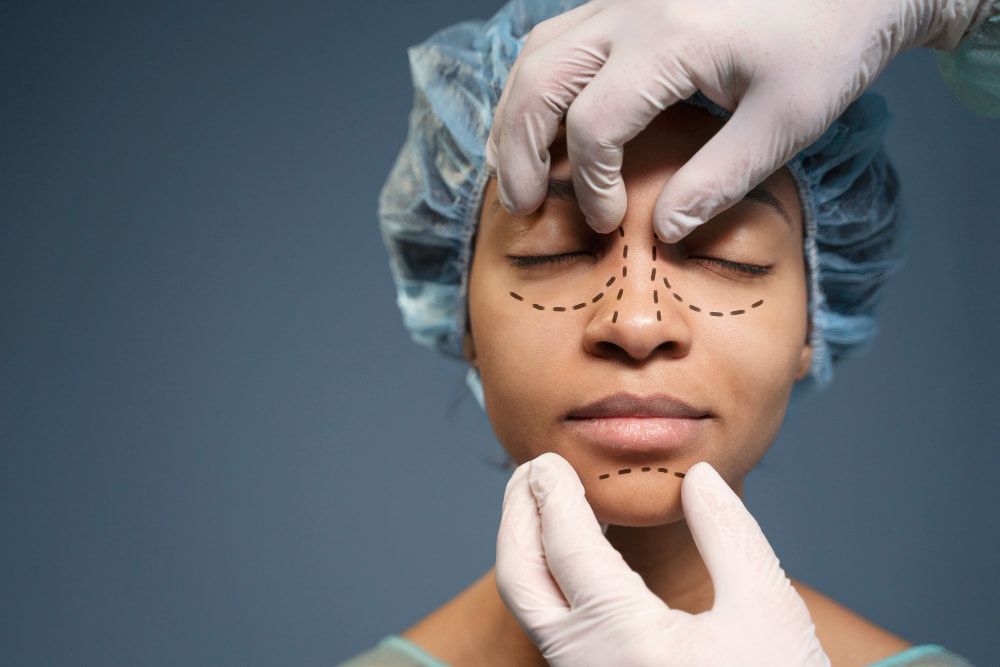
Before rhinoplasty, the surgeon evaluates the patient's nasal anatomy, facial proportions, breathing, medical history, and expectations. Photographs and, when necessary, additional examinations may be used to support treatment planning.
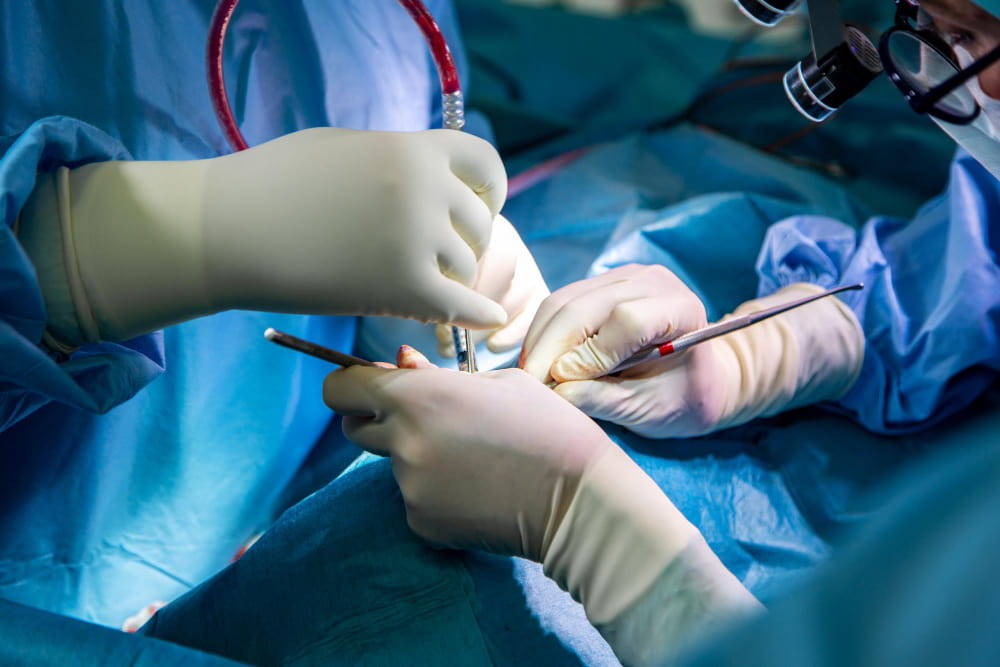
Rhinoplasty is generally performed under general anesthesia, although the type of anesthesia may vary according to the surgical plan and the patient's circumstances. The surgeon makes either internal incisions or, in an open rhinoplasty, an additional incision across the columella.
The skin and soft tissues are carefully lifted to access the underlying nasal structures. The surgeon then reshapes or repositions the bone and cartilage according to the treatment plan. Depending on the patient's needs, this may involve reducing a nasal hump, modifying the nasal tip, straightening the nasal framework, correcting asymmetry, or adding structural support.
If a deviated septum or another internal obstruction is contributing to breathing problems, septoplasty or another functional procedure may be performed at the same time.
Once the planned changes have been completed, the tissues are repositioned and the incisions are closed. A splint may be placed on the outside of the nose to provide support during the initial healing period.
The duration of rhinoplasty surgery varies according to the complexity of the procedure. A primary rhinoplasty commonly takes around 1.5 to 3 hours, although more complex or revision procedures may take longer.
A suitable candidate for rhinoplasty is generally a person in good overall health who has realistic expectations about what surgery can achieve. During the consultation, the surgeon also evaluates factors that could affect healing and surgical safety.
Rhinoplasty Before and After
Before deciding to undergo rhinoplasty, patients should consider what they want the procedure to achieve. The motivation may be primarily aesthetic, functional, or a combination of both. Identifying the underlying concern helps the surgeon develop an appropriate treatment plan and establish realistic expectations.
Rhinoplasty can create long-lasting structural changes to the nose. However, the final appearance develops gradually as swelling decreases and the tissues heal. The result can continue to refine for months after surgery, particularly around the nasal tip.
Rhinoplasty is highly individualized, and the outcome depends on factors such as the patient's existing anatomy, skin thickness, cartilage structure, healing process, and the surgical techniques used. For this reason, before-and-after photographs can provide useful examples but should not be considered a guarantee of a particular result.
Choosing an experienced surgical team and an appropriately equipped hospital is also an important part of the treatment process. Medical Park Hospitals provide plastic and reconstructive surgery services supported by advanced operating facilities and multidisciplinary medical teams. Patient safety, individualized treatment planning, and postoperative follow-up are central to the surgical process.
Recovery After Rhinoplasty
Recovery after rhinoplasty takes place gradually. Patients commonly experience swelling, bruising, nasal congestion, and mild discomfort during the first days after surgery. The initial swelling and bruising generally improve over the following one to two weeks, although some swelling may persist for considerably longer.
A nasal splint, if used, is typically removed during an early postoperative follow-up appointment. Patients should follow their surgeon's instructions regarding sleeping position, physical activity, nose care, and when they can return to work or exercise.
Although many patients can resume normal daily activities within a few weeks, the nose continues to heal and change over time. Most of the visible swelling decreases during the first several weeks and months, while subtle swelling—especially around the nasal tip—can take longer to resolve.
The final aesthetic result of rhinoplasty may therefore not be apparent immediately after surgery. In some patients, refinement of the nasal shape continues for 6 to 12 months or longer.
Patients considering rhinoplasty in Turkey should discuss their goals, expected recovery, potential risks, and follow-up requirements with their surgeon before making a decision. A thorough consultation helps ensure that the procedure is planned according to the patient's individual anatomy, functional needs, and aesthetic expectations.







 Makaleye Dön
 E-Result
 WhatsApp