


 TR
 EN
 RU
 AR
 FR


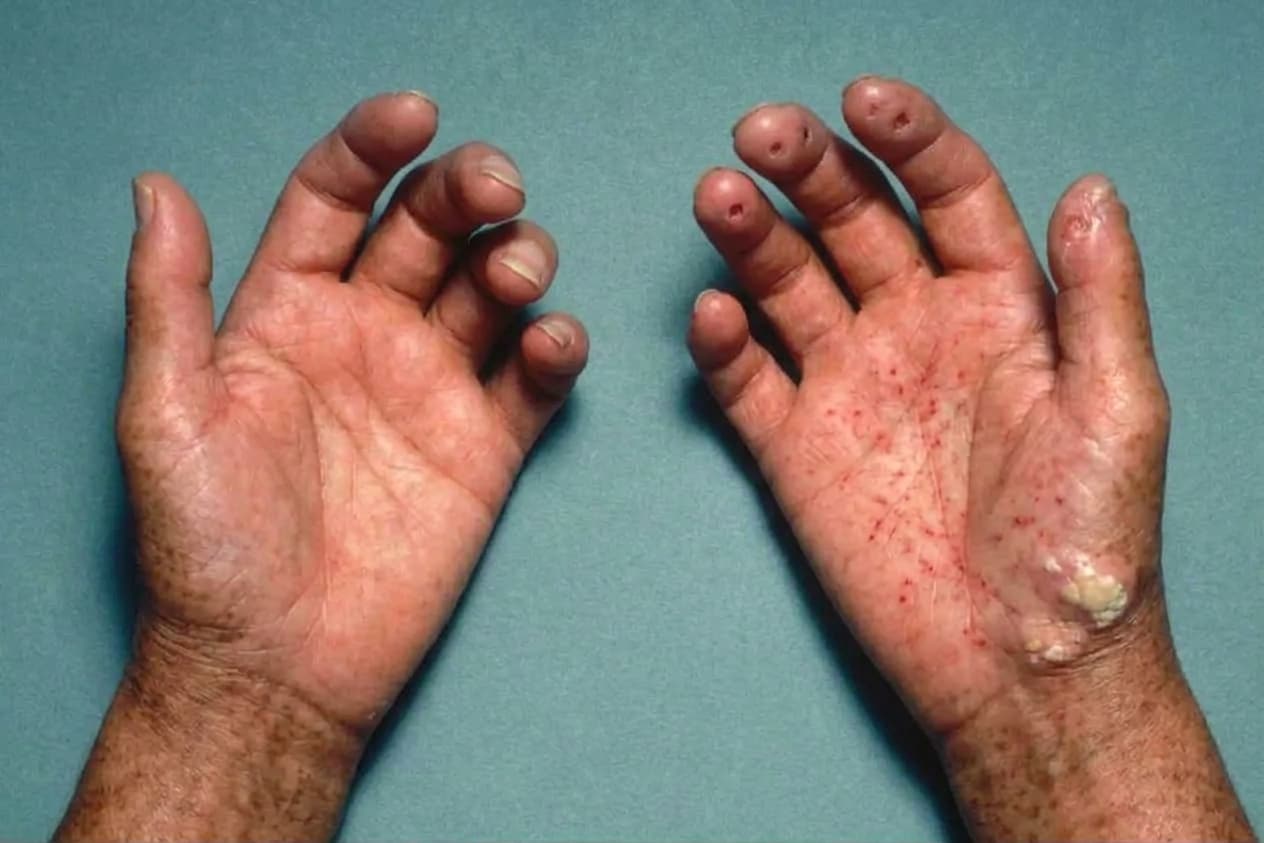

Scleroderma is a group of autoimmune conditions that cause the skin to become thick, hard, and tight. The condition develops when the body produces too much collagen, a protein that provides structure and support to tissues. While some forms affect only the skin and the tissue beneath it, others, known as systemic sclerosis, can also involve blood vessels and internal organs.
Understanding which type of scleroderma a person has is important because symptoms, potential complications, and treatment options can differ considerably. Some people develop only a few skin changes, while others experience circulation problems, joint symptoms, or complications affecting the lungs, kidneys, heart, or digestive system. Early diagnosis and appropriate monitoring can help identify these problems and guide treatment.
What Is Scleroderma?
Scleroderma is an autoimmune connective tissue disease. The immune system, which normally protects the body against infection, becomes involved in processes that affect connective tissue and small blood vessels. This can lead to inflammation, changes in circulation, and excessive collagen production, causing affected tissues to thicken or become less flexible.
The term scleroderma means “hard skin.” The systemic form is commonly called systemic sclerosis or systemic scleroderma because it can affect more than the skin. However, not everyone with scleroderma develops systemic disease, and the term does not describe a single condition with the same symptoms in every patient.
Types of Scleroderma
The main distinction is between localized scleroderma, which primarily affects the skin and underlying tissues, and systemic sclerosis, which can affect multiple parts of the body. Identifying the correct type helps doctors assess the likelihood of complications and determine what monitoring or treatment may be needed.
Localized Scleroderma: Morphea and Linear Scleroderma
Localized scleroderma primarily affects the skin and the tissue directly beneath it. It does not progress into systemic sclerosis, although deeper forms can sometimes affect movement or normal growth, particularly in children.
The two main patterns are morphea and linear scleroderma. Their appearance and depth can vary.
Morphea: This form causes patches of skin that become firm, thickened, or discolored. The patches may appear lighter or darker than the surrounding skin and can have a characteristic hardened center.
Plaque morphea: A common form of morphea in which one or more oval or round patches develop on the trunk or limbs. The affected areas may have a lighter center and a darker or purplish border, particularly during active stages.
Linear morphea: This form creates a band-like area of thickened skin, often along an arm, leg, or another part of the body. When it affects deeper tissues, it may restrict movement or interfere with the growth of a limb.
Linear scleroderma affecting the head: A type that can cause a line or groove of hardened skin on the forehead or scalp. Depending on its depth and location, it may affect underlying tissues and require specialist assessment.
The term dermatosclerosis is sometimes used to describe hardening of the skin, but it does not by itself identify the specific type of scleroderma. The appearance, location, and depth of the affected area help guide diagnosis and treatment.
Limited Systemic Sclerosis (CREST Syndrome)
Limited cutaneous systemic sclerosis is a form of systemic disease in which skin thickening usually affects the fingers, hands, face, and lower parts of the arms or legs. Internal organ involvement can occur, sometimes developing gradually over many years. Pulmonary hypertension and digestive problems are among the complications doctors may monitor for.
CREST syndrome describes a recognizable group of features associated with limited cutaneous systemic sclerosis. It is not generally classified as a separate fourth type of scleroderma. The name refers to five features:
C — Calcinosis: Deposits of calcium salts beneath the skin, which may form firm lumps.
R — Raynaud’s phenomenon: Episodes in which the fingers or toes change color in response to cold or stress because of changes in blood flow.
E — Esophageal dysmotility: Difficulty moving food through the esophagus, which can contribute to swallowing problems and reflux.
S — Sclerodactyly: Thickening and tightening of the skin on the fingers, which may make them stiff or difficult to bend.
T — Telangiectasia: Small, widened blood vessels visible near the surface of the skin, often appearing as red spots or fine lines.
Not everyone with limited systemic sclerosis develops all five features. Doctors assess the overall clinical picture, blood test results, and any evidence of organ involvement rather than relying on the CREST pattern alone.
Diffuse Systemic Sclerosis
Diffuse systemic sclerosis is a form of systemic disease in which skin thickening can spread more widely, including to the upper arms, thighs, trunk, and other areas. Skin changes may progress more rapidly during the early stages than in limited systemic sclerosis.
This subtype is associated with a greater risk of certain internal organ complications, particularly during the earlier years of the disease. Possible areas of involvement include:
Lungs: Inflammation and scarring can lead to interstitial lung disease, which may cause breathlessness and a persistent dry cough.
Kidneys: A sudden and severe rise in blood pressure with acute kidney injury can indicate a scleroderma renal crisis.
Heart: The disease can affect heart muscle function or the tissues surrounding the heart.
Digestive system: Changes in the muscles and tissues of the digestive tract can cause reflux, swallowing difficulties, or problems with bowel function.
These risks do not mean that every person with diffuse systemic sclerosis will develop serious organ damage. Regular assessment helps doctors detect changes early and adjust treatment when necessary.
Symptoms of Scleroderma
The symptoms of scleroderma depend on the type of disease, the tissues affected, and how active the condition is. Some people initially notice only a skin change or episodes of cold, discolored fingers. In systemic disease, symptoms may also involve the digestive system, joints, muscles, lungs, or other organs.
Skin Symptoms
Skin changes are among the most recognizable signs of scleroderma. The affected skin may become firm, shiny, tight, or difficult to move. The changes can be limited to a few patches or affect larger areas of the body.
Common skin symptoms include:
Skin thickening and tightening: The skin may feel harder or less flexible than usual, sometimes making everyday movements uncomfortable.
Scleroderma hands: The fingers may become swollen initially and later develop tight, thickened skin that restricts movement.
Sclerodactyly: The skin on the fingers becomes tight and thick, sometimes causing the fingers to bend less easily or making it harder to fully open the hand.
Scleroderma rash or discoloration: Localized disease may cause patches that look lighter, darker, red, or purplish around the edges. These changes do not always resemble a conventional rash.
Telangiectasia: Small visible blood vessels may develop on the face, hands, or other areas.
Calcinosis: Firm calcium deposits can form beneath the skin, sometimes becoming painful or breaking through the skin surface.
Scleroderma face symptoms: Tightening around the mouth may make it harder to open the mouth widely. Facial skin can also become smoother or less expressive.
Skin symptoms alone do not establish the diagnosis. Similar changes can occur in other conditions, so a clinical examination is important, especially when the skin becomes progressively tighter or symptoms occur alongside circulation problems.
Raynaud’s Phenomenon and Circulation Changes
Raynaud’s phenomenon is a common early sign of systemic sclerosis. It occurs when small blood vessels, particularly in the fingers and toes, narrow temporarily in response to cold temperatures or emotional stress.
During an episode, the affected fingers or toes may turn white, blue, and then red as blood flow changes and returns. Numbness, tingling, pain, or a burning sensation may accompany the color changes. Not everyone experiences all three colors.
Raynaud’s phenomenon can also occur in people who do not have scleroderma. However, new or severe symptoms, particularly when accompanied by puffy fingers, skin thickening, or fingertip sores, may prompt further investigation.
If blood flow is severely reduced, ulcers can develop on the fingertips and may heal slowly. Keeping the hands and body warm, avoiding smoking, and following prescribed treatment can help reduce attacks. New sores, persistent pain, or darkening of the skin require prompt medical assessment.
Internal Organ Symptoms
Systemic sclerosis can affect organs even when skin symptoms appear mild. The type and severity of symptoms depend on which organs are involved, so doctors may recommend screening tests before noticeable problems develop.
Possible symptoms include:
Digestive problems: Heartburn, acid reflux, bloating, constipation, or diarrhea may occur when the digestive tract is affected.
Esophageal dysmotility: Reduced movement of the esophagus can make swallowing difficult and allow stomach contents to flow back into it.
Lung involvement: Shortness of breath, reduced exercise tolerance, or a persistent dry cough may indicate interstitial lung disease or another lung complication.
Pulmonary hypertension: Increased pressure in the blood vessels supplying the lungs can cause breathlessness, fatigue, dizziness, or chest discomfort.
Joint and muscle symptoms: Pain, stiffness, weakness, or reduced flexibility may interfere with daily activities.
Fatigue: Persistent tiredness can occur for several reasons, including the disease itself, poor sleep, pain, or organ involvement.
Sudden or severe breathlessness, chest pain, fainting, or other rapidly worsening symptoms should be assessed urgently rather than attributed to scleroderma without evaluation.
What Causes Scleroderma?
The exact cause of scleroderma remains unknown. Researchers believe that the condition develops through a combination of abnormal immune activity, changes in small blood vessels, and excessive collagen production. These processes can affect how the skin and other connective tissues function.
Several factors may influence the risk of developing the disease:
Sex: Scleroderma is more common in women than in men.
Age: Systemic sclerosis is most often diagnosed in adulthood, although it can develop at other ages. Localized scleroderma can also occur in children.
Genetic susceptibility: Certain genetic factors may increase the likelihood of developing the condition, but they do not determine whether it will occur.
Environmental exposures: Some occupational or environmental exposures have been associated with scleroderma-like conditions or increased risk, but they do not explain every case.
Scleroderma is not caused by a single known factor, and a person should not assume that a particular exposure or family history is responsible for their diagnosis.
How Is Scleroderma Diagnosed?
There is no single test that confirms every type of scleroderma. Diagnosis is based on the pattern of symptoms, physical examination, blood tests, and, when needed, investigations that assess the skin, blood vessels, and internal organs.
Because other conditions can cause similar symptoms, the diagnostic process also helps distinguish localized scleroderma from systemic sclerosis and identify any complications that need treatment.
Physical Examination and Medical History
A doctor will ask about the onset and progression of symptoms, episodes of finger color changes, swallowing problems, breathlessness, joint symptoms, and relevant medical history. The examination may focus on the skin, fingers, joints, and circulation.
Findings that may support further investigation include:
Areas of thickened or hardened skin.
Swollen fingers or sclerodactyly.
Raynaud’s phenomenon or fingertip sores.
Small visible blood vessels or calcium deposits.
Reduced movement in the hands or other affected areas.
Symptoms that may indicate lung, heart, kidney, or digestive involvement.
A rheumatologist commonly evaluates suspected systemic sclerosis. Dermatology specialists may also be involved, particularly when the main concern is localized skin disease.
Blood Tests and Autoantibodies
A scleroderma blood test can help identify immune markers associated with systemic sclerosis, but results must be interpreted alongside symptoms and examination findings. A positive antibody test alone does not confirm the diagnosis, and no single negative result excludes every form of the disease.
Common tests include:
Antinuclear antibody (ANA) test: Looks for antibodies that react with components of the cell nucleus. ANA is frequently positive in systemic sclerosis but can also be found in other autoimmune conditions and sometimes in people without an autoimmune disease.
Anti-Scl-70 antibody: Also called anti-topoisomerase I, this antibody is associated with systemic sclerosis and can be linked to an increased risk of interstitial lung disease.
Anticentromere antibody: Often associated with limited cutaneous systemic sclerosis and the clinical pattern historically described as CREST syndrome.
Anti-RNA polymerase III antibody: Associated with systemic sclerosis and an increased risk of scleroderma renal crisis in some patients.
The choice of tests depends on the clinical findings. Doctors may also request routine blood and urine tests to assess kidney function and look for other clues relevant to treatment planning.
Additional Testing
Further investigations help determine how deeply localized disease affects the skin or whether systemic sclerosis has affected internal organs. Not every patient needs every test; the selection depends on symptoms, examination findings, and antibody results.
Possible investigations include:
Nailfold capillaroscopy: A painless examination of the tiny blood vessels near the base of the fingernails. Changes in these vessels can help identify patterns associated with systemic sclerosis.
Skin biopsy: A small sample of skin may be examined under a microscope when the diagnosis is uncertain, particularly in localized scleroderma.
Pulmonary function tests and lung imaging: These assess breathing capacity and help detect interstitial lung disease.
Heart investigations: An electrocardiogram, echocardiogram, or other tests may be used to assess heart function and screen for pulmonary hypertension.
Kidney monitoring: Blood pressure measurement, blood tests, and urine tests can help identify kidney problems.
Digestive investigations: Tests may be recommended for persistent reflux, swallowing difficulties, or other gastrointestinal symptoms.
Regular organ screening is particularly important in systemic sclerosis because some complications can develop before a person notices clear symptoms.
Scleroderma Renal Crisis
Scleroderma renal crisis is a serious complication in which blood pressure rises rapidly and kidney function deteriorates suddenly. It occurs most often in people with diffuse systemic sclerosis, particularly during the earlier stages of the disease, although it can occur in other circumstances.
A sudden rise in blood pressure or a marked reduction in urine output in someone with systemic sclerosis requires urgent medical assessment. Other warning signs may include a severe headache, blurred vision, confusion, shortness of breath, or other symptoms associated with a rapid increase in blood pressure or acute kidney injury. The condition can sometimes develop even in people whose blood pressure was previously normal.
Diagnosis usually involves urgent blood pressure assessment, kidney function tests, urine testing, and evaluation for other complications. Treatment must begin promptly to reduce the risk of lasting kidney damage.
Angiotensin-converting enzyme (ACE) inhibitors are the key treatment for scleroderma renal crisis and are generally started urgently when the diagnosis is suspected or confirmed. They should be prescribed and monitored by the treating medical team; patients should not attempt to treat a suspected crisis by adjusting medication themselves. Because the condition can progress quickly, it is not appropriate to wait for a routine appointment if warning signs appear.
Scleroderma Treatment
There is currently no cure for scleroderma, but treatment can relieve symptoms, manage organ complications, and help preserve mobility and quality of life. The most appropriate approach depends on whether the condition is localized or systemic, which organs are affected, and how active the disease is.
Treatment plans may change over time as symptoms and monitoring results evolve. Regular follow-up helps doctors assess whether treatment is working and whether additional investigations are needed.
Managing Skin and Raynaud’s Symptoms
Treatment for localized scleroderma depends on the depth, location, and activity of the affected areas. Some limited forms may need observation and skin care, while active or deeper disease may require prescription treatment to reduce inflammation and limit tissue damage.
For systemic sclerosis, treatment may include medication for skin involvement and circulation symptoms. Practical measures can also help manage Raynaud’s phenomenon:
Keep warm: Wear gloves in cold weather and warm the whole body, not just the hands.
Avoid smoking: Nicotine narrows blood vessels and can worsen circulation.
Protect the skin: Use gentle skin care and check fingers regularly for sores or injuries, particularly if sensation or circulation is reduced.
Use prescribed medication: Doctors may recommend medicines that relax blood vessels and improve blood flow when lifestyle measures are not enough.
The treatment of localized disease in children may require particular attention when lesions are deep or cross a joint, because they can affect movement or limb growth.
Medications for Internal Organ Involvement
Scleroderma medication is selected according to the problems being treated. There is no single medicine that works equally well for every symptom or subtype.
Depending on the patient's condition, treatment may include:
Immunosuppressants: Medicines such as mycophenolate or other immune-modifying treatments may be used for significant skin disease or lung involvement.
Antifibrotic treatment: Nintedanib may be considered for certain patients with systemic sclerosis-associated interstitial lung disease to slow the decline in lung function.
Medicines for pulmonary hypertension: Specific therapies may be needed when high pressure in the lung blood vessels is diagnosed.
Reflux and digestive treatments: Acid-reducing medicines and other symptom-directed treatments may help manage heartburn and gastrointestinal problems.
Treatment for kidney complications: Scleroderma renal crisis requires urgent treatment, usually with an ACE inhibitor under close medical supervision.
Immunosuppressants for scleroderma can have important side effects and require appropriate monitoring. The choice of medication should reflect the expected benefits, potential risks, organ involvement, and the patient's overall health.
Physical and Occupational Therapy
Skin tightening, joint stiffness, and reduced finger movement can make daily activities more difficult. Physical therapy may help maintain flexibility, while occupational therapy can support hand function and suggest practical ways to manage everyday tasks.
Depending on the symptoms, a rehabilitation plan may include range-of-motion exercises, stretching, hand exercises, and strategies to protect the joints. Exercises should be adapted to the person's abilities and medical condition, particularly when ulcers, significant pain, or organ complications are present.
Living With Scleroderma
The prognosis of scleroderma varies widely. Localized disease may remain limited to the skin, while systemic sclerosis can require long-term monitoring because of its potential effects on internal organs. The type of disease, the organs involved, the severity of symptoms, and the response to treatment all influence the outlook.
Scleroderma life expectancy cannot be predicted accurately from the diagnosis alone. Some people experience relatively mild disease, while others develop complications that require specialist care. Regular follow-up is important even when symptoms are stable, as changes in lung function, blood pressure, or kidney health may not be immediately noticeable.
Living with scleroderma often involves balancing treatment with practical steps to protect skin, maintain mobility, manage fatigue, and recognize new symptoms. Patients can work with their healthcare team to establish a monitoring schedule and understand which changes require prompt attention.
Scleroderma in children is often localized rather than systemic, but the impact depends on the type, depth, and location of the affected tissue. Children with linear or deeper disease may need monitoring for effects on movement or growth. A pediatric specialist should help guide assessment and treatment when a child is affected.
Why Choose Medical Park for Scleroderma Care?
Medical Park Hospitals in Turkey provide evaluation and treatment for patients with scleroderma, with care tailored to the type of disease, the symptoms present, and any evidence of internal organ involvement. Rheumatology specialists can assess skin and circulation changes, review antibody results, and determine which investigations are appropriate. When systemic sclerosis affects the lungs, kidneys, heart, or digestive system, other relevant specialists can be involved according to the patient's needs.
Treatment may include medication, management of circulation and digestive symptoms, monitoring of organ function, and rehabilitation when skin or joint changes affect movement. Treatment is reviewed according to the patient's response and any changes in symptoms or test results, rather than applying the same approach to every form of scleroderma.
For international patients, Medical Park's International Patient Services Center can assist with arranging specialist consultations, diagnostic testing, treatment planning, and follow-up during care in Turkey. This coordination helps patients understand their diagnosis, discuss appropriate treatment options with the relevant specialists, and organize the evaluations and ongoing monitoring needed for their individual condition.




 Makaleye Dön
 E-Result
 WhatsApp