


 TR
 EN
 RU
 AR
 FR


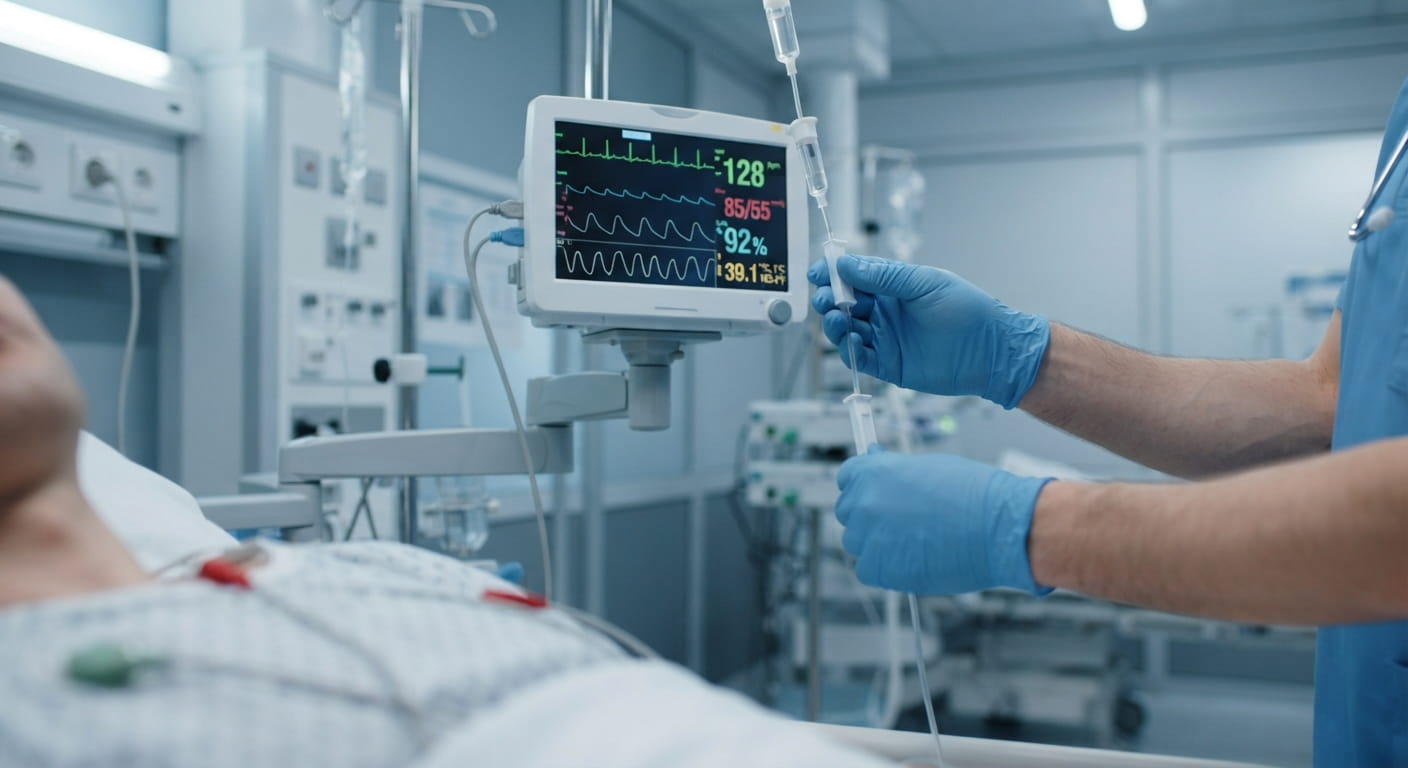

Sepsis is a life-threatening medical emergency that occurs when the body's response to an infection damages its own tissues and organs. It can develop from infections that begin in the lungs, urinary tract, abdomen, skin, or elsewhere in the body.
Septic shock is the most severe form of sepsis, involving profound circulatory problems that cause dangerously low blood pressure and inadequate blood flow to vital organs. Both conditions can progress rapidly and require immediate hospital treatment.
This guide explains how sepsis develops, how it differs from septic shock, how it is diagnosed and treated, and what recovery may involve.
What Is Sepsis?
Sepsis is a life-threatening condition in which the body's response to an infection becomes dysregulated and begins damaging its own tissues and organs. Normally, the immune system responds to bacteria, viruses, fungi, and other infectious organisms to control an infection. In sepsis, this response can disrupt circulation, blood clotting, and the normal function of vital organs.
The kidneys, lungs, liver, heart, and brain may be affected. For example, the kidneys may produce less urine, the lungs may struggle to transfer oxygen into the blood, or the brain may become affected, causing confusion or reduced alertness. Sepsis can develop during an infection at home or in hospital, including after surgery.
An infection does not automatically become sepsis. Many infections remain localized and resolve with appropriate treatment. Sepsis develops when the response to an infection causes life-threatening organ dysfunction.
Bacteremia vs. Sepsis
Bacteremia means that bacteria are present in the bloodstream. It can occur briefly without causing illness, but it may also be associated with a serious infection and lead to sepsis.
Sepsis does not require bacteremia. A person can develop sepsis from an infection in the lungs, urinary tract, abdomen, or another location even when blood cultures do not detect bacteria. A positive blood culture does not automatically mean that someone has sepsis, and a negative result does not rule it out.
Sepsis vs. Septic Shock
Sepsis involves life-threatening organ dysfunction caused by an abnormal response to infection. Septic shock is a particularly severe form in which circulatory and metabolic disturbances prevent the body from maintaining adequate blood flow to its organs.
During septic shock, blood vessels may become excessively dilated and blood pressure may fall. This reduces the delivery of oxygen and nutrients to tissues and can cause organ function to deteriorate.
The Sepsis-3 criteria identify septic shock in adults when vasopressor medication is needed to maintain adequate blood pressure and blood lactate remains elevated despite sufficient fluid resuscitation. Vasopressors constrict blood vessels to help raise blood pressure. Elevated lactate can indicate impaired tissue perfusion, although it may also rise for other reasons.
Septic shock carries a substantially higher risk of death than sepsis without shock. It usually requires intensive care and continuous monitoring. Outcomes depend on the infection, the patient's general health, the organs affected, and how quickly effective treatment begins.
Signs and Symptoms of Sepsis
Sepsis symptoms vary according to the infection, the person's age and health, and the organs affected. Some signs resemble those of common infections, but a person with sepsis often appears much sicker than expected for the original illness. Symptoms may develop rapidly and change as the condition progresses.
A person does not need to have every symptom to have sepsis. Fever may be absent, and some people develop an unusually low body temperature instead. A combination of suspected infection and new confusion, rapid breathing, extreme weakness, or signs of circulatory problems requires immediate medical assessment.
Early Signs of Sepsis
Early signs can be difficult to distinguish from those of the infection that triggered the condition. A combination of symptoms or sudden deterioration should raise concern.
Fever or low body temperature: The person may have a high temperature, chills, or shivering. Older adults and people with weakened immune systems may develop an abnormally low temperature instead.
Fast heartbeat: The heart may beat faster than usual as the body attempts to maintain circulation.
Rapid breathing: Breathing may become unusually fast or difficult, sometimes before the person notices significant breathlessness.
Confusion or unusual sleepiness: The person may seem disoriented, have difficulty answering questions, behave differently, or become difficult to wake.
Severe pain or discomfort: Some people experience intense body pain or a general feeling of extreme illness.
Clammy or mottled skin: The skin may feel cold, damp, or unusually pale because of changes in circulation.
Reduced urine output: Producing much less urine than usual may indicate that the kidneys are affected or are receiving insufficient blood flow.
A rash is not present in every case of sepsis. Certain infections, including some forms of meningitis, can cause a rash that does not fade when pressed, but the absence of a rash does not rule out sepsis.
Signs in Babies, Children, and Older Adults
Sepsis symptoms in babies and children can differ from those in adults. Young children may not be able to describe pain or dizziness, so changes in feeding, behavior, alertness, and breathing are particularly important. Possible signs include poor feeding, unusual lethargy, rapid or difficult breathing, cold hands and feet, pale or mottled skin, and fewer wet diapers. A baby may also have a fever or an abnormally low temperature.
Neonatal sepsis refers to sepsis in newborn babies. Because newborns can deteriorate quickly and may show only subtle symptoms, suspected infection in a baby requires immediate medical evaluation.
Older adults may develop sepsis without a high fever or typical infection symptoms. Sudden confusion, unusual sleepiness, reduced mobility, loss of appetite, or a decline in everyday functioning may be among the first noticeable signs. When these changes occur alongside a suspected infection, urgent assessment is necessary.
Signs of Septic Shock
Septic shock involves severe circulatory dysfunction. Signs may include very low blood pressure, dizziness or fainting, cold or mottled skin, a weak or rapid pulse, very little urine, rapid or difficult breathing, confusion, and reduced consciousness. It requires immediate hospital treatment, usually in an intensive care unit.
When to Seek Emergency Care
Seek emergency medical care immediately if sepsis is suspected. Go to the nearest emergency department or call the local emergency number if an infection is accompanied by confusion, very fast breathing, a rapid heartbeat, extreme weakness, fainting, cold or mottled skin, or markedly reduced urine output.
Do not wait for all symptoms to appear or delay care to see whether a fever comes down. Tell the emergency team that sepsis is a concern and explain when the infection and new symptoms began. A person who initially seems stable may deteriorate within a short period.
What Causes Sepsis?
Sepsis is triggered by an infection, usually bacterial but sometimes viral or fungal. The infection may begin in one part of the body and remain localized, or it may trigger a dysregulated response that affects the entire body. Almost any infection can potentially lead to sepsis, although some sources are more common than others.
Infections That Commonly Lead to Sepsis
Pneumonia: Lung infections are a frequent source of sepsis. Severe pneumonia can interfere with oxygen exchange and trigger a widespread inflammatory response.
Urinary tract infections: An infection involving the bladder or kidneys can lead to sepsis, particularly when treatment is delayed or the person has additional risk factors.
Abdominal infections: Appendicitis, peritonitis, gallbladder infections, and abdominal abscesses can cause sepsis if infection spreads beyond its original location.
Skin and wound infections: Cellulitis, boils, abscesses, and infected wounds may lead to sepsis, especially when infection progresses rapidly.
Meningitis: Infection involving the membranes surrounding the brain and spinal cord can cause sepsis and may progress quickly.
Dental infections: A severe dental abscess can spread into surrounding tissues and, in some cases, lead to a serious systemic infection.
Catheter-related infections: Urinary catheters, intravenous lines, and other medical devices can provide a route for infectious organisms to enter the body.
Postoperative infections: An infection following surgery may involve the incision, deeper tissues, or an internal organ and can lead to sepsis.
A localized infection does not always become sepsis. However, worsening symptoms, spreading redness, increasing pain, fever or low temperature, confusion, and rapid breathing require prompt medical evaluation.
How Pneumonia Turns Into Sepsis
Pneumonia causes inflammation in the air sacs of the lungs, which may fill with fluid or pus and interfere with oxygen transfer into the bloodstream. When the infection is severe, infectious organisms and inflammatory signals can trigger a dysregulated response throughout the body.
This response may affect circulation, blood clotting, and organ function, leading to sepsis. The infection may spread beyond the lungs or enter the bloodstream, but bloodstream infection is not required. New confusion, very fast breathing, increasing breathlessness, a rapid heartbeat, extreme weakness, or low blood pressure are warning signs that require emergency assessment.
Who Is at Higher Risk of Sepsis?
Sepsis can affect anyone with an infection, but certain groups are more vulnerable to severe illness:
Infants and newborns: Their immune systems are still developing, and infections can progress rapidly.
Older adults: Age-related changes in immune function and chronic conditions increase vulnerability.
Pregnant and recently pregnant women: Maternal sepsis can occur during pregnancy, childbirth, or the weeks after delivery.
People with diabetes: Changes in immune function and circulation can increase the risk of infection and complications.
People with cancer or weakened immunity: Cancer treatments, immunosuppressive medicines, and some immune disorders can make it harder to control infections.
People with chronic organ disease: Kidney disease, liver disease, heart disease, and chronic lung conditions can increase the risk of complications.
People recently hospitalized or operated on: Surgical wounds, invasive procedures, and medical devices can create opportunities for infection.
Maternal sepsis may be associated with urinary infections, reproductive tract infections, pneumonia, or wound infections after cesarean delivery. Fever, severe abdominal or pelvic pain, foul-smelling vaginal discharge, rapid breathing, confusion, or a sudden feeling of extreme illness after delivery require urgent medical assessment.
Is Sepsis Contagious?
Sepsis itself is not contagious. It is the body's harmful response to an infection, rather than an infectious organism that can pass from one person to another.
However, the infection that triggers sepsis may be contagious. Influenza, COVID-19, certain types of pneumonia, and some forms of meningitis can spread between people. Other causes, such as urinary tract infections, abdominal infections, and many wound infections, are not generally transmitted through ordinary contact.
Hand hygiene, appropriate wound care, safe food preparation, vaccination, and infection-control measures in healthcare settings help prevent infections. A person with sepsis may need isolation precautions in hospital if the underlying infection can spread.
How Is Sepsis Diagnosed?
There is no single test that can confirm or rule out sepsis in every patient. Doctors diagnose it by combining symptoms, medical history, physical examination, vital signs, laboratory results, and evidence of organ dysfunction.
The assessment must be rapid because treatment may need to begin before the exact organism or source of infection is known. Doctors also consider other conditions that can cause similar symptoms, since not every person with fever, low blood pressure, or an abnormal blood test has sepsis.
Assessment and Screening
The first assessment focuses on the patient's general condition, circulation, breathing, and mental state. Doctors and nurses check heart rate, respiratory rate, blood pressure, body temperature, oxygen levels, mental status, and urine output. A rapid pulse or breathing rate, low blood pressure, confusion, or reduced urine production may indicate deterioration.
Hospitals may use screening tools to identify patients who need further assessment. The quick Sequential Organ Failure Assessment (qSOFA) score considers rapid breathing, altered mental status, and low systolic blood pressure in adults with suspected infection. It can help identify people at increased risk of poor outcomes, but it is not a diagnostic test and should not be used alone to rule out sepsis.
The full SOFA score assesses several organ systems, including respiratory, cardiovascular, neurological, kidney, liver, and blood-clotting function. Doctors interpret these scores alongside the patient's clinical condition.
Blood Tests and Cultures
Blood tests help identify infection, assess inflammation, evaluate organ function, and guide treatment.
Blood cultures: Samples are collected to check whether bacteria or fungi are growing in the bloodstream. Cultures are ideally taken before antibiotics when this can be done without delaying treatment.
Lactate: Blood lactate levels can help assess tissue perfusion and metabolic stress. An elevated level may indicate impaired tissue oxygen delivery, although it can also rise for other reasons.
Complete blood count: White blood cell counts may be high or low during sepsis. Platelet measurements can also provide information about the patient's condition.
C-reactive protein and procalcitonin: These markers can support the assessment of inflammation and possible bacterial infection, but neither confirms sepsis on its own.
Kidney and liver tests: Measurements such as creatinine, urea, bilirubin, and liver enzymes help identify organ dysfunction.
Blood-clotting tests: These may identify abnormalities in the clotting system, which can occur in severe sepsis.
Blood test results must be interpreted in context. A normal white blood cell count or a low inflammation marker does not automatically exclude sepsis.
Finding the Infection Source and Assessing Organ Damage
Identifying the infection source helps doctors choose appropriate treatment and determine whether a procedure is needed. Investigations may involve urine tests, wound samples, sputum cultures, or samples from other suspected sites.
Imaging may also be required. A chest X-ray or CT scan can help identify pneumonia, while ultrasound or CT imaging of the abdomen may reveal an abscess, appendicitis, or another internal infection. If a catheter or other medical device is suspected, the care team assesses whether it needs to be removed or replaced.
The assessment also checks whether the lungs, kidneys, liver, heart, brain, or blood-clotting system are functioning properly. Urine output and kidney blood tests can identify acute kidney injury, while oxygen measurements and chest imaging help assess the lungs. These findings help determine whether the patient needs intensive care.
Sepsis and Septic Shock Treatment
Sepsis treatment is an emergency and usually begins in the hospital before the exact infectious organism has been identified. The main goals are to control the infection, restore adequate circulation, support affected organs, and prevent further damage.
Treatment may involve emergency medicine, intensive care, infectious diseases, internal medicine, and surgery. Patients with septic shock or significant organ dysfunction often require intensive care and continuous monitoring.
Antibiotics and Intravenous Fluids
Antibiotics are central to treatment when bacterial infection is suspected. For adults with possible septic shock or a high likelihood of sepsis, international guidelines recommend administering antimicrobial treatment immediately, ideally within one hour of recognition. For possible sepsis without shock, doctors perform a rapid assessment to determine whether infection is the likely cause and whether antibiotics are needed.
When possible, blood cultures and other relevant samples are collected before antibiotics are given. However, sample collection must not delay urgently needed treatment. Initial antibiotic selection is based on the suspected infection source, the patient's medical history, local resistance patterns, and the severity of illness. Treatment may be adjusted when culture results become available.
Intravenous fluids are often given to restore circulating blood volume and improve blood flow to organs. The amount and rate depend on the patient's condition and response to treatment. People with heart or kidney disease may need particularly careful monitoring to avoid fluid overload.
Source Control and Treatment of Septic Shock
Antibiotics alone may not be enough if the infection source requires a procedure. Source control means physically addressing the source so that it does not continue to spread or trigger further inflammation. Depending on the cause, it may involve draining an abscess, removing an infected catheter, cleaning infected tissue, or performing surgery for appendicitis, perforation, or another internal infection.
Septic shock causes persistent low blood pressure and inadequate circulation despite initial fluid treatment. Patients usually require intensive care. Doctors may administer vasopressors, medicines that constrict blood vessels and help raise blood pressure. Norepinephrine is commonly used as the first-line vasopressor in adults with septic shock.
Blood pressure, heart function, urine output, lactate levels, and other indicators of tissue perfusion are monitored during treatment. The care team adjusts fluids and medications according to the patient's response.
Supporting Affected Organs
When sepsis affects vital organs, treatment includes measures to support their function while the infection is brought under control.
Respiratory support: Oxygen may be provided when blood oxygen levels are low. Some patients require noninvasive breathing support or mechanical ventilation through a breathing tube.
Kidney support: Acute kidney injury may require careful fluid and medication management. Dialysis or another form of renal replacement therapy may be necessary in severe cases.
Cardiovascular support: Medicines and continuous monitoring may be required to maintain adequate circulation and support heart function.
Nutritional support: Patients who cannot eat normally may require nutritional support during prolonged critical illness.
Not every patient needs all these interventions. Treatment is adjusted as organ function changes and the patient responds to therapy.
What Families Can Expect
Having a family member treated for sepsis or septic shock can be frightening, particularly when the patient is unable to communicate. The medical team should explain the suspected infection source, treatment priorities, and changes in the patient's condition.
Families may ask which organs are affected, whether the infection source has been identified, what treatments are being given, and whether the patient needs intensive care, blood pressure support, or breathing assistance. They can also ask what signs will indicate that treatment is working and how updates will be provided.
Sepsis-Associated Delirium and Effects on the Brain
Sepsis can affect the brain and cause sudden changes in thinking, awareness, behavior, and attention. These changes may occur during the infection itself or while a patient is receiving intensive care. They can be distressing for patients and families, particularly when the person seems confused, frightened, agitated, or disconnected from their surroundings.
Brain-related effects may result from inflammation, changes in blood flow, low oxygen levels, metabolic disturbances, medication effects, and the stress of critical illness. Some patients recover their usual thinking and behavior as the infection and organ dysfunction improve, while others experience longer-lasting difficulties.
Delirium, Hallucinations, and Post-Sepsis Psychosis
Delirium is a sudden disturbance in attention and awareness that can cause a person to become confused or behave differently. It often develops over hours or days and may fluctuate, meaning the person can seem more alert at one time and significantly confused later.
Sepsis-associated delirium may involve disorientation, difficulty following conversations, agitation, unusual sleepiness, disrupted sleep, or hallucinations. Some patients become restless and frightened, while others become unusually quiet or difficult to wake.
The phrase post-sepsis psychosis is sometimes used in online searches to describe hallucinations, paranoia, or unusual beliefs after sepsis. However, it is not a formally established diagnosis, and evidence about a distinct psychotic disorder caused specifically by sepsis remains limited. These symptoms may instead be related to delirium, medication effects, sleep deprivation, metabolic disturbances, or other medical and psychological complications.
New hallucinations, paranoia, severe confusion, or major changes in behavior after sepsis should be assessed promptly. Medical causes, including infection recurrence and medication effects, need to be investigated. Psychiatric assessment may also be appropriate when symptoms persist or cause significant distress.
How Families Can Help
Families can support a person experiencing delirium by helping them feel safe and connected to their surroundings. Speaking slowly, using familiar voices, gently reminding the person where they are, and making glasses or hearing aids available can help. Familiar photographs or personal belongings may also provide reassurance.
Avoid arguing with a person about what they believe they are seeing or experiencing. Report new agitation, hallucinations, unusual sleepiness, or changes in awareness to the care team. Any sudden deterioration in consciousness or new neurological symptoms must be reported immediately.
Post-Sepsis Syndrome and Recovery
Surviving sepsis does not always mean that a person immediately returns to their previous level of health. Recovery can take weeks or months, particularly after septic shock, prolonged hospitalization, or intensive care treatment. Some survivors experience lasting physical, cognitive, and emotional difficulties, often described collectively as post-sepsis syndrome.
Post-sepsis syndrome (PSS) is not one fixed disease with a single set of diagnostic criteria. It is a term used to describe new or persistent problems that can follow sepsis. Symptoms vary considerably, and some people recover fully while others need ongoing rehabilitation and medical support.
Symptoms of Post-Sepsis Syndrome
Symptoms can become noticeable immediately or emerge gradually as the person returns to everyday activities. They may include:
Persistent fatigue: Severe tiredness may continue even after the infection has resolved and the person is sleeping regularly.
Muscle weakness: Loss of muscle strength during critical illness and prolonged bed rest can make walking, standing, and everyday activities difficult.
Pain and discomfort: Muscle and joint pain, headaches, or other persistent discomfort may interfere with daily life.
Sleep problems: Some survivors have difficulty falling asleep, staying asleep, or maintaining a regular sleep schedule.
Hair loss and skin changes: Temporary hair shedding, dry skin, or changes in nail strength may occur during recovery from serious illness.
Memory and concentration problems: A person may have difficulty remembering conversations, concentrating, organizing tasks, or finding the right words.
Anxiety and depression: Fear of becoming ill again, low mood, irritability, or loss of confidence may develop.
Post-traumatic stress symptoms: Nightmares, flashbacks, intrusive memories, or avoidance of reminders of the hospital experience may occur.
Reduced physical endurance: Activities that were previously easy may cause breathlessness, weakness, or exhaustion.
Some survivors also have ongoing organ problems, such as reduced kidney function or respiratory difficulties. Many symptoms improve over time, but persistent or worsening problems should be discussed with a healthcare professional.
Physical, Emotional, and Cognitive Recovery
Physical recovery often begins while the patient is still in the hospital. Once the medical team considers it safe, rehabilitation may involve sitting upright, standing, walking short distances, and gradually returning to basic daily activities.
A rehabilitation plan should reflect the person's strength, organ function, mobility, and medical stability. It may include physical therapy to improve strength and balance, occupational therapy to support everyday tasks, nutritional support, and breathing rehabilitation for people with ongoing respiratory weakness. The treating team or physiotherapist can help determine how to increase activity safely.
The psychological effects of sepsis can be as difficult as the physical ones. Patients may feel anxious about another infection, distressed by memories of intensive care, or frustrated by changes in memory and concentration. Some survivors develop symptoms of anxiety, depression, or post-traumatic stress disorder (PTSD).
Cognitive difficulties may include forgetting recent conversations or appointments, having difficulty concentrating, taking longer to complete familiar tasks, or struggling to organize activities and make decisions. Persistent symptoms may require assessment by a physician, psychologist, psychiatrist, or another relevant specialist. Psychological therapy, cognitive rehabilitation, and peer support may help patients adjust to these changes.
Follow-Up Care After Sepsis
Follow-up after sepsis helps identify ongoing organ problems, monitor recovery, and address symptoms that may not have been obvious during hospitalization. The first review should include an explanation of the original infection, which organs were affected, what treatments were given, and whether further monitoring is needed.
Depending on the patient's condition, follow-up may include reviewing kidney, liver, heart, and lung function; checking medications; assessing wounds and mobility; and evaluating memory, concentration, sleep, and emotional health. The care team may also review vaccination needs and whether rehabilitation or specialist care is required.
Sepsis survivors may have a higher risk of another serious infection, particularly during the period after discharge. A new infection that is getting worse should be assessed promptly. Confusion, rapid breathing, extreme weakness, fainting, or other signs of possible sepsis require emergency care.
Preventing Sepsis
Not every case of sepsis can be prevented, but reducing the risk of infection and treating infections promptly can lower the likelihood of serious complications. Prevention is especially important for infants, older adults, pregnant women, people with chronic conditions, and those with weakened immune systems.
Vaccination and Infection Prevention
Vaccines help prevent infections that can sometimes lead to sepsis. Depending on age, health status, and national recommendations, vaccination may include protection against influenza, pneumococcal disease, COVID-19, meningococcal disease, and other infections. People with chronic conditions or weakened immunity should discuss their vaccination needs with a healthcare professional.
Hand hygiene reduces the spread of many infectious organisms. Washing hands with soap and water, or using an appropriate alcohol-based hand sanitizer, is particularly important before eating, after using the bathroom, and after contact with wounds or bodily fluids.
Cuts, burns, surgical wounds, and other breaks in the skin should be cleaned and covered appropriately. Increasing redness, swelling, warmth, pus, worsening pain, or fever may indicate a developing infection. People with diabetes or poor circulation should seek assessment promptly when a wound develops.
Managing Health Conditions and Treating Infections
Conditions such as diabetes, kidney disease, chronic lung disease, and cancer can increase the risk of severe infection. Following the recommended treatment plan, attending routine appointments, and monitoring chronic conditions can help reduce complications.
People receiving chemotherapy, immunosuppressive treatment, or other therapies that weaken immune function should follow their medical team's instructions about infection prevention and when to seek urgent care. An infection that is worsening despite treatment should be reassessed, particularly if new confusion, rapid breathing, or extreme weakness appears.
Antibiotics should only be taken when prescribed and according to the clinician's instructions. Leftover antibiotics, sharing medication, or stopping treatment without medical advice can lead to inappropriate treatment and contribute to antimicrobial resistance.
Pregnancy, Newborn Care, and Sanitation
Infection prevention during pregnancy, childbirth, and the postpartum period helps reduce the risk of maternal and neonatal sepsis. Appropriate prenatal care, clean delivery practices, timely treatment of maternal infections, and newborn assessment are important parts of prevention.
Pregnant women and people who have recently given birth should seek urgent medical attention for fever, severe pain, foul-smelling discharge, rapid breathing, confusion, or a sudden deterioration in their general condition. Newborns with poor feeding, lethargy, temperature changes, or breathing difficulties need immediate assessment.
Access to clean water, safe food preparation, proper sanitation, and effective waste disposal also helps prevent infections.
Sepsis After Surgery or Treatment Away From Home
An infection following surgery or another medical procedure can sometimes progress to sepsis. The source may be the surgical incision, deeper tissues, an internal organ, or a medical device used during treatment.
After a procedure, warning signs include fever or low body temperature, spreading redness around the wound, pus or unusual discharge, severe or worsening pain, a rapid heartbeat, confusion, or extreme weakness. These symptoms require urgent medical assessment, particularly when they occur together or the person's condition is deteriorating.
For patients who have traveled for treatment, it is important to know how to access emergency care at the destination. Do not wait until you return home or delay treatment because of travel arrangements. If sepsis is suspected, go to the nearest emergency department or call the local emergency number immediately.
International patients receiving treatment in Turkey should call 112 for emergency medical assistance. Keep discharge documents, medication information, and details of the procedure accessible, but do not delay emergency care to collect paperwork.
Emergency and Critical Care for Sepsis at Medical Park
Sepsis and septic shock require rapid hospital assessment, immediate treatment, and close monitoring. At Medical Park hospitals in Turkey, Emergency Service specialists assess the patient's condition and identify the suspected infection, with support from Infectious Diseases, Internal Medicine, and Anesthesiology and Reanimation specialists as needed.
The care plan may include blood tests, cultures, and imaging to identify the infection and assess organ function. Treatment can involve intravenous antibiotics and fluids, followed by source control when necessary, such as draining an abscess or removing an infected device. Patients with septic shock or serious organ dysfunction may require intensive care, including vasopressors, respiratory support, or kidney support.
After stabilization, follow-up focuses on organ function and recovery needs, which may include physical rehabilitation and assessment of cognitive or psychological effects. Medical Park’s International Patient Services Center helps international patients coordinate consultations, hospital arrangements, and follow-up.


 Makaleye Dön
 E-Result