


 TR
 EN
 RU
 AR
 FR


Septoplasty is a common and effective surgical treatment for deviated septum designed to improve airflow through the nose. When the wall between your nostrils (nasal septum) is crooked, it can block one or both sides of the nose and make breathing difficult.
This guide explains what septoplasty is, how this deviated septum surgery is performed, recovery expectations, risks, and how it differs from but still can be combined with cosmetic nose procedures such as rhinoplasty.
What Is Septoplasty?
Septoplasty is a type of surgery inside the nose that straightens a crooked or displaced septum. The septum is made of bone and nasal septum cartilage, and it divides the nose into two chambers. If the septum is bent (a condition called deviated nasal septum) it can block airflow and lead to:
Chronic nasal congestion
Difficulty breathing through one or both nostrils
Frequent nosebleeds
Recurrent sinus infections
Snoring or sleep disturbances
Septal deviation surgery corrects this structural problem by trimming, repositioning, or replacing parts of the cartilage and bone so that the septum sits in the center of the nose. Septoplasty is one of the most common procedures performed by Ear, Nose and Throat (ENT) specialists. It is usually a minor outpatient procedure, meaning most patients go home the same day.
Who Needs Deviated Septum Surgery?
A crooked septum is very common. Many people have some degree of deviation and may not even notice it.
However, deviated septum surgery may be recommended when symptoms affect quality of life, such as:
Persistent nasal blockage
Mouth breathing due to poor nasal airflow
Frequent sinus infections
Recurrent nosebleeds
Headaches related to sinus pressure
Obstructive sleep apnea linked to airway obstruction
If conservative treatments (such as nasal sprays or medications) do not improve symptoms, a septoplasty may be the most effective solution.
How Is Septoplasty Surgery Performed?
Septoplasty surgery typically takes between 30 and 90 minutes.
Anesthesia
Depending on the complexity of the case and patient preference, the procedure can be done under:
Local anesthesia with sedation (numbing the nose while the patient is relaxed)
General anesthesia (the patient is fully asleep)
Your surgeon and anesthesiologist will determine the safest and most suitable anesthesia option for your surgery.
Surgical Technique
During the procedure:
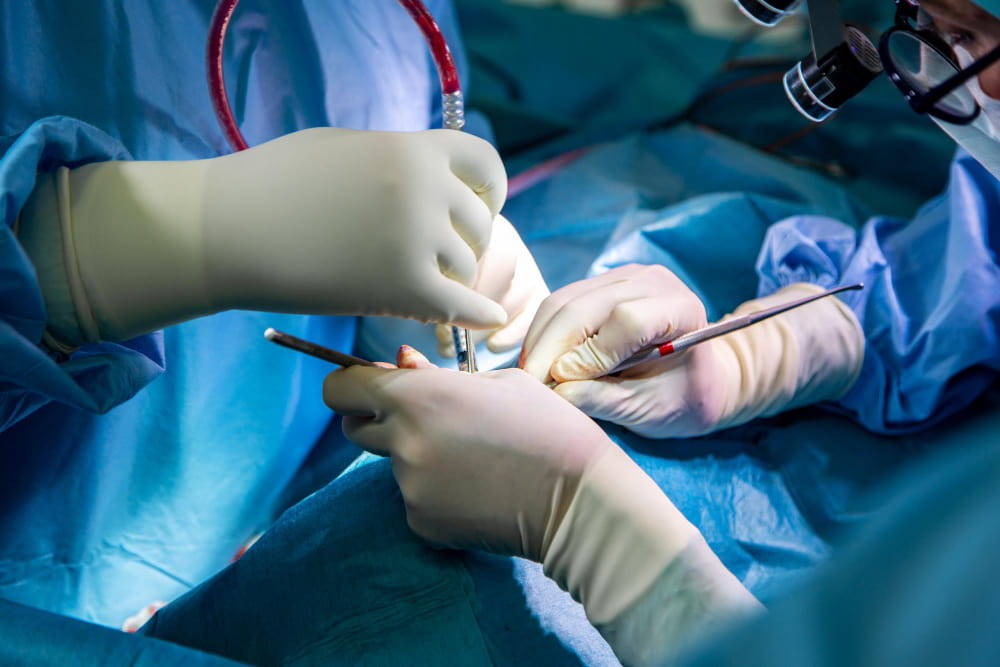
The surgeon makes an incision inside one side of the nose.
The thin lining covering the septum (mucosa) is gently lifted.
The deviated portions of bone and cartilage are reshaped, trimmed, or repositioned.
In some cases, pieces are removed and then placed back in a corrected position.
The lining is repositioned, and dissolvable stitches are used to close the incision.
Sometimes small silicone splints or soft packing are placed inside the nostrils to support healing and prevent bleeding.
If crooked nasal bones are contributing to the deviation, they may also be adjusted.
Septoplasty and Turbinate Reduction
Many patients undergo septoplasty and turbinate reduction at the same time.
Turbinates are structures inside the nose that help humidify and filter air. If they are enlarged, they can further block airflow.
During septoplasty and reduction of turbinates, the surgeon reduces the size of these tissues to improve breathing. Combining both procedures often provides better long-term airflow results.
Balloon Septoplasty
In select cases, balloon septoplasty may be considered. This minimally invasive technique uses a small balloon device to help reposition certain areas of the septum. However, it is not suitable for all types of deviations, particularly more complex structural deformities.
Your surgeon will determine whether traditional septal deviation surgery or balloon techniques are appropriate for your condition.
Rhinoplasty vs Septoplasty
Understanding the difference between rhinoplasty and septoplasty is important:
Septoplasty: Corrects internal structural issues to improve breathing.
Rhinoplasty: Reshapes the external nose for cosmetic reasons.
When treating septal deviation, however, surgeons may address both functional and aesthetic concerns during a single procedure.
Septorhinoplasty for Deviated Septum
Sometimes patients require both functional correction and cosmetic improvement.
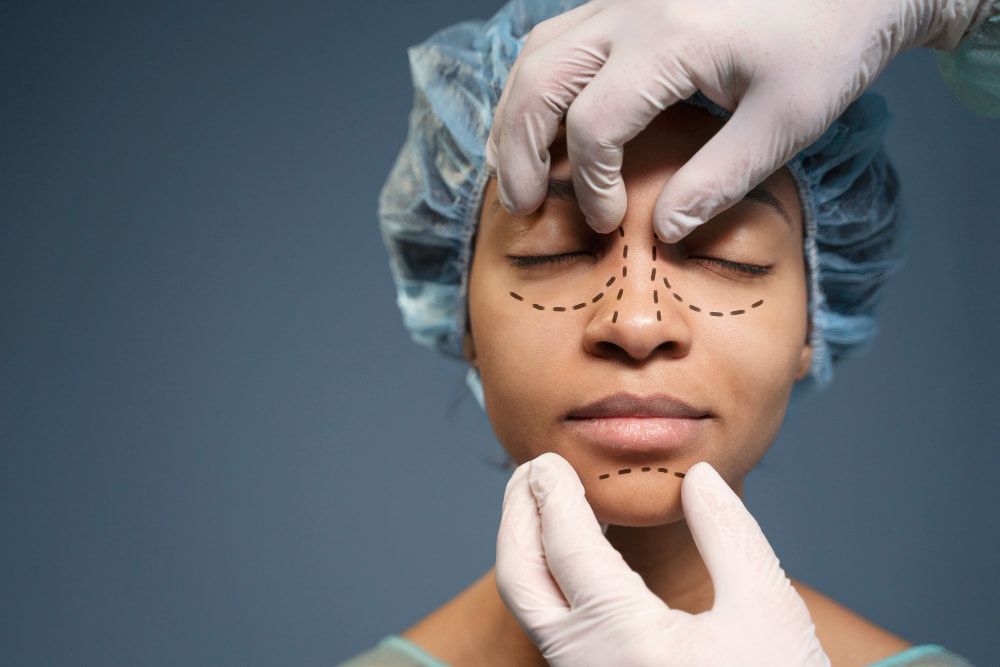
Septorhinoplasty for deviated septum combines septoplasty (to improve breathing) with rhinoplasty (to reshape the external appearance of the nose).
This approach may be recommended when:
A deviated septum affects both breathing and nasal appearance
Nasal bones need repositioning
Structural grafts are required to support the nose
What to Expect After Surgery
Immediately After the Procedure
After septoplasty surgery, you’ll spend time in a recovery area until the anesthesia wears off. Most patients go home the same day, but you’ll need someone to drive you.
Common early symptoms include:
Mild to moderate discomfort
Nasal congestion
Bloody drainage
Swelling
A feeling of sinus pressure
Many patients describe the sensation as similar to having a sinus infection.
Septoplasty Recovery
Septoplasty Recovery Day by Day
First 48 hours:
Mild bleeding and drainage are common.
Nasal packing (if used) helps absorb blood.
Rest with your head elevated.
Days 3–7:
Swelling and congestion gradually improve.
Most patients return to light activities within a week.
Splints or packing may be removed at a follow-up visit.
Weeks 2–4:
Breathing steadily improves.
Avoid strenuous exercise and heavy lifting.
Up to 3–6 months:
Internal tissues continue to stabilize.
Final breathing results become clearer.
Overall, initial septoplasty recovery takes about one to two weeks, but complete internal healing can take several months.
Septoplasty Before and After
Patients often notice significant improvement in airflow once swelling decreases.
Septoplasty before and after differences may include:
Easier breathing through both nostrils
Reduced sinus infections
Better sleep
Fewer nosebleeds
However, results vary from person to person. In rare cases, symptoms may persist, and revision surgery may be considered.
Risks and Complications
Like all surgeries, septoplasty carries some risks. These include:
Bleeding
Infection after septoplasty
Reaction to anesthesia
Persistent nasal obstruction
Change in nose shape
Septal perforation (a hole in the septum)
Reduced sense of smell
Septal hematoma (collection of blood)
Temporary numbness in upper teeth or gums
Poor wound healing
Although serious complications are rare, you should discuss your individual risk factors with your surgeon before surgery.
Infection After Septoplasty
While uncommon, infection after septoplasty can occur. Signs include:
Fever
Increasing pain
Foul-smelling discharge
Severe swelling
If you experience these symptoms, contact your healthcare provider immediately.
How to Prepare for Septoplasty Surgery
Before surgery, your surgeon will:
Review your medical history
Discuss medications and supplements
Perform a physical examination
Possibly take photographs
Order blood tests if needed
You may be advised to:
Stop taking aspirin, ibuprofen or naproxen before and after surgery
Stop smoking (to reduce healing complications)
Avoid eating or drinking for a certain period before surgery
Clear communication about your goals and expectations is essential.
Aftercare and Recovery Tips
To reduce bleeding and swelling:
Sleep on your back with your head elevated
Avoid blowing your nose for several weeks
Sneeze with your mouth open
Avoid heavy lifting and strenuous exercise for up to six weeks
Wear front-opening clothing instead of pulling garments over your head
Follow your surgical team's instructions carefully to support healing.
Septoplasty in Turkey at Medical Park
Turkey is increasingly preferred by medical tourists from around the world for nose surgery procedures, including septoplasty surgery and advanced deviated septum treatment. However, for a functional and sometimes complex procedure like deviated septum surgery, choosing the right hospital is just as important as choosing the right country.
At Medical Park, septoplasty is performed in modern operating rooms equipped with advanced surgical technology and supported by experienced ENT surgeons. As part of a healthcare group that includes JCI-accredited hospitals, Medical Park adheres to internationally recognized patient safety and quality standards, an important consideration when undergoing surgery inside the nose where precision is essential.
Medical Park’s value lies in:
Experienced ear, nose and throat specialists with strong expertise in septal deviation surgery
Comprehensive pre-operative evaluation and detailed surgical planning
Advanced imaging and surgical equipment to improve accuracy
The ability to combine procedures such as septoplasty and turbinate reduction or septorhinoplasty for deviated septum when medically indicated
Structured post-operative follow-up to support a safe and smooth septoplasty recovery
Correcting a deviated nasal septum requires careful assessment of nasal anatomy, airflow dynamics and long-term functional outcomes. In complex cases including revision surgery or combined functional and cosmetic procedures, treatment in a fully equipped, internationally accredited hospital can help reduce the risk of complications and improve overall results.
For international patients seeking septoplasty in Turkey, Medical Park provides coordinated care, multilingual support and individualized treatment pathways. With the right surgical expertise and hospital infrastructure, septoplasty can offer meaningful, long-term improvement in breathing comfort and quality of life.






 Makaleye Dön
 E-Result
 WhatsApp