


 TR
 EN
 RU
 AR
 FR


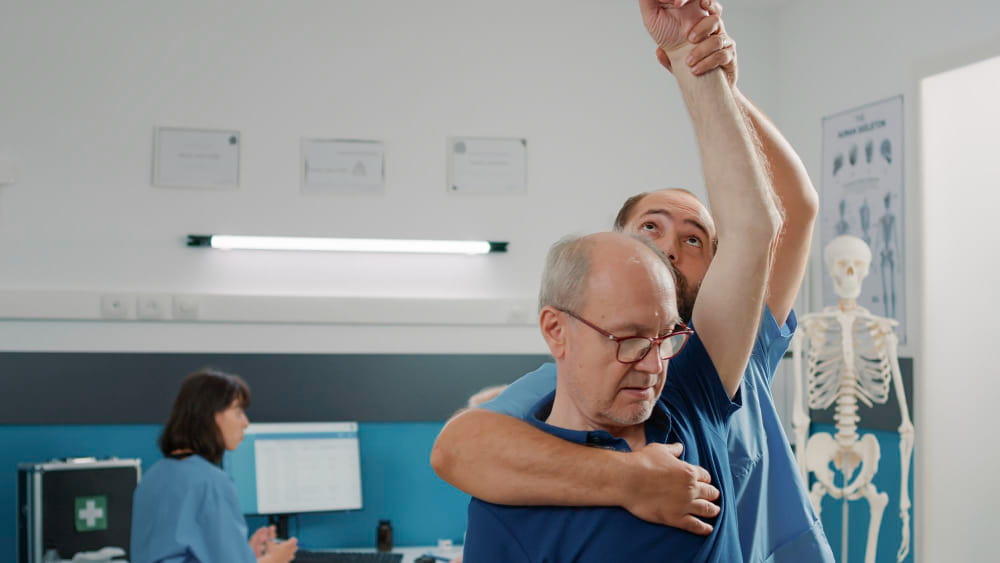


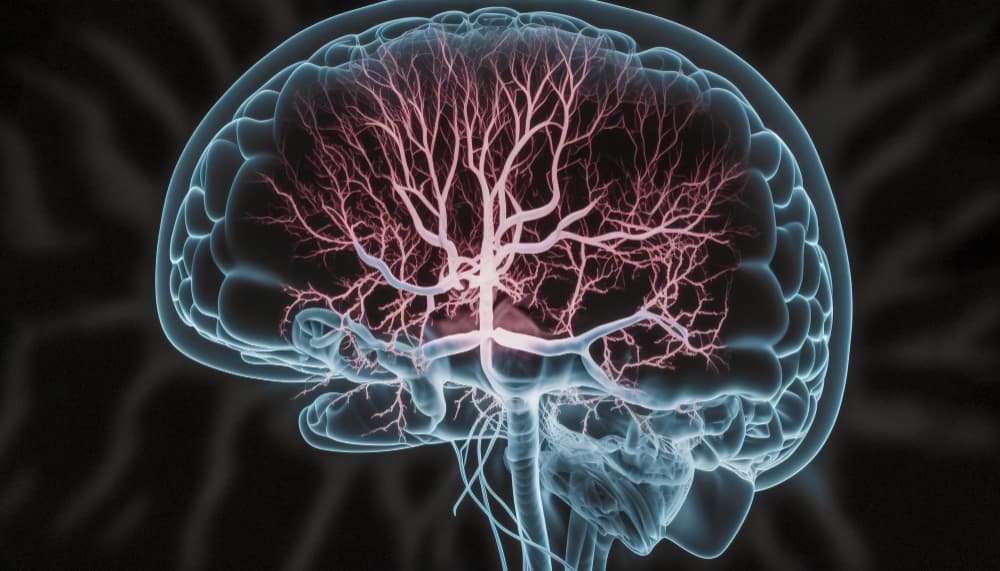
Stroke recovery is a progressive process shaped as much by the quality and consistency of rehabilitation as by the severity of the initial event. After the acute phase of stroke treatment, the brain enters a period of neuroplasticity — its capacity to reorganise and form new connections between surviving neurons to compensate for those that were destroyed — and structured rehabilitation is what drives and sustains that process.
With the right multidisciplinary programme, delivered at the right intensity and continued over sufficient time, many stroke survivors achieve far greater functional recovery than they or their families initially believed possible.
What Is Stroke Rehabilitation?
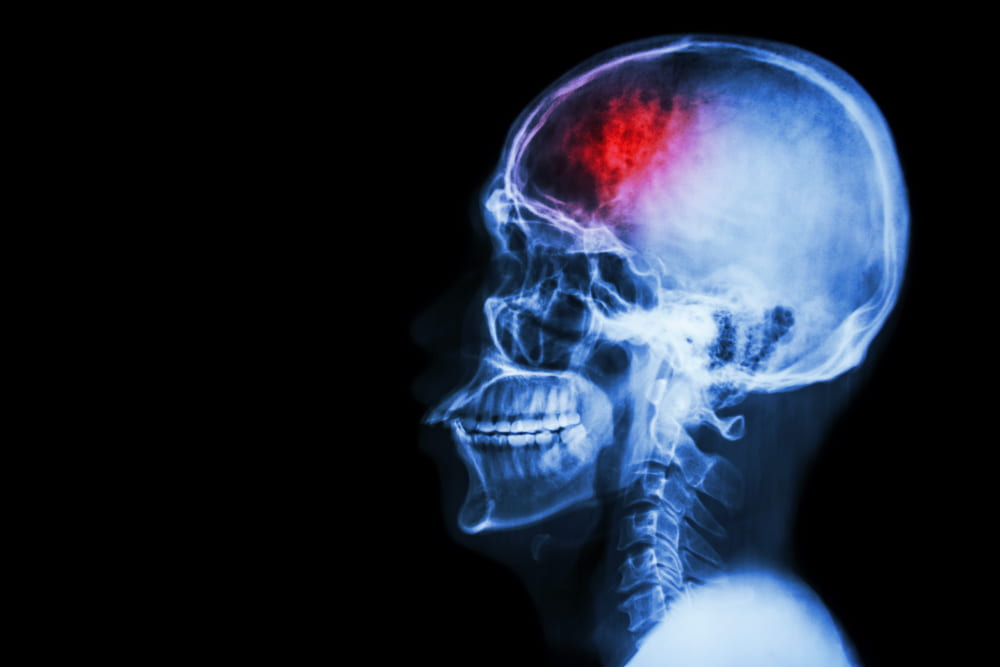
Stroke treatment does not end when the acute event is stabilised. Emergency interventions — intravenous thrombolysis, mechanical thrombectomy, or surgical management of hemorrhagic stroke — address the underlying cause and limit immediate brain damage. In patients with ischemic stroke, these treatments aim to restore blood flow to the affected area of the brain as quickly as possible. What follows can determine how much of the lost function a patient ultimately recovers.
Stroke rehabilitation is the systematic, multidisciplinary process through which the brain relearns and reorganises disrupteed functions. It is driven by neuroplasticity — the brain's ability to form new pathways and allow surviving neurons to take on some of the roles previously performed by damaged areas.
Neuroplasticity is not a passive process. It is activated and shaped by practice, repetition, and the specific demands placed on the brain through therapy. A stroke survivor who receives early, intensive, and well-coordinated rehabilitation in a specialist setting may achieve better functional outcomes than someone whose rehabilitation is fragmented or delayed. This principle influences every stage of modern stroke rehabilitation, from the timing of first mobilisation in the acute ward to the structure of long-term outpatient therapy.
The 3 Stages of Stroke Recovery
Stroke recovery follows a broadly predictable trajectory across three overlapping stages, each with different clinical priorities and rehabilitation goals. Understanding these stages can help patients and families develop realistic expectations and make the most of each phase.
Acute Stage
This stage covers the first hours to days following the stroke, while the patient is still in the stroke unit or acute neurology ward. Rehabilitation begins here — ideally within 24 hours in medically stable patients — with the aim of preventing complications and beginning the foundations of recovery.
Key priorities include:
- Preventing aspiration pneumonia and other complications
- Reducing the risk of pressure injuries and deep vein thrombosis
- Preventing joint contractures and loss of mobility
- Beginning safe movement and early mobilisation
- Assessing and addressing communication and swallowing difficulties
Rehabilitation begins ideally within 24 hours in medically stable patients with the aim of preventing complications and beginning the foundations of recovery. Patients who have experienced a transient ischemic attack (TIA) also require urgent assessment and appropriate follow-up because a TIA can precede a major stroke. Early mobilisation is particularly important for reducing complications of prolonged immobility, including thrombosis, pressure injuries, and loss of mobility.
Subacute Stage
The subacute stroke stage typically spans weeks two through twelve and is when some of the most rapid neurological recovery occurs. Inpatient stroke rehabilitation centres can have a particularly important role during this period. Patients who can tolerate three or more hours of active therapy each day may be candidates for intensive inpatient rehabilitation, where physiotherapy, occupational therapy, speech therapy, and neuropsychological support are delivered through a structured daily programme.
Chronic Stage
The chronic stage begins after approximately three months and extends the recovery horizon much further than was once believed possible. Although the pace of improvement generally slows, recovery does not necessarily stop. Neuroplasticity continues, and patients who maintain consistent therapy can achieve meaningful functional gains well beyond the six-month milestone historically considered the limit of recovery.
Outpatient programmes, home exercises, and technology-assisted training can all help extend rehabilitation during this stage. Continued therapy may remain valuable even years after the initial stroke, particularly when treatment is tailored to the patient's changing goals and abilities.
Physical Rehabilitation After Stroke
Physical rehabilitation addresses the motor, balance, and coordination difficulties that affect many stroke survivors and, for many patients, represents one of the most important aspects of recovery. The underlying principle of modern stroke physiotherapy is task specificity: the brain responds most effectively to meaningful, functional movements that closely resemble the activities the patient is trying to relearn — such as reaching for objects, rising from a chair, or walking across a room — rather than isolated exercises targeting individual muscles.
Repetition is critical, and the amount of active practice performed during therapy is an important factor in motor recovery.
Physiotherapy for stroke patients begins with early mobilisation and progresses through a graduated programme of increasingly demanding functional tasks. Upper limb recovery after stroke is one of the most challenging goals, with arm and hand function severely impaired in a large proportion of patients at onset. Gait rehabilitation — relearning to walk safely with adequate speed and endurance — may involve treadmill training with body-weight support, balance exercises, and progressive overground walking practice.
For patients who develop spasticity in the weeks following a stroke — an abnormal increase in muscle tone that disrupts coordinated movement — stretching programmes, splinting, and, where appropriate, botulinum toxin injections may be incorporated into the rehabilitation plan.
A comprehensive physical rehabilitation programme after stroke may include:
- Constraint-induced movement therapy: The unaffected arm is temporarily restrained to encourage intensive use of the weaker arm, promoting reorganisation of the motor areas controlling the affected limb.
- Mirror therapy: The patient watches the reflection of the unaffected hand performing movements, creating a visual illusion that can stimulate corresponding motor circuits in the affected limb.
- Robot-assisted therapy: Robotic exoskeletons and end-effector platforms guide the affected limb through high-repetition, controlled movements. These technologies can complement conventional physiotherapy for upper limb and gait recovery.
- Brain-computer interface therapy: Devices detect motor intention through EEG signals and use this information to trigger functional electrical stimulation of the affected limb, allowing active motor training even in patients with minimal residual movement.
- Balance and gait training: Progressive exercises are used to improve postural control, walking stability, coordination, and endurance.
- Functional task practice: Repeated practice of movements such as standing, reaching, transferring, and walking helps translate improvements in motor control into everyday activities.
Occupational Therapy After Stroke
While physiotherapy focuses primarily on restoring movement and physical capacity, occupational therapy addresses how those abilities translate into the activities that define independent daily life. This work begins from the earliest days of the inpatient programme rather than waiting until physical milestones have been reached.
Dressing, washing, cooking, managing money, preparing a meal, and returning to work are examples of the functional goals that an occupational therapist keeps in focus. The therapist evaluates what a patient can and cannot do in practical terms, adapts tasks and environments where necessary, and provides targeted training to help the patient regain independence.
Occupational therapy may focus on:
- Relearning everyday activities such as dressing, bathing, eating, and cooking
- Improving hand and upper limb function through meaningful tasks
- Addressing difficulties with coordination, perception, or cognition
- Recommending adaptive equipment where necessary
- Modifying the home environment to improve safety and independence
- Developing strategies for returning to work, hobbies, or other meaningful activities
In patients with significant ongoing paralysis, occupational therapy can also provide adaptive equipment, home modifications, and compensatory strategies that preserve independence when full motor recovery does not occur.
Occupational therapy plays a central role in upper limb rehabilitation, providing functional task practice that gives purpose and real-world meaning to the motor capacity being rebuilt through physiotherapy. Returning to meaningful activity — whether cooking, gardening, caring for family members, or resuming a professional role — is an important functional goal of the overall rehabilitation process.
Speech Therapy and Swallowing Rehabilitation After Stroke
Stroke frequently affects the ability to communicate and swallow safely. These consequences can be particularly distressing for patients and families and require dedicated specialist input from the earliest stages of rehabilitation.
Aphasia — difficulty understanding or producing language — affects approximately a third of stroke survivors and can range from mild word-finding difficulties to severe loss of verbal communication. Speech therapy uses intensive language practice, supported communication strategies, and, where appropriate, technology-assisted communication aids to rebuild language function. The amount of speech therapy delivered can influence the degree of language recovery, making intensive speech and language therapy an important component of stroke rehabilitation.
Speech and language therapy may address:
- Understanding spoken and written language
- Finding and producing words
- Forming sentences and communicating ideas
- Reading and writing difficulties
- Alternative and augmentative communication
- Strategies for improving communication with family and caregivers
Swallowing therapy addresses dysphagia — difficulty swallowing — which can occur frequently during the acute phase of stroke and carries risks including aspiration pneumonia, malnutrition, and dehydration. Stroke patients are screened for dysphagia before oral intake, and those who require further assessment may receive dedicated swallowing rehabilitation.
Treatment may include:
- Compensatory swallowing techniques
- Postural adjustments during eating and drinking
- Modification of food and fluid textures
- Targeted swallowing exercises
- Strategies to improve safe and independent eating
Cognitive Rehabilitation After Stroke
Cognitive impairment is among the common and often underrecognised consequences of stroke. Depending on where and how extensively the brain has been injured, patients may experience difficulties with memory, attention, processing speed, executive function, spatial awareness, and emotional regulation.
Cognitive rehabilitation uses structured exercises, strategy training, and environmental adaptation to address these difficulties and maximise functional independence. It also supports the patient's ability to participate effectively in physical, occupational, and speech therapy, as unaddressed cognitive impairment can interfere with progress across other areas of rehabilitation.
Cognitive rehabilitation may target:
- Memory and recall
- Attention and concentration
- Problem-solving and decision-making
- Processing speed
- Spatial awareness and visual perception
- Planning and organisation
- Strategies for managing everyday cognitive difficulties
Post-stroke depression affects approximately one in three survivors and can become a significant barrier to rehabilitation if left unaddressed. Post-stroke fatigue — which is distinct from depression but can occur alongside it — also affects many survivors and may substantially limit the amount of therapy a patient can tolerate each day. Psychological approaches such as cognitive behavioral therapy (CBT) may help patients manage negative thoughts, emotional difficulties, and the psychological impact of stroke.
Both are addressed through neuropsychological support alongside physical rehabilitation. Depending on the individual's needs, this may include psychological intervention, pharmacological treatment where indicated, and practical pacing and energy-management strategies to help protect and extend daily therapy capacity.
Stroke Rehabilitation at Medical Park
Medical Park Hospitals deliver post-stroke rehabilitation within an integrated multidisciplinary neurorehabilitation framework through its dedicated Stroke Center units covering the full spectrum of recovery — from the acute stroke unit through intensive inpatient rehabilitation to structured outpatient and community programmes. The rehabilitation team brings together neurologists, physiotherapists, speech and language therapists, psychologists, and specialist stroke nurses, who work from a shared care plan that is reviewed and updated as the patient progresses.
Robot-assisted therapy platforms complement conventional physiotherapy throughout the inpatient programme, while speech therapy, swallowing rehabilitation, and cognitive rehabilitation can be provided alongside physical therapy from the outset. This multidisciplinary approach ensures that different aspects of recovery are addressed together rather than sequentially.
For international patients seeking stroke rehabilitation in Turkey, Medical Park offers a structured care pathway from initial assessment through inpatient treatment, discharge planning, and outpatient follow-up, coordinated through the international patient services team. Patients who received acute stroke treatment elsewhere — including thrombolysis or thrombectomy in another country — and wish to transition into inpatient rehabilitation, access robot-assisted therapy or intensive aphasia programmes, or obtain a comprehensive neurological rehabilitation plan can arrange an assessment and personalised programme through Medical Park's Stroke Center and international patient services team.





 Makaleye Dön
 E-Result
 WhatsApp