


 TR
 EN
 RU
 AR
 FR


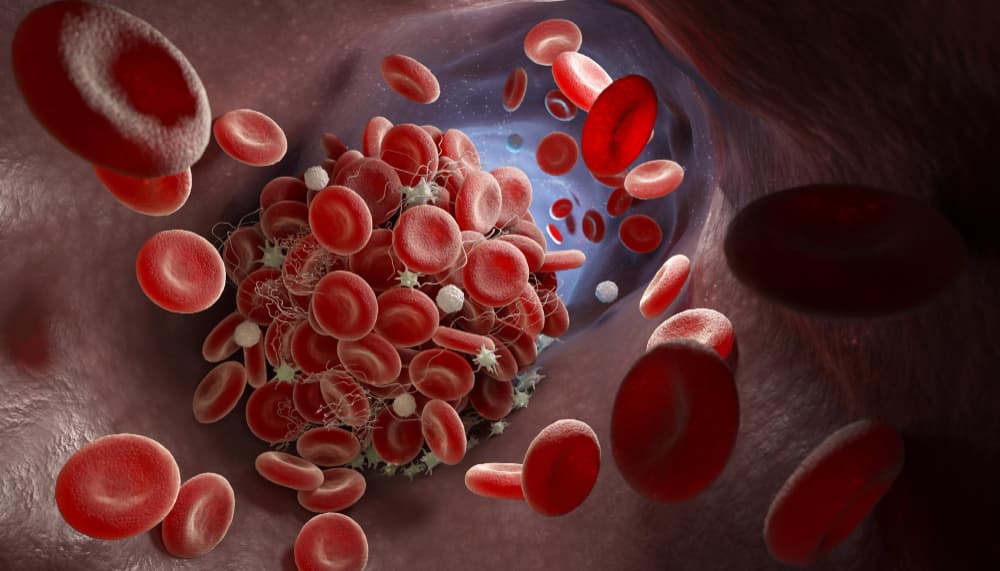

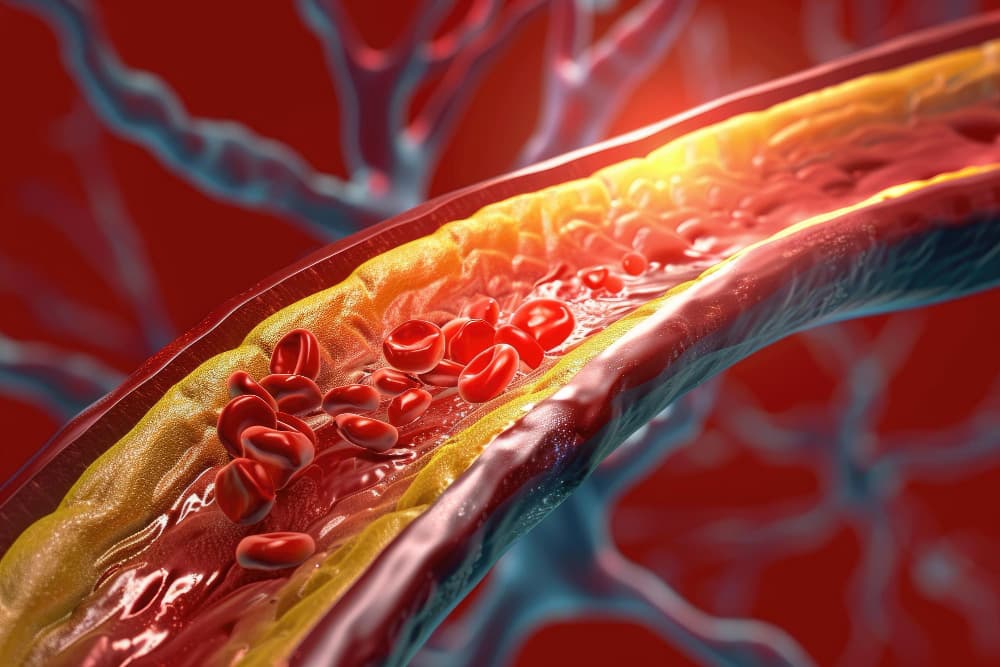
Thrombosis occurs when a blood clot — called a thrombus — forms inside a blood vessel and obstructs the normal flow of blood through it. Depending on where in the body it forms and whether the clot or fragments of it travel elsewhere, thrombosis can cause anything from a painful swollen leg to a stroke, a heart attack, or a life-threatening blockage in the lungs. Understanding what thrombosis is, how it develops, what it feels like, and when to seek urgent care is knowledge that can directly save lives.
What Is Thrombosis?
Blood clotting is an essential protective mechanism — without it, even a minor cut would cause dangerous blood loss. The problem begins when clotting occurs inside an intact blood vessel rather than at a wound site. When that happens, the resulting thrombus blocks normal circulation, depriving the tissues downstream of the oxygen and nutrients they need to survive. Depending on the size of the vessel involved, the consequences can range from localised pain and swelling to catastrophic organ failure.
A thrombus can form in any blood vessel — arteries, veins, or the small capillaries connecting them. Arterial thrombi typically form on the surface of ruptured atherosclerotic plaques — the fatty deposits that build up on arterial walls over decades — and cause events like heart attack, ischemic stroke, and limb ischemia by cutting off blood supply to vital tissue. Venous thrombi form more slowly, often in the context of sluggish blood flow, vessel wall damage, or an abnormal tendency of the blood to clot, and cause the conditions most people associate with the word thrombosis: deep vein thrombosis, pulmonary embolism, and their related syndromes.
Thrombosis vs Embolism
Thrombosis and embolism are closely related but distinct processes. Thrombosis refers to the formation of a clot within a blood vessel at the site where it develops. Embolism refers to what happens when a piece of that clot breaks free, travels through the bloodstream, and lodges in a vessel somewhere else, blocking it. A clot that forms in the deep veins of the leg and travels to the lungs causes both: deep vein thrombosis at the site of formation and pulmonary embolism at the point of occlusion. The combined condition is called venous thromboembolism (VTE), and the two events are always considered and managed together clinically.
The key distinction is whether the clot stays where it formed or travels. A thrombus that remains in place and grows large enough to block the local vessel causes damage at that site. When it or a fragment breaks free and travels to another vessel, it becomes an embolus and the resulting blockage is an embolism. In clinical practice the terms overlap frequently because the same patient often experiences both processes simultaneously — which is why "thromboembolism" is used as a single compound term for conditions like VTE and arterial thromboembolism.

Where Thrombosis Occurs and What It Causes
Thrombosis is not a single disease but a mechanism that produces different conditions depending on where in the body it occurs. The most clinically important presentations are as follows:
- Deep vein thrombosis (DVT) — clot formation in one of the deep veins, most commonly in the leg — is the most familiar form of venous thrombosis. Blood clot in leg symptoms include pain, swelling, warmth, and redness along the course of the affected vein, typically in the calf or thigh. Some DVTs cause minimal or no symptoms, which makes them particularly dangerous because the first sign may be a pulmonary embolism. DVT is commonly triggered by prolonged immobility — long flights, bed rest after surgery, or hospitalisation — combined with predisposing factors such as an inherited clotting disorder, pregnancy, cancer, or oral contraceptive use.
- Pulmonary embolism occurs when a DVT or fragment of one breaks loose, travels through the right side of the heart, and blocks one of the pulmonary arteries — the vessels carrying blood to the lungs. It causes sudden breathlessness, chest pain, and in severe cases cardiovascular collapse and death. Large central emboli can cause the right side of the heart to fail within minutes, and immediate anticoagulation or clot removal is required.
- Coronary thrombosis is the specific event that causes most heart attacks. When an atherosclerotic plaque in a coronary artery ruptures, the exposed material triggers rapid clot formation that blocks the artery completely, cutting off blood to the heart muscle it supplies. This requires emergency angiography and stenting to reopen the vessel before permanent damage occurs.
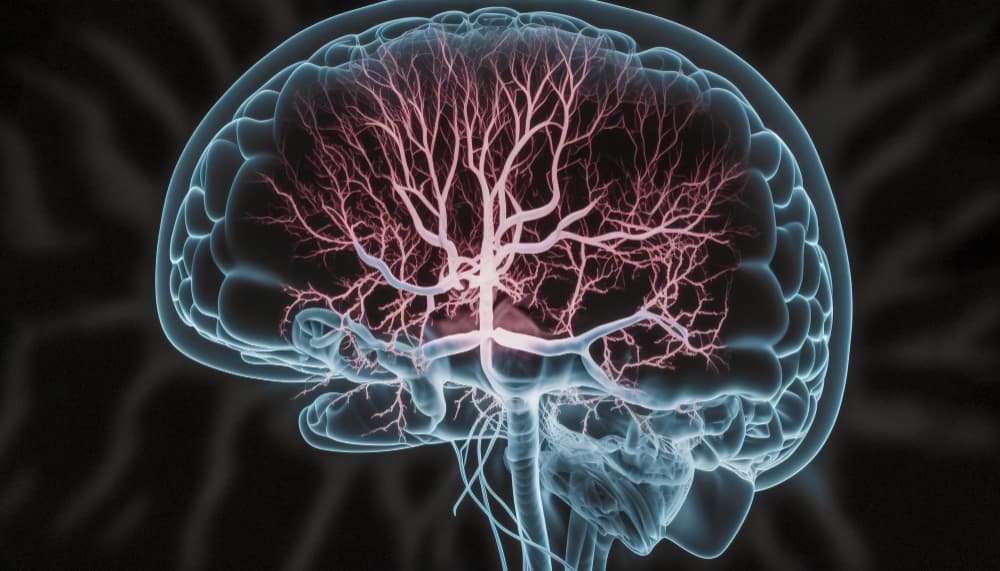
- Ischemic stroke caused by thrombosis occurs when a clot blocks a brain artery — either forming in place on an atherosclerotic plaque or arriving as an embolus from the heart or a more proximal arterial site. The clinical consequences depend on which artery is blocked and how quickly blood flow is restored — which is why stroke is treated as the same order of emergency as a heart attack.
- Cerebral venous thrombosis (CVT) is clotting in the venous sinuses that drain blood from the brain. Unlike arterial stroke, it more commonly presents with progressive headache, visual disturbances, seizures, and confusion rather than sudden one-sided deficits. It disproportionately affects younger women, particularly those using oral contraceptives or who are pregnant or postpartum.
- Cavernous sinus thrombosis is a specific and serious form of cerebral venous thrombosis affecting the venous chamber at the base of the skull behind each eye. It most commonly arises from infection spreading from the face, sinuses, or teeth, and presents with severe headache, eye swelling, protrusion of the eyeball, and fever. It requires urgent antibiotic and anticoagulant treatment.
- Portal vein thrombosis is clot formation in the portal vein — the large vessel carrying blood from the intestines and spleen to the liver. It can cause abdominal pain, nausea, and in chronic cases the complications of portal hypertension including bleeding from esophageal varices. It is associated with liver disease, abdominal infection, and inherited clotting disorders.
- Thrombophlebitis refers to thrombosis in a superficial vein accompanied by inflammation, presenting as a red, tender, warm cord along the skin surface, most commonly in the leg. Deep venous thrombophlebitis is an older term for deep vein thrombosis with significant surrounding inflammation and is managed identically to standard DVT. A thrombosed hemorrhoid— though unrelated to circulatory thrombosis — refers to clot formation within an external hemorrhoid, causing sudden severe localised anal pain and a tender swollen lump that may require drainage or surgical treatment if severe.
Symptoms of Thrombosis: What Does a Blood Clot Feel Like?
The symptoms of thrombosis vary considerably depending on where the clot has formed, which is one of the main reasons it is frequently missed or attributed to other conditions such as a muscle strain, chest infection, or tension headache. The most important warning signs by location are:
- Deep vein thrombosis in the leg: Swelling of the calf or thigh, aching or cramping pain, warmth to the touch, and redness or discolouration along the course of the vein; in some patients the only symptom is unexplained leg heaviness, and in others there are no symptoms at all until a pulmonary embolism develops
- Pulmonary embolism: Sudden breathlessness unexplained by exertion, sharp chest pain that worsens with breathing or coughing, rapid heart rate, and in severe cases dizziness, fainting, or cardiovascular collapse; coughing up blood-streaked sputum is a less common but important warning sign
- Arterial thrombosis causing stroke: Sudden weakness or numbness on one side of the body, speech difficulty, visual loss, or sudden severe headache — any of these requires immediate emergency evaluation without waiting to see if symptoms improve
- Coronary thrombosis causing heart attack: Severe chest tightness or pressure radiating to the arm, jaw, or back, with sweating, nausea, and breathlessness; atypical presentations are more common in women, older adults, and diabetic patients
- Cerebral venous thrombosis: Progressive, often severe headache building over days, visual disturbances, seizures, or confusion — particularly in younger patients, women of childbearing age, or those with a recent head or sinus infection
Any symptom suggesting pulmonary embolism, stroke, or heart attack requires immediate emergency medical attention.
Risk Factors for Thrombosis
Thrombosis does not occur at random. The conditions that promote it are captured in a concept called Virchow's triad — three intersecting factors that together explain most thrombotic events: abnormal blood flow such as sluggishness from immobility, damage to the blood vessel wall from atherosclerosis or injury, and abnormal blood composition from inherited clotting disorders or elevated clotting factor levels. In most patients, two or more of these factors are present simultaneously. The most clinically important risk factors are:
- Prolonged immobility: Long-haul flights, bed rest, postoperative recovery, and paralysis all reduce blood flow in the deep veins, allowing clot formation to begin; even sitting for extended periods without moving increases risk in susceptible individuals
- Surgery and trauma: Tissue injury activates the clotting cascade, and postoperative patients carry elevated DVT and pulmonary embolism risk that is managed with preventive anticoagulation in most surgical settings
- Inherited thrombophilia: Genetic conditions including factor V Leiden mutation, prothrombin gene mutation, and deficiencies of protein C, protein S, or antithrombin significantly increase the blood's clotting tendency and predispose to venous thromboembolism, often at a young age or in response to otherwise low-risk triggers
- Cancer: Malignant tumors promote a pro-thrombotic state through multiple mechanisms, and venous thromboembolism is one of the leading causes of death in cancer patients; pancreatic, lung, and ovarian cancers carry particularly high thrombotic risk
- Hormonal factors: The combined oral contraceptive pill, hormone replacement therapy, and pregnancy all elevate clotting factor levels and increase DVT and pulmonary embolism risk, particularly in women who also carry an inherited thrombophilia
- Atherosclerosis and cardiovascular disease: Arterial plaque significantly elevates the risk of arterial thrombosis causing heart attack and stroke
- Atrial fibrillation: The irregular heart rhythm causes blood to pool in the heart's chambers and form clots that can travel to the brain, causing cardioembolic stroke
Diagnosis and Treatment of Thrombotic Conditions at Medical Park
Accurate diagnosis of thrombosis requires timely assessment and the appropriate imaging approach. Medical Park Hospitals in Turkey provide a comprehensive diagnostic pathway for suspected venous and arterial thrombotic conditions. Deep vein thrombosis is confirmed with venous duplex ultrasound, while suspected pulmonary embolism is evaluated with CT pulmonary angiography. Cerebral venous thrombosis requires dedicated brain MRI with venous imaging, and arterial thrombotic conditions affecting the brain or heart are assessed through advanced imaging methods such as CT angiography and coronary catheterisation.
At Medical Park's Stroke Center, a multidisciplinary team of specialists manage the full spectrum of stroke care, from preventive screening and risk assessment to acute treatment and long-term follow-up. Preventive evaluations focus on identifying factors that may increase stroke risk, including cardiovascular conditions, clotting disorders, and vascular abnormalities. This approach is especially valuable for younger adults with potential risk factors, as detecting underlying conditions such as inherited clotting disorders or heart-related abnormalities may help prevent early-onset stroke.
When thrombosis leads to acute stroke, rapid intervention is essential to restore blood flow and limit brain damage. Medical Park's multidisciplinary stroke team provides acute stroke treatment, including emergency assessment, thrombolysis, and mechanical thrombectomy when clinically appropriate. After the initial intervention, patients receive continued monitoring and personalised follow-up to support recovery and reduce the risk of future events.
For venous thromboembolism, treatment typically involves anticoagulant medication — such as low molecular weight heparin or direct oral anticoagulants — to prevent clot growth while the body's natural fibrinolytic system gradually breaks down the existing thrombus. International patients with a history of thrombotic events, suspected hereditary thrombophilia, recurrent venous thromboembolism, or concerns about stroke risk can access specialist evaluation and personalised care planning through Medical Park's international patient services team.






 Makaleye Dön
 E-Result
 WhatsApp