


 TR
 EN
 RU
 AR
 FR


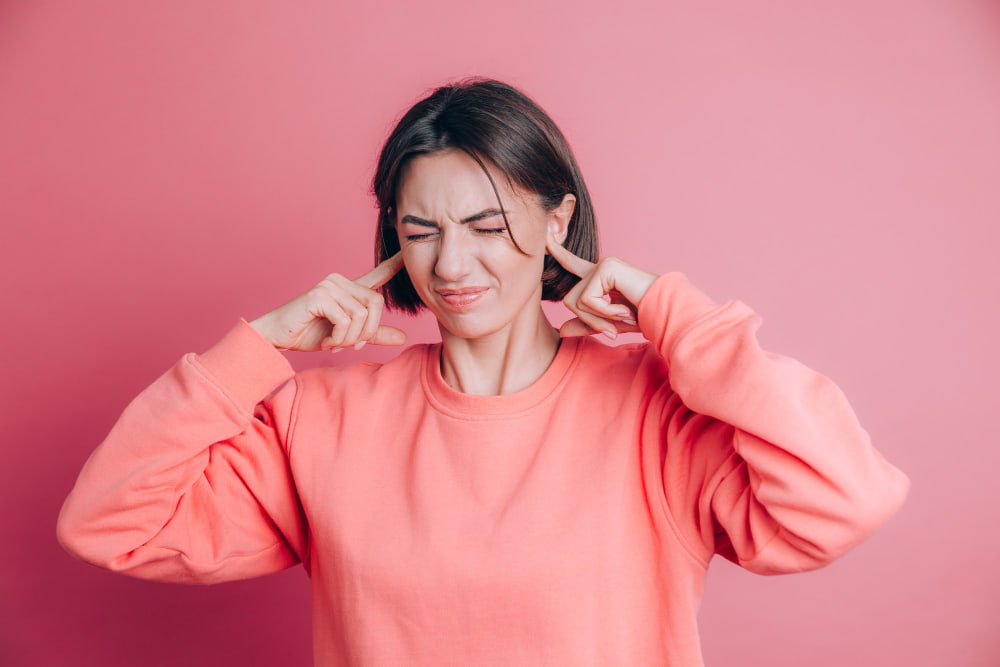

Tinnitus is the perception of sound in one or both ears — or in the head — in the absence of any external source. It is commonly described as a ringing in the ears, but the sound can take many forms: buzzing, hissing, whistling, clicking, or roaring. For some people it is a minor background presence; for others it is a persistent and distressing condition that affects sleep, concentration, mood, and quality of life.
Tinnitus is extremely common, affecting an estimated ten to fifteen percent of adults worldwide, and while there is currently no universal cure, a range of effective management strategies can provide significant relief.
What Is Tinnitus?
Tinnitus is not a disease in itself but a symptom — a signal that something is affecting the auditory system or the way the brain processes sound. In the vast majority of cases, the sound is subjective: only the person experiencing it can hear it. In rare cases, tinnitus is objective, meaning a clinician can also detect a sound using a stethoscope or sensitive microphone — this almost always reflects an underlying vascular or mechanical source and requires specific investigation.
Tinnitus may be temporary or chronic, affecting one or both ears, and may be constant or intermittent. A tinnitus flare up — a period of increased loudness or intrusiveness — can be triggered by stress, fatigue, loud noise exposure, caffeine, or illness.
Recognizing Tinnitus Symptoms
Tinnitus symptoms vary considerably between individuals in character, pitch, volume, and pattern.
Common Tinnitus Symptoms
The most commonly reported experiences include:
- A high-pitched ringing in one or both ears
- Buzzing in the ear, similar to electrical interference
- Hissing, whistling, or static-like sounds
- A low-frequency humming or roaring sensation
- Clicking or pulsing sounds
- Sounds that are constant, or that come and go
The sound may be barely noticeable in quiet moments, or it may be loud enough to compete with external sounds. For many people, it is most intrusive at night when background noise levels drop and there is less to distract attention from it. This can significantly affect sleep quality, which in turn affects mood, concentration, and the overall ability to cope.
When to Seek Medical Advice for Tinnitus
While tinnitus is common and often not medically serious, certain presentations warrant prompt evaluation:
- Tinnitus that is sudden in onset, particularly if accompanied by hearing loss or dizziness
- Tinnitus in only one ear, which may indicate an underlying structural or neurological cause. In some cases, further evaluation is needed to rule out an acoustic neuroma, a rare benign tumor that can affect the hearing and balance nerve and cause unilateral tinnitus, hearing loss, or dizziness.
- Pulsatile tinnitus — a rhythmic sound that beats in time with the heartbeat
- Tinnitus associated with ear pain, discharge, or fullness
- Any tinnitus that is significantly affecting sleep, mood, or daily functioning
Causes of Tinnitus
Tinnitus arises from disruption somewhere in the auditory pathway — from the outer ear to the auditory cortex — or from the brain's response to changes in that pathway. The most common causes include:
- Noise-induced hearing loss — prolonged or repeated exposure to loud noise is the most common cause of tinnitus, damaging the delicate hair cells of the cochlea in the inner ear
- Age-related hearing loss (presbycusis) — the gradual decline in hearing that comes with age is frequently accompanied by tinnitus, reflecting the same underlying degeneration of cochlear hair cells
- Earwax build-up — impacted earwax can change pressure and sound transmission in the outer ear, producing or worsening tinnitus that may resolve once the wax is removed
- Ear infections and middle ear conditions — acute or chronic infections, fluid behind the eardrum, and otosclerosis can all cause or contribute to tinnitus
- Medications — high doses of aspirin, certain antibiotics, some chemotherapy agents, loop diuretics, and quinine can cause or worsen tinnitus; in some cases this resolves when the drug is stopped
- Head or neck injury — trauma affecting the temporal bone, jaw, or cervical spine can trigger or worsen tinnitus
- Ménière's disease — a condition of the inner ear involving episodic vertigo, fluctuating hearing loss, ear fullness, and tinnitus
- Cardiovascular and metabolic conditions — high blood pressure, anemia, and thyroid disorders can affect blood flow to the inner ear and contribute to tinnitus
Diagnosing Tinnitus
There is no single test that diagnoses tinnitus — the symptom is inherently subjective. Diagnosis focuses on characterising the tinnitus, identifying any underlying cause, and assessing its impact on the patient's life.
A comprehensive evaluation typically includes:
- A full ear, nose, and throat examination to assess the outer and middle ear
- Pure tone audiometry to characterise hearing function across frequencies
- Tinnitus pitch and loudness matching, to document the character of the perceived sound
- Tympanometry and acoustic reflex testing to assess middle ear function
- MRI or CT of the internal auditory canals when a structural or neurological cause is suspected, particularly in unilateral tinnitus
- Blood tests if systemic causes such as thyroid disease or anemia are under consideration
Assessment of psychological and functional impact is an important part of planning appropriate treatment.
Exploring Tinnitus Treatment Options
There is currently no drug or procedure that cures tinnitus in most patients. However, a range of evidence-based treatments can significantly reduce distress, improve coping, and in many cases lead to habituation — the process by which the brain learns to filter out the tinnitus signal so it becomes less intrusive. For patients whose tinnitus has a specific reversible cause, treating that cause may resolve or substantially reduce the tinnitus.
Sound Therapy for Tinnitus Relief
Sound therapy uses external sound to reduce the contrast between the tinnitus and the acoustic environment, making the internal sound less prominent and easier to ignore. Approaches range from environmental enrichment — using background music, nature sounds, or white noise generators to ensure the acoustic environment is never completely silent — to more structured use of broadband noise at a level just below the tinnitus, which over time promotes neurological adaptation.
Sound therapy is most effective when used consistently as part of a broader management programme rather than as an isolated intervention.
Tinnitus Retraining Therapy (TRT)
Tinnitus retraining therapy is a structured programme based on the neurophysiological model of tinnitus developed by Pawel Jastreboff. It proposes that the distress caused by tinnitus results not from the sound itself but from the meaning the brain assigns to it — and that by changing that assignment, the emotional response to tinnitus can be extinguished even if the sound does not disappear.
TRT combines directive counselling — detailed education about tinnitus mechanisms and the interaction between the auditory and limbic systems — with systematic low-level sound therapy. Over twelve to twenty-four months, the goal is habituation: a state in which the tinnitus is present but no longer triggers distress or demands attention. TRT has a substantial evidence base in patients with significant tinnitus distress.
Cognitive Behavioral Therapy (CBT) for Tinnitus
CBT for tinnitus does not aim to reduce the loudness of the tinnitus but to change the way the patient responds to it. Patients learn to identify and challenge unhelpful beliefs — such as the conviction that tinnitus will inevitably worsen or that life cannot be enjoyed while it is present — and develop more adaptive coping strategies. CBT has one of the strongest evidence bases of any tinnitus intervention for reducing tinnitus-related distress and improving sleep, mood, and overall function.
Medications for Tinnitus Management
There is currently no medication approved specifically for tinnitus. However, medications may be used to treat conditions that accompany or worsen it:
- Antidepressants or anxiolytics may be prescribed when tinnitus is accompanied by significant anxiety or depression, as treating these conditions reduces the overall burden of tinnitus
- Sleep medications may be used short-term when sleep disturbance is severe
- In Ménière's disease, medications to reduce inner ear fluid pressure may improve associated tinnitus
Patients should inform their doctor of all current medications, as some — particularly high-dose aspirin and certain antibiotics — can worsen tinnitus and may need to be reviewed.
Hearing Aids and Tinnitus
The majority of people with chronic tinnitus have associated hearing loss, often without being fully aware of it. Fitting hearing aids to correct the hearing loss frequently reduces tinnitus intrusiveness — amplifying environmental sound restores the acoustic input the brain was missing and reduces the contrast that makes tinnitus prominent. Many modern hearing aids also incorporate built-in sound therapy features, combining amplification and sound enrichment in a single device.
Alternative Therapies
Some patients find benefit from mindfulness-based stress reduction, acupuncture, or relaxation techniques as complementary approaches. The evidence base for these is less robust than for TRT and CBT, but for patients who find them helpful, there is no reason to discourage their use alongside evidence-based care.
Living with Tinnitus
For most people with chronic tinnitus, the realistic goal is not silence but habituation — reaching a point where the tinnitus no longer causes significant distress. Most people achieve this over time, often without formal intervention. For those with more persistent distress, the combination of education, sound therapy, and psychological support through TRT or CBT provides the most effective path.
Practical measures that consistently help include maintaining a consistent sleep routine with background sound, limiting caffeine and alcohol which can trigger tinnitus flare ups, protecting hearing from further noise damage, and managing stress — which reliably worsens tinnitus perception. Staying active and socially engaged reduces the attention devoted to tinnitus and supports overall wellbeing. Peer support from patient organisations offers practical advice and the reassurance that tinnitus, while real and at times challenging, is something most people learn to live with well.
Pulsatile Tinnitus
Pulsatile tinnitus — a rhythmic sound that pulses in time with the heartbeat — is a distinct presentation that requires specific investigation and should not be managed without it.
The sound reflects turbulent blood flow in vessels near the ear. Causes range from benign and manageable conditions — anemia, high blood pressure, a prominent jugular vein — to conditions requiring prompt intervention, including arteriovenous malformations, carotid artery stenosis, glomus tumors, and idiopathic intracranial hypertension. For this reason, pulsatile tinnitus warrants imaging of the relevant vascular structures — typically MRI with MR angiography and/or CT angiography — before any management plan is established.
Tinnitus Assessment and Treatment at Medical Park
The Ear, Nose, and Throat (ENT) Departments at Medical Park Hospitals in Turkey provide comprehensive assessment and management of tinnitus within a multidisciplinary framework. Audiologists, ENT specialists, and clinical teams with expertise in tinnitus retraining therapy and hearing rehabilitation work together to evaluate each patient's tinnitus, identify any underlying cause, assess the impact on daily life, and develop a personalised management plan.
Diagnostic facilities include full audiological testing, tinnitus characterisation, tympanometry, and access to MRI and CT imaging when structural or vascular causes need to be excluded. Hearing aid fitting with integrated sound therapy options is available for patients with associated hearing loss. For patients with significant tinnitus distress, structured programmes incorporating TRT and psychological support are available as part of a coordinated care pathway.


 Makaleye Dön
 E-Result
 WhatsApp