


 TR
 EN
 RU
 AR
 FR




Uric acid is a waste product formed when the body breaks down purines, substances found naturally in cells and in some foods and drinks. Most uric acid passes through the kidneys and leaves the body in urine. Levels can rise when the body produces too much or cannot eliminate enough, but an elevated result does not automatically mean that a person has gout or needs medication. Persistent high levels can contribute to urate crystal deposits in joints and, in some circumstances, uric acid kidney stones.
Uric acid levels are influenced by several factors, including kidney function, genetics, diet, alcohol consumption, certain medications, and metabolic health. They also vary with age and hormonal changes, with levels generally increasing in women after menopause. Understanding these influences helps distinguish a temporary change from persistent hyperuricemia and determine whether further investigation is needed.
This guide explains what uric acid does, how blood and urine tests are interpreted, what causes high or low levels, and how gout and uric acid stones are managed.
What Is Uric Acid?
Uric acid is a chemical waste product created when the body breaks down purines. Purines are compounds that form part of DNA and RNA in the body's cells. They are also present in food, particularly organ meats, some seafood, and certain types of meat.
The body produces purines naturally as cells are renewed and old cells are broken down. It also absorbs purines from food during digestion. Through a series of metabolic steps, purines are converted into uric acid. An enzyme called xanthine oxidase plays an important role in the final stages of this process.
Most uric acid dissolves in the blood and travels to the kidneys, which filter it and remove it through urine. The intestines eliminate a smaller amount. Blood levels therefore reflect the balance between production and removal. Uric acid also has antioxidant properties, but higher levels are not beneficial.
Uric Acid Blood Test
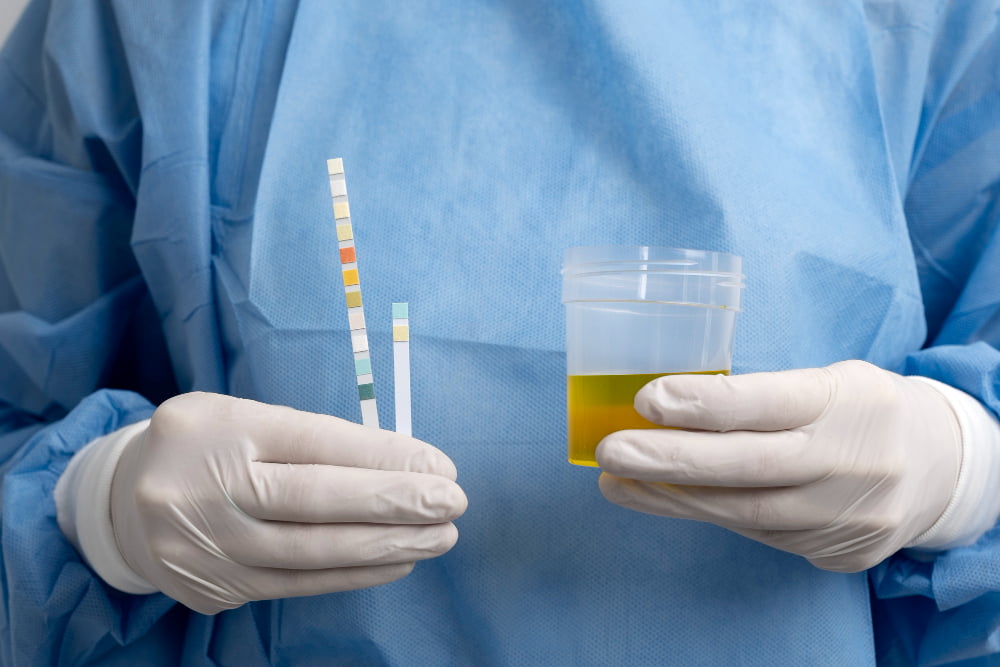
A uric acid blood test, also called a serum urate test, measures the amount of uric acid circulating in the blood. It may be requested when gout is suspected, when someone has a history of uric acid kidney stones, or when a condition or treatment may cause uric acid to rise.
The test usually involves taking a blood sample from a vein in the arm. Results are commonly reported in milligrams per deciliter (mg/dL) or micromoles per liter (µmol/L). Doctors interpret the result alongside symptoms, medical history, kidney function, and medication use. A high result alone cannot diagnose gout. Levels can temporarily fall during an acute attack, so a normal result does not always rule it out; if needed, the test may be repeated at least two weeks after the flare settles.
Because the kidneys are responsible for eliminating most uric acid, doctors may also order kidney function tests to assess how well they are filtering waste products and whether impaired kidney function could be contributing to elevated levels.
Why Is a Uric Acid Test Performed?
A doctor may request the test to support an assessment for gout, investigate recurrent kidney stones, monitor persistently elevated levels or gout treatment, or check for a sudden rise in uric acid during certain cancer treatments. The result is interpreted with symptoms and other tests rather than used alone to diagnose gout.
What Is a 24-Hour Urine Uric Acid Test?
A 24-hour urine test measures how much uric acid is eliminated over a full day. It can help assess recurrent kidney stones and may be combined with measurements of urine volume, pH, calcium, oxalate, and citrate. Blood and urine uric acid levels do not always rise together.
Normal Uric Acid Levels
Normal uric acid levels vary between laboratories and according to age and sex. The reference interval printed on the laboratory report is the best starting point for interpreting an individual result.
The following are approximate adult reference ranges:
Group | Approximate Reference Range |
|---|---|
Children (under 12) | Varies with age and sex; levels are generally lower than adult ranges and increase during growth. |
Adolescents (12–17) | Varies with age, sex, and pubertal development. Levels tend to rise more in boys during puberty. |
Adult men | 3.4–7.0 mg/dL (202–416 µmol/L) |
Adult women before menopause | 2.4–6.0 mg/dL (143–357 µmol/L) |
Adult women after menopause | Levels generally increase as estrogen levels decline and may approach the adult male range of 3.4–7.0 mg/dL (202–416 µmol/L). |
There is no single widely accepted numerical reference interval for all children, adolescents, or postmenopausal women. Their results should be interpreted using age- and sex-appropriate reference intervals rather than assigning them an unsupported universal range.
Normal Uric Acid Levels in Men and Women
Uric acid levels are generally higher in men than in women before menopause. Hormonal differences, including the influence of estrogen on uric acid elimination, contribute to this variation. After menopause, levels in women often rise and may approach those typically seen in men. There is no single postmenopausal reference range that applies to every laboratory or individual.
Age, kidney function, medications, and metabolic health also affect uric acid. The laboratory's reference interval and the clinical context are therefore more useful than comparing a result with a single number found online. Low uric acid (hypouricemia) is less common and may be associated with certain medicines or rare metabolic and kidney disorders; persistent low results should also be interpreted by a doctor.
What Is Considered High Uric Acid?
Hyperuricemia generally means that serum uric acid is above the relevant laboratory reference range. A level above approximately 6.8 mg/dL (405 µmol/L) is clinically relevant because it is close to the point at which urate can become saturated and form monosodium urate crystals under physiological conditions.
This saturation point is not the same as the upper limit of every laboratory's reference range. It also does not mean that everyone above 6.8 mg/dL (405 µmol/L) will develop gout. Many people with hyperuricemia never experience a gout attack.
For people receiving urate-lowering treatment for gout, doctors commonly aim for a serum uric acid level below 6 mg/dL (357 µmol/L). This is a treatment target intended to reduce crystal deposits, not a universal normal range for everyone.
High Uric Acid (Hyperuricemia)
Hyperuricemia develops when the body produces more uric acid than it can eliminate or when its ability to remove uric acid decreases. It is often discovered during routine blood testing because high uric acid does not usually cause symptoms by itself.
The importance of an elevated result depends on whether it is associated with gout, kidney stones, kidney disease, medication effects, or another underlying condition. Some people need monitoring and lifestyle adjustments; others may require further investigation or medication. Treatment is not automatically necessary for every high result.
Causes of High Uric Acid
High uric acid can result from reduced elimination, increased production, or a combination of both.
Reduced elimination is common. The kidneys remove most uric acid, and several factors can interfere with this process:
Chronic kidney disease: Reduced kidney function can make it harder to eliminate uric acid.
Dehydration: Fluid loss through sweating, vomiting, or diarrhea can reduce urine volume and affect uric acid concentration.
Medicines: Diuretics, low-dose aspirin, cyclosporine, and tacrolimus can raise uric acid in some people.
Metabolic conditions: Insulin resistance and metabolic syndrome can affect the way the kidneys handle uric acid.
Increased production can also contribute:
Purine-rich foods: Frequent intake of organ meats, some seafood, and large amounts of red meat can increase the purine load.
Alcohol: Beer and spirits can raise uric acid. Beer also contains purines.
Fructose-sweetened drinks: Frequent consumption of sugary drinks can increase uric acid production.
Rapid cell turnover: Some blood cancers, psoriasis, and the breakdown of cancer cells during chemotherapy can release large amounts of purines.
Inherited factors: Genetic differences can affect uric acid production and its elimination through the kidneys and intestines.
Obesity, type 2 diabetes, high blood pressure, and cardiovascular risk factors are also associated with hyperuricemia. These conditions often occur together, and their relationship with uric acid is complex. Uric acid may also rise during pregnancy complications such as preeclampsia, but it cannot diagnose preeclampsia or establish its severity; blood pressure, urine protein, symptoms, and other tests are essential.
Symptoms of High Uric Acid
High uric acid itself usually causes no symptoms. Symptoms occur when it contributes to a condition such as gout or kidney stones.
Gout may cause sudden, intense pain in a joint, often beginning at night. The joint may become swollen, red, warm, and extremely tender. The big toe is a common site, but the ankles, knees, wrists, fingers, and elbows can also be affected. Repeated attacks may lead to persistent discomfort, joint damage, or deposits of crystals under the skin called tophi.
Kidney stones may cause severe pain in the side or back, pain that moves toward the lower abdomen or groin, blood in the urine, nausea, and vomiting. Some stones cause no symptoms until they obstruct the urinary tract.
These symptoms do not prove that uric acid is responsible. Other conditions can produce similar signs and may need different treatment.
Is High Uric Acid Dangerous?
An elevated result is not automatically dangerous, and it does not mean that a person will develop complications. The main concerns are the conditions that may accompany persistent hyperuricemia.
Untreated gout can cause recurrent inflammation, tophi, and joint damage. Uric acid stones can cause obstruction, pain, bleeding, and sometimes infection. Repeated or complicated stones may affect kidney health.
Hyperuricemia is also associated with chronic kidney disease, hypertension, cardiovascular disease, and metabolic disorders. However, an association does not prove that uric acid directly causes these conditions. Reduced kidney function can itself raise uric acid, making the relationship between the two complex.
Uric Acid Crystals
Uric acid can form crystals when its concentration becomes too high for it to remain dissolved in body fluids. The location matters: monosodium urate crystals in joints are associated with gout, while uric acid crystals in urine may occur in acidic or concentrated urine and can contribute to kidney stones.
Finding crystals does not always mean that a person has a disease. Their significance depends on where they are found, whether symptoms are present, and what other tests show.
Monosodium Urate Crystals and Gout
Gout develops when monosodium urate crystals accumulate in and around joints. These deposits can form when urate levels remain high enough for long enough. The immune system may react strongly to the crystals, triggering sudden inflammation, pain, swelling, redness, and warmth.
Gout often affects the joint at the base of the big toe, but it can involve other joints. Repeated attacks may lead to persistent inflammation, joint damage, and tophi. When the diagnosis is uncertain, a doctor may examine joint fluid under a microscope to look for the characteristic crystals and help distinguish gout from other causes of joint inflammation.
Uric Acid Crystals in Urine
Uric acid crystals may appear in a urine sample, particularly when urine is concentrated or acidic. They can be detected during urinalysis and described according to their appearance under a microscope.
Their presence does not automatically mean that a person has kidney stones. Crystals may appear temporarily because of dehydration, changes in urine acidity, or other factors. A person without symptoms and with otherwise unremarkable results may not need specific treatment.
Repeated findings, blood in the urine, flank pain, or a history of stones may prompt further investigation. Urine pH, urine volume, kidney function, and stone history help determine whether the finding is significant.
Uric Acid Kidney Stones
Uric acid kidney stones are hard deposits that develop when uric acid crystallizes in the urinary tract. They are more likely to form when urine is persistently acidic or concentrated. A person can develop these stones even when blood uric acid is within the laboratory's reference range because urine acidity and volume are often more important than serum uric acid alone.
Treatment depends on stone size, location, symptoms, kidney function, and whether obstruction or infection is present. Some uric acid stones can be dissolved by changing urine acidity, while others require a procedure. Other kidney stones include calcium oxalate, calcium phosphate, struvite, and cystine stones; identifying the composition helps guide prevention.
What Causes Uric Acid Kidney Stones?
The main factor encouraging uric acid stone formation is persistently acidic urine. At a pH below approximately 5.5, uric acid becomes less soluble and can crystallize more easily. Low urine volume further increases its concentration.
Contributing factors include:
Dehydration: Low fluid intake, excessive sweating, vomiting, and diarrhea can reduce urine volume.
High animal protein intake: Frequent large portions of meat and other animal proteins can increase acid production and urinary uric acid.
Gout and hyperuricemia: People with gout may have increased urinary uric acid, although stones can also occur without high blood uric acid.
Obesity and insulin resistance: These are associated with impaired urinary acid handling and persistently low urine pH.
Type 2 diabetes: Insulin resistance can reduce the kidneys' ability to produce more alkaline urine.
Chronic diarrhea: Ongoing fluid and bicarbonate loss can contribute to acidic, concentrated urine.
Addressing the underlying urinary conditions helps reduce recurrence.
Symptoms of Uric Acid Kidney Stones
Small stones may pass without noticeable symptoms. Larger stones can obstruct the urinary tract and cause:
Flank pain: Sharp or cramping pain in the side or back, sometimes moving toward the lower abdomen or groin.
Blood in the urine: Urine may appear pink, red, or brown, or blood may only be detectable in a laboratory.
Pain during urination: A stone near the bladder may cause discomfort or a burning sensation.
Frequent or urgent urination: Stones in the lower urinary tract can create the feeling of needing to urinate more often.
Nausea and vomiting: Severe pain may cause gastrointestinal symptoms.
Fever, chills, or feeling seriously unwell alongside suspected stone symptoms may indicate infection. An infected, obstructed urinary tract is a medical emergency.
How Are Uric Acid Kidney Stones Diagnosed?
Diagnosis combines symptoms, medical history, urine and blood tests, and imaging. The doctor may also investigate factors that increase the likelihood of recurrence.
Urine tests can identify blood, infection, acidity, and crystals. A 24-hour urine collection may be recommended for recurrent stones or people at higher risk. It can measure urine volume, pH, uric acid, citrate, calcium, and other substances involved in stone formation.
Blood tests may include uric acid, creatinine, electrolytes, and other measurements used to assess kidney function and metabolic health. A normal blood uric acid result does not rule out uric acid stones.
Imaging identifies a stone's size and location and checks for obstruction:
CT scan: A non-contrast CT scan is highly effective for detecting urinary stones, including uric acid stones.
Ultrasound: This can identify many kidney stones and signs of obstruction without radiation.
X-ray: Uric acid stones are usually radiolucent, meaning they do not appear clearly on standard plain X-rays. CT is more useful for detecting them.
Imaging choice depends on symptoms, urgency, pregnancy status, and previous results.
Treatment of Uric Acid Kidney Stones
Treatment depends on the stone's size and location, whether it blocks urine flow, and whether infection or impaired kidney function is present. Options may include:
- Increased fluid intake: Drinking enough fluids helps dilute urine, increase urine volume, and reduce the risk of stone formation. The recommended amount depends on kidney function and any medical restrictions on fluid intake.
- Urine alkalinization: Potassium citrate is commonly used to raise urine pH, making uric acid more soluble and allowing some stones to dissolve. Treatment requires medical supervision, with monitoring of urine pH, kidney function, and potassium levels.
- Urate-lowering medication: Allopurinol may be prescribed when urinary uric acid levels remain high or the person also has gout. However, reducing uric acid production does not replace the need to correct acidic urine.
- Stone removal procedures: Ureteroscopy or other procedures may be necessary if a stone is too large to pass, causes persistent obstruction, or does not respond to medical treatment. The choice depends on the stone's size and location.
Urgent treatment is necessary when an obstructed urinary tract is accompanied by infection. Doctors may first need to drain the urinary system and treat the infection before removing the stone.
Purines and Diet: Foods That Affect Uric Acid Levels
Diet can influence uric acid because the body converts purines in food into uric acid. However, food is only one part of uric acid metabolism. Genetics, kidney function, medicines, body weight, and metabolic health can have a substantial influence.
Dietary changes may help reduce gout risk and support kidney stone prevention, but they do not replace medical treatment when it is needed. Avoiding every food that contains purines is neither practical nor necessary for most people.
Foods High in Purines
Some foods contain considerably more purines than others. Frequent consumption may contribute to higher uric acid, particularly in people who already have gout or impaired uric acid elimination.
Foods and drinks to moderate include:
Organ meats: Liver, kidney, and other organ meats are particularly rich in purines.
Some seafood: Anchovies, sardines, mussels, scallops, and certain oily fish contain relatively high amounts.
Red meat: Beef, lamb, and pork contribute purines, especially when eaten in large portions or very frequently.
Meat extracts and gravies: Concentrated broths and meat extracts may contain substantial purine amounts.
Beer and spirits: Alcohol can interfere with uric acid elimination. Beer also contains purines.
Low-fat dairy and vegetables can fit into a balanced eating pattern; purines from plant foods do not appear to increase gout risk in the same way as meat and seafood. Coffee and cherries have been studied, but evidence is not strong enough to recommend them as treatment. The effect of individual foods varies, and dietary changes alone may not bring persistently high uric acid into the desired range.
Do Fructose and Sugary Drinks Raise Uric Acid?
Fructose can increase uric acid production when metabolized. Frequent consumption of sugar-sweetened beverages, including soft drinks and some energy drinks, is associated with higher uric acid levels and an increased risk of gout.
This does not mean that all fruit should be avoided. Whole fruit contains fiber and is generally absorbed differently from large amounts of added sugar in sweetened drinks. The main concern is frequent, high intake of beverages and products containing added sugars.
How to Lower Uric Acid Levels
The best approach to lowering uric acid depends on why the level is elevated and whether the person has gout, kidney stones, or another related condition. Some people benefit from lifestyle changes and monitoring, while others need medication to prevent crystal formation and complications.
Treatment should address the underlying cause where possible. For example, a doctor may review a medicine that affects uric acid elimination, but a patient should not stop it without medical advice.
Lifestyle Changes to Lower Uric Acid
Lifestyle adjustments can support uric acid management and improve overall metabolic health.
Maintain a healthy weight: Excess body weight is associated with insulin resistance and higher uric acid. Gradual, sustainable weight loss may improve uric acid metabolism and reduce gout risk. Crash diets, prolonged fasting, and rapid weight loss can temporarily increase uric acid and trigger attacks.
Drink enough water: Adequate hydration supports kidney function and dilutes urine. This is particularly important for people with uric acid stones. Fluid needs vary, and people with medical fluid restrictions should follow their doctor's advice.
Limit alcohol: Beer and spirits can increase uric acid and trigger gout attacks. Reducing or avoiding alcohol may help people who notice a connection with symptoms.
Reduce sugary drinks: Replacing sweetened beverages with water or unsweetened alternatives can reduce fructose intake and support metabolic health.
Moderate purine-rich foods: Reducing frequent portions of organ meats, certain seafood, and large amounts of red meat may help. A balanced diet is more sustainable than eliminating all purines.
Stay physically active: Regular activity supports weight management, insulin sensitivity, and cardiovascular health. Exercise should be appropriate for a person's fitness level and medical conditions.
Medicines Used to Lower Uric Acid
Medication may be recommended for people with recurrent gout attacks, tophi, joint damage, or other clinical indications. It may also be considered for selected people with uric acid kidney stones.
- Allopurinol: A xanthine oxidase inhibitor that reduces uric acid production. It is commonly used for long-term gout management and may help prevent recurrent uric acid stones. Treatment starts at a low dose and is adjusted according to uric acid levels, kidney function, and tolerance. HLA-B*58:01 testing may be considered before treatment in certain higher-risk populations because of the risk of serious hypersensitivity reactions.
- Febuxostat: Another xanthine oxidase inhibitor that lowers uric acid production. It may be prescribed for long-term gout management when appropriate. Doctors consider kidney and liver function, previous reactions, other medicines, and cardiovascular history when choosing between febuxostat and allopurinol.
- Probenecid: A uricosuric medicine that helps the kidneys eliminate more uric acid. It may suit selected people with gout but is generally avoided in those with a history of uric acid kidney stones or certain types of kidney impairment.
Does Everyone With High Uric Acid Need Medication?
No. Many people with asymptomatic hyperuricemia do not need urate-lowering medication. If an elevated result is found without gout symptoms, kidney stones, or another specific indication, a doctor may recommend monitoring and addressing relevant lifestyle or medical factors.
Guidelines generally advise against routinely prescribing urate-lowering medication solely because a person has high uric acid without symptoms. Chronic kidney disease alone does not automatically mean that asymptomatic hyperuricemia should be treated with medication.
People with established gout may need long-term treatment to keep uric acid below the target and prevent further crystal deposits. The decision should be individualized, with regular monitoring and discussion of potential benefits and risks.
Uric Acid and Kidney Health
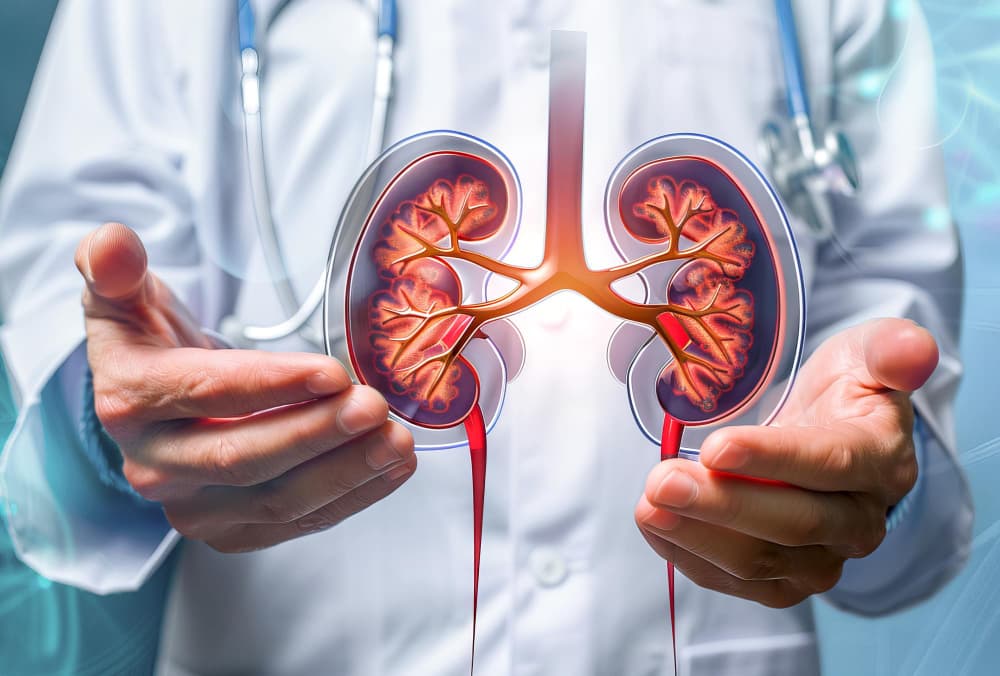
The kidneys play a central role in regulating uric acid because they remove most of the uric acid produced by the body. When kidney function decreases, elimination may become less efficient and blood levels may rise.
The relationship also works in the other direction: high uric acid is associated with uric acid kidney stones and, less commonly, crystal-related kidney injury. However, elevated uric acid does not necessarily mean that kidney damage is present, and it is not established as the direct cause of chronic kidney disease in every person with hyperuricemia.
Can High Uric Acid Cause Kidney Disease?
Persistent hyperuricemia is associated with chronic kidney disease, but the relationship is complex. Reduced kidney function can increase uric acid because the kidneys cannot eliminate it as effectively. Gout and uric acid stones can also cause complications affecting joints and the urinary system.
Uric acid crystals can rarely accumulate within kidney structures and contribute to kidney injury. This is different from the more common finding of elevated blood uric acid in someone who already has impaired kidney function.
Doctors assess kidney health using several measurements rather than relying on uric acid alone. These may include serum creatinine, eGFR, BUN, urine albumin, urinalysis, and imaging when indicated.
Tests Used to Assess Kidney Function
When high uric acid occurs alongside kidney symptoms, recurrent stones, or suspected kidney impairment, a doctor may recommend:
Creatinine: A waste product from muscle metabolism measured in the blood. It helps estimate how well the kidneys filter blood.
Estimated glomerular filtration rate (eGFR): A calculation based mainly on creatinine that estimates kidney filtration.
Blood urea nitrogen (BUN): Measures nitrogen from urea in the blood and provides additional information about kidney function and hydration.
Urinalysis: Checks urine for blood, protein, crystals, and other abnormalities.
Urine albumin-to-creatinine ratio: Helps detect albumin in urine, which can be an early sign of kidney damage.
Imaging: Ultrasound or CT may be used when stones, obstruction, or structural problems are suspected.
When to See a Doctor for High Uric Acid
An elevated uric acid result does not always require urgent treatment, but it should be interpreted in the context of symptoms and medical history. A doctor can determine whether repeat testing, further investigation, lifestyle changes, or medication is appropriate.
Symptoms That Need Prompt Medical Attention
Seek urgent medical care if any of the following occur:
A hot, red, swollen joint with fever: This may indicate a joint infection rather than gout. Septic arthritis can damage a joint quickly and requires urgent assessment.
Severe flank or back pain: Sudden pain moving toward the groin may indicate a kidney stone or urinary obstruction.
Fever or chills with suspected kidney stones: This may indicate infection behind an obstruction and requires emergency care.
Persistent vomiting or inability to keep fluids down: This can cause dehydration and complicate kidney stone symptoms.
Inability to pass urine: This may indicate serious urinary obstruction and needs immediate medical attention.
Visible blood in the urine: Blood can occur with stones but may have other causes that need investigation.
Metabolic and Kidney Care at Medical Park
Elevated uric acid levels can be associated with several conditions, including gout, kidney stones, reduced kidney function, and metabolic disorders. At Medical Park Hospitals in Turkey, patients can undergo comprehensive check-ups and specialist evaluations to identify possible causes of abnormal uric acid levels and determine whether further investigation or treatment is needed. Assessments consider symptoms, medical history, current medications, blood and urine test results, and other relevant health risks.
Check-up and diagnostic services may include uric acid measurements, kidney function tests, metabolic assessments, and urine analysis. When further investigation is necessary, advanced imaging can help evaluate the kidneys and urinary tract, identify stones, and assess possible complications. Based on the findings, specialists develop an individualized treatment plan that may include medication, monitoring, dietary guidance, or stone removal procedures.
Rheumatologists evaluate and manage gout, recurrent joint inflammation, and urate crystal deposits. Nephrologists assess kidney function and related complications, while urologists investigate urinary stones and determine whether medical or procedural treatment is appropriate. Endocrinologists may contribute to the assessment of associated metabolic conditions, and dietitians provide guidance on nutrition and weight management when needed.
Medical Park’s International Patient Services Center assists international patients with medical record reviews, appointment coordination, diagnostic scheduling, and treatment arrangements. From initial check-ups and advanced diagnostic investigations to specialist-led treatment and follow-up, patients can organize their care with support throughout their visit to Turkey.




 Makaleye Dön
 E-Result