


 TR
 EN
 RU
 AR
 FR


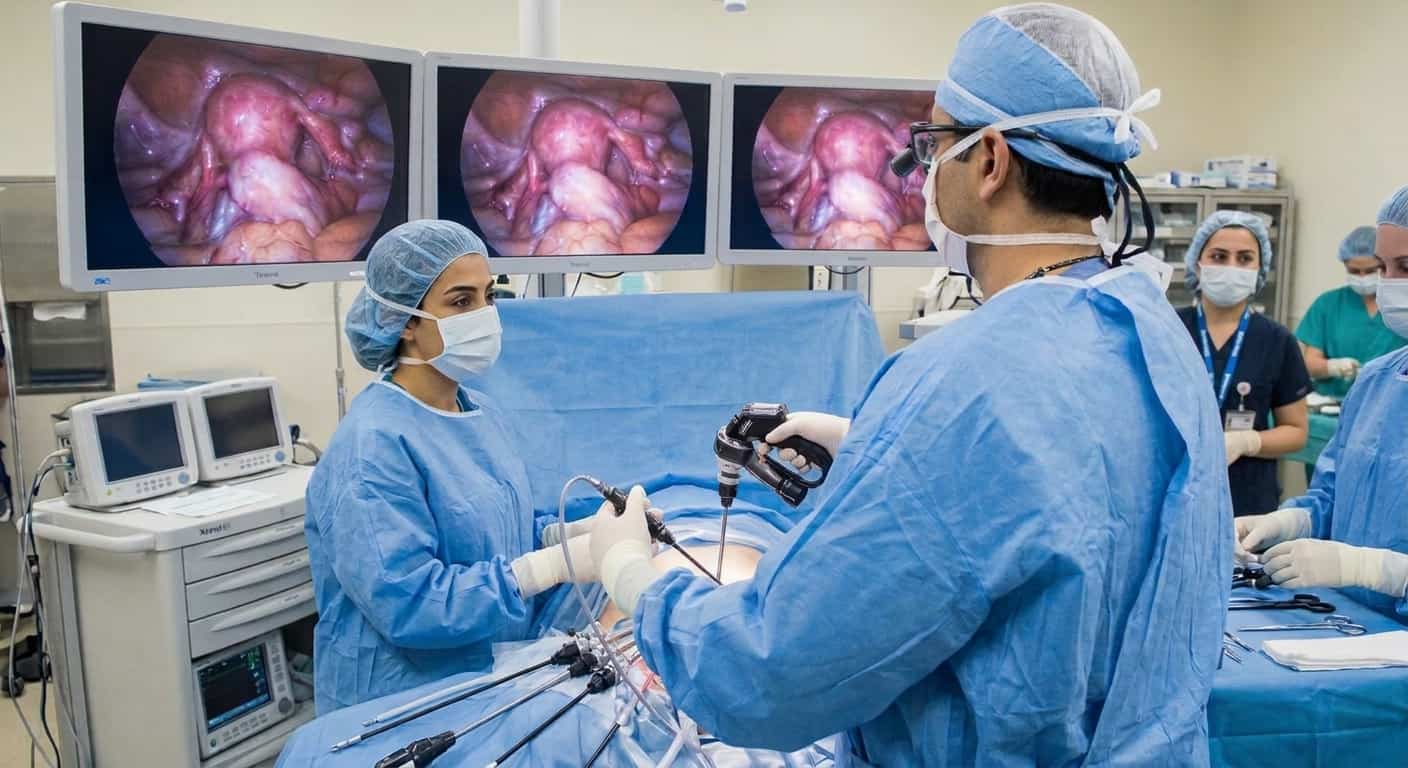

vNOTES (Vaginal Natural Orifice Transluminal Endoscopic Surgery) is a minimally invasive surgical technique that allows gynecologists to operate on pelvic organs through the vagina using a camera and specialized instruments. Because the surgeon does not need to make incisions in the abdomen, the approach avoids visible abdominal scars while providing access to the uterus, ovaries, and fallopian tubes for selected procedures.
Although vNOTES may offer benefits such as less postoperative pain and a shorter hospital stay in suitable patients, its safety and effectiveness depend on careful patient selection and the surgeon's experience.
This guide covers how the procedure works, which gynecologic conditions and operations it may be used for, its potential benefits and risks, who may be a suitable candidate, how it compares with other surgical approaches, and what to expect before, during, and after surgery for international patients.
What Is vNOTES (Vaginal Natural Orifice Transluminal Endoscopic Surgery)?
Natural orifice transluminal endoscopic surgery (NOTES) is a surgical approach in which doctors reach an internal area of the body through a natural opening rather than making an incision through the skin. In gynecology, vNOTES uses the vagina as the access route to the pelvic cavity. The surgeon works through a small opening inside the vagina using a camera and instruments, applying principles similar to those used in conventional laparoscopy.
The term transluminal refers to passing through the wall of an internal passage or cavity to reach another area. In vNOTES, the surgeon creates a controlled opening at the back of the vaginal canal to enter the abdominal cavity and access pelvic organs. The instruments and camera pass through a specialized access platform, allowing the surgeon to see the operating area on a monitor.
vNOTES is not the same as traditional vaginal surgery. A conventional vaginal hysterectomy, for example, is performed through the vagina using surgical instruments without a laparoscopic camera or gas to create a working space. vNOTES combines vaginal access with endoscopic visualization, which can give the surgeon a clearer view of pelvic structures and allow procedures involving the ovaries and fallopian tubes in selected patients.
The technique began gaining wider use in gynecology in the early 2010s. Although research and clinical experience have grown, vNOTES remains a specialized approach. It is not suitable for every gynecologic operation or every patient, and conventional vaginal, laparoscopic, robotic, or abdominal surgery may be more appropriate in some circumstances.
How vNOTES Works
The operation is performed under general anesthesia. After positioning the patient, the surgeon accesses the pelvis through a small incision in the back of the vagina, an area known as the posterior vaginal fornix. This opening is called a colpotomy. A soft access platform, often called a vNOTES platform, is placed through the opening to provide entry points for the camera and surgical instruments.
The main steps generally include:
Creating the access point: The surgeon makes a controlled incision inside the vagina to reach the pelvic cavity. The incision is not made through the abdominal skin.
Placing the access platform: A specialized device is positioned in the opening to maintain access and allow the camera and instruments to pass through separate channels.
Creating a working space: Carbon dioxide gas is introduced into the pelvis to create room for the surgeon to see and move the instruments. This is similar to the process used in laparoscopy.
Viewing the pelvic organs: A small camera sends images to a monitor, allowing the surgeon to examine the uterus, ovaries, fallopian tubes, and surrounding structures.
Performing the operation: The surgeon uses endoscopic instruments to carry out the planned procedure. Depending on the operation, tissue may be removed through the vagina.
Closing the incision: Once the procedure is complete, the access platform is removed and the vaginal incision is closed with stitches, usually dissolvable ones.
The exact steps depend on the operation being performed. A vNOTES hysterectomy, for example, involves removing the uterus, while surgery for an ovarian cyst focuses on the affected ovary and the cyst. The surgeon may need to change the approach if visibility is limited, unexpected findings arise, or continuing through the vaginal route would not be safe.
vNOTES Compared With Other Surgical Approaches
Gynecologic operations can be performed through several routes. The most appropriate approach depends on the condition, the size and position of the organs or masses involved, previous operations, pelvic anatomy, and the surgeon's assessment.
Surgical approach | How the surgeon accesses the pelvis | Camera and instruments | General considerations |
|---|---|---|---|
Abdominal (open) surgery | One larger incision in the abdomen | The surgeon operates directly through the incision | May be necessary for complex cases or when other approaches are unsuitable; usually involves a larger wound and longer recovery |
Conventional laparoscopy | Several small incisions in the abdomen | A camera and instruments pass through separate abdominal ports | Minimally invasive approach with no large abdominal incision; requires abdominal access |
Robotic-assisted surgery | Several small incisions in the abdomen | Robotic instruments and a camera are controlled by the surgeon from a console | Offers enhanced instrument movement and visualization; still requires abdominal incisions |
Traditional vaginal surgery | Access through an incision inside the vagina | The surgeon uses instruments without a laparoscopic camera or gas-filled working space | Avoids abdominal incisions but provides a different view and range of access than vNOTES |
vNOTES | Access through a small incision inside the vagina | A camera and endoscopic instruments pass through a vaginal access platform | Avoids abdominal incisions while providing endoscopic visualization of the pelvis |
The terms minimally invasive and scarless should not be taken to mean that surgery involves no incision or internal healing. vNOTES avoids visible abdominal incisions, but the vaginal incision still needs time to heal. It is sometimes marketed as scarless hysterectomy, but “no visible abdominal scars” is a more accurate description.
Conditions and Procedures Treated With vNOTES
vNOTES is used mainly for selected gynecologic operations involving benign conditions of the uterus, ovaries, and fallopian tubes. Its best-established applications include hysterectomy and certain adnexal procedures. Adnexal refers to structures next to the uterus, particularly the ovaries and fallopian tubes.
The technique can provide access to pelvic organs without abdominal incisions, but the suitability of the vaginal route depends on the specific condition and the anatomy involved. Some procedures are well established in selected patients, while others are still developing and may only be performed in centers with relevant expertise.
Hysterectomy
A hysterectomy is an operation to remove the uterus. It may be recommended for certain conditions when medication or other treatments have not provided adequate relief, or when surgery is considered the most appropriate option. vNOTES hysterectomy is one way to perform this operation in carefully selected patients.
Benign conditions that may lead to consideration of hysterectomy include:
Uterine fibroids: These are noncancerous growths in or around the uterus that can cause heavy menstrual bleeding, pelvic pressure, pain, or fertility-related problems.
Adenomyosis: This condition occurs when tissue similar to the uterine lining grows into the muscular wall of the uterus, sometimes causing painful periods, heavy bleeding, and an enlarged uterus.
Persistent abnormal uterine bleeding: Surgery may be considered when heavy or irregular bleeding continues despite appropriate medical treatment and other causes have been assessed.
Endometriosis: In selected cases, hysterectomy may form part of a treatment plan for severe symptoms, although removing the uterus does not necessarily remove all endometriosis or guarantee that pain will resolve.
The surgeon assesses the size and position of the uterus, the underlying diagnosis, previous pelvic operations, and whether the uterus can be safely removed through the vaginal route. The decision also depends on whether the ovaries and fallopian tubes need to be removed at the same time.
A hysterectomy ends the ability to carry a pregnancy. It does not automatically mean that the ovaries are removed. If the ovaries are preserved, they may continue producing hormones after the uterus has been removed.
Ovarian Cysts and Fallopian Tube Surgery
vNOTES can also be used for selected operations involving the ovaries and fallopian tubes. These structures are located on either side of the uterus and are sometimes referred to together as the adnexa.
Possible procedures include:
Ovarian cystectomy: The surgeon removes a cyst while preserving as much healthy ovarian tissue as possible, when appropriate.
Oophorectomy: This is the surgical removal of one or both ovaries. It may be recommended when preservation is not appropriate because of the nature of the condition.
Salpingectomy: This involves removing one or both fallopian tubes. It may be performed to treat a tubal condition or as part of another gynecologic operation.
Tubal sterilization: In selected cases, the fallopian tubes can be treated or removed as a permanent method of contraception.
Not every ovarian cyst or tubal condition is suitable for vNOTES. The size and appearance of a cyst, the possibility of malignancy, adhesions, and the relationship of the affected organ to nearby structures all influence the choice of approach.
Fibroids, Prolapse Repair, and Other Procedures
Some centers use vNOTES for selected procedures beyond hysterectomy and adnexal surgery. These may include certain operations involving fibroids, pelvic floor dysfunction, or adhesions, but the evidence and experience vary by procedure.
A myomectomy removes uterine fibroids while preserving the uterus. vNOTES myomectomy may be considered in selected cases, but it is not a routine option for every fibroid. The number, size, and location of the fibroids, as well as the patient's reproductive plans, are important when choosing the surgical route.
Pelvic organ prolapse occurs when pelvic organs, such as the uterus or bladder, descend because the supporting tissues have weakened. Some vNOTES techniques are being used for selected prolapse repairs, but the appropriate operation depends on the type and severity of prolapse and the surgeon's experience.
Adhesions are bands of scar tissue that can develop after surgery, infection, or inflammation and cause organs or tissues to stick together. Selected adhesions may be treated through vNOTES, but extensive or dense adhesions can make access more difficult and may favor another approach.
Emerging and Specialized Uses
Research is exploring additional uses of vNOTES, including selected procedures related to early endometrial cancer. These may involve surgical staging or sentinel lymph node assessment in carefully selected patients. However, cancer surgery requires specific planning to remove or assess disease safely, and vNOTES is not suitable for every cancer diagnosis or stage.
The role of vNOTES in gynecologic oncology is still evolving. The decision must take into account the cancer type and extent, the need for lymph node assessment, the ability to remove tissue safely, and established oncologic principles. Patients should not assume that vNOTES is an appropriate option simply because a condition affects the uterus or another pelvic organ.
Other specialized applications are also being investigated. Availability depends on the center's expertise, the evidence supporting the procedure, and whether the approach is appropriate for the individual case.
Benefits of vNOTES
The main potential benefit of vNOTES is that the surgeon can perform selected pelvic operations without making incisions in the abdominal skin. This may be appealing to patients who want to avoid visible abdominal scars, but the advantages extend beyond appearance. By using the vagina as the access route, vNOTES avoids the abdominal wall entry points required for conventional laparoscopy and robotic-assisted surgery.
Potential benefits include:
No visible abdominal scars: The surgeon reaches the pelvis through an incision inside the vagina, so there are no external abdominal incisions from the vNOTES access route.
Less abdominal wall trauma: Avoiding abdominal ports means the procedure does not require the same punctures through the abdominal muscles and tissues as conventional laparoscopy.
Potentially less postoperative pain: Some comparative studies have found lower pain scores after vNOTES than after conventional laparoscopic hysterectomy, although pain varies between patients and procedures.
Possibility of a shorter hospital stay: Selected patients may be able to leave the hospital on the day of surgery or after a shorter stay, depending on their recovery and the operation performed.
Earlier return to daily activities: Some studies report faster early recovery, but the timing of return to work, exercise, and other activities depends on the operation and individual healing.
No abdominal port-site wounds: Avoiding abdominal incisions also avoids complications specific to those entry points, such as port-site infection or hernia.
These potential benefits do not mean vNOTES is always safer, less painful, or faster than other surgical approaches. The results depend on the patient's condition, the procedure, the surgeon's experience, and whether the operation can be completed safely through the vaginal route. The technique also involves an internal incision that requires healing and carries its own risks.
Who Is a Good Candidate for vNOTES?
There is no single checklist that determines whether someone can undergo vNOTES. The surgeon makes this decision after reviewing the diagnosis, medical history, imaging results, and pelvic anatomy. A physical examination is particularly important because the vaginal route must provide safe access to the area where the operation will take place.
vNOTES is generally considered for selected patients who need a gynecologic operation for a benign condition and whose anatomy allows the surgeon to reach the pelvic organs safely. The approach may be unsuitable when the surgeon cannot obtain adequate access or visibility, or when the condition requires a different surgical strategy.
Situations Where vNOTES Is Often Suitable
A patient may be considered for vNOTES when:
The condition is suitable for minimally invasive surgery: The diagnosis and planned operation can be managed safely through the vaginal route, often for a benign gynecologic condition.
The uterus or mass can be removed safely: Its size, shape, and position allow the surgeon to complete the operation without an unacceptable risk.
Vaginal access is adequate: The vaginal canal and surrounding tissues allow the access platform and instruments to be positioned safely.
The back of the pelvis can be accessed safely: There is no strong indication of severe scarring or disease that would make entry into the pelvic cavity hazardous.
The patient's overall health allows surgery: Medical conditions and anesthesia risks have been assessed and can be managed appropriately.
A previous cesarean section does not automatically rule out vNOTES. However, previous pelvic or abdominal surgery may have caused adhesions, and the surgeon needs to assess whether these could affect safe access or visibility. Similarly, a higher body mass index does not automatically prevent vNOTES, but it may affect anesthesia planning and the technical difficulty of surgery.
When vNOTES May Not Be Suitable
Another surgical approach may be safer or more effective in situations such as:
A very large uterus or pelvic mass: The size or position may prevent safe removal through the vaginal route.
Severe pelvic adhesions: Extensive scar tissue, particularly behind the uterus, can make access difficult and increase the risk of injury to nearby organs.
Deep endometriosis involving the rectovaginal area: Disease in this location can make entry through the back of the vagina more complicated.
Active pelvic infection: Infection may increase surgical risks and usually needs to be treated before elective surgery.
Suspected advanced gynecologic cancer: The required surgical staging or removal of disease may be better suited to another approach.
Limited vaginal access: A narrow or less flexible vaginal canal may make it difficult to position the access platform safely.
Certain previous pelvic procedures or treatments: A history of complex rectal surgery, pelvic radiotherapy, or other operations may affect the safety of the approach.
These are considerations rather than a substitute for an individual assessment. Some factors that make vNOTES more challenging do not automatically exclude it, and the surgeon may recommend imaging or additional examination before deciding.
Questions About Vaginal Access and Sexual History
Questions about vaginal access are common, particularly for patients who have never had vaginal intercourse or who are concerned about whether their sexual history affects eligibility. Suitability is determined by anatomy, tissue flexibility, the planned operation, and the surgeon's assessment—not by marital status or assumptions about sexual activity.
A patient who has never had vaginal intercourse may have concerns about examination, access, or possible changes after surgery. The surgeon should discuss these concerns respectfully, explain what the assessment involves, and consider whether another surgical route would be more appropriate. No one should assume that vNOTES is suitable or unsuitable based only on sexual history.
Patients may also want to understand how surgery could affect vaginal comfort or sexual function. These questions should be discussed before the operation, including the expected healing period and when sexual activity can safely resume.
How to Prepare for vNOTES Surgery
Preparation begins with confirming the diagnosis and deciding whether vNOTES is an appropriate approach. The surgeon reviews symptoms, previous treatments, medical and surgical history, medications, and any relevant imaging. The evaluation may include a pelvic examination and ultrasound, with MRI or other investigations when more information about the uterus, ovaries, or surrounding structures is needed.
Before surgery, the team may arrange:
Pelvic examination: This helps assess the size and position of the uterus, vaginal access, and any findings that could affect the operation.
Ultrasound or MRI: Imaging can help evaluate fibroids, ovarian cysts, endometriosis, or other pelvic conditions and support surgical planning.
Cervical screening or other gynecologic tests: These may be recommended depending on the patient's age, history, symptoms, and diagnosis.
Blood tests: Tests may assess blood count, kidney function, and other aspects of general health before anesthesia and surgery.
Medication review: The team checks prescription medicines, over-the-counter products, and supplements, particularly those that may affect bleeding or anesthesia.
Anesthesia assessment: The anesthesiologist reviews medical conditions, previous anesthesia experiences, allergies, and any factors that may affect the procedure.
Patients should follow the surgical team's instructions about fasting, medication adjustments, and what to bring to the hospital. Some patients may be advised to use vaginal estrogen before surgery, particularly when tissue quality or flexibility is a concern, but this is not necessary for everyone. Medication or vaginal treatment should only be used when recommended by the treating team.
The surgeon should explain the planned operation, expected benefits, possible complications, and alternatives before consent is given. Patients should also ask what would happen if vNOTES cannot be completed safely and whether conversion to laparoscopy or open surgery might be necessary.
What Happens During vNOTES Surgery?
vNOTES is usually performed under general anesthesia, so the patient is asleep and does not feel the operation. The procedure takes place in an operating room, where the surgical team monitors vital signs and follows standard infection-prevention and anesthesia procedures.
After anesthesia, the patient is positioned to allow access to the vagina and pelvis. The surgeon makes a small incision inside the vagina, usually at the back of the vaginal canal, and places the access platform through this opening. Carbon dioxide gas is introduced to create space in the pelvis, and the camera provides a magnified view of the organs on a monitor.
The surgeon then performs the planned operation using instruments passed through the platform. For a hysterectomy, this involves separating the uterus from its supporting structures and blood supply before removing it through the vaginal route when possible. For ovarian or fallopian tube surgery, the surgeon works on the affected structure according to the treatment plan.
After the operation, the surgeon checks the surgical area, removes the instruments and platform, and closes the vaginal incision with stitches. The patient is then taken to the recovery area, where the team monitors pain, bleeding, breathing, and other signs of recovery.
The duration varies according to the procedure and its complexity. A straightforward operation may take less time than surgery involving large fibroids, adhesions, or additional procedures. If the surgeon cannot see or reach the operating area safely, or if unexpected findings make another approach necessary, the operation may be converted to conventional laparoscopy or open surgery. This decision is made to protect the patient's safety and does not mean that the operation has failed.
Recovery After vNOTES
Recovery after vNOTES depends on the operation performed, the patient's general health, and whether any additional procedures were needed. Some patients undergoing uncomplicated surgery may be discharged on the same day, while others stay overnight or longer for observation and pain control. Although avoiding abdominal incisions may reduce some aspects of postoperative discomfort, the vaginal incision still needs time to heal.
The surgical team provides instructions about pain relief, hygiene, activity, wound care, and follow-up. Patients should follow their own discharge plan rather than relying on a fixed recovery schedule, as restrictions can differ after hysterectomy, ovarian surgery, and other procedures.
The First Days
During the first few days, mild pelvic discomfort, tiredness, bloating, and light vaginal bleeding or discharge may occur. Some patients also experience temporary discomfort when passing urine or bowel movements, depending on the operation and anesthesia. These symptoms should gradually improve rather than become more severe.
Early gentle movement is usually encouraged once the medical team considers it safe. Short walks help circulation and reduce the risk of blood clots, while adequate rest supports recovery. Pain medication should be taken according to the discharge instructions, and patients should avoid driving while affected by anesthesia or medicines that cause drowsiness.
The length of the hospital stay depends on the operation and recovery. Same-day discharge may be possible for selected patients, but it is not guaranteed. The team may recommend a longer stay if pain, nausea, bleeding, urinary function, or another medical concern needs monitoring.
Recovery Timeline
Recovery is gradual, and the following time frames are general examples rather than fixed milestones:
First week: Patients usually focus on rest, short walks, hydration, and taking prescribed medication as directed. Light vaginal bleeding or discharge may continue, but heavy bleeding or worsening symptoms need medical assessment.
Weeks 2 to 4: Energy levels often improve, and patients may gradually resume light daily activities if recovery is uncomplicated. Returning to work depends on the nature of the job, the procedure, and the surgeon's advice; physically demanding work may require more time away.
Weeks 4 to 8: Many patients can progressively return to more usual activities during this period, depending on healing and the operation performed. Heavy lifting, strenuous exercise, and vaginal intercourse should only resume when the treating surgeon confirms that the incision has healed sufficiently.
After hysterectomy, patients are commonly advised to avoid putting anything into the vagina, including tampons, and to pause vaginal intercourse for several weeks. The exact restriction period varies, and the surgeon should confirm when it is safe to resume sexual activity. Patients who have undergone ovarian or fallopian tube surgery without hysterectomy may receive different instructions.
What Is Normal and When to Get Help
Light bleeding or discharge, mild discomfort, and tiredness can occur during recovery. However, some symptoms may indicate infection, bleeding, a blood clot, or an injury that needs urgent assessment.
Contact the treating team urgently or seek emergency medical care if any of the following occur:
Fever: A high temperature or fever accompanied by chills or feeling increasingly unwell.
Heavy vaginal bleeding: Bleeding that is heavy, increases rather than settles, or includes large clots.
Severe or worsening pain: Pelvic or abdominal pain that becomes more intense or is not controlled by prescribed medication.
Foul-smelling discharge: Discharge with an unpleasant odor, particularly when accompanied by fever or pain.
Urinary or bowel problems: Inability to pass urine, significant difficulty urinating, or new problems with bowel function.
Leg swelling or pain: New swelling, tenderness, warmth, or pain in one leg, which may be a sign of a blood clot.
Chest pain or shortness of breath: These symptoms may indicate a serious complication, including a clot in the lungs, and require emergency medical attention.
Patients traveling after surgery should know how to contact their treating team and where to seek urgent care if symptoms develop after leaving the hospital.
Risks and Complications of vNOTES
Like other surgical techniques, vNOTES carries risks. The possibility of complications depends on the procedure, the patient's anatomy and medical history, and the surgeon's experience. Avoiding abdominal incisions does not eliminate the risks associated with operating near the bladder, ureters, bowel, blood vessels, and other pelvic structures.
Potential complications include:
Bleeding: Blood loss can occur during surgery or afterward. In some cases, additional treatment or a blood transfusion may be required.
Infection: Infection may affect the vaginal incision, pelvis, urinary tract, or other areas. Antibiotics or further treatment may be needed.
Injury to nearby organs: The bladder, ureters (the tubes that carry urine from the kidneys to the bladder), bowel, or rectum may be injured during access or surgery. Some injuries may require additional procedures to repair.
Problems with the vaginal incision: The area where the incision is closed, sometimes called the vaginal cuff after hysterectomy, may develop bleeding, infection, delayed healing, or separation.
Pain during intercourse: Some patients experience discomfort after surgery. Healing, scarring, dryness, and changes related to the underlying condition or removal of the ovaries may contribute.
Anesthesia-related complications: General anesthesia carries risks that vary according to a patient's health and medical history.
Conversion to another surgical approach: The surgeon may need to continue the operation using conventional laparoscopy or open surgery if the vaginal route does not provide safe access or adequate visibility.
A further consideration is the learning curve associated with vNOTES. The surgeon needs specific training and practical experience with the access platform, endoscopic technique, and management of complications. Outcomes may vary with experience, so patients should ask how often the surgeon performs the planned vNOTES procedure and what alternatives are available if the approach is not suitable.
vNOTES vs. Laparoscopic Hysterectomy: What Does the Research Show?
Research comparing vNOTES with conventional laparoscopic hysterectomy has reported promising results, particularly for selected patients undergoing surgery for benign conditions. Some studies have found lower postoperative pain scores, shorter operating times, shorter hospital stays, and a greater likelihood of same-day discharge after vNOTES. These findings suggest that the vaginal access route may offer practical recovery advantages for some patients.
A 2024 systematic review and meta-analysis comparing vNOTES hysterectomy with conventional laparoscopic hysterectomy included 14 studies. The authors reported shorter operating times and hospital stays and lower pain scores in the vNOTES groups. They did not find significant differences in several other outcomes, including estimated blood loss, conversion rates, and intraoperative complications. The studies included different designs and patient groups, so the findings should not be interpreted as proof that vNOTES is superior for every patient.
Research comparing vNOTES with traditional vaginal hysterectomy has also examined whether endoscopic visualization and access to the pelvis provide advantages over surgery performed with conventional vaginal instruments. Results are encouraging in selected settings, but the two approaches are not interchangeable, and the best option depends on the operation and the patient's anatomy.
There are important limitations to the current evidence. vNOTES is newer than conventional laparoscopy, and the number of high-quality studies is smaller. Some research includes relatively small patient groups or combines results from different centers and surgical procedures. Outcomes may also be affected by the surgeon's experience and the criteria used to select patients.
For these reasons, vNOTES should be considered one of several minimally invasive options rather than the best hysterectomy method for everyone. A surgeon should explain how the evidence applies to the specific diagnosis, what benefits are realistic, and whether conventional vaginal, laparoscopic, robotic, or abdominal surgery would offer a safer or more appropriate option.
Factors That Affect vNOTES Cost and Practical Considerations
The cost of vNOTES varies according to the operation, the hospital, the surgeon, the equipment used, and whether additional procedures or an overnight stay are required. A hysterectomy may involve different costs from ovarian cyst removal or fallopian tube surgery, and the final plan depends on the patient's diagnosis and clinical needs.
Insurance coverage also varies. Patients should ask for an itemized estimate that explains what is included, such as the surgeon's and anesthesiologist's fees, hospital accommodation, diagnostic tests, medication, and follow-up appointments. The cost should be considered alongside the surgeon's experience and the suitability of the procedure, rather than as the only factor when comparing treatment options.
vNOTES in Turkey: Planning Surgery as an International Patient
International patients considering vNOTES in Turkey should arrange a medical review before booking travel. The treating team may initially assess medical records, previous operation reports, imaging, and test results remotely to determine whether an in-person examination is likely to be appropriate. This preliminary review can help identify questions that need to be addressed before a treatment plan is finalized, but it does not replace the surgeon's examination and assessment.
Patients should share details of previous cesarean sections or pelvic operations, current medications, allergies, and any relevant medical conditions. Recent ultrasound or MRI reports may also help the team assess the uterus, ovaries, and other pelvic structures. The surgeon should explain whether vNOTES is a realistic option, what alternative approaches may be needed, and how long the patient should plan to remain in Turkey.
The timing of the return flight is particularly important after pelvic surgery. Surgery and prolonged immobility can increase the risk of blood clots in the legs or lungs, and air travel may add to that risk. There is no single safe flight date for every patient; the treating surgeon should assess recovery, mobility, individual clotting risk, and the planned operation before advising when it is appropriate to fly.
Before traveling, international patients should clarify:
Preoperative assessment: Which examinations and tests can be reviewed remotely and which must be completed in person?
Surgical experience: How experienced is the surgeon with vNOTES and the specific operation being considered?
Alternative approaches: What would happen if the surgeon determines that vNOTES is not suitable or cannot be completed safely?
Hospital stay and local accommodation: How long should the patient expect to stay near the hospital after discharge?
Follow-up: When will the postoperative review take place, and how will the patient contact the team after returning home?
Travel clearance: What criteria must be met before flying, and what precautions are recommended during the journey?
Patients should avoid making travel arrangements that depend on an assumed same-day discharge or a fixed recovery period. The final schedule should allow enough time for assessment, surgery, postoperative observation, and any follow-up the treating team considers necessary.
Minimally Invasive Gynecologic Surgery and vNOTES at Medical Park
Medical Park performs vNOTES at several of its hospitals, where specialists in Gynecology and Obstetrics and Gynecologic Oncology Surgery evaluate patients and determine whether this approach is appropriate for their condition. The assessment includes reviewing the diagnosis, pelvic examination findings, imaging results, previous abdominal or pelvic operations, and overall health.
Specialists also consider factors such as the size and location of the uterus or any pelvic masses, the presence of adhesions, and whether the required procedure can be safely completed through vaginal access. Based on these findings, they explain the potential benefits and limitations of vNOTES compared with conventional vaginal, laparoscopic, robotic, or open surgery and recommend the approach best suited to the patient's needs.
For patients considering a vNOTES hysterectomy or surgery involving the ovaries and fallopian tubes, the treatment plan is tailored to the underlying condition and the extent of surgery required. Before the operation, the team explains the planned procedure, expected hospital stay, possible risks, and anticipated recovery, allowing patients to understand what to expect and raise any concerns.
Preoperative assessment and postoperative follow-up are also arranged to monitor recovery, manage symptoms, and provide guidance on gradually returning to daily activities. Patients receive instructions on activity restrictions, vaginal care, follow-up appointments, and warning signs that require medical attention.
For international patients, Medical Park’s International Patient Services Center coordinates communication with the treating team, medical record review, appointment planning, and practical arrangements related to treatment in Turkey. This support helps patients organize their hospital visit and maintain contact with the medical team during the treatment and follow-up process, including after returning home.


 Makaleye Dön
 E-Result
 WhatsApp