


 TR
 EN
 RU
 AR
 FR


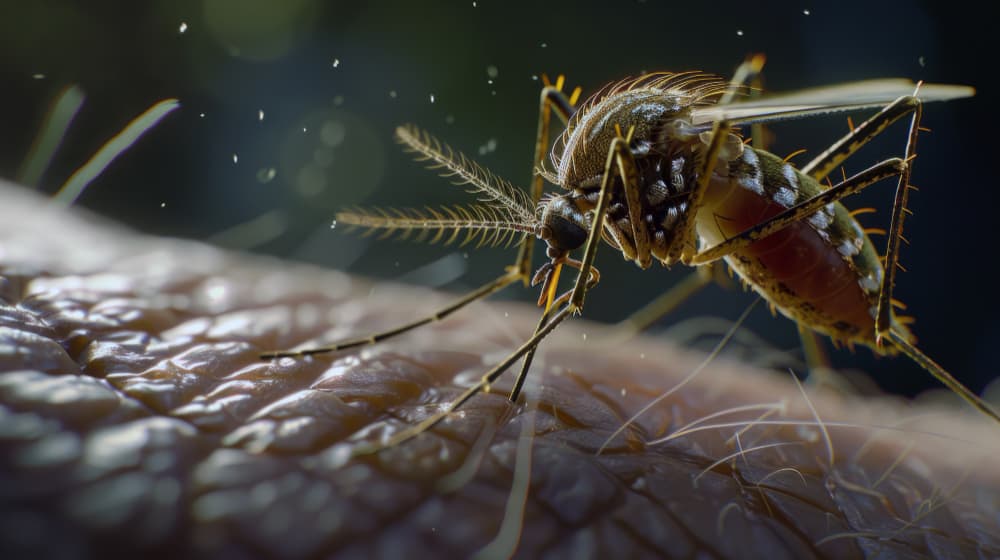

West Nile virus is a mosquito-borne infection that most people have never heard of until a case appears close to home — and for good reason, since the vast majority of infections cause no symptoms at all. Yet in a small proportion of cases, the virus can cross into the nervous system and cause serious, sometimes lasting illness, which is why understanding how it spreads and who is most at risk remains an important part of public health awareness, particularly during the warmer months when mosquito activity peaks.
First identified in Uganda in 1937, West Nile virus has since spread across much of the world, including Europe, North America, the Middle East, and West Asia, and cases are reported in Turkey most years during the summer and autumn transmission season.
This guide explains what West Nile virus is, how it spreads, what symptoms to watch for, how it is diagnosed and treated, and how to reduce your risk of infection.
What Is West Nile Virus?
West Nile virus is a member of the flavivirus family, the same group of viruses responsible for illnesses such as dengue and Zika. It is maintained in nature primarily through a cycle between mosquitoes and birds, with mosquitoes acting as the primary vector that transmits the virus to humans and other mammals through a bite.
Humans and horses are considered "dead-end" hosts, meaning that once infected, they do not carry enough virus in their bloodstream to pass it on to another mosquito that bites them. This means West Nile virus cannot spread directly from person to person through casual contact.
In rare instances, transmission has occurred through blood transfusion, organ transplantation, or from mother to baby during pregnancy, breastfeeding, or delivery, but mosquito bites remain by far the most common route of infection.
How Does West Nile Virus Spread?
The transmission cycle of West Nile virus begins when a mosquito, most commonly a species from the Culex genus, bites an infected bird and picks up the virus. The mosquito can then transmit the virus to humans, horses, and other animals during subsequent bites.
Because birds serve as the natural reservoir for the virus, areas with standing water, wetlands, or dense bird populations tend to see higher mosquito infection rates and, in turn, higher human case numbers.
Several factors influence the risk of transmission in a given region and season:
- Climate and season: Peak transmission occurs during the warmer months, typically from late spring through early autumn, when mosquito populations are most active.
- Standing water: Stagnant water sources, including poorly maintained pools, clogged gutters, and containers that collect rainwater, provide breeding grounds for mosquitoes.
- Geography: West Nile virus is endemic in parts of Europe, the Middle East, Africa, and North America, with case numbers varying considerably by country and even by region within a country.
- Outdoor exposure: Time spent outdoors during dawn and dusk, when many mosquito species are most active, increases the likelihood of being bitten.
Symptoms of West Nile Virus
One of the defining features of West Nile virus infection is how often it goes unnoticed. The large majority of people who become infected develop no symptoms whatsoever and may never know they were exposed. Understanding the different possible presentations is important for recognizing when medical attention is needed.
Mild or Asymptomatic Infection
Most people infected with West Nile virus experience either no symptoms at all or a mild, self-limiting illness sometimes referred to as West Nile fever. When symptoms do occur, they typically begin within two to fourteen days of the mosquito bite and can include fever, headache, fatigue, body aches, nausea, vomiting, and occasionally a rash on the torso or swollen lymph glands.
These symptoms usually resolve within several days to a few weeks without specific treatment, although fatigue can occasionally linger longer.
Severe or Neuroinvasive Disease
In a small percentage of cases, West Nile virus crosses into the central nervous system and causes what is known as neuroinvasive disease, which includes conditions such as encephalitis (inflammation of the brain) and meningitis (inflammation of the membranes surrounding the brain and spinal cord).
This severe form is far less common than mild infection but can be serious, particularly in older adults and people with weakened immune systems.
Warning signs of neuroinvasive disease include:
- High fever and neck stiffness: Often accompanied by a severe headache that differs from a typical tension headache.
- Disorientation or confusion: Sudden changes in mental clarity or alertness.
- Tremors or convulsions: Involuntary shaking or seizure activity.
- Muscle weakness or paralysis: Particularly weakness that develops rapidly in the limbs, which can resemble other neurological conditions.
- Coma: In the most severe cases, loss of consciousness requiring urgent hospital care.
Anyone experiencing these symptoms, especially following recent travel to or time spent in an area with known West Nile virus activity, should seek medical attention promptly, since early recognition and supportive care can significantly affect outcomes.
Who Is Most at Risk?
While anyone bitten by an infected mosquito can contract West Nile virus, the risk of developing severe, neuroinvasive disease is not distributed equally across the population. Age is the single most significant risk factor, with people over 60 facing a substantially higher likelihood of serious complications.
Other groups at elevated risk include people with weakened immune systems, such as organ transplant recipients or those undergoing certain cancer treatments, and individuals with pre-existing conditions such as diabetes, hypertension, or kidney disease.
Long-term travelers and those who spend extended periods outdoors in endemic regions during peak mosquito season also face a higher cumulative exposure risk.
Diagnosis and Treatment of Western Nile Virus
Diagnosing West Nile virus typically begins with a review of symptoms, recent travel or outdoor activity, and the local season, followed by blood tests to detect antibodies the immune system produces in response to the virus.
In cases where neurological involvement is suspected, a physician may recommend a lumbar puncture to analyze cerebrospinal fluid, along with brain imaging such as an MRI to assess for inflammation or other abnormalities consistent with encephalitis or meningitis.
There is currently no specific antiviral medication approved to treat West Nile virus, so care is centered on supportive treatment. For mild cases, this generally means rest, fluids, and over-the-counter pain relief for fever and body aches.
For patients who develop severe or neuroinvasive disease, hospital-based supportive care becomes necessary, which can include intravenous fluids, medication to manage fever and pain, treatment for seizures if they occur, and in the most serious cases, respiratory support.
Recovery from neuroinvasive disease can take considerably longer than recovery from mild infection, and some patients experience lasting neurological effects, which underscores the importance of prevention and early medical evaluation when symptoms appear.
Preventing West Nile Virus Infection
Because there is no vaccine currently available for humans and no targeted antiviral treatment, prevention remains the most effective strategy against West Nile virus. Reducing mosquito bites and limiting mosquito breeding grounds around the home are the two pillars of an effective prevention approach.
Practical prevention measures include:
- Using mosquito repellent: Applying an effective, EPA- or equivalent-approved insect repellent to exposed skin, particularly during dawn and dusk hours.
- Wearing protective clothing: Long sleeves and long pants reduce the surface area of skin exposed to mosquito bites, especially in high-risk areas.
- Eliminating standing water: Regularly emptying containers, gutters, and other sources of stagnant water around the home removes mosquito breeding sites.
- Using screens and nets: Ensuring windows and doors are properly screened, and using mosquito nets where appropriate, helps reduce indoor exposure.
- Staying informed during peak season: Being aware of local mosquito activity and any public health advisories during the summer and autumn transmission months allows for more targeted precautions.
West Nile Virus in Turkey: Guidance for Travelers
Like much of the Mediterranean and Southern Europe, Turkey sees occasional West Nile virus activity during the summer and early autumn mosquito season. For the vast majority of travelers, this poses little practical concern, and the same simple precautions — repellent, light long sleeves in the evening, and avoiding standing water near accommodation — are enough to keep risk low.
Symptoms, when they do occur, are usually mild and resolve on their own. It's worth seeing a doctor if a fever, persistent headache, or unusual fatigue develops during or shortly after a trip, particularly for older travelers or those with underlying health conditions.
More concerning signs — confusion, neck stiffness, or sudden weakness — warrant prompt medical attention, though these are uncommon. As with any travel-related illness, a bit of awareness goes a long way, without needing to change how you enjoy your time in Turkey.
Infectious Disease Care at Medical Park
Medical Park's Infectious Diseases and Neurology departments are equipped to diagnose and manage the full spectrum of West Nile virus presentations, from mild, self-limiting illness through to complex neuroinvasive disease requiring hospital-based care.
Patients presenting with fever, headache, or flu-like symptoms during mosquito season are evaluated using a structured diagnostic approach, including targeted blood testing and, where clinically indicated, cerebrospinal fluid analysis and advanced neuroimaging to assess for encephalitis or meningitis.
For patients who develop severe illness, Medical Park's hospital network provides coordinated, multidisciplinary supportive care involving infectious disease specialists, neurologists, and intensive care teams as needed, ensuring that complications are identified and managed promptly.
International patients traveling to or residing in Turkey during the transmission season can access Medical Park's infectious disease specialists directly, with English-language support and clear guidance on when symptoms warrant urgent evaluation.


 Makaleye Dön
 E-Result
 WhatsApp