

 TR
 EN
 RU
 AR
 FR


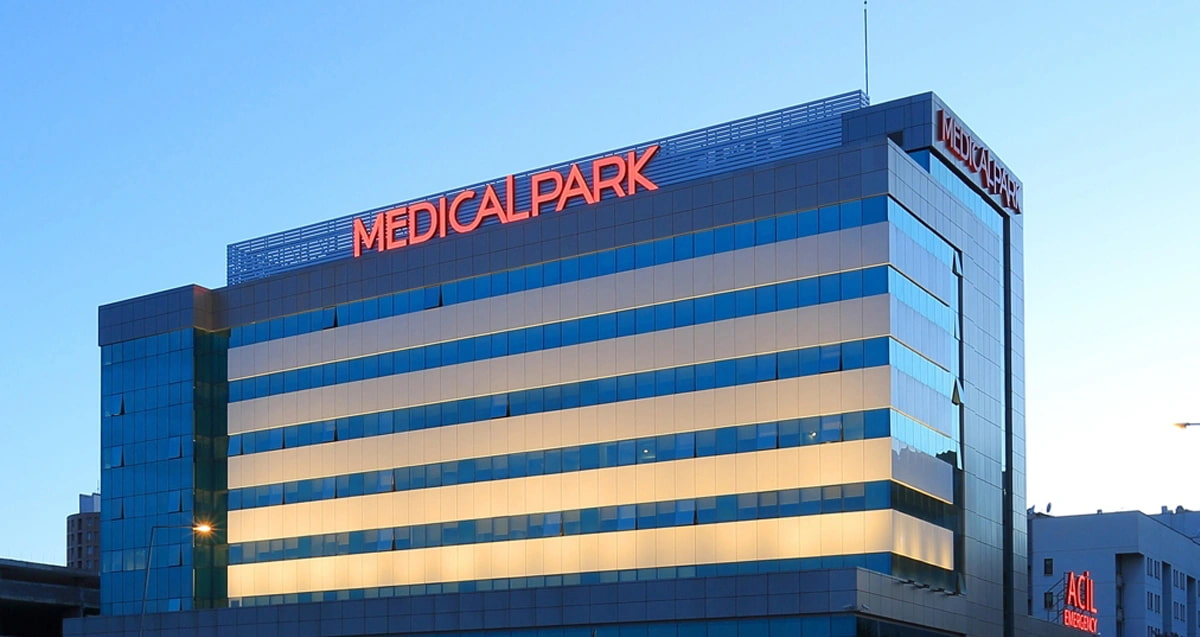


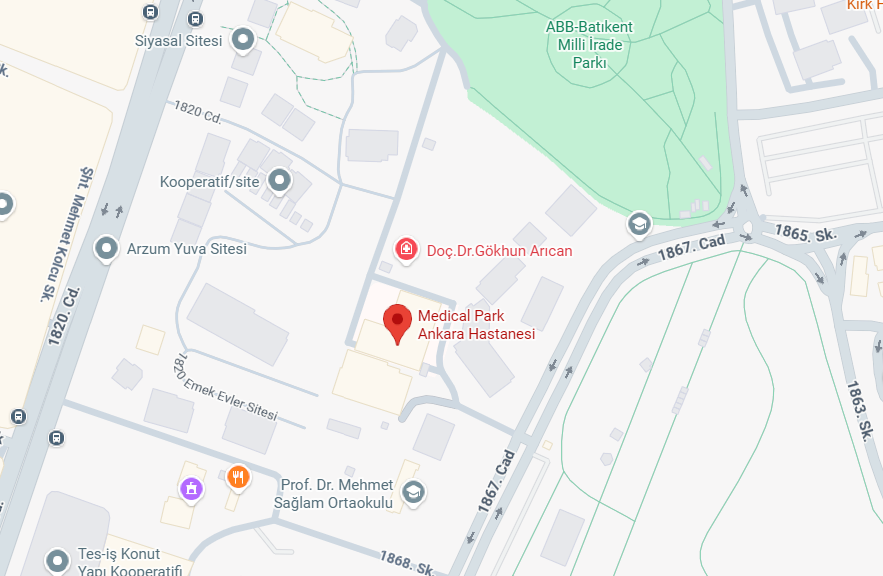
MLP Care, Turkey’s largest hospital chain, offers healthcare services to the local community at Medical Park Ankara, building on its extensive knowledge and experience in the healthcare sector while continuously improving its services.
Designed with the best organizational structure to provide top-quality healthcare, the hospital operates across 22,000 square meters of indoor space, featuring 158 beds, 52 intensive care beds, 6 operating rooms, and 80 outpatient clinics.
 Medical Tourism Authorization Certificate
Provided Services
Robotic Walking Therapy
Robotic rehabilitation is a physical therapy application that utilizes robotic systems to support the rehabilitation process of individuals who have decreased mobility or have partially lost the ability to walk. It can be used particularly in neurological diseases, stroke, spinal cord injuries, and certain musculoskeletal problems. In robotic walking therapy, the patient performs controlled and repetitive walking movements with the help of systems that support a specific portion of their body weight. During treatment, the goal is to ensure the repetition of the correct walking pattern, support muscle activation, and contribute to the development of balance and coordination. The duration and intensity of the application are determined based on the patient's current movement capacity, muscle strength, and rehabilitation goals.
Inpatient Physical Therapy and Rehabilitation
Inpatient physical therapy and rehabilitation is a comprehensive rehabilitation program applied in a hospital setting for patients who experience significant limitations in daily living activities and require more intensive, regular monitoring. During this process, a physical medicine and rehabilitation specialist, a physiotherapist, and, when necessary, healthcare professionals from different branches can work together. Inpatient rehabilitation can be preferred for individuals experiencing stroke, spinal cord injury, serious neurological diseases, movement limitations after major orthopedic operations, and a decrease in independent living skills. The goal is to increase the patient's mobility, support their participation in daily living activities, and help them achieve the highest possible level of independence.
Physical Therapy and Rehabilitation After Stroke
After a stroke, loss of muscle strength, balance disorders, walking difficulties, limitations in arm and hand movements, and difficulty with daily living activities may be observed. The physical therapy and rehabilitation program is planned to reduce these losses and re-develop the patient's functional capacity. During the rehabilitation process, muscle strengthening, balance exercises, gait training, exercises to maintain joint range of motion, and applications supporting daily living activities can be used. The program is customized according to the patient's level of impairment after the stroke and recovery capacity.
Rehabilitation After Spinal Cord Injury
Spinal cord injuries can cause varying degrees of loss in movement, sensation, and daily living skills depending on the level and severity of the injury. The goal of rehabilitation after spinal cord injury is to preserve existing functions, increase independence, and help prevent secondary problems that may develop. The rehabilitation program may include applications such as muscle strengthening, maintaining joint range of motion, sitting and balance exercises, transfer training, gait rehabilitation, and the use of assistive devices. Applications are planned based on the patient's neurological status, movement capacity, and daily living needs.
Neurological Rehabilitation
Neurological rehabilitation is a comprehensive rehabilitation approach applied to reduce movement, balance, coordination, and functional losses resulting from nervous system diseases or injuries. Stroke, spinal cord injuries, multiple sclerosis, Parkinson's disease, and various neurological conditions can be evaluated within this scope. During the treatment process, work can be done on muscle strength, balance, walking, arm-hand functions, and daily living activities. The goal is not only to increase mobility capacity, but also to support the individual in becoming more independent and safe in daily life.
Gait Disorders and Robotic Walking Rehabilitation
Gait disorders can develop due to neurological diseases, muscle weakness, balance problems, orthopedic issues, or traumas. In gait rehabilitation, a personalized program is prepared by evaluating the patient's stride pattern, balance, muscle strength, and walking safety. Robotic walking rehabilitation can help apply repetitive and controlled step movements, especially in patients who cannot perform the walking movement sufficiently on their own. Thanks to robotic systems, while the walking pattern is repeated at a specific rhythm, it aims to support the patient's active participation and muscle use.

 E-Result