


 TR
 EN
 RU
 AR
 FR


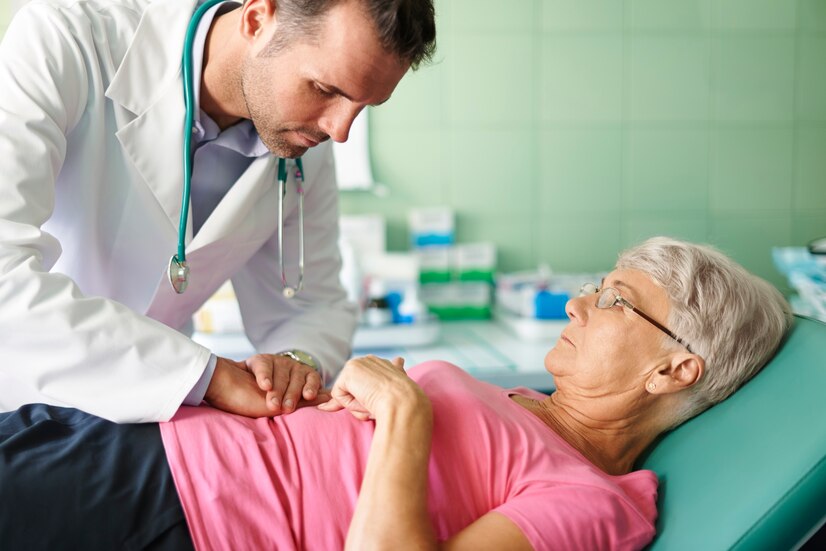

The Gastroenterology Department at Medical Park focuses on the diagnosis, treatment, and prevention of diseases affecting the digestive system, including the esophagus, stomach, intestines, liver, pancreas, and gallbladder. Our goal is to improve patients’ quality of life through advanced medical treatments and modern endoscopic procedures.
Common Gastroenterology Conditions
Our specialists manage a wide range of digestive system disorders, including:
Stomach Disorders: Gastritis, stomach ulcers, acid reflux
Intestinal Diseases: Irritable bowel syndrome (IBS), Crohn’s disease, ulcerative colitis, diverticulitis
Liver and Gallbladder Disorders: Hepatitis, cirrhosis, fatty liver, gallstones
Pancreas Diseases: Pancreatitis, pancreatic tumors
Esophagus Conditions: Swallowing difficulties, esophageal cancer
Diagnostic Methods
We use advanced diagnostic methods such as endoscopy, colonoscopy, ERCP, MRCP, biopsies, and endoscopic ultrasound (EUS) to ensure early detection and effective treatment.
Endoscopy
Endoscopy allows direct visualization of the digestive tract using a thin, flexible optical instrument. It is commonly used to detect and treat stomach, esophagus, and intestinal disorders.
Colonoscopy
Colonoscopy provides a complete view of the large intestine and nearby sections of the small intestine using a flexible tube with a camera. This procedure is crucial for detecting and removing polyps (polypectomy) before they develop into cancer. Colonoscopy is recommended for adults over 50 and for those with a family history of colon cancer, ideally 10 years before the age of the youngest affected relative. It is also used to diagnose and monitor noncancerous conditions such as ulcerative colitis and Crohn’s disease.
ERCP (Endoscopic Retrograde Cholangiopancreatography)
ERCP is an advanced endoscopic procedure used to diagnose and treat obstructions in the bile and pancreatic ducts. Using a specialized endoscope called a duodenoscope, our gastroenterology team can both identify problems and perform treatments in the same session, including bile duct stone removal and stent placement. ERCP is performed by a specialized team of gastroenterologists, nurses, and anesthesiologists.
MRCP (Magnetic Resonance Cholangiopancreatography)
MRCP uses MRI technology to create detailed images of the bile ducts, gallbladder, and pancreas. Unlike ERCP, MRCP is non-invasive and used solely for diagnosis, without treatment capabilities or associated procedural risks.
Advanced Technologies at Medical Park
Medical Park utilizes the latest gastroenterology technologies to provide effective, individualized care:
Endoscopic Ultrasound (EUS): Detailed imaging of gastrointestinal lesions
Fibroscan: Non-invasive evaluation of liver conditions
Capsule Endoscopy: Innovative imaging of the small intestine
ERCP & MRCP: Diagnosis and treatment of bile duct and pancreatic diseases
Expert Gastroenterology Team
Medical Park Hospitals provide gastroenterology services across multiple locations in Turkey, offering advanced treatments for patients of all ages with a focus on comfort, safety, and long-term health. Our department is staffed by experienced gastroenterologists who use the most current treatment methods. Combined with state-of-the-art technology, our patient-centered approach ensures safe, effective, and personalized care for every patient.
This content has been prepared with the contribution of the Medical Park Editorial Board. It is intended for informational purposes only and does not constitute therapeutic healthcare services. For diagnosis and treatment, please consult your physician.


 E-Result