


 TR
 EN
 RU
 AR
 FR


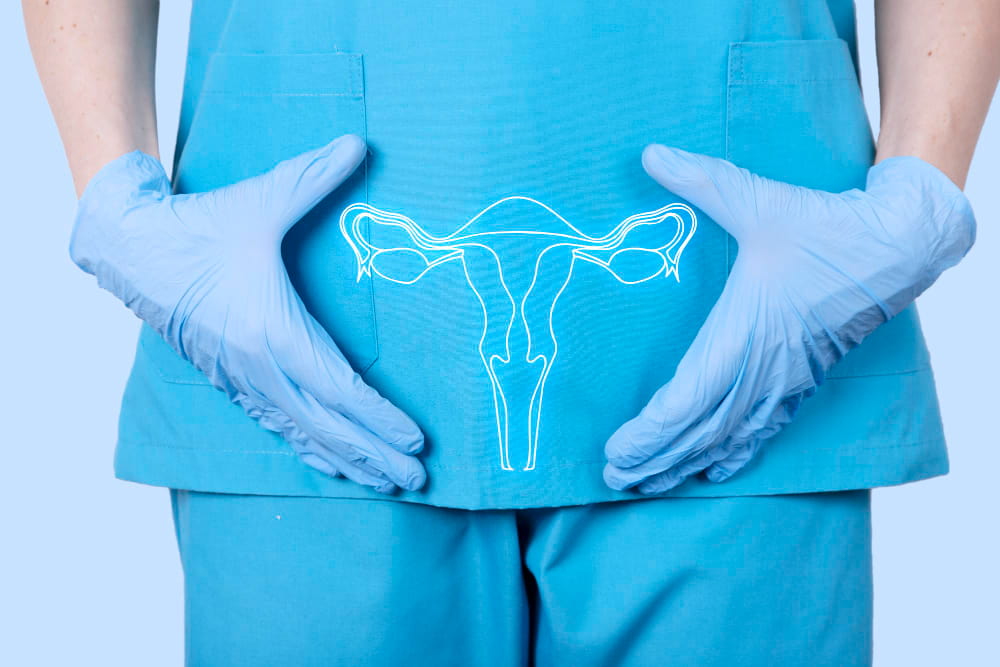

At Medical Park, our Gynecologic Oncology Surgery Department is dedicated to the diagnosis, surgical treatment, and management of cancers affecting the female reproductive system including the uterus, ovaries, cervix, vagina, and vulva.
Our expert gynecologic oncology surgeons combine advanced surgical techniques with compassionate, patient-centered care to achieve the best possible outcomes for women facing gynecologic cancers.
We focus on providing precise, individualized surgical interventions supported by a multidisciplinary team that includes specialists in medical oncology, radiation oncology, pathology, radiology, and reproductive medicine. This collaborative approach ensures every patient receives comprehensive cancer care from diagnosis to recovery.
Gynecologic Oncology Treatments in Turkey
At Medical Park, we offer state-of-the-art gynecologic cancer treatment in Turkey, combining advanced surgical technology with compassionate, personalized care. Our gynecologic oncology specialists design individualized treatment plans based on the type, stage, and location of the cancer, as well as the patient’s overall health and reproductive goals.
Key treatments and surgical interventions include:
Minimally invasive gynecologic surgery (laparoscopic and robotic-assisted)
Traditional open surgery for complex or advanced cases
Tumor-reducing and organ-preserving surgical procedures tailored to the patient’s needs
Chemotherapy and targeted drug therapy
Brachytherapy and external beam radiotherapy
Fertility-sparing surgery when appropriate
An increasing number of patients travel from around the world for ovarian cancer treatment, cervical cancer treatment, and other gynecologic oncology services, benefiting from our expert surgical interventions and comprehensive care in Turkey.
Types of Gynecologic Cancers We Treat
Vulvar Cancer
Vulvar cancer is a rare malignancy that arises in the external female genitalia, including the clitoris and labia. It typically affects older women but can occur at any age. Chronic vulvar skin disorders, such as lichen sclerosus, and persistent infection with high-risk strains of the human papillomavirus (HPV) are significant risk factors. Symptoms may include persistent itching, burning, pain, skin discoloration, thickened patches of skin, or ulcerative lesions that do not heal.
Endometrial Cancer (Uterine Cancer)
Endometrial cancer is the most common type of cancer affecting the uterus, a hollow, pear-shaped organ in the pelvis where fetal development occurs. This cancer begins in the endometrium, the inner lining of the uterus that thickens and sheds during the menstrual cycle. Although sometimes referred to broadly as uterine cancer, endometrial cancer specifically affects the lining, whereas rarer forms like uterine sarcoma arise from the muscle or connective tissue of the uterus. It most often occurs in postmenopausal women and is frequently detected early due to noticeable symptoms.
Ovarian Cancer
Ovarian cancer begins as an abnormal growth of cells within the ovaries. These organs are responsible for producing eggs and the hormones estrogen and progesterone. It is often difficult to detect in its early stages, as initial symptoms are usually mild and easily mistaken for more common, less serious conditions. As the disease progresses, symptoms may include abdominal bloating, early satiety, pelvic discomfort, unexplained weight loss, fatigue, back pain, constipation, or frequent urination. Because it tends to develop silently, many cases are diagnosed at an advanced stage. This makes early awareness and attention to persistent symptoms especially important.
Cervical Cancer
Cervical cancer develops in the cervix and it is most commonly caused by persistent infection with certain strains of HPV. While most HPV infections are cleared naturally by the immune system, in some cases the virus remains in the body, leading to cellular changes that may eventually result in cancer. Cervical cancer may not cause symptoms in its early stages, but as it progresses, signs can include abnormal vaginal bleeding, heavy or prolonged menstrual flow, foul-smelling vaginal discharge, pelvic pain, or pain during sexual activity. Routine Pap smears and HPV testing play a vital role in early detection, and HPV vaccination significantly lowers the risk. When diagnosed, treatment often begins with surgery and may involve chemotherapy, targeted therapy, radiation, or a combination of these approaches.
Surgical Approaches in Gynecologic Oncology
Surgery is the foundation of gynecologic cancer treatment. The main objective is to remove cancerous tissues while preserving as much healthy tissue and function as possible. Our gynecologic oncology surgeons at Medical Park perform a wide range of procedures, including:
Hysterectomy: Removal of the uterus; may include the cervix, ovaries, or fallopian tubes depending on the case.
Oophorectomy and Salpingectomy: Removal of one or both ovaries or fallopian tubes for ovarian or fallopian tube cancers.
Pelvic and Para-aortic Lymphadenectomy: Removal of lymph nodes to assess cancer spread and reduce recurrence risk.
Minimally Invasive Surgery (Laparoscopic or Robotic-Assisted): Advanced technology enabling smaller incisions, less blood loss, and faster recovery.
Fertility-Sparing Surgery: In selected early-stage cases, surgery is tailored to preserve reproductive potential while effectively treating cancer.
Additional Gynecologic Oncology Procedures
Brachytherapy
An internal radiation therapy delivering high-dose radiation directly to cancer cells while sparing nearby healthy tissue. Commonly used in cervical and endometrial cancers, either as a primary treatment or post-surgery.
Colposcopy
A diagnostic procedure using a magnified view of the cervix, vagina, and vulva to detect abnormal or precancerous changes and guide biopsies for accurate diagnosis and surgical planning.
Vulvectomy
Surgical removal of part or all of the vulva for vulvar cancer. The procedure aims for complete tumor removal while maintaining comfort and appearance through reconstructive techniques when needed.
Chemotherapy and Radiotherapy
Often combined with surgery, these treatments destroy residual cancer cells and prevent recurrence. Our multidisciplinary oncology team ensures that therapy is optimized for each patient’s specific cancer type and stage.
Supportive Care and Rehabilitation
At Medical Park, we approach gynecologic cancer care with a deep commitment, not only in terms of treating the disease, but also addressing the physical, emotional, and psychological needs of every patient. Our patient-centered approach ensures that each individual receives compassionate, continuous care tailored to their unique medical and personal needs.
We understand that the cancer journey can be physically demanding and emotionally overwhelming. That’s why we integrate comprehensive supportive care and rehabilitation services into every patient’s treatment plan, helping them feel safe, empowered, and fully cared for throughout their healing process.
Importance of Early Detection
Early detection dramatically increases the success of gynecologic cancer treatment. Routine screenings like Pap smears, HPV testing, pelvic exams, and transvaginal ultrasounds are essential for identifying cancer in its earliest and most treatable stages.
If you’re wondering how gynecologic oncology differs from general gynecology, this focus on cancer screening and early diagnosis is one of the key distinctions.
We encourage all women, especially those with risk factors or a family history of cancer to schedule regular gynecologic check-ups.
Why Choose Medical Park for Gynecologic Oncology?
Medical Park is a leading destination for gynecologic oncology in Turkey. Patients choose us for our:
- Expertise: Our board-certified gynecologic oncology specialists are among the best in the region, with experience in treating both common and rare cancers.
- Advanced Technology: We utilize the latest in minimally invasive surgery, diagnostic imaging, and precision medicine.
- International Patient Services: With multilingual staff and dedicated patient coordinators, we ensure a smooth experience for medical tourists seeking gynecologic cancer treatment.
- Comprehensive Care: From diagnosis to surgery, therapy, and rehabilitation, we offer a complete continuum of care under one roof.
Whether you're considering oncology treatment or gynecologic surgery in Turkey, Medical Park provides the expertise, compassion, and results that matter.
This content was developed by the Medical Park Editorial Board and is intended for informational purposes only. It does not replace professional medical advice, diagnosis, or treatment. Please consult your healthcare provider for personalized care.


 E-Result