


 TR
 EN
 RU
 AR
 FR


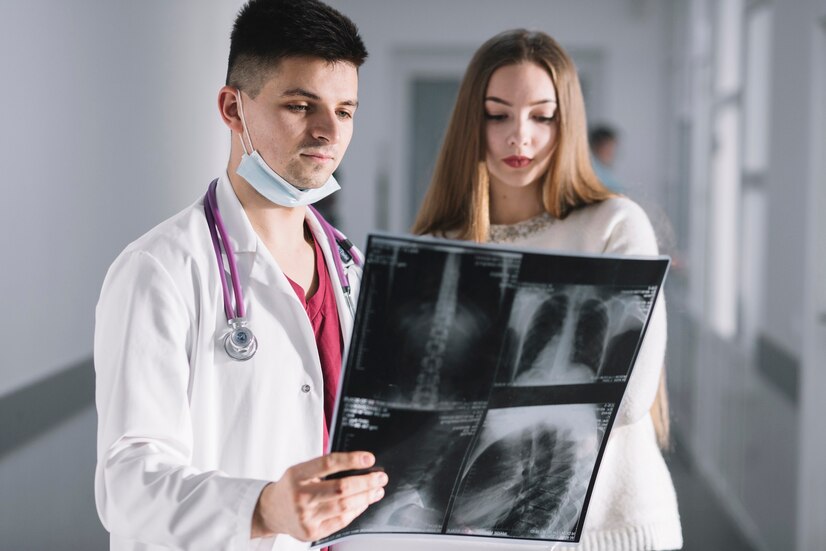

At Medical Park, we offer state-of-the-art interventional radiology services using cutting-edge imaging technology to diagnose and treat a wide range of medical conditions. Our approach is based on minimally invasive radiology techniques, allowing for effective treatment with less risk, less pain, and shorter recovery times compared to traditional surgery.
What Is Interventional Radiology?
Interventional Radiology (IR) is a medical specialty that uses real-time imaging techniques, such as angiography, ultrasound, and computed tomography (CT), to guide precise, non-surgical procedures.
Unlike traditional surgery, interventional radiology procedures require only a small skin puncture, offering targeted treatment for many health problems without the need for general anesthesia or hospital admission.
By integrating diagnostic imaging with therapeutic interventions, IR provides innovative solutions for conditions that once required complex surgeries. From vascular interventional radiology to oncologic and pediatric interventional radiology, this field plays a transformative role in modern medicine.
Characteristics of Interventional Radiology Treatments
- Minimally invasive: Procedures are performed through a small pinhole or catheter, minimizing tissue damage.
- No general anesthesia: Most treatments use local anesthesia or light sedation.
- Outpatient procedures: Many patients return home the same day.
- Faster recovery and lower risk: Compared to conventional surgery, patients experience less pain, reduced hospital stay, and quicker return to daily life.
Diseases Treated by Interventional Radiology
Interventional radiology procedures can treat a wide variety of conditions affecting different organ systems. These techniques are commonly used for vascular diseases, cancer therapy, cysts, and image-guided interventions such as biopsies or fluid drainage.
Treatment of Vascular Diseases
Interventional radiology plays a key role in the treatment of vascular conditions by restoring or modifying blood flow in arteries and veins using catheters, balloons, stents, or embolization techniques.
- Arterial Occlusions (Legs, Carotid, Renal): Often caused by atherosclerosis, diabetes, or smoking, arterial blockages can lead to pain, ulcers, or stroke. Treatments include:
- Balloon angioplasty
- Drug-eluting or bare-metal stents
- Atherectomy (removal of plaque)
- Aortic Aneurysms: Treated using stent grafts inserted via catheter to reinforce weakened vessel walls and prevent rupture.
- Deep Vein Thrombosis (DVT):
- Acute DVT: Managed using thrombolytic (clot-dissolving) drugs or mechanical thrombectomy.
- Chronic DVT: Treated with venous stents or angioplasty to restore circulation.
- Varicose Veins & Vascular Malformations: Managed using laser therapy, radiofrequency ablation, or sclerotherapy to close off abnormal vessels and relieve symptoms.
Interventional Radiology in Cancer Patients
Interventional oncology provides minimally invasive treatment options that can directly target tumors and help relieve symptoms in cancer patients.
- Ablation Techniques
Localized destruction of small tumors using:
- Radiofrequency (RF) ablation
- Microwave ablation
- Cryoablation (freezing)
- Commonly treated tumor sites: liver, kidney, lung, and bone.
- Angiographic Therapies
- Transarterial Chemoembolization (TACE): Direct delivery of chemotherapy into a tumor’s blood supply.
- Transarterial Radioembolization (TARE): Administration of tiny, radiation-emitting beads to target tumors internally.
Non-Vascular Interventional Radiology Procedures
- IR is also frequently used for non-vascular procedures to diagnose or treat fluid accumulation, infections, or cystic lesions:
- Biopsies: Image-guided sampling of tissues (liver, kidney, lung, etc.) for diagnosis.
- Drainage Procedures: Removal of excess fluid from bile ducts, kidneys, abscesses, or pleural spaces.
- Cyst Treatment: Aspiration and sclerosis of symptomatic cysts (e.g., hydatid or renal cysts).
Benefits of Interventional Radiology
- Less pain and trauma: No large incisions or surgical wounds.
- Faster recovery: Most patients resume normal activities quickly.
- Fewer complications: Lower infection and bleeding risk compared to open surgery.
- Repeatable treatment options: Ideal for recurrent or chronic conditions (e.g., tumor recurrence, varicocele).
- Personalized approach: Tailored therapies using real-time imaging for maximum precision.
Our Advanced Technology
At Medical Park Hospitals, we utilize state-of-the-art imaging and interventional tools to enhance the safety and effectiveness of every procedure. Our radiology units are equipped with advanced angiography suites, high-resolution ultrasound, and 3D CT navigation systems that ensure precise and comfortable treatments.
Check our Radiology Department page to learn more about our advanced imaging and interventional tools and how they are used by our specialists.
Our Team of Expert Interventional Radiologists
Medical Park's team includes experienced specialists in vascular, oncologic, neuro interventional radiology, and pediatric interventional radiology. Our physicians are trained in international standards and committed to delivering patient-centered care through advanced minimally invasive techniques.
This content was developed by the Medical Park Editorial Board and is intended for informational purposes only. It does not replace professional medical advice, diagnosis, or treatment. Please consult your healthcare provider for personalized care.


 E-Result