


 TR
 EN
 RU
 AR
 FR


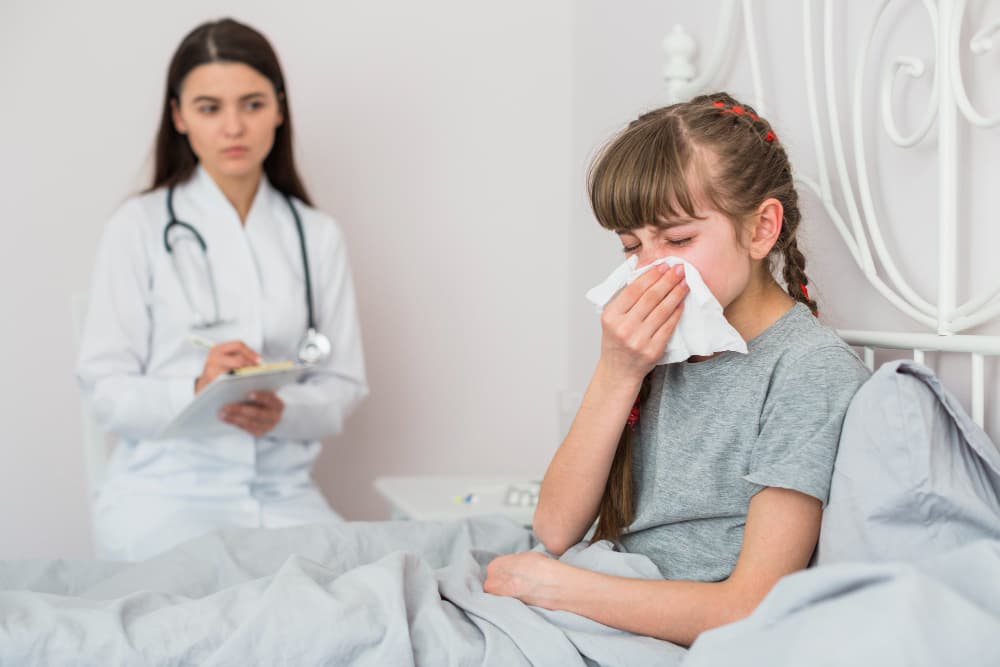

The Pediatric Immunology and Allergic Diseases Department specializes in the diagnosis, treatment, and follow-up of immune system and allergic diseases in children from birth to 18 years of age. In addition to managing a wide range of conditions, our specialists also collaborate with bone marrow and stem cell transplantation centers by performing pre-transplant immunological tests and HLA typing. Similarly, international-standard HLA typing, lymphocyte cross-match analyses, and advanced immunological tests required for solid organ transplantation are also carried out by our physicians. Preventing the spread of infectious epidemics that may affect society is another key responsibility of this department.
Pediatric Immunology and Allergic Diseases specialists undergo extensive training, including 6 years of medical school, 4 years of pediatrics residency, and 3 years of fellowship training in pediatric immunology and allergy diseases.
What Is Pediatric Immunology and Allergic Diseases?
Pediatric Immunology and Allergic Diseases focuses on allergic reactions and immune-related diseases in children. Pediatric allergy specialists are trained in the diagnosis and treatment of food allergies, asthma, eczema, and other allergic conditions. They develop personalized treatment plans to control symptoms and improve quality of life.
The department also provides comprehensive care for immunodeficiencies and infection-related disorders, as well as allergic diseases influenced by genetic and environmental factors. Common conditions include:
Allergic rhinitis (hay fever)
Asthma (allergic and non-allergic)
Atopic dermatitis (eczema)
Food, drug, insect, and skin allergies
Recurrent wheezing episodes
Severe allergic reactions such as anaphylaxis
Common allergy symptoms may include:
Itching, redness, swelling, or rashes on the skin
Eczema
Persistent dry cough or sneezing
Shortness of breath and wheezing
Runny, itchy, or congested nose
Watery, red, or itchy eyes
Abdominal pain, diarrhea, or vomiting
Blood or mucus in stool
Diagnostic Tests and Procedures
After a detailed medical history and physical examination, laboratory and imaging tests may be performed when necessary. Frequently used diagnostic methods include:
Prick Test (Skin Prick Test): Painless, quick test for common allergens such as pollen, dust mites, and animal dander.
Intradermal Test: Used for detecting insect venom or drug-related allergies.
Patch Test: Helps diagnose contact dermatitis caused by external substances.
Specific IgE Testing: Blood test for detecting allergic sensitivity to specific allergens (e.g., foods, pollens, animal proteins).
Spirometry (Pulmonary Function Test): Assesses lung capacity and function, especially in asthma patients.
Rhinomanometry: Measures nasal airflow resistance to evaluate obstructions.
Immunotherapy (Allergy Vaccination)
In addition to medication, immunotherapy may be recommended for eligible patients with allergic rhinitis, allergic asthma, or insect venom allergies. Also known as allergy vaccination, this treatment helps reduce sensitivity to allergens and improve long-term control when medications alone are insufficient.
Methods include:
Tablet Immunotherapy: Allergen tablets dissolve under the tongue daily.
Sublingual Immunotherapy (Drops): Allergen solutions are administered under the tongue.
Subcutaneous Immunotherapy (Injections): Allergen extracts are injected under the skin at regular intervals under medical supervision.
Comprehensive Care for Children
Pediatric Immunology and Allergic Diseases Department at Medical Park Hospitals offers advanced diagnostic and treatment options tailored to each child. Through early diagnosis, effective treatment strategies, and preventive care, we aim to reduce disease burden, improve quality of life, and support long-term health.


 E-Result