


 TR
 EN
 RU
 AR
 FR


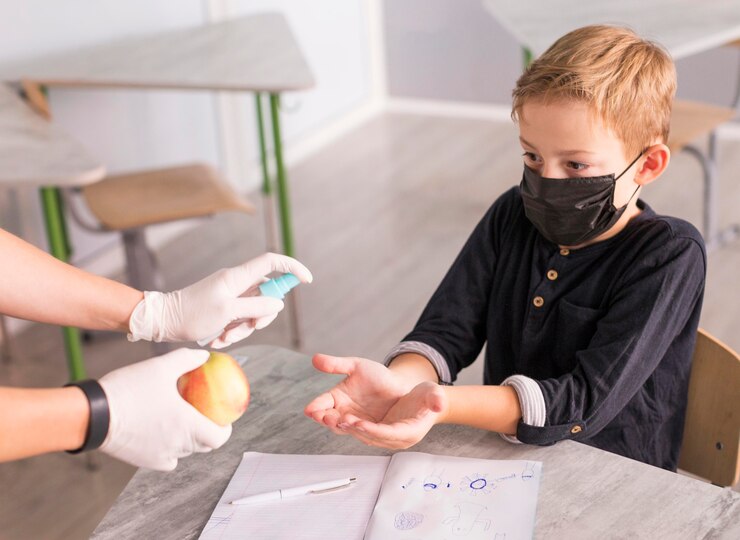

The Department of Pediatric Infectious Diseases at Medical Park is dedicated to the comprehensive care of children facing infections, from infancy through adolescence. The department specializes in preventing, diagnosing, and treating a wide range of infections caused by viruses, bacteria, fungi, or parasites. Children are particularly susceptible to infections due to frequent exposure in schools, playgroups, and other communal environments, which makes timely evaluation and treatment essential.
At Medical Park’s Pediatric Infectious Diseases Department, we use advanced diagnostic methods to accurately identify bacterial, viral, fungal, and parasitic infections in children. Our specialists provide targeted, evidence-based treatments, from antibiotic therapy to supportive care for viral and parasitic illnesses. We work closely with families to monitor each child’s recovery, prevent complications, and reduce the risk of recurring infections, ensuring both immediate health and long-term immune resilience.
What Are Pediatric Infectious Diseases?
A healthy human body naturally hosts thousands of bacteria. However, fungi, viruses, and certain bacteria or parasites that are not part of this natural flora can cause disease. Children are especially vulnerable due to frequent exposure to crowded schools, playgroups, and external environments. Common symptoms of childhood infections include fever, cough, nausea, vomiting, and sweating.
Common Childhood Respiratory Infections
Upper Respiratory Tract Infections:
Nasopharyngitis (common cold)
Acute tonsillitis
Otitis media (middle ear infection)
Rhinitis
Croup
Laryngitis
Bronchitis
Lower Respiratory Tract Infections:
Pneumonia
Bronchiolitis
Upper respiratory infections caused by bacteria or viruses usually resolve within 7–10 days with proper care. If left untreated, they can spread to the lower respiratory tract, potentially leading to serious conditions such as pneumonia, bronchiolitis, or meningitis.
Other Common Childhood Infections:
Measles
Chickenpox
Diphtheria
Meningitis
Scarlet fever
Impetigo
Fifth disease
Cytomegalovirus (CMV)
Toxic shock syndrome
Toxoplasmosis
Acute gastroenteritis
Superficial fungal infections
These infections can be transmitted through contaminated water, soil, inadequately cleaned food, or direct contact with infected individuals. Fever is often the first warning sign, accompanied by symptoms such as nausea, vomiting, muscle and joint pain, sweating, cramps, and skin rashes.
Diagnosis and Treatment of Childhood Infections
Childhood infections may be congenital, passed from mother to child during pregnancy, or acquired directly or indirectly after birth. Diagnosing infections involves identifying the pathogen or detecting antibodies produced by the body in response. Key diagnostic tests include hemogram tests, swabs, skin scrapings, stool and urine samples, sputum analysis, and serological testing.
Treatment depends on the type of pathogen. Bacterial infections are treated with antibiotics, while viral, parasitic, or fungal infections require different approaches. Supporting a child’s recovery involves:
Following the physician’s guidance and completing prescribed medications
Practicing good hygiene
Eating well-washed fruits and vegetables and a balanced diet
Drinking clean water
Ensuring adequate rest
Maintaining a comfortable room temperature
With proper medical supervision and treatment, infections in children can be effectively managed and resolved within the expected timeframe.
This content was developed by the Medical Park Editorial Board and is intended for informational purposes only. It does not replace professional medical advice, diagnosis, or treatment. Please consult your healthcare provider for personalized care.


 E-Result