


 TR
 EN
 RU
 AR
 FR


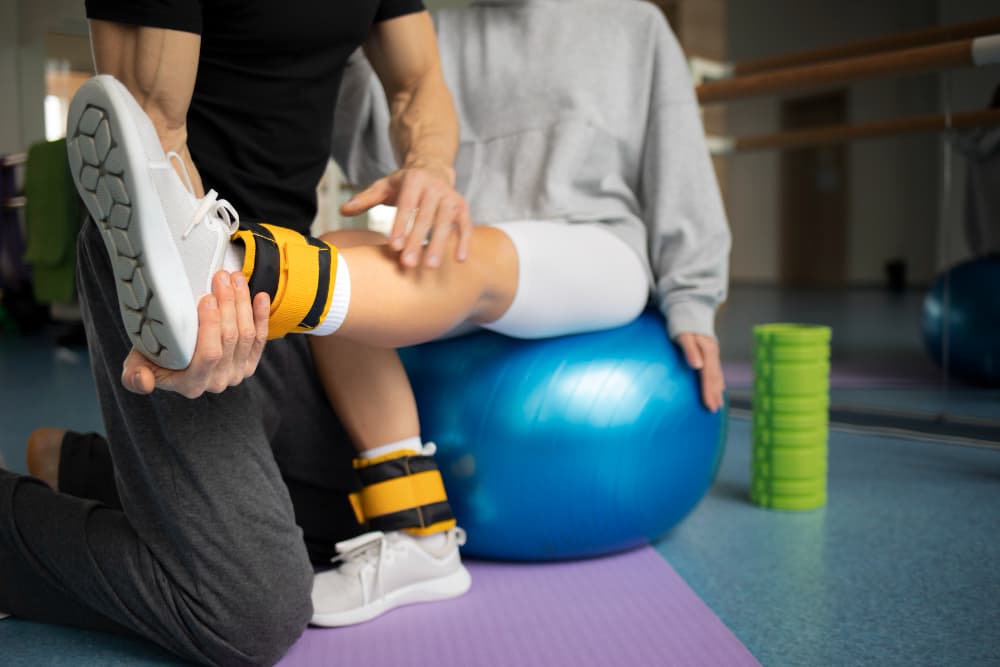

At Medical Park Hospitals, our Sports Medicine Department focuses not only on sports-related injuries but also on the effects of physical activity (or inactivity) on overall health. Our specialists manage conditions and injuries across all levels of exercise and sports participation, while also providing guidance to prevent potential problems.
It is not limited to sports-related injuries but also examines the effects of physical inactivity on both healthy and ill individuals. Specialists in sports medicine deal with conditions and injuries that occur at all levels of exercise and physical activity, while also working to prevent such problems.
The field covers sports traumatology, sports rehabilitation, internal medicine, exercise biochemistry and physiology, as well as the medical evaluation and performance measurement of individuals who participate in sports.
What is Sports Medicine?
Sports physicians encourage participation in exercise and sports, take preventive measures against potential health problems during training and events, and manage the diagnosis and treatment of injuries and traumas that occur in these settings. Their role includes improving quality of life, enhancing sports participation, measuring performance, and studying the medical and clinical effects of sports on the body.
Areas of Focus in Sports Medicine
Sports medicine physicians are involved in:
- Encouraging and guiding individuals to participate in sports
- Promoting public health through exercise participation
- Assessing an individual’s suitability for a specific sport
- Conducting pre-competition medical screenings
- Preventing sports-related injuries
- Diagnosing and treating traumas and injuries that occur during sports
- Managing acute and chronic health problems caused by sports
- Providing on-field first aid as team doctors
- Serving as club physicians for sports teams
- Offering medical support in international sporting events
- Addressing travel-related health problems during competitions
- Managing health in different climates, depths, and altitudes
- Screening and detecting pharmacological agents (doping control)
- Evaluating athlete psychology
- Enhancing athlete performance
- Regulating sports nutrition
- Prescribing exercise programs for conditions such as obesity, diabetes, hypertension, asthma, and depression
- Treatments in Sports Medicine
Licensed athletes and amateurs may experience various health problems due to sports-related traumas. In such cases, sports medicine physicians provide rapid diagnosis and treatment, aiming to ensure the individual’s safe return to activity as soon as possible. Treatments are tailored to the patient’s condition and needs.
Treatment Methods Used
Sports medicine specialists utilize a wide range of therapeutic approaches tailored to the patient’s needs. These include:
- Prolotherapy (an injection-based treatment for chronic musculoskeletal conditions)
- PRP (Platelet-Rich Plasma) therapy
- Dry needling
- Kinesio taping
- Ozone therapy
- Manual therapy
These methods are applied individually or in combination to reduce pain, restore mobility, and ensure athletes return to activity safely and effectively.
This content has been prepared with the contribution of the Medical Park Editorial Board. The content is intended for informational purposes only. It does not include elements that provide therapeutic healthcare services. For diagnosis and treatment, please consult your physician.


 E-Result